
Cusco en through time
Cusco 1885–2023 193 photos of this spot
193 photographs taken at the same spot in Cusco, spanning 1885–2023 — 42 of them from before 1980. Line them up and watch the place change.
An elevated view over Cusco, Peru, showing the city's rooftops, church towers, and the surrounding mountains, taken sometime between 1860 and 1910 when the former Inca capital remained a relatively compact Andean town built largely on colonial-era foundations.
See this spot on the map
Have an old photo of Cusco en?
A family album, a postcard, a print from the attic. Pin it to the map and it becomes part of the record.
Add your photo
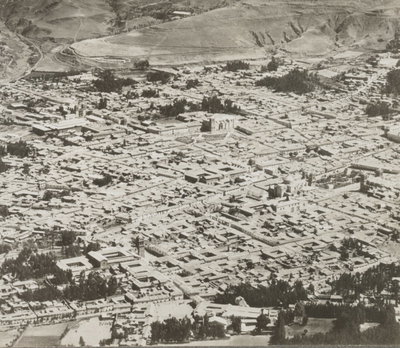
Aerial view of the City of Cusco (1860-1910)
1885
An elevated view over Cusco, Peru, showing the city's rooftops, church towers, and the surrounding mountains, taken sometime between 1860 and 1910 when the former Inca capital remained a relatively compact Andean town built largely on colonial-era foundations.
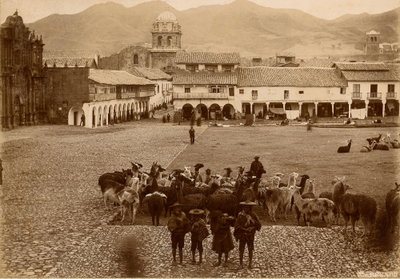
Cusco. Main Square - Fernando Garreaud
1898
The main square of Cusco, Peru, photographed in 1898 by Fernando Garreaud. Known as Huacaypata in Inca times, the plaza has served as the ceremonial and civic heart of the city since before the Spanish conquest in the sixteenth century.
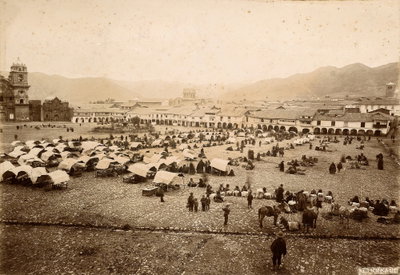
Cusco. Market - Fernando Garreaud
1898
A market scene in Cusco, Peru, captured by photographer Fernando Garreaud in 1898. Cusco, the former capital of the Inca Empire high in the Peruvian Andes, remained an important regional trading center under Spanish colonial and later republican rule.
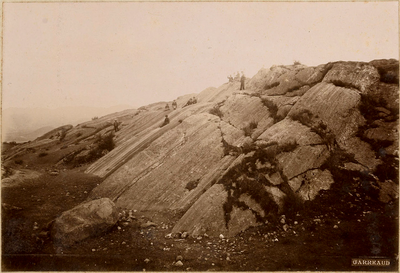
N° 341. Cúzco, El cerro del rodadero
1900
El Rodadero, a hill on the outskirts of Cusco, Peru, appears in this photograph, numbered 341 in a series taken around 1900, decades before the city became a major destination for Andean tourism.
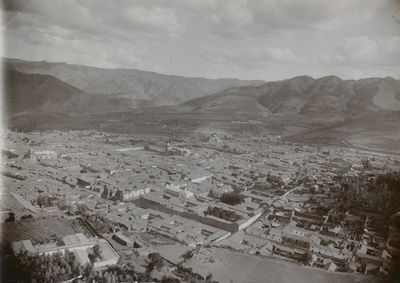
Historical panorama of Cuzco in
1900
A wide panoramic view of Cuzco, Peru, once the capital of the Inca Empire, was captured sometime in the 1900s, showing the highland city nestled in the Andes mountains.
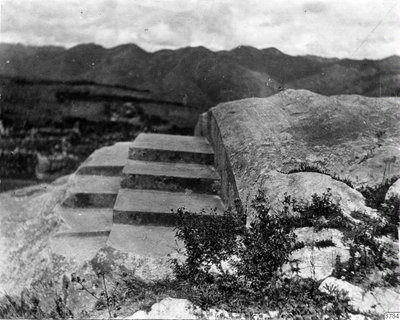
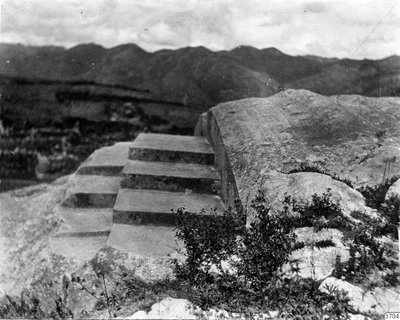
EU: offeraltare, trappor, kultplats, fotografi, photograph (1928)
1928
Steps leading to what is identified as a sacrificial altar at a ceremonial site near Cusco, Peru, photographed in 1928 amid the Inca-era remains that surround the former imperial capital.
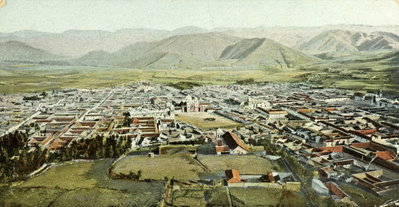
Postal Panorama de Cuzco (Perú)
1928
A hand-tinted 1928 postcard panorama surveys Cusco's red-tiled rooftops spread across the Andean valley floor, with the cathedral and surrounding mountains visible in the distance.
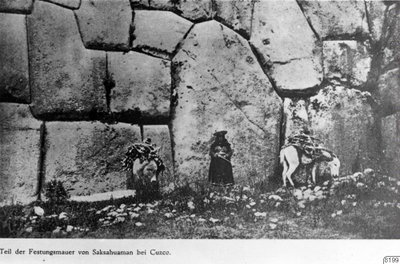
EU: befästning, del, inkafästning, fästningsmur, fotografi, photograph (1930)
1930
A detail of Inca-era fortification stonework near Cusco, Peru, photographed in 1930. The precisely fitted stone walls built by the Inca without mortar have survived for centuries.
EU: befästning, detalj, fästning, inkafästning, fotografi, photograph (1930)
1930
Another 1930 detail view of Inca fortress walls near Cusco, Peru, showing the tightly interlocked stonework characteristic of Inca construction, in which large stones were cut to fit together without mortar.
EU: befästning, detalj, fästning, inkafästning, fotografi (1930)
1930
A close-up of Inca fortification stonework in the Cusco area, Peru, taken in 1930, documenting the massive, precisely cut stones used without mortar, a hallmark of Inca engineering that has let many such walls withstand centuries of earthquakes.
EU: befästning, del, inkafästning, fästningsmur, fotografi (1930)
1930
A section of an Inca fortress wall near Cusco, Peru, photographed in 1930, illustrating the polygonal stone-fitting technique used throughout the former Inca capital.
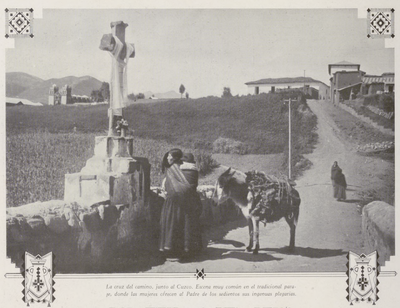
Cruz del camino junto a Cusco
1930
A wayside cross stands beside a road near Cusco, Peru, in this 1930 photograph, a common feature of the Andean landscape marking routes and crossings.
Cusco en
1930
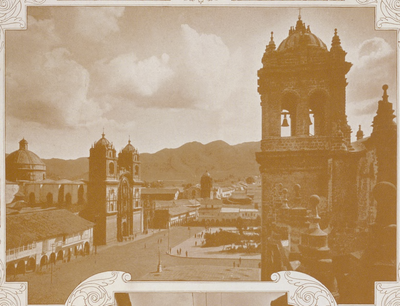
A general view of Cusco, Peru, in 1930, when the former Inca capital was already drawing growing attention from travelers and archaeologists for its colonial architecture built atop Inca foundations.
EU: befästning, detalj, fästning, inkafästning, fotografi, photograph #1976892 (1930)
1930
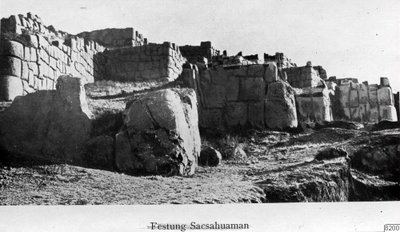
This 1930 photograph documents another detail of Inca fortress stonework near Cusco, Peru, part of a series recording the ancient walls in the region.
EU: befästning, del, inkafästning, fästningsmur, fotografi, photograph #1976888 (1930)
1930
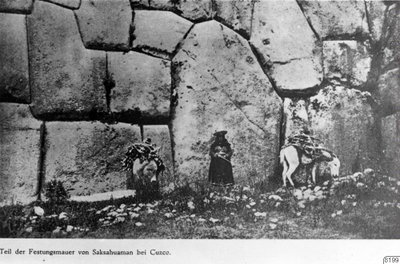
A further 1930 record of Inca fortress wall stonework near Cusco, Peru, showing the large, closely fitted blocks typical of Inca military architecture.
![EU: befästning, detalj, fästning, inkafästning, fotografi, photograph (1930) [1976763], Cusco, 1930](https://cdn.placewas.com/placewas/8af46c156dc94165867ec7ffdd5fc9cf.jpg?width=400)
EU: befästning, detalj, fästning, inkafästning, fotografi, photograph (1930) [1976763]
1930
Detail of an Inca-built fortification wall near Cusco, Peru, photographed in 1930, showing the precise stonework characteristic of Inca military and ceremonial architecture in the region.
EU: befästning, detalj, fästning, inkafästning, fotografi, photograph fortification, detail, attachment, attachment, photography, ph (1930)
1930
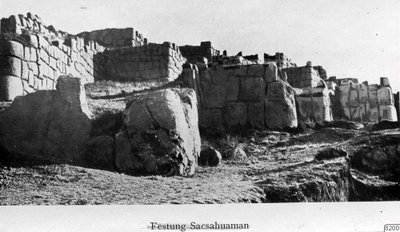
A detail of Inca fortification walls near Cusco, photographed in 1930, showing the massive, precisely fitted stonework characteristic of Inca military architecture in the region.
EU: befästning, del, inkafästning, fästningsmur, fotografi, photograph fortification, part, attachment, wall, photograph, ph (1930)
1930
Part of a massive stone fortification wall near Cusco, captured in this 1930 photograph. Walls of this type, built without mortar, are among the best-preserved examples of Inca engineering.
EU: Sacsayhuaman fortress masonry detail, Cusco (1930)
1930
A detail of the massive stone masonry at Sacsayhuaman, the Inca fortress overlooking Cusco in the former Inca heartland of Peru, photographed in 1930, showing the precisely fitted stonework the site remains widely known for today.
EU: Sacsayhuaman fortress wall detail, Cusco (1930)
1930
Another 1930 photograph documenting the interlocking stonework of Sacsayhuaman's walls, the Inca fortification above Cusco in Peru, built from massive, closely fitted stone blocks laid without mortar.
EU: befästning, detalj, fästning, inkafästning, fotografi, photograph (1930)
1930
A detail of an Inca fortification near Cusco is documented in this 1930 photograph. The massive interlocking stone blocks visible here are characteristic of Inca military architecture, cut and fitted so precisely that no mortar was needed to hold them together.
EU: befästning, del, inkafästning, fästningsmur, fotografi, photograph (1930)
1930
This 1930 photograph shows part of an Inca fortress wall outside Cusco, built from precisely fitted stone blocks in the dry-stone technique typical of Inca engineering. Such walls have survived centuries of earthquakes largely intact.
![EU: befästning, detalj, fästning, inkafästning, fotografi, photograph (1930 [SMVK_VKM_fotografi_1976763]), Cusco, 1930](https://cdn.placewas.com/placewas/0e4ca02480aa4bcf8b508394d72edaa0.jpg?width=400)
EU: befästning, detalj, fästning, inkafästning, fotografi, photograph (1930 [SMVK_VKM_fotografi_1976763])
1930
A further view of Inca fortification stonework near Cusco, taken in 1930, highlights the precision stone-cutting techniques the Inca used without mortar, fitting irregular blocks so tightly that a blade could not pass between them.
![EU: befästning, del, inkafästning, fästningsmur, fotografi, photograph (1930 [SMVK_VKM_fotografi_1976762]), Cusco, 1930](https://cdn.placewas.com/placewas/466a661009cf4f70a9d2f349b44e2253.jpg?width=400)
EU: befästning, del, inkafästning, fästningsmur, fotografi, photograph (1930 [SMVK_VKM_fotografi_1976762])
1930
Part of an Inca fortress wall near Cusco is recorded in this 1930 photograph, showing the tightly fitted polygonal stonework typical of the site and of Inca construction across the region more broadly.
EU: befästning, detalj, fästning, inkafästning, fotografi, photograph (1930) #1976892
1930
A detail of the Inca fortress walls near Cusco, photographed in 1930, showing the precise stonework for which Inca builders were renowned.
EU: befästning, del, inkafästning, fästningsmur, fotografi, photograph (1930) #1976888
1930
Part of the fortification wall at the Inca site near Cusco, photographed in 1930. The dry-stone masonry, fitted without mortar, is typical of Inca construction throughout the former imperial capital's surroundings.
EU: Detail of the Sacsayhuaman fortress. (1930)
1930
A close-up of the stonework at the Sacsayhuaman fortress above Cusco, Peru, photographed in 1930.
EU: Part of the fortress wall at Sacsayhuaman. (1930)
1930
Part of the massive stone wall at Sacsayhuaman, the Inca fortress overlooking Cusco, photographed in 1930.
EU: befästning detalj, Cusco, SMVK (1930)
1930
A detail of Cusco's Inca-era fortification, photographed in 1930 and preserved in the archive of Sweden's National Museums of World Culture.
EU: befästning del, Cusco, SMVK (1930)
1930
Another section of the same Cusco fortification wall, photographed in 1930 as part of a series now held in Sweden's National Museums of World Culture.
EU: Cuzco Sacsahuamanin linnoitukselta nähtynä VKK721:205 (1930)
1930
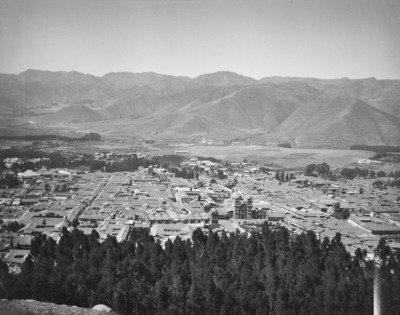
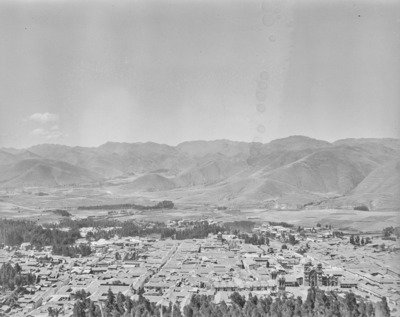
Photographed from the heights of Sacsayhuaman in 1930, this view looks down over Cusco's rooftops and surrounding valley, a stand of eucalyptus trees framing the foreground.
EU: Cuzco Sacsahuamanin linnoitukselta nähtynä VKK721:30 (1930)
1930
A wider 1930 panorama taken from the Sacsayhuaman ridge above Cusco shows the city's tiled roofs filling the valley floor, encircled by terraced fields and bare Andean hills.
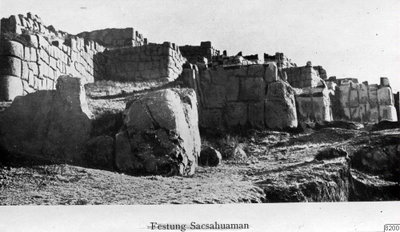
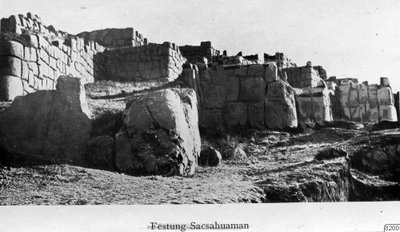
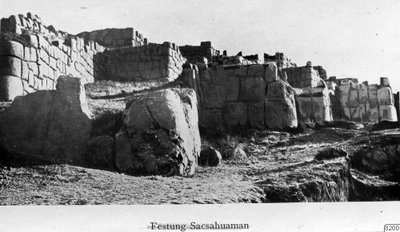
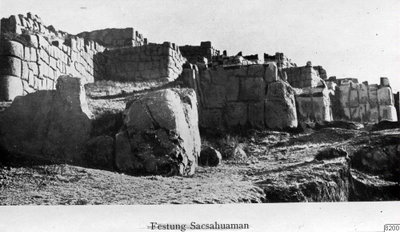
![EU: befästning, detalj, fästning, inkafästning, fotografi, photograph (1930) [1976892], Cusco, 1930](https://cdn.placewas.com/placewas/0afd3fbb63ee4dcab784c6d2c9196d81.jpg?width=400)
EU: befästning, detalj, fästning, inkafästning, fotografi, photograph (1930) [1976892]
1930
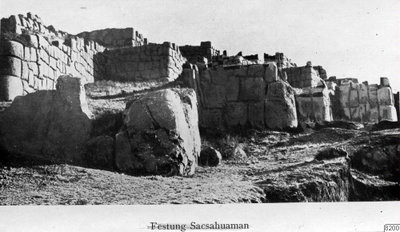
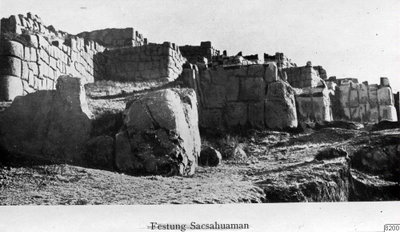
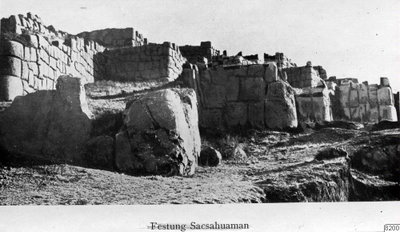
Captioned 'Festung Sacsahuaman,' this 1930 photograph shows the massive zigzagging stone walls of the Sacsayhuaman fortress above Cusco, their interlocking boulders cut and fitted without mortar.
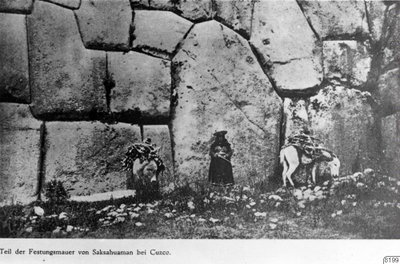
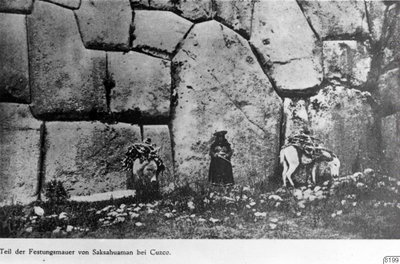
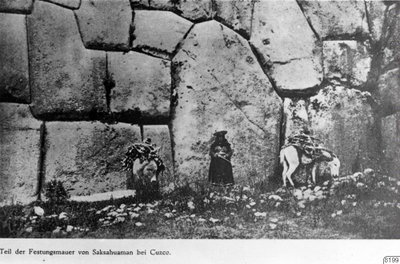
![EU: befästning, del, inkafästning, fästningsmur, fotografi, photograph (1930) [1976888], Cusco, 1930](https://cdn.placewas.com/placewas/8bdab59834104dab946aaf100c5250ea.jpg?width=400)
EU: befästning, del, inkafästning, fästningsmur, fotografi, photograph (1930) [1976888]
1930
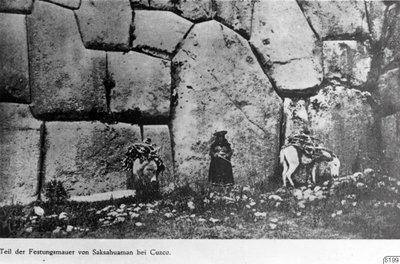
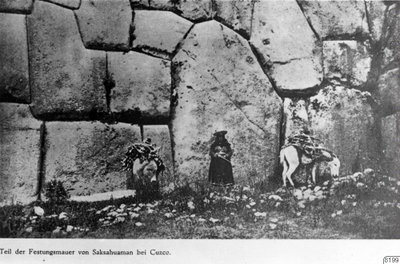
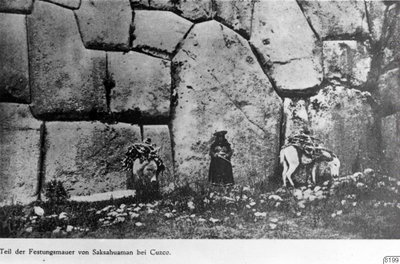
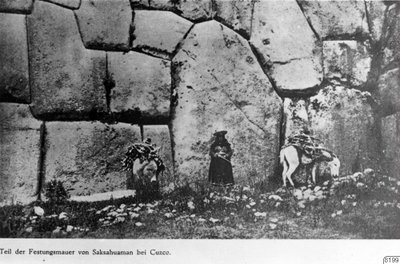
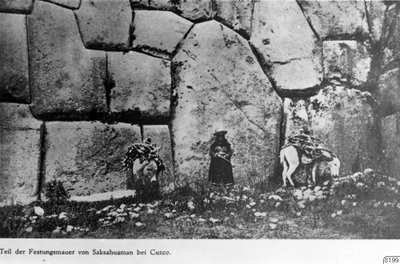
A traveler and two heavily laden pack animals stand dwarfed beside the huge polygonal stones of the Sacsayhuaman wall in this 1930 photograph, captioned 'Teil der Festungsmauer von Saksahuaman bei Cuzco.'
EU: befästning, del, inkafästning, fästningsmur (1930)
1930
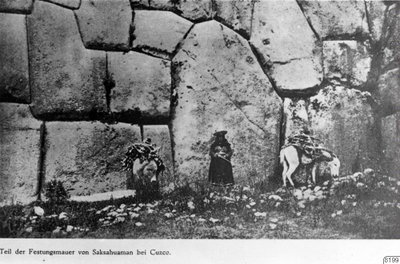
Published with the German caption 'Teil der Festungsmauer von Saksahuaman bei Cuzco,' this 1930 photograph again shows a figure and pack animals beside the fortress's massive stone blocks near Cusco.
EU: Inca fortress wall detail, Cusco (1930)
1930
This 1930 photograph details a section of fortress wall at Sacsayhuaman near Cusco, where enormous stones were cut and fitted together without mortar by Inca builders centuries earlier.
EU: construction and view of fortress, Cusco
1930
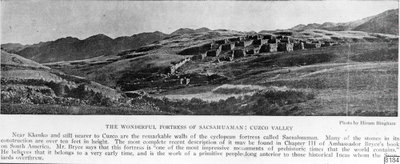
Construction techniques and the layout of the Sacsayhuaman fortress near Cusco are documented in this 1930 view, showing the terraced stone ramparts built during the Inca Empire.
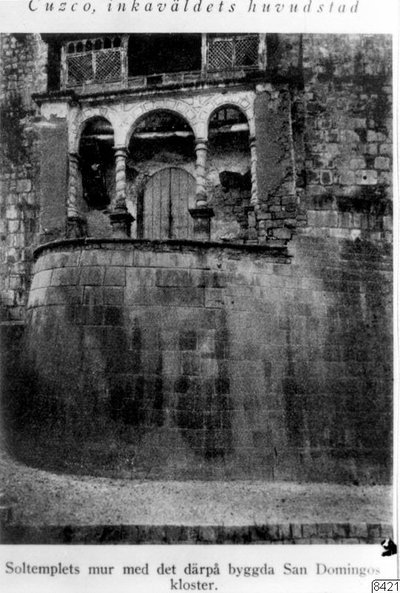
EU: sun temple and monastery, Cusco
1930
Cusco's Qorikancha, the former Inca sun temple later incorporated into a Spanish colonial monastery, appears in this 1930 photograph, illustrating the layered Inca and colonial architecture found throughout the city.
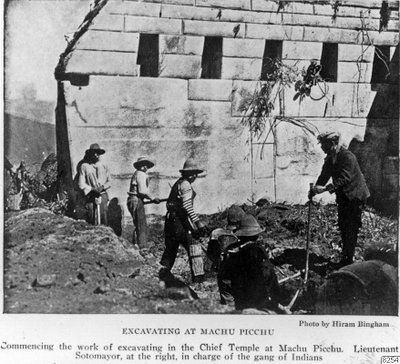
EU: utgrävning, bergstad, inkastad, huvudtempel, fotografi, photograph (1943)
1943
An excavation underway among Inca ruins in the mountains near Cusco, Peru, photographed in 1943, part of the archaeological work uncovering stonework from the former Inca capital's outlying structures.
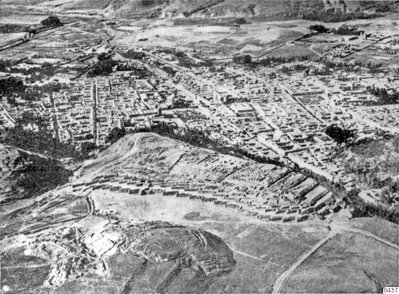
EU: fästning, flygbild, vallar, fotografi, photograph (1943)
1943
An aerial photograph from 1943 showing fortress ramparts near Cusco, once the capital of the Inca Empire high in the Peruvian Andes, whose stonework has drawn visitors and researchers for generations.
EU: utgrävning, bergstad, inkastad, huvudtempel (1943)
1943
Taken in 1943 near Cusco, Peru, this image records archaeological excavation at an Inca mountain settlement, with workers uncovering stone remains identified at the time as the site's main temple. Cusco was the historic capital of the Inca Empire before Spanish colonization.
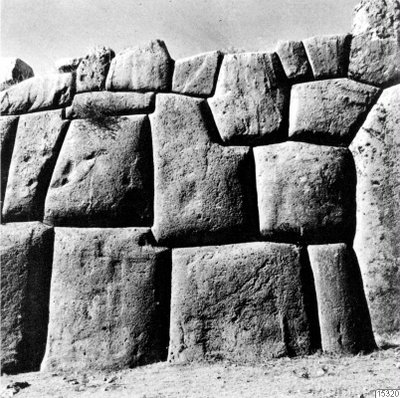
EU: stenmur, sacsayhuaman, fotografi, photograph (1963)
1963
The massive stone walls of Sacsayhuamán above Cusco, Peru, photographed in 1963; the Inca fortress is known for its precisely fitted, oversized stone blocks.
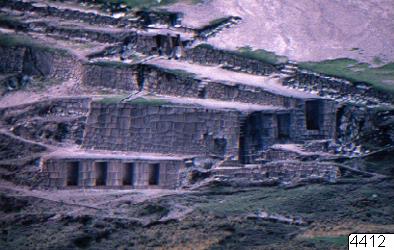
EU: Tambomachay, fotografi, photograph (1980)
1980
Tambomachay, an Inca site near Cusco, Peru known for its carved stone aqueducts and fountains, photographed in 1980. Scholars believe the site served a ceremonial function related to water worship.
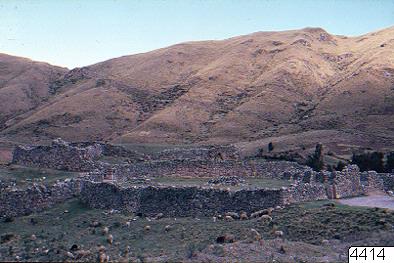
EU: Puca Pucara, fotografi, photograph (1980)
1980
Puka Pukara, a red-walled Inca structure overlooking the road out of Cusco, Peru, photographed in 1980. Its name means 'red fortress' in Quechua, referring to the reddish hue of the stone at sunset.
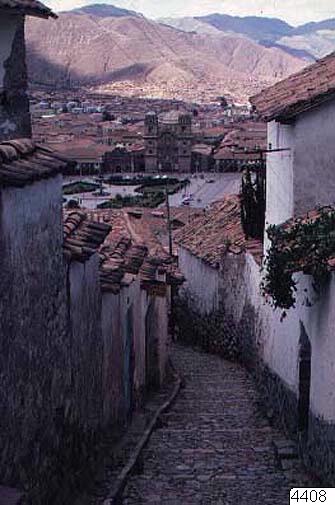
EU: gata, fotografi, photograph (1980)
1980
A street scene in Cusco, Peru, photographed in 1980. The city's colonial-era buildings were often constructed atop Inca stone foundations, a legacy of Cusco's history as the former capital of the Inca Empire.
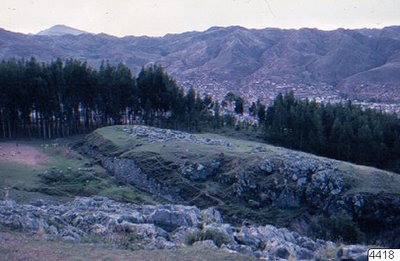
EU: ruin, fästning, fotografi, photograph (1980)
1980
Ancient stone ruins near Cusco, Peru, photographed in 1980. The Cusco region contains numerous Inca-era archaeological sites built from precisely fitted stonework.
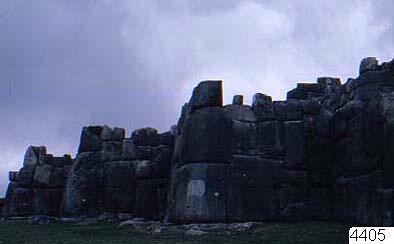
EU: fästning, ruin, fotografi, photograph (1980)
1980
A fortress-like ruin in the Cusco region of Peru, captured in 1980, illustrating the massive stonework characteristic of Inca construction. Sites like this dot the hillsides surrounding the former Inca capital.
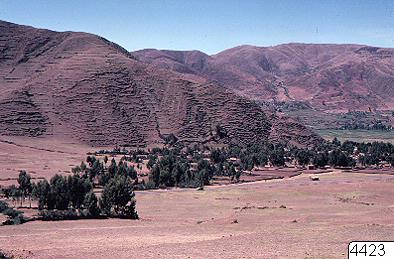
EU: Cusco-Urubamba, fotografi, photograph (1980)
1980
A view along the route between Cusco and Urubamba in Peru's Sacred Valley, photographed in 1980. The valley's fertile terraces made it an agricultural heartland of the Inca Empire.
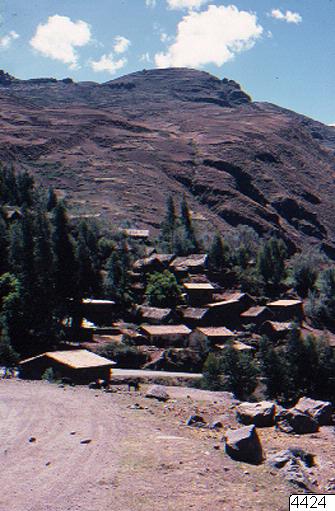
EU: Cusco-Urubamba, fotografi, photograph (1980)
1980
The Cusco-Urubamba road through Peru's Sacred Valley of the Incas, captured in 1980. The route follows the Urubamba River past terraced fields and Inca-era settlements.
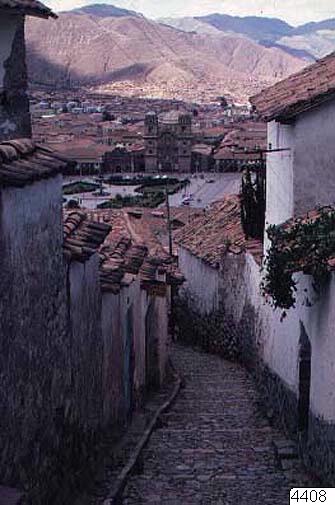
EU: gata, fotografi, photograph (1980)
1980
A 1980 view of a street in Cusco, Peru, the former capital of the Inca Empire high in the Peruvian Andes. Narrow stone-paved streets like this one wind through the city's historic center.
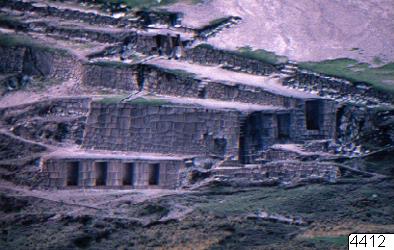
EU: Tambomachay, fotografi, photograph (1980)
1980
A 1980 photograph of the aqueduct terraces at Tambomachay, an Inca water sanctuary in the hills above Cusco, Peru. The finely cut stone channels are often cited as an example of sophisticated Inca hydraulic engineering.
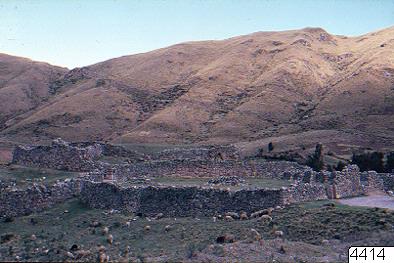
EU: Puca Pucara, fotografi, photograph (1980)
1980
Terraced stonework at Puka Pukara near Cusco, Peru, captured in 1980. The complex is thought to have served as a checkpoint or resting place along an Inca road.
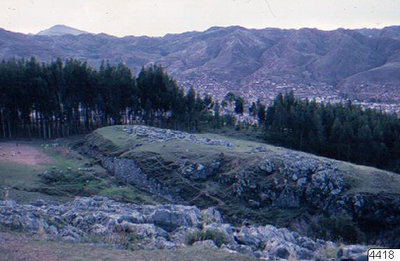
EU: ruin, fästning, fotografi, photograph (1980)
1980
Another 1980 photograph of stone ruins in the countryside around Cusco, Peru. The Sacred Valley surrounding the city is dense with Inca-era archaeological remains.
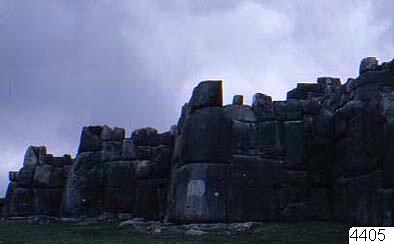
EU: fästning, ruin, fotografi, photograph (1980)
1980
Weathered stone walls at an archaeological ruin near Cusco, Peru, photographed in 1980. Centuries of Andean weather have left their mark on the fitted Inca masonry.
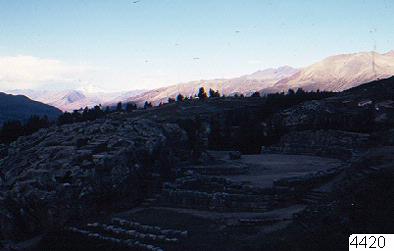
EU: Qenqo, fotografi, photograph (1980)
1980
Q'enqo, an Inca rock shrine near Cusco, Peru, photographed in 1980. The site features carved channels and chambers cut directly into the outcrop, believed to have been used for ritual purposes.
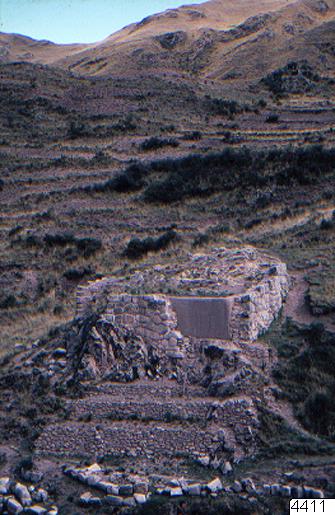
EU: Puca Pucara, fotografi, photograph (1980)
1980
A view of the Puka Pukara ruins near Cusco, Peru, taken in 1980, showing the site's stepped stone platforms. The structure sits along the old Inca road linking Cusco with the surrounding highlands.
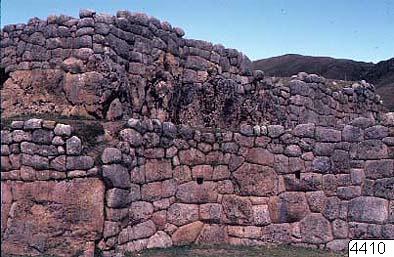
EU: Puca Pucara, fotografi, photograph (1980)
1980
Another 1980 photograph of Puka Pukara, the Inca ruin near Cusco, Peru, whose reddish rock walls give the site its Quechua name. Its elevated position offered clear views over the approaches to the Inca capital.
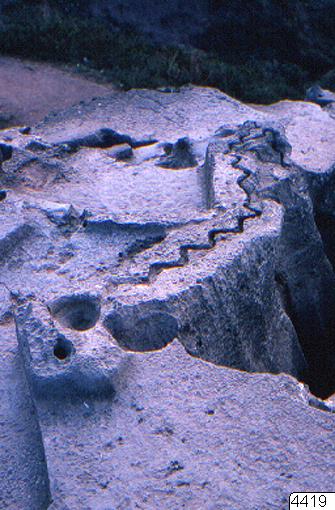
EU: Qenqo, fotografi, photograph (1980)
1980
Q'enqo, an Inca archaeological site near Cusco, Peru, photographed in 1980. The site is known for its limestone outcrop carved with niches, channels and a small amphitheater.
![EU: Qenqo, fotografi, photograph (1980) [2], Cusco, 1980](https://cdn.placewas.com/placewas/4ffa4e5a16be4483a7a1d7107dd0adfb.jpg?width=400)
EU: Qenqo, fotografi, photograph (1980) [2]
1980
Another 1980 photograph of Q'enqo, the Inca rock sanctuary outside Cusco, Peru, showing further detail of its carved limestone terrain.
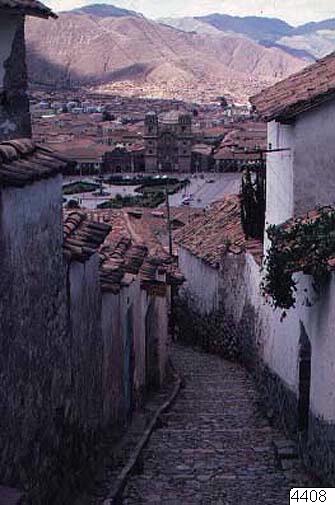
EU: gata, fotografi, photograph - Cusco (1980)
1980
A street scene in Cusco, the former capital of the Inca Empire and now a major Andean city, photographed in 1980 before the historic core drew today's volume of tourism.
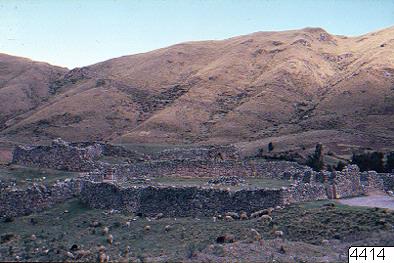
EU: Puca Pucara, fotografi, photograph - (1980)
1980
Puca Pucara, an Inca-era archaeological site on the outskirts of Cusco believed to have served military and ceremonial purposes, appears in this 1980 photograph taken during a visit to the region.
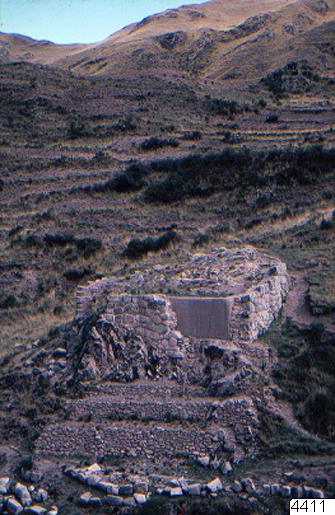
EU: Puca Pucara, fotografi, photograph - (1980)
1980
A second 1980 photograph of Puca Pucara near Cusco shows the terraced stone structures of this former Inca military and ceremonial outpost overlooking the surrounding valley.
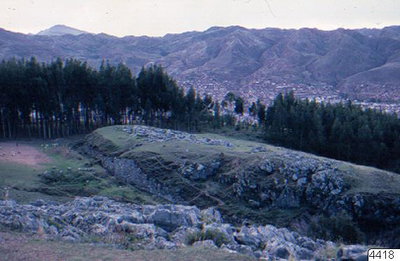
EU: ruin, fästning, fotografi, photograph - Cusco (1980)
1980
Stone ruins of a fortification near Cusco, likely dating to the Inca period, were photographed in 1980 amid the Andean landscape that surrounds the former imperial capital.
![EU: Cusco-Urubamba, fotografi, photograph (1980) [514494], Cusco, 1980](https://cdn.placewas.com/placewas/2b1ce31dde824450a5a2557bac6532ee.jpg?width=400)
EU: Cusco-Urubamba, fotografi, photograph (1980) [514494]
1980
The Urubamba valley near Cusco, part of the Sacred Valley of the Incas, is captured in this 1980 photograph of the agricultural landscape long cultivated by Andean communities.
![EU: Cusco-Urubamba, fotografi, photograph (1980) [514498], Cusco, 1980](https://cdn.placewas.com/placewas/e99e23d8755a49efb04c9485a9dee43b.jpg?width=400)
EU: Cusco-Urubamba, fotografi, photograph (1980) [514498]
1980
A further 1980 view over the Urubamba valley shows the terraced farmland and mountains that characterize the Sacred Valley near Cusco, a region central to Inca agriculture.
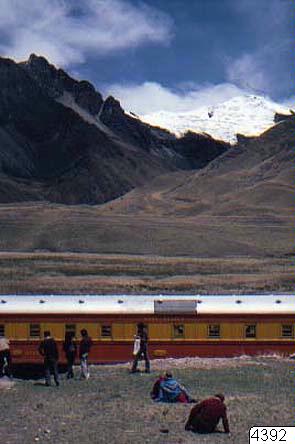
EU: Landskapsbild, tåg, fotografi, photograph (1980)
1980
A train makes its way through the landscape near Cusco in this 1980 photograph, likely along the rail line connecting the city with towns of the Sacred Valley to the northwest.
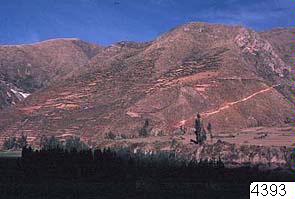
EU: terrassodlingar, fotografi, photograph (1980)
1980
Agricultural terraces near Cusco, built in the Inca period to farm the steep Andean slopes and still worked today, are shown in this 1980 photograph of the region's countryside.
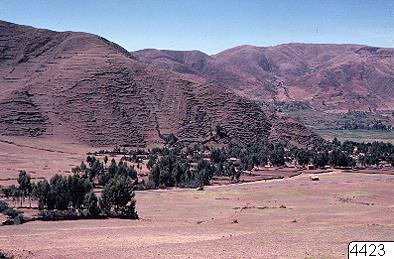
EU: Cusco-Urubamba, fotografi, photograph #514494 (1980)
1980
This 1980 image, numbered 514494, again shows the Urubamba valley near Cusco, with its terraced slopes and mountain backdrop forming part of the Sacred Valley of the Incas.
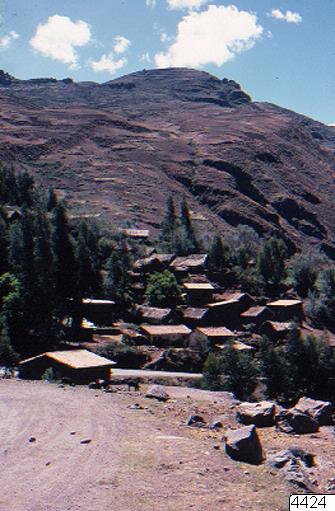
EU: Cusco-Urubamba, fotografi, photograph #514498 (1980)
1980
Numbered 514498, this companion 1980 photograph documents another angle of the Urubamba valley in the Sacred Valley of the Incas near Cusco, a region prized for its fertile land.
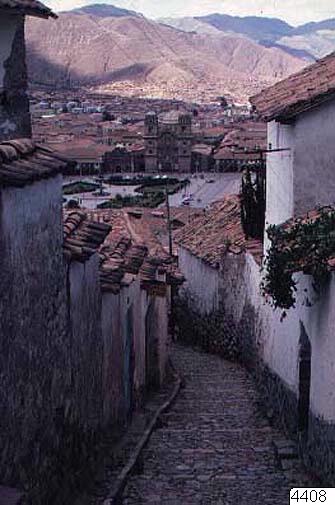
EU: gata, fotografi, photograph #514434 (1980)
1980
A 1980 street view of Cusco, catalogued as 514434, records everyday life in the former Inca capital, whose colonial-era streets were built directly atop Inca stone foundations.
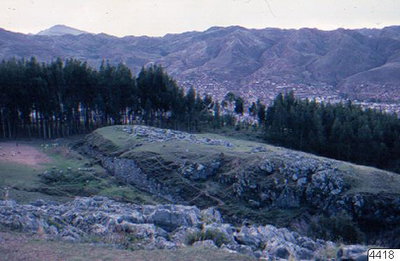
EU: ruin, fästning, fotografi, photograph #514470 (1980)
1980
Catalogued as 514470, this 1980 photograph shows fortress-like ruins in the hills around Cusco, part of the network of Inca stonework that surrounds the former imperial city.
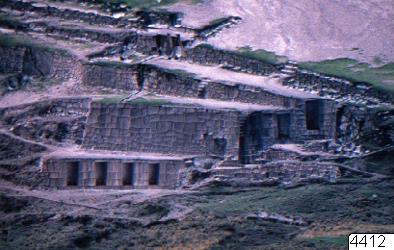
EU: Tambomachay, fotografi, photograph #514454 (1980)
1980
Tambomachay, an Inca archaeological site near Cusco associated with carved stone channels and ceremonial baths fed by a natural spring, is pictured here in 1980.
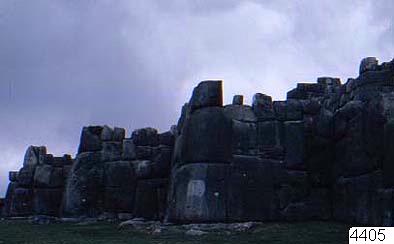
EU: fästning, ruin, fotografi, photograph #514422 (1980)
1980
This 1980 photograph, numbered 514422, shows further ruins of a fortification in the Cusco area, part of the extensive Inca stonework surrounding the former Andean capital.
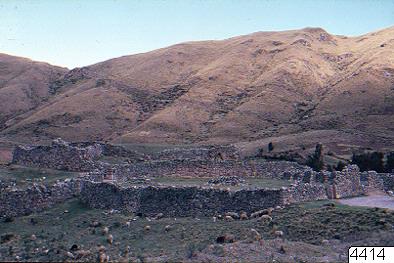
EU: Puca Pucara, fotografi, photograph #514462 (1980)
1980
Numbered 514462, this photograph revisits Puca Pucara near Cusco, an Inca-era archaeological complex thought to have guarded an approach to the imperial capital, as it appeared in 1980.
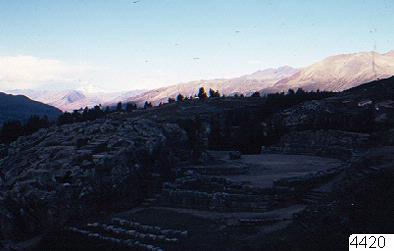
EU: Qenqo, fotografi, photograph #514482 (1980)
1980
Qenqo, an Inca site near Cusco carved into and built around a natural limestone outcrop, believed to have served ceremonial functions, was photographed here in 1980.
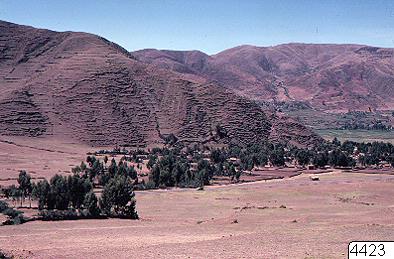
EU: Cusco-Urubamba, fotografi, photograph (1980)
1980
A view along the Cusco–Urubamba route in Peru's Sacred Valley, photographed in 1980, a region dotted with Inca-era terraces and settlements.
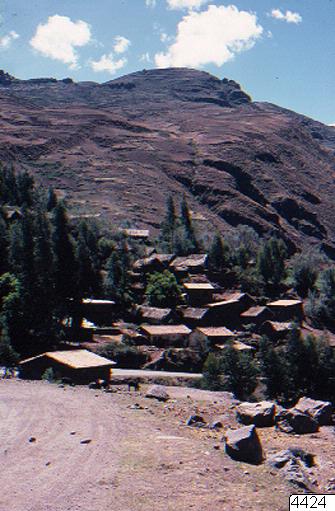
EU: Cusco-Urubamba, fotografi, photograph (1980) #2
1980
A second photograph from the same 1980 journey along the Cusco–Urubamba road, tracing the Sacred Valley below the old Inca heartland.
![EU: gata, fotografi, photograph (1980) [116040], Cusco, 1980](https://cdn.placewas.com/placewas/a4c23a6b9c8447f291ee2d97bdfba667.jpg?width=400)
EU: gata, fotografi, photograph (1980) [116040]
1980
A street in Cusco, Peru, photographed in 1980. Cusco, the historic capital of the Inca Empire, sits high in the Andes at over 3,000 meters above sea level.
![EU: Tambomachay, fotografi, photograph (1980) [116044], Cusco, 1980](https://cdn.placewas.com/placewas/4167398d8815442595b7757d6759f007.jpg?width=400)
EU: Tambomachay, fotografi, photograph (1980) [116044]
1980
Tambomachay, an Inca ceremonial site near Cusco known for its carefully engineered stone water channels, photographed in 1980. The site is often referred to as the Inca's baths.
![EU: Puca Pucara, fotografi, photograph (1980) [116046], Cusco, 1980](https://cdn.placewas.com/placewas/9fc70988b5f64363bdaaffe321d84e0b.jpg?width=400)
EU: Puca Pucara, fotografi, photograph (1980) [116046]
1980
Puka Pukara, an Inca-era stone complex near Cusco often described as a military checkpoint guarding the approach to the city, photographed in 1980.
![EU: ruin, fästning, fotografi, photograph (1980) [116050], Cusco, 1980](https://cdn.placewas.com/placewas/a69c42ac799a444a99975b4921fd1903.jpg?width=400)
EU: ruin, fästning, fotografi, photograph (1980) [116050]
1980
The stone ruins of a fortress near Cusco, Peru, photographed in 1980, in a region dense with surviving Inca and colonial-era stonework.
![EU: Qenqo, fotografi, photograph (1980) [116052], Cusco, 1980](https://cdn.placewas.com/placewas/d8bc4dd37f234923ad1ce1f930325db9.jpg?width=400)
EU: Qenqo, fotografi, photograph (1980) [116052]
1980
Q'enqo, a carved Inca ceremonial rock and huaca near Cusco, photographed in 1980. The site's channels and chambers are thought to have been used for ritual purposes.
![EU: terrassodlingar, fotografi, photograph (1980) [116025], Cusco, 1980](https://cdn.placewas.com/placewas/97adc46f8c5440448f19838a2748eb52.jpg?width=400)
EU: terrassodlingar, fotografi, photograph (1980) [116025]
1980
Agricultural terraces of Inca origin near Cusco, Peru, photographed in 1980. Such terraces, built into steep Andean slopes, allowed farming across a range of altitudes and microclimates.
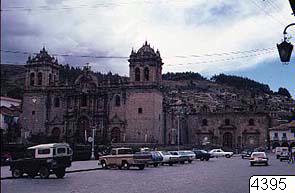
EU: Katedral, El Triumfa, fotografi, photograph (1980)
1980
Cusco Cathedral together with the adjoining Church of El Triunfo, built on the site of the first Christian church raised in the city after the Spanish conquest, photographed in 1980.
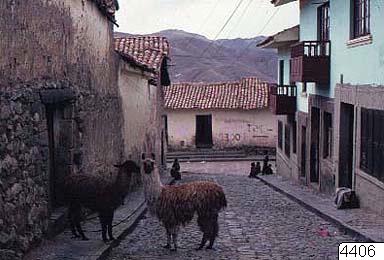
EU: Pumacuru, fotografi, photograph (1980)
1980
Pumacuru, a site in Cusco, Peru, photographed in 1980, in the former capital of the Inca Empire high in the Peruvian Andes.
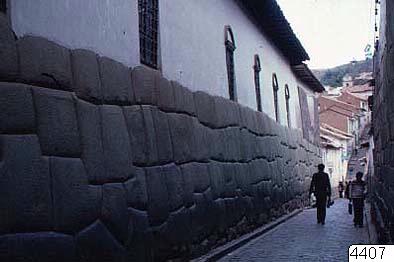
EU: Calle Loreto, fotografi, photograph (1980)
1980
Calle Loreto in Cusco, a narrow street lined with Inca-era stone walls near the Qoricancha, the empire's most sacred temple, photographed in 1980.
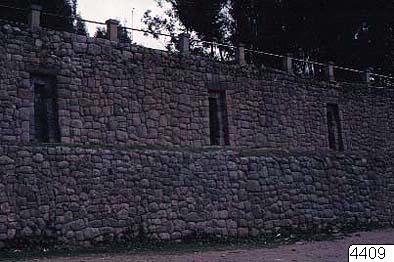
EU: Colcampata, fotografi, photograph (1980)
1980
Colcampata, a hillside site in Cusco traditionally linked to the city's Inca founding, photographed in 1980.
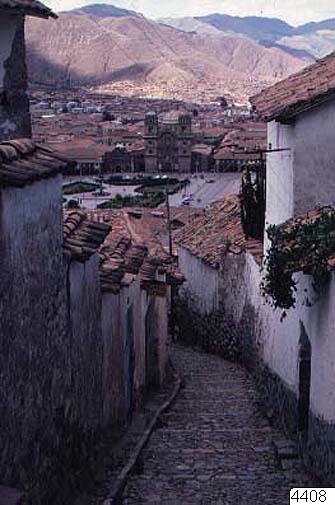
EU: gata, fotografi, photograph (SMVK_VKM_fotografi_116040) (1980)
1980
A street scene in Cusco, Peru, photographed in 1980. Once the capital of the Inca Empire, Cusco's old town still combines Inca stone foundations with colonial-era buildings raised above them after the Spanish conquest.
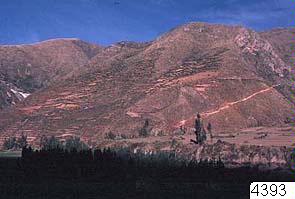
EU: terrassodlingar, fotografi, photograph (SMVK_VKM_fotografi_116025) (1980)
1980
Agricultural terraces near Cusco, Peru, photographed in 1980. The Inca built extensive stepped terraces across the surrounding mountainsides to farm at high altitude, and many of them remain in use today.
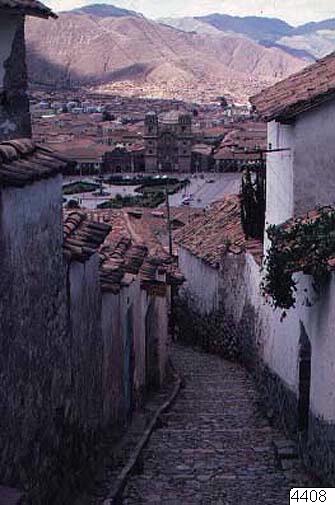
EU: Street, Cusco, photograph (1980)
1980
A Cusco street captured in 1980. The Peruvian city served first as capital of the Inca Empire, then became a major center of Spanish colonial rule in the Andes after the 1530s conquest.
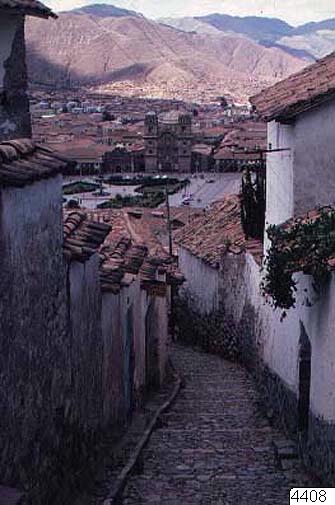
EU: gata, fotografi, photograph street, photography, ph gata, fotografi, photograph (1980)
1980
A street scene in Cusco, Peru, photographed in 1980. Once the capital of the Inca Empire, the city's streets combine Inca stone foundations with Spanish colonial-era buildings above them.
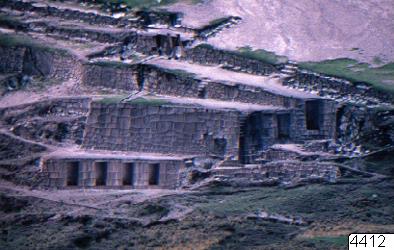
EU: Tambomachay, fotografi, photograph Tambomachay, photography, Tambomachay, fotografi, photograph (1980)
1980
Tambomachay, an Inca archaeological site near Cusco known for its stone aqueducts and ceremonial fountains, photographed in 1980. The site is generally thought to have served a role in Inca water worship.
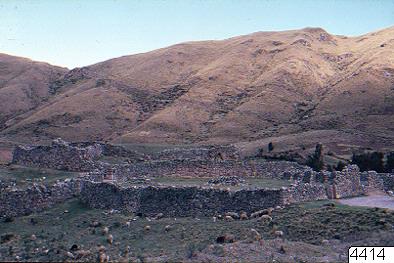
EU: Puca Pucara, fotografi, photograph Puca Pucara, fotografi, photograph Puca Pucara, photography, Puph (1980)
1980
Puka Pukara, a set of Inca military ruins near Cusco along the old road to the Sacred Valley, pictured in 1980. Its name means 'red fort' in Quechua, after the reddish hue of its stone walls.
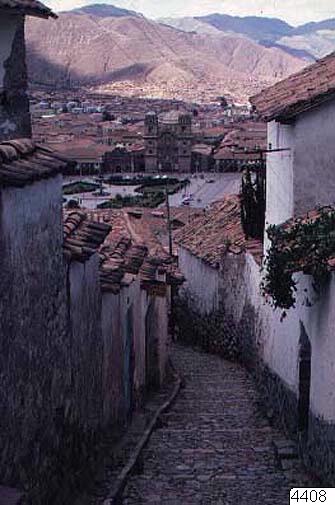
EU: gata, fotografi, photograph (1980) #116040
1980
A street in Cusco, Peru, photographed in 1980. Many of the city's streets follow the stone foundations of the Inca capital of Tawantinsuyu, overlaid by colonial-era buildings after the Spanish conquest.
EU: Tambomachay, fotografi, photograph (1980) #116044
1980
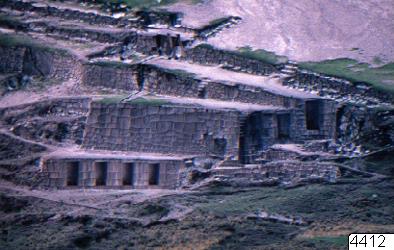
Tambomachay, an Inca archaeological site near Cusco, Peru, photographed in 1980. The site is built around a series of stone aqueducts and fountains and is thought to have served ceremonial or ritual functions related to water.
EU: Puca Pucara, fotografi, photograph (1980) #116046
1980
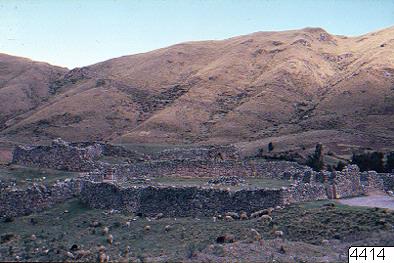
Puka Pukara, an Inca fortification near Cusco, Peru, seen in 1980. Its name means 'red fortress' in Quechua, a reference to the reddish hue the stonework takes on at certain times of day, and it likely served as a checkpoint along the road to Cusco.
EU: ruin, fästning, fotografi, photograph (1980) #116050
1980
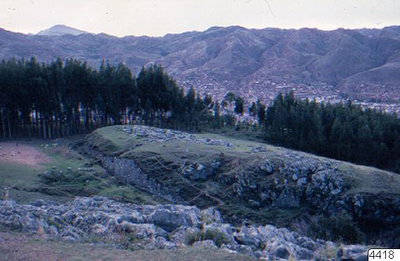
A ruined fortress near Cusco, Peru, photographed in 1980. The Cusco region preserves numerous Inca military and ceremonial structures built from precisely cut stone, many later damaged during the Spanish conquest.
EU: terrassodlingar, fotografi, photograph (1980) #116025
1980
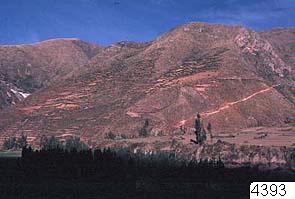
Agricultural terraces near Cusco, Peru, photographed in 1980. The Inca built extensive stepped terraces, or andenes, into the hillsides of the Sacred Valley to expand arable land and control erosion on steep terrain.
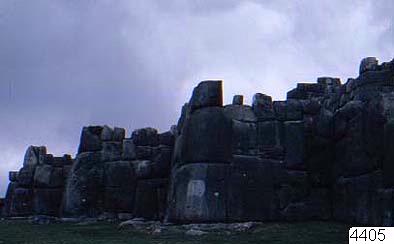
EU: fästning, ruin, fotografi, photograph (1980) #116037
1980
A ruined fortress near Cusco, Peru, seen in 1980. Fortifications of this kind, built from massive fitted stone blocks, guarded the approaches to the Inca capital and remain among the region's best-known archaeological remains.
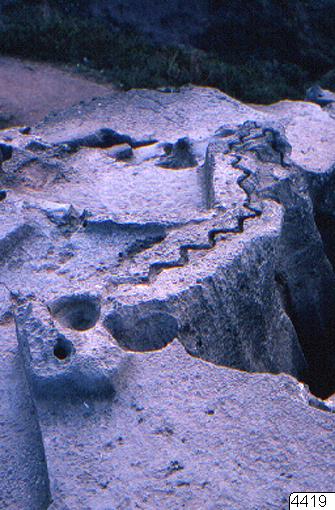
EU: Qenqo, fotografi, photograph (1980) #116051
1980
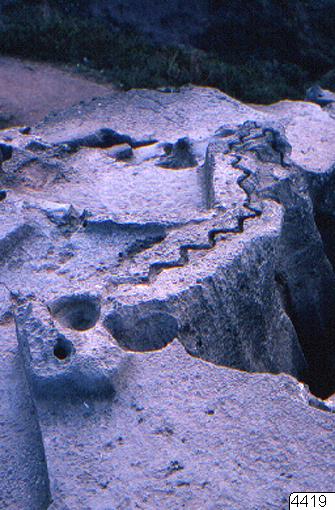
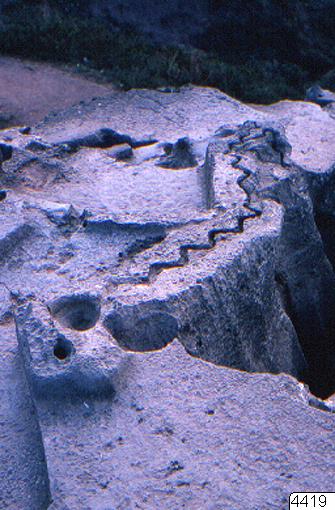
Qenqo, an Inca ceremonial site near Cusco, Peru, photographed in 1980. Carved directly into limestone bedrock, the site includes a zigzag channel and an underground chamber thought to have been used for ritual purposes.
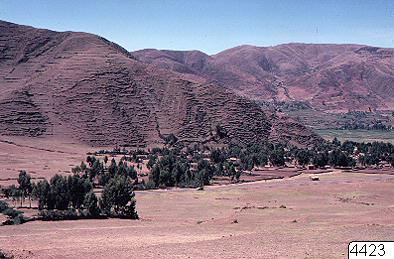
EU: Cusco-Urubamba, fotografi, photograph Cusco
1980
This 1980 photograph was taken in the Urubamba area near Cusco, Peru, in the Sacred Valley of the Inca heartland, once agricultural and ceremonial ground for the Inca empire.
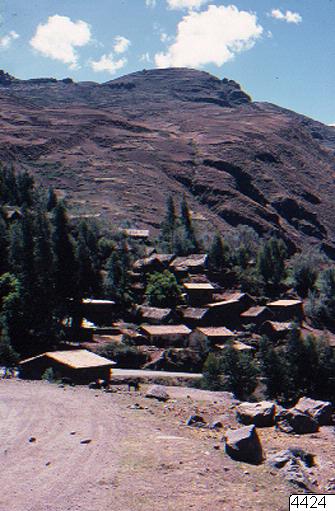
EU: Cusco-Urubamba, fotografi, photograph Cusco
1980
Another 1980 photograph from the Cusco-Urubamba region of Peru documents the landscape of the Sacred Valley, long the agricultural core of the former Inca empire.
EU: Qenqo, fotografi, photograph Qenqo, photography, Qenqo, fotografi, photograph (1980 #514474)
1980
This 1980 photograph shows Q'enqo, an Inca archaeological site near Cusco, Peru, carved from a large outcrop of limestone and thought to have had a ceremonial function.
EU: Qenqo, fotografi, photograph Qenqo, photography, Qenqo, fotografi, photograph (1980 #514482)
1980
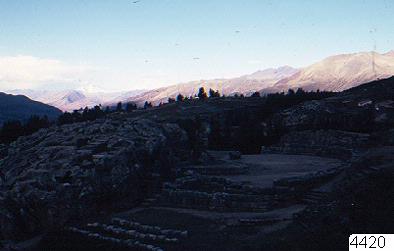
Another 1980 image records Q'enqo, the carved limestone Inca site outside Cusco, Peru, believed to have served ritual purposes in Inca times.
EU: Puca Pucara, fotografi, photograph Puca Pucara, photography, Puph Puca Pucara, fotografi, photograph (1980 #514450)
1980
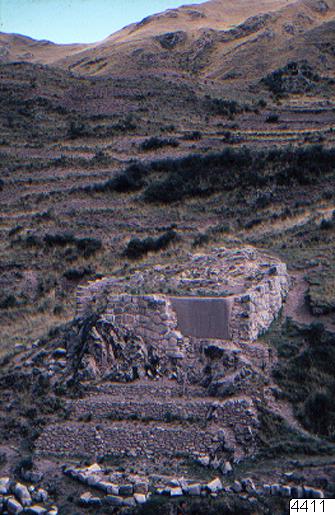
This 1980 photograph shows Puka Pukara, an Inca structure near Cusco, Peru, believed to have served as a checkpoint or garrison along the road to the Sacred Valley.
EU: Puca Pucara, fotografi, photograph Puca Pucara, photography, Puph Puca Pucara, fotografi, photograph (1980 #514446)
1980
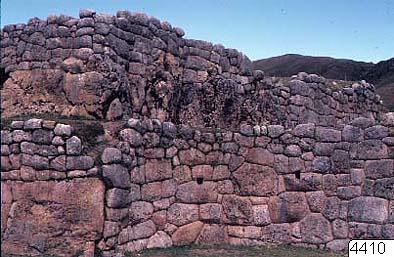
Another 1980 view of Puka Pukara near Cusco, Peru, shows the reddish stone walls that give the site its name, meaning 'red fortress' in Quechua.
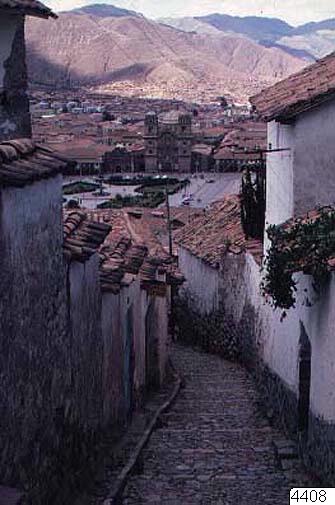
EU: Brant gata i norra Cusco (1980)
1980
A steep street in the northern part of Cusco, Peru, photographed in 1980. Cusco's old town preserves narrow, sloping streets laid out over the foundations of the former Inca capital, a layout that has survived centuries of rebuilding.
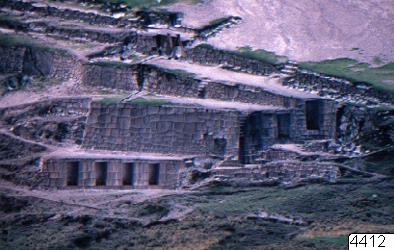
EU: Tambomachay, ancient Inca site near Cusco (1980)
1980
Tambomachay, an Inca archaeological site near Cusco, Peru, photographed in 1980. Its stone terraces and channels are associated with a ceremonial water system built by the Inca, and the site is sometimes called the Bath of the Inca.
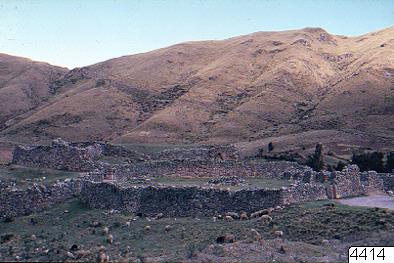
EU: Puca Pucara, ancient Inca fortress near Cusco (1980)
1980
Puca Pucara, an Inca-era structure near Cusco, Peru, photographed in 1980. Its name means 'red fortress' in Quechua, referring to the reddish hue of the stone at sunset, and the site sits along the old road leading out of Cusco.
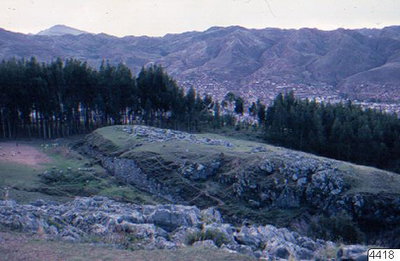
EU: Sacsayhuaman fortress with Cusco in background (1980)
1980
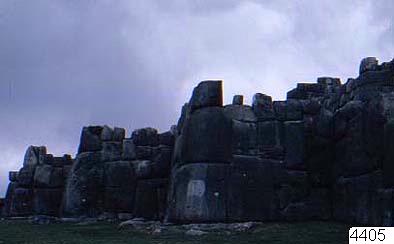
The Inca fortress of Sacsayhuaman, with the city of Cusco visible in the background, photographed in 1980. Its massive interlocking stone walls, built without mortar, are among the best-known examples of Inca masonry in the Andes.
EU: Sacsayhuaman fortress ruins, Cusco (1980)
1980
Ruins of the Sacsayhuaman fortress above Cusco, Peru, photographed in 1980. The site was built using enormous stone blocks fitted together without mortar, a construction technique characteristic of major Inca monuments.
EU: Qenqo, ancient Inca site near Cusco (1980)
1980
Qenqo, an Inca ceremonial site near Cusco, Peru, photographed in 1980. The site features a carved limestone outcrop with channels thought to have been used in ritual observances, possibly connected to agricultural or astronomical practices.
EU: Tambomachay, fotografi (1980)
1980
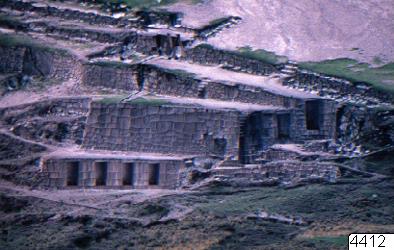
Another 1980 photograph of Tambomachay near Cusco, Peru, showing the Inca site's stone aqueducts and fountains, sometimes referred to as the Bath of the Inca, built to channel a natural spring.
EU: Puca Pucara, fotografi (1980)
1980
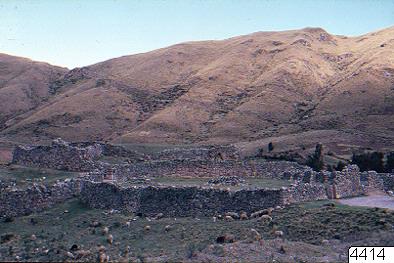
A further 1980 photograph of Puca Pucara near Cusco, Peru, the Inca-era complex whose name refers to its reddish stonework and which is thought to have functioned as a checkpoint along the road to the Sacred Valley.
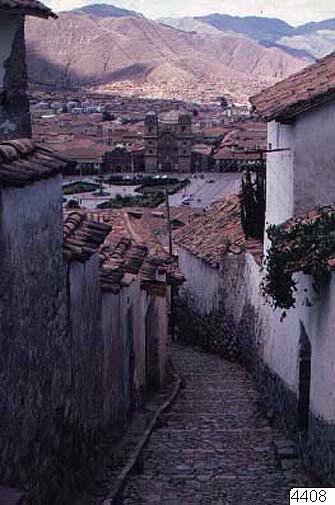
EU: gata (street), fotografi (1980)
1980
A street in Cusco, Peru, photographed in 1980, in a city whose colonial-era buildings were largely constructed atop Inca stone foundations that still form the base of many walls today.
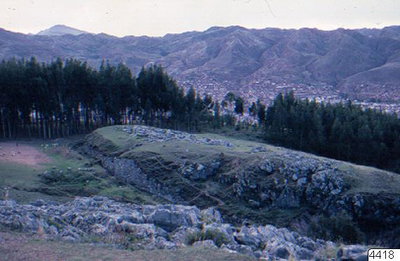
EU: ruin, fastning (fortress ruin), fotografi (1980)
1980
Fortress ruins near Cusco, Peru, photographed in 1980, part of the network of Inca sites - including Sacsayhuaman, Qenqo, and Puca Pucara - that ring the former Inca capital.
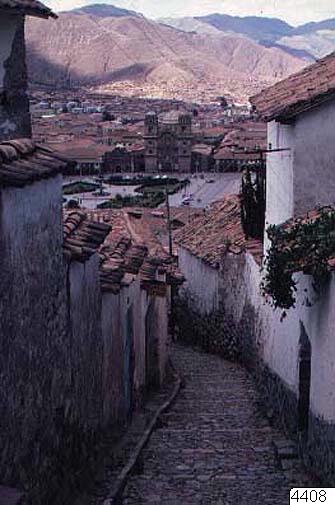
EU: gata, fotografi, photograph, Cusco (1980)
1980
A 1980 photograph of a street in Cusco, Peru, the former capital of the Inca Empire and later a major city of Spanish colonial South America. Cusco's streets still follow much of the original Inca layout, with colonial buildings often built atop Inca stone foundations.
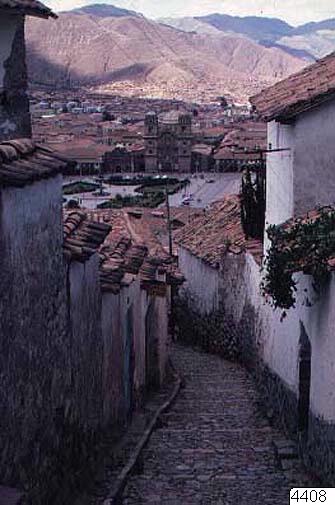
EU: gata, fotografi, photograph (1980)
1980
A street scene in Cusco, Peru, photographed in 1980. Once the capital of the Inca Empire, Cusco retains a townscape combining Inca stone foundations with later Spanish colonial construction, a layering visible throughout its historic center.
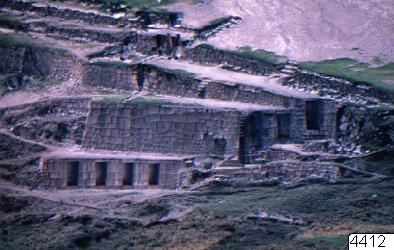
EU: Tambomachay, fotografi, photograph (1980)
1980
Tambomachay, an Inca archaeological site outside Cusco, Peru, photographed in 1980. Known as the 'Inca's bath,' it features carved stone channels and aqueducts believed to have been used in ceremonies devoted to the worship of water.
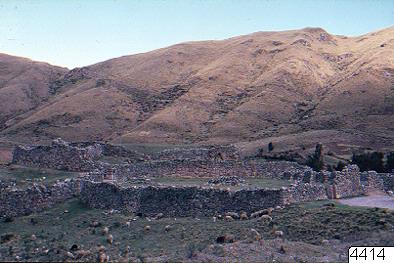
EU: Puca Pucara, fotografi, photograph (1980)
1980
Puca Pucara, an Inca ruin near Cusco, Peru, in 1980. Its name means 'red fortress' in Quechua, referring to the reddish hue the stone takes on at certain times of day; it is thought to have served as a checkpoint along the road to the Sacred Valley.
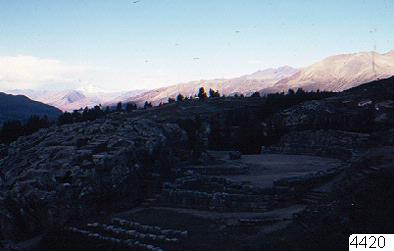
EU: Qenqo, fotografi, photograph (1980)
1980
Qenqo, an Inca site carved into limestone bedrock near Cusco, Peru, photographed in 1980. The complex includes zigzagging channels cut into the rock, long thought to have been used in ceremonies involving chicha or sacrificial liquids poured through the carved grooves.
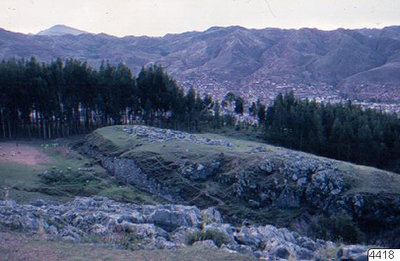
EU: ruin, fästning, fotografi, photograph (1980)
1980
Inca-era fortress ruins in the hills above Cusco, Peru, photographed in 1980, part of the same group of archaeological sites that includes Tambomachay, Puca Pucara, and Qenqo, all reachable on a well-worn circuit above the city.
![EU: Cusco-Urubamba, fotografi, photograph (1980 [SMVK_VKM_fotografi_116055]), Cusco, 1980](https://cdn.placewas.com/placewas/568ac4055009443ca2c856ea7641e488.jpg?width=400)
EU: Cusco-Urubamba, fotografi, photograph (1980 [SMVK_VKM_fotografi_116055])
1980
A scene along the route between Cusco and Urubamba, Peru, photographed in 1980. Urubamba lies in the Sacred Valley northwest of Cusco, a fertile corridor of the Andes once central to Inca agriculture and settlement.
![EU: gata, fotografi, photograph (1980 [SMVK_VKM_fotografi_116040]), Cusco, 1980](https://cdn.placewas.com/placewas/b1e7ca0e194b4759a9be25889b5168c7.jpg?width=400)
EU: gata, fotografi, photograph (1980 [SMVK_VKM_fotografi_116040])
1980
Another street view of Cusco, Peru, captured in 1980. The city's old quarters still combine colonial-era buildings with the massive, precisely fitted stone walls the Inca originally laid out centuries before the Spanish conquest.
![EU: Tambomachay, fotografi, photograph (1980 [SMVK_VKM_fotografi_116044]), Cusco, 1980](https://cdn.placewas.com/placewas/c6f151f6e5014ae4b353a275041cbc01.jpg?width=400)
EU: Tambomachay, fotografi, photograph (1980 [SMVK_VKM_fotografi_116044])
1980
The Inca site of Tambomachay near Cusco, seen again in this 1980 photograph. Its stepped stone terraces and water channels are thought to have served a ritual function tied to the veneration of water, a recurring theme in Inca religious sites.
![EU: Puca Pucara, fotografi, photograph (1980 [SMVK_VKM_fotografi_116046]), Cusco, 1980](https://cdn.placewas.com/placewas/674f34b676654852883fe0238d19e642.jpg?width=400)
EU: Puca Pucara, fotografi, photograph (1980 [SMVK_VKM_fotografi_116046])
1980
A 1980 photograph of Puca Pucara outside Cusco. The complex's terraces and walls overlook the approach from the Sacred Valley and are generally understood to have served a defensive or administrative purpose for the Inca state.
![EU: ruin, fästning, fotografi, photograph (1980 [SMVK_VKM_fotografi_116050]), Cusco, 1980](https://cdn.placewas.com/placewas/e29665a2a4ce4684860b3cc0f609b76a.jpg?width=400)
EU: ruin, fästning, fotografi, photograph (1980 [SMVK_VKM_fotografi_116050])
1980
Stone fortress walls from the Inca period above Cusco, pictured again in 1980. Structures like this one, built from massive interlocking blocks fitted without mortar, are found throughout the ruins that ring the former Inca capital.
![EU: fästning, ruin, fotografi, photograph (1980 [SMVK_VKM_fotografi_116037]), Cusco, 1980](https://cdn.placewas.com/placewas/f7485f908851404e9ff63c76380a6326.jpg?width=400)
EU: fästning, ruin, fotografi, photograph (1980 [SMVK_VKM_fotografi_116037])
1980
Another 1980 photograph of fortress ruins near Cusco, Peru, showing the large, precisely cut stones characteristic of Inca military and ceremonial architecture in the hills surrounding the former capital.
![EU: terrassodlingar, fotografi, photograph (1980 [SMVK_VKM_fotografi_116025]), Cusco, 1980](https://cdn.placewas.com/placewas/151e60f062484d8bb9d21fff53d8c1e9.jpg?width=400)
EU: terrassodlingar, fotografi, photograph (1980 [SMVK_VKM_fotografi_116025])
1980
Agricultural terraces, or andenes, near Cusco, Peru, photographed in 1980. The Inca built such stepped terraces into hillsides throughout the region to expand available farmland and control soil erosion at high altitude.
![EU: Qenqo, fotografi, photograph (1980 [SMVK_VKM_fotografi_116051]), Cusco, 1980](https://cdn.placewas.com/placewas/50fce8d7dd874925a011d5e400215d4a.jpg?width=400)
EU: Qenqo, fotografi, photograph (1980 [SMVK_VKM_fotografi_116051])
1980
The rock-carved site of Qenqo near Cusco, seen in this 1980 photograph. Its amphitheater-like hollow and carved channels mark it as one of the more unusual Inca ceremonial sites in the hills surrounding the former capital.
![EU: Qenqo, fotografi, photograph (1980 [SMVK_VKM_fotografi_116052]), Cusco, 1980](https://cdn.placewas.com/placewas/7814abf90fac4ea9975f2df72ed7abc3.jpg?width=400)
EU: Qenqo, fotografi, photograph (1980 [SMVK_VKM_fotografi_116052])
1980
Another 1980 view of Qenqo outside Cusco, Peru. The outcrop's carved niches and channels have long been associated with Inca ritual practice, though scholars continue to debate the site's precise original function.
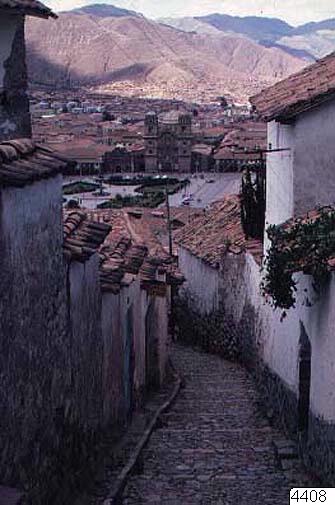
EU: Cusco street (1980)
1980
Daily life along a street in Cusco, Peru, in 1980. The former Inca capital sits high in the Andes at over 3,300 meters and has long drawn visitors to a historic center where colonial facades sit atop Inca-era stonework.
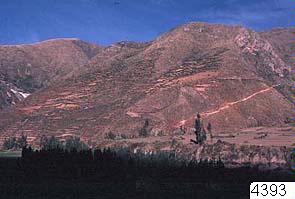
EU: Cusco terrace fields (1980)
1980
Stepped terrace fields near Cusco, seen in this 1980 photograph. Andean terracing of this kind allowed crops to be grown across a range of elevations and microclimates around the former Inca capital, a system still in use today.
![EU: Cusco-Urubamba, fotografi, photograph (1980 [116055]), Cusco, 1980](https://cdn.placewas.com/placewas/d924b66272e2482a9ad44bd1eb219f67.jpg?width=400)
EU: Cusco-Urubamba, fotografi, photograph (1980 [116055])
1980
A view of the Urubamba region near Cusco, Peru, photographed in 1980. Also known as the Sacred Valley, the area was central to Inca agriculture and settlement.
![EU: Cusco-Urubamba, fotografi, photograph (1980 [116056]), Cusco, 1980](https://cdn.placewas.com/placewas/a49ac831d5ed48948ea89a8ebbb584b2.jpg?width=400)
EU: Cusco-Urubamba, fotografi, photograph (1980 [116056])
1980
Another photograph of the Cusco-Urubamba area of Peru from 1980, part of the highland valley the Inca once prized for its fertile land and mild climate.
![EU: Puca Pucara, fotografi, photograph (1980 [116046]), Cusco, 1980](https://cdn.placewas.com/placewas/8e21191d32ac4be78297ca0ff2efef9e.jpg?width=400)
EU: Puca Pucara, fotografi, photograph (1980 [116046])
1980
Puka Pukara, an Inca military and ceremonial site outside Cusco, photographed in 1980. Its reddish stone walls give the site its name, meaning 'red fortress' in Quechua.
![EU: Qenqo, fotografi, photograph (1980 [116052]), Cusco, 1980](https://cdn.placewas.com/placewas/8140e5b64ba7413d97065f9fec6e60c0.jpg?width=400)
EU: Qenqo, fotografi, photograph (1980 [116052])
1980
Q'enqo, an Inca sanctuary carved from natural limestone outcrops near Cusco, photographed in 1980. The site's channels and chambers are thought to have served ceremonial purposes.
![EU: Puca Pucara, fotografi, photograph (1980 [116043]), Cusco, 1980](https://cdn.placewas.com/placewas/3c7578aee7804f1c8f859cbc0f4d2289.jpg?width=400)
EU: Puca Pucara, fotografi, photograph (1980 [116043])
1980
A second view of Puka Pukara near Cusco from 1980, showing the terraced stonework of this Inca-era site perched above the Sacred Valley.
![EU: Puca Pucara, fotografi, photograph (1980 [116042]), Cusco, 1980](https://cdn.placewas.com/placewas/ba02bbae7cc2421db7e8d194d7061303.jpg?width=400)
EU: Puca Pucara, fotografi, photograph (1980 [116042])
1980
The ruins of Puka Pukara near Cusco, photographed in 1980, one of several Inca sites that ring the former imperial capital in the Peruvian highlands.
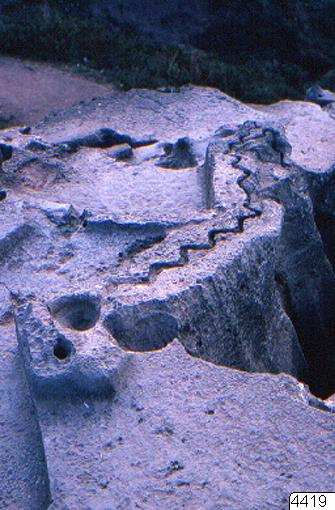
EU: Qenqo, fotografi, photograph #514474 (1980)
1980
Q'enqo, near Cusco, photographed in 1980. Carved into a limestone outcrop, the site includes niches and a subterranean chamber associated with Inca ritual practice.
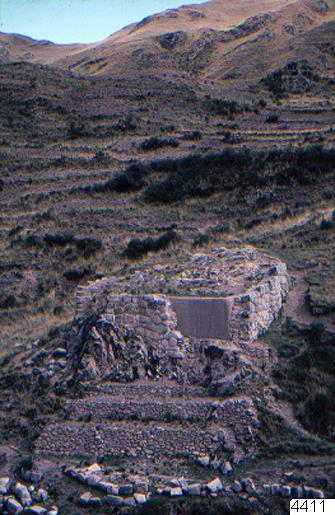
EU: Puca Pucara, fotografi, photograph #514450 (1980)
1980
Puka Pukara outside Cusco, photographed in 1980, its stone terraces built from the reddish rock that gives the site its Quechua name, meaning 'red fortress'.
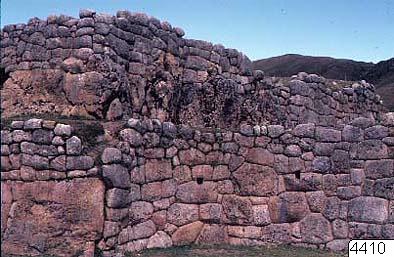
EU: Puca Pucara, fotografi, photograph #514446 (1980)
1980
A further image of Puka Pukara near Cusco taken in 1980, documenting the Inca ruins that overlook the Sacred Valley of the Urubamba.
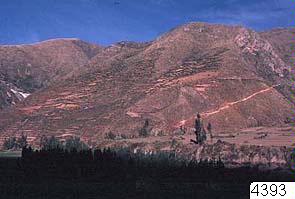
EU: terrassodlingar, fotografi, photograph #514370 (1980)
1980
Agricultural terraces near Cusco, Peru, photographed in 1980. Such terracing, built by the Inca to cultivate steep Andean slopes, remains a defining feature of the region's landscape.
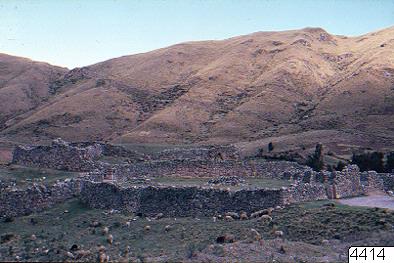
EU: Puca Pucara, fotografi, photograph (1980) #514462
1980
Puca Pucara, an Inca military and ceremonial complex of reddish stone walls near Cusco, pictured in 1980. The site sits along the old road linking Cusco to the Sacred Valley and is thought to have served as a checkpoint or lodging post.
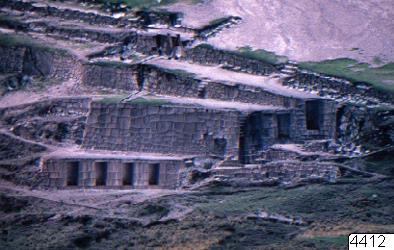
EU: Tambomachay, fotografi, photograph (1980) #514454
1980
Tambomachay, an Inca stone complex near Cusco built around a series of aqueducts, canals and waterfalls, photographed in 1980. Popularly known as the Inca's Bath, the site is thought to have had a ceremonial function tied to water worship.
EU: ruin, fästning, fotografi, photograph (1980) #514470
1980
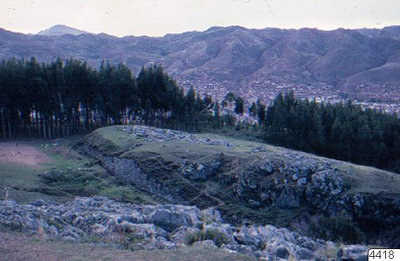
Stone ruins of an Inca-era fortification in the Cusco region of Peru, photographed in 1980. The Cusco valley preserves numerous such structures, built as part of the Inca imperial road and defense network.
EU: fästning, ruin, fotografi, photograph (1980) #514422
1980
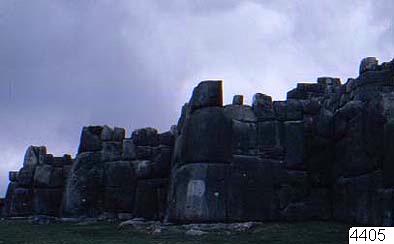
A fortified Inca ruin near Cusco, Peru, captured on film in 1980. Structures like this formed part of the network of forts and waystations the Inca built to control the roads radiating from their capital.
EU: gata, fotografi, photograph (1980) #514434
1980
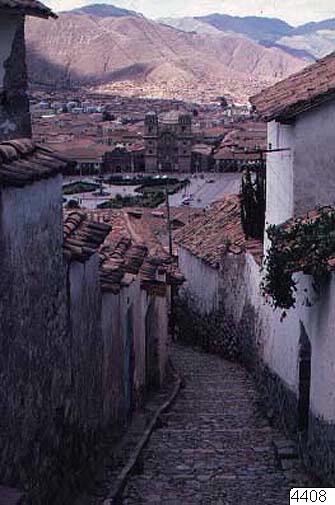
A street scene in Cusco, Peru, photographed in 1980. Once the capital of the Inca Empire, Cusco's old town still runs along streets laid out on original Inca stone foundations.
EU: Cusco-Urubamba, fotografi, photograph (1980) #514498
1980
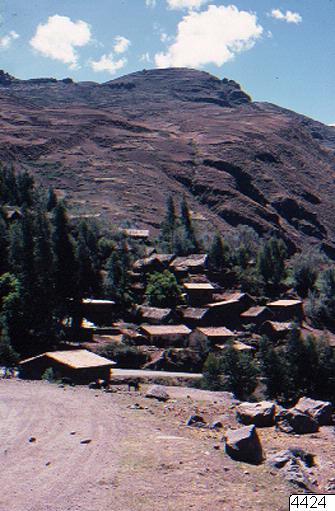
A view along the Cusco-Urubamba route in Peru, photographed in 1980. This road threads through the Sacred Valley, linking Cusco with Inca sites such as Pisac and Ollantaytambo.
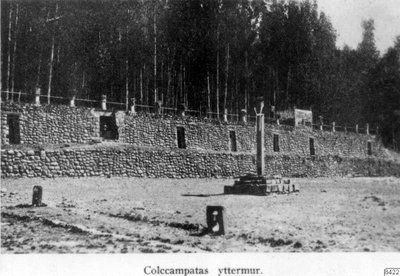
EU: yttermur colccampata, fotografi, photograph (1980)
1980
This 1980 photograph shows a section of the outer wall at Colcampata, an Inca site on a hillside above Cusco, Peru, traditionally associated with the palace of the Inca ruler Manco Capac. Colcampata overlooks the historic center of the former Inca imperial capital and is known for its finely fitted stonework.
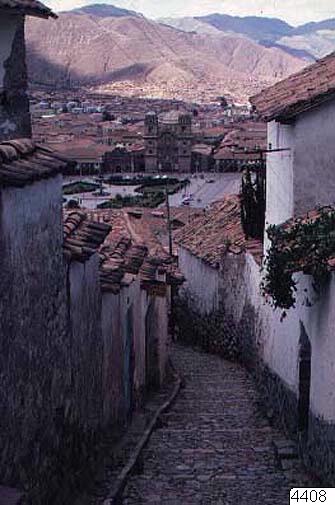
EU: Steep street in northern Cusco. (1980)
1980
A steep, narrow street in the northern part of Cusco, where colonial-era buildings still rest on the massive stone foundations laid by Inca masons centuries earlier.
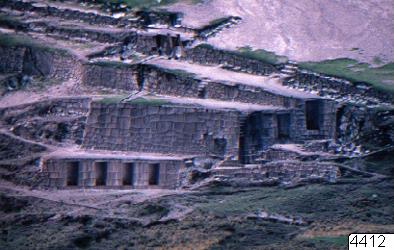
EU: Tambomachay, about 10 km N Cusco. (1980)
1980
Tambomachay, an Inca site about ten kilometers north of Cusco built around a series of stone aqueducts and fountains, often called the 'Inca's Bath' for its association with water rituals.
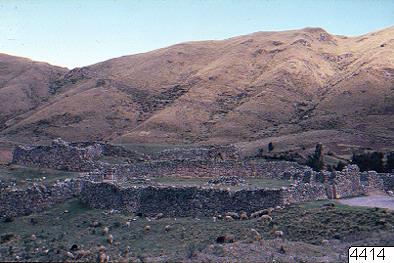
EU: Puca Pucara, about 10 km N.Cusco. (1980)
1980
Puca Pucara, an Inca military or waystation structure roughly ten kilometers north of Cusco, positioned along the road leading toward Tambomachay and the Sacred Valley.
EU: Sacsayhuaman with Cusco in the background. (1980)
1980
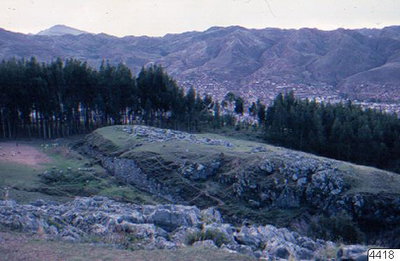
The terraced stone walls of Sacsayhuaman with the city of Cusco spread out in the valley below, illustrating the fortress's commanding position above the former Inca capital.
EU: Sacsayhuaman. (1980)
1980
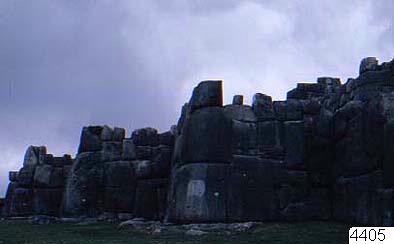
The zigzagging megalithic walls of Sacsayhuaman above Cusco, built from enormous dry-fitted stone blocks and long thought to have served both defensive and ceremonial roles for the Inca.
EU: Qenqo in 1980
1980
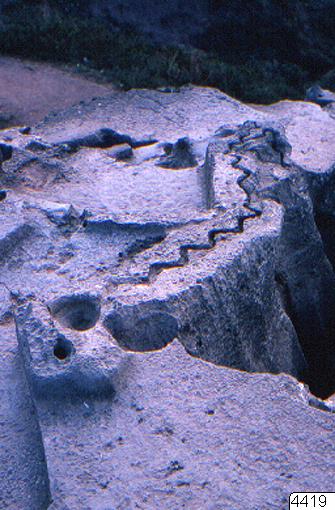
Q'enqo near Cusco, one of several carved rock sites in the area associated with Inca ceremonial life, its surfaces worked with steps, niches, and channels.
EU: gata (street), Cusco, SMVK (1980)
1980
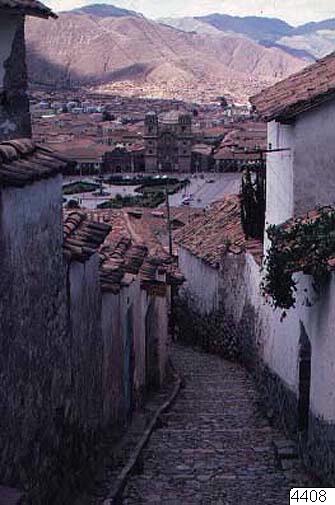
A street in Cusco, cataloged as SMVK 116040, showing the everyday townscape of the former Inca capital in the Peruvian highlands.
EU: Tambomachay, Cusco, SMVK (1980)
1980
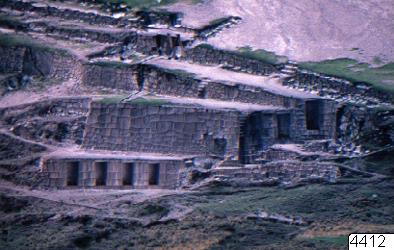
Tambomachay, an Inca site near Cusco built around a series of stone-lined water channels and fountains, appears here in a 1980 photograph. Often called the 'Bath of the Inca,' it is thought to have served a ceremonial function tied to water worship.
EU: Puca Pucara, Cusco, SMVK (1980)
1980
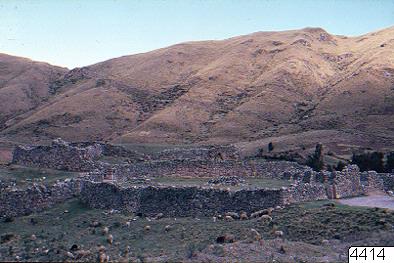
This 1980 image, part of a Swedish museum collection, documents Puka Pukara outside Cusco, an Inca structure of reddish stone believed to have combined military and resting-post functions along the road to Pisac.
EU: Puca Pucara, Cusco, SMVK (1980)
1980
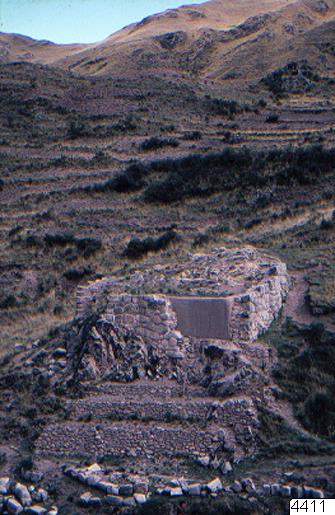
Another 1980 photograph from the same Cusco survey captures a different angle of Puka Pukara, showing the terraces and enclosures that made up this Inca waypoint above the city.
EU: Puca Pucara, Cusco, SMVK (1980)
1980
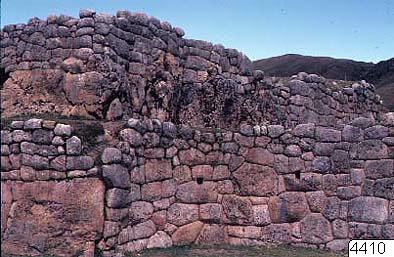
Puca Pucara, cataloged as SMVK 116042, one of the small Inca structures thought to have guarded the road approaching Cusco from the north, near Tambomachay.
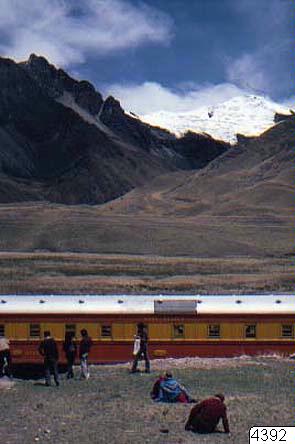
EU: Landskapsbild med tåg, Cusco, SMVK (1980)
1980
A landscape near Cusco with a train in view, cataloged as SMVK 116024, reflecting the rail line that has long linked the highland city to the Sacred Valley and beyond.
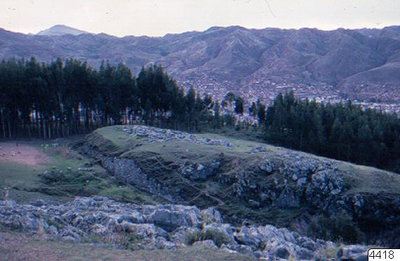
EU: ruin, fästning, Cusco, SMVK (1980)
1980
A fortified ruin near Cusco, cataloged as SMVK 116050, part of the extensive Inca stonework surrounding the former imperial capital in the Peruvian Andes.
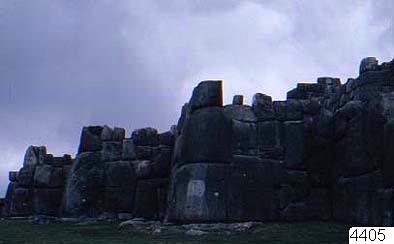
EU: fästning, ruin, Cusco, SMVK (1980)
1980
Another fortress ruin in the Cusco area, cataloged as SMVK 116037, showing the dry-stone construction characteristic of Inca military and ceremonial architecture.
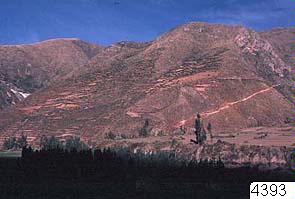
EU: terrassodlingar, Cusco, SMVK (1980)
1980
Terraced fields near Cusco, cataloged as SMVK 116025, an example of the agricultural terracing the Inca built extensively throughout the Andean highlands to farm steep terrain.
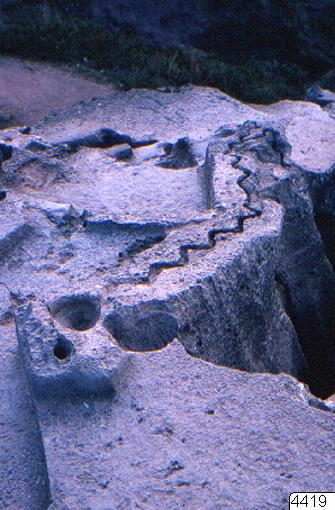
EU: Qenqo, Cusco, SMVK (1980)
1980
Q'enqo, a carved limestone outcrop near Cusco associated with Inca ritual use, is shown in this 1980 photograph. Channels cut into the rock are thought to have been used in ceremonies, possibly involving chicha or sacrificial liquids.
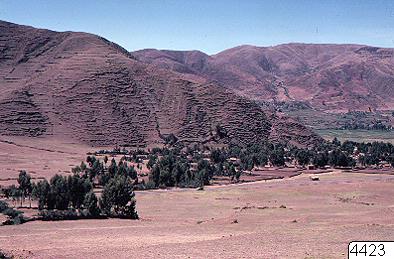
EU: Cusco
1980
A 1980 photograph taken in the Cusco-Urubamba region of southern Peru, an area long inhabited by descendants of the Inca Empire and known for its Andean valleys and archaeological remains.
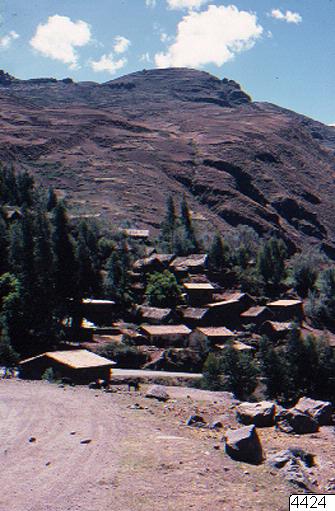
EU: Cusco
1980
Another view from the Cusco-Urubamba region captured in 1980, showing the landscape of the Sacred Valley that stretches between the former Inca capital of Cusco and the town of Urubamba.
![EU: street, photography, ph (1980) [514434], Cusco, 1980](https://cdn.placewas.com/placewas/3554ce14ff224673ad63d13e7c914fc7.jpg?width=400)
EU: street, photography, ph (1980) [514434]
1980
A street scene in Cusco, Peru, photographed in 1980, in a city built atop the foundations of the former Inca capital and later reshaped by Spanish colonial architecture.
![EU: ruin, fästning, fotografi, photograph (1980) [514470], Cusco, 1980](https://cdn.placewas.com/placewas/033374b4316e4318a1a01e690826d6ea.jpg?width=400)
EU: ruin, fästning, fotografi, photograph (1980) [514470]
1980
A fortification near Cusco photographed in 1980; the region around the former Inca capital holds numerous stone defensive and ceremonial structures dating to the Inca period.
![EU: Tambomachay, photography, (1980) [514454], Cusco, 1980](https://cdn.placewas.com/placewas/edd29e8fa5274598984faf45a2dae930.jpg?width=400)
EU: Tambomachay, photography, (1980) [514454]
1980
Tambomachay, an Inca archaeological site near Cusco, photographed in 1980. The complex of stone channels and terraces is thought to have served a ceremonial or water-related function for the Inca state.
![EU: fästning, ruin, fotografi, photograph (1980) [514422], Cusco, 1980](https://cdn.placewas.com/placewas/7690ecdc7d5548478a8dedae8bd77fb5.jpg?width=400)
EU: fästning, ruin, fotografi, photograph (1980) [514422]
1980
Ruins from the Inca period survive across the landscape surrounding Cusco, once the capital of the Inca Empire. This 1980 photograph, held in a Swedish archival collection, documents one such fortress ruin near the city.
![EU: Puca Pucara, fotografi, photograph (1980) [514462], Cusco, 1980](https://cdn.placewas.com/placewas/7840a531303f4751b9f2d710e7aaa435.jpg?width=400)
EU: Puca Pucara, fotografi, photograph (1980) [514462]
1980
Puka Pukara, whose Quechua name means "red fortress," is an Inca-era structure northeast of Cusco believed to have served as a checkpoint along the route toward the Sacred Valley. This 1980 photograph shows its stone terraces and walls.
![EU: Qenqo, photography, (1980) [514482], Cusco, 1980](https://cdn.placewas.com/placewas/b74d42f5854549479506927734328396.jpg?width=400)
EU: Qenqo, photography, (1980) [514482]
1980
Q'enqo is an Inca archaeological site near Cusco centered on a carved limestone outcrop with niches and channels thought to have been used for ceremonial purposes. The photograph dates to 1980 and comes from a Swedish archival collection.
![EU: terrassodlingar, fotografi, photograph (1980) [514370], Cusco, 1980](https://cdn.placewas.com/placewas/50601e514c39443fa295fecfd3020398.jpg?width=400)
EU: terrassodlingar, fotografi, photograph (1980) [514370]
1980
Stepped agricultural terraces built during the Inca period still cover many hillsides around Cusco, an engineering method used to expand farmland on steep terrain. This 1980 image, cataloged in a Swedish archive, records one such terraced slope.
![EU: Puca Pucara, photography, Puph (1980) [514450], Cusco, 1980](https://cdn.placewas.com/placewas/d2a489bac19442da8214eeec66f090fc.jpg?width=400)
EU: Puca Pucara, photography, Puph (1980) [514450]
1980
A further view of Puka Pukara, the Inca-period fortification northeast of Cusco, appears in this 1980 photograph from a Swedish archival collection, showing its stone ramparts and the terraced approach leading up to the site.
![EU: Puca Pucara, photography, Puph (1980) [514446], Cusco, 1980](https://cdn.placewas.com/placewas/68a5fe9f47744e7aabe2ff2febeff319.jpg?width=400)
EU: Puca Pucara, photography, Puph (1980) [514446]
1980
Part of the same Swedish archival collection, this 1980 photograph offers another view of Puka Pukara, the Inca fortress northeast of Cusco built to control access along the road toward the Sacred Valley.
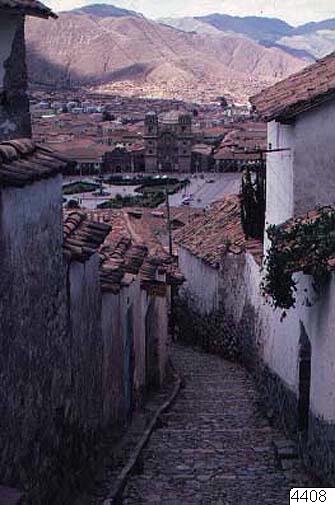
EU: street, photography (Cusco) (1980)
1980
A street scene in Cusco, Peru, the former capital of the Inca Empire, photographed in 1980 as the city drew growing numbers of visitors to its blend of Inca stonework and Spanish colonial architecture.
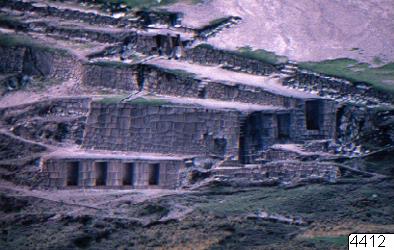
EU: Tambomachay, Cusco (1980)
1980
Tambomachay, an Inca site in the hills above Cusco, is built around carved stone channels and fountains fed by a natural spring, and is thought to have served ceremonial or ritual bathing purposes.
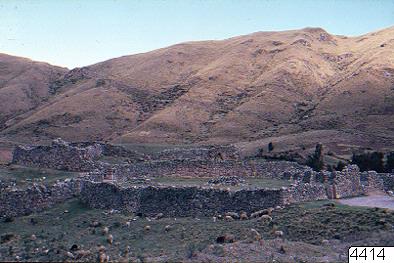
EU: Puca Pucara, Cusco (1980)
1980
Puca Pucara, whose Quechua name means 'red fortress,' is an Inca structure near Cusco built of reddish stone; archaeologists believe it functioned as a checkpoint or resting station along the road leaving the Inca capital.
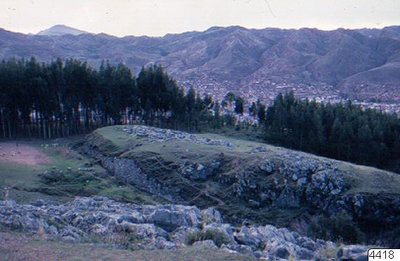
EU: fortress ruin near Cusco (1980)
1980
Stone walls of an Inca-era structure stand in the hills near Cusco, one of several archaeological sites in the countryside surrounding Peru's former Inca capital that draw visitors interested in pre-Columbian architecture.
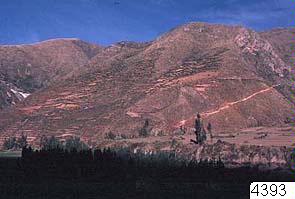
EU: terraced fields near Cusco (1980)
1980
Agricultural terraces cut into the hillsides near Cusco reflect Inca engineering that adapted steep Andean terrain for farming, a technique still visible across the region surrounding the former Inca capital.
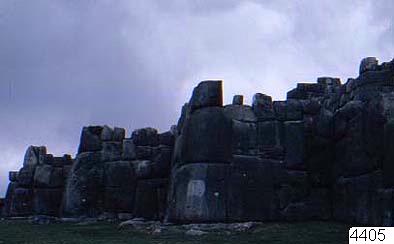
EU: fortress ruin, Cusco (1980) 2
1980
Another view of Inca-era stone ruins in the countryside outside Cusco, among the structures scattered through the hills that once guarded the approaches to Peru's former Inca capital, photographed in 1980.
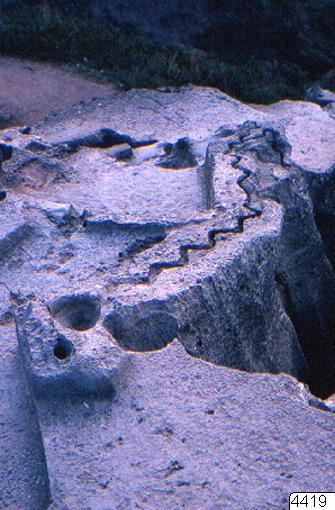
EU: Qenqo, Cusco (1980)
1980
Qenqo, whose Quechua name is often translated as 'zigzag' or 'labyrinth,' is an Inca ceremonial site near Cusco carved directly into limestone bedrock, including channels believed to have been used in ritual practice.
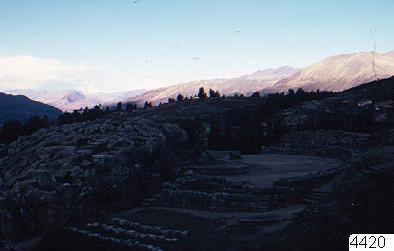
EU: Qenqo, Cusco (1980) 2
1980
A second view of Qenqo, the limestone outcrop near Cusco that Inca stoneworkers carved with niches, seats and channels associated with ceremonial and ritual use, photographed in 1980.
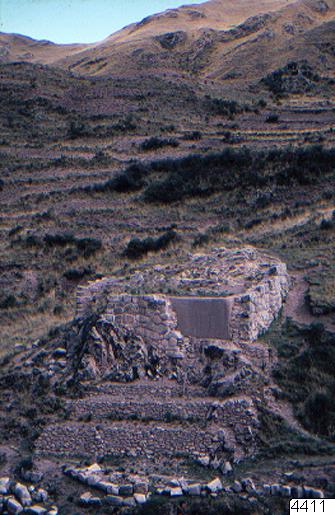
EU: Puca Pucara, Cusco (1980) 2
1980
Another view of Puca Pucara, the reddish Inca stonework near Cusco believed to have guarded the road leading out of the Inca capital; this photograph, like others in the series, dates from 1980.
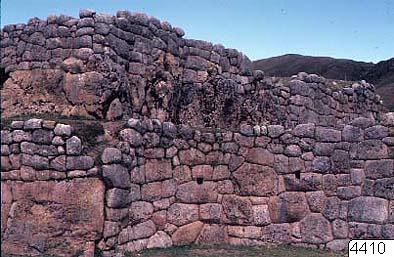
EU: Puca Pucara, Cusco (1980) 3
1980
A third photograph of the Puca Pucara ruins outside Cusco, showing more of the reddish Inca stonework that gives the site its name, meaning 'red fortress' in Quechua, as it appeared in 1980.
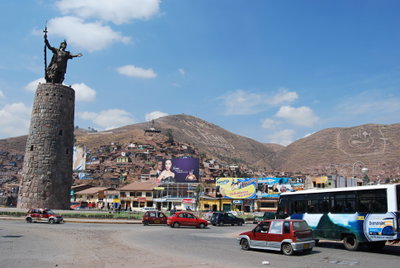
Cusco - Monumento Pachacútec
2008
The monument to Pachacútec, the Inca ruler credited with expanding the Inca Empire, stands in Cusco, Peru, as photographed in 2008. Cusco served as the historic capital of the Inca Empire.
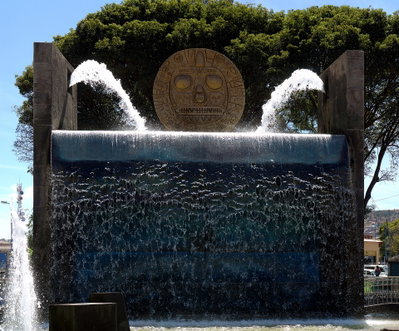
17 - Cuzco - Août
2008
A street scene in Cusco, Peru, photographed in August 2008. The city, once the capital of the Inca Empire, retains much colonial-era architecture built atop earlier Inca foundations.
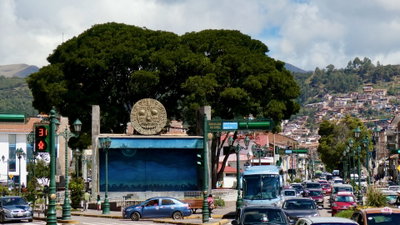
Pumaqchupan Park
2018
Pumaqchupan, a park in Cusco whose name refers to the puma-shaped layout the Inca city is said to have followed, sits within the historic center of the former Inca capital. It appears here in 2018.
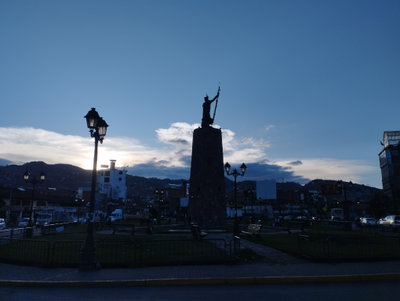
Ovalo Pachakuteq, Cusco 13
2023
Another view of the Pachacútec monument at Ovalo Pachacútec in Cusco, Peru, taken in 2023.
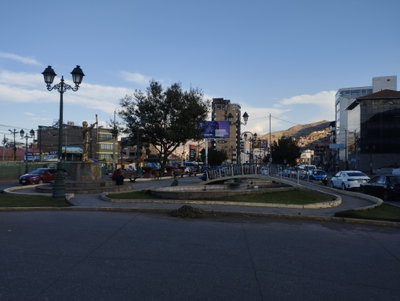
Plaza Daniel Estrada, Cusco 01
2023
This 2023 image shows Plaza Daniel Estrada in Cusco, a public square in the historic Andean city that once served as the capital of the Inca Empire before falling to Spanish conquest in the 16th century.
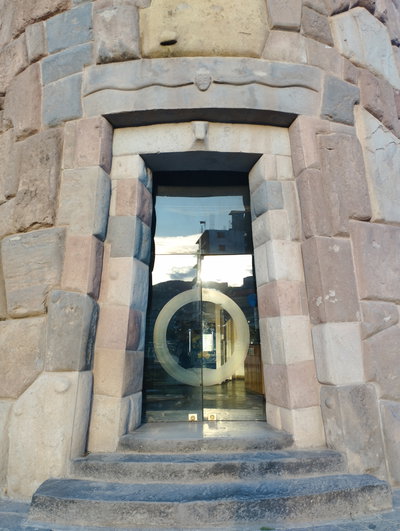
Ovalo Pachakuteq, Cusco 06
2023
Ovalo Pachakuteq, in Cusco's Wanchaq district, is named for and features a monument to Pachacútec, the 15th-century Inca ruler credited with expanding the empire from its capital at Cusco. This photograph is from 2023.