Home › Galle › Sea View

Sea View through time

Galle 2012–2018 6 photos of this spot

6 recent photographs taken at the same spot in Galle, spanning 2012–2018. Have an older picture of it? Add it and start this spot's timeline.

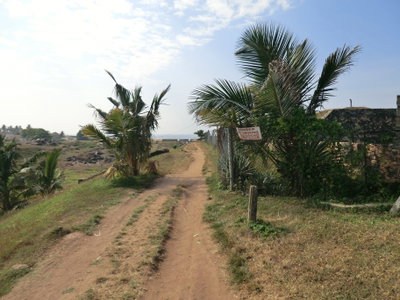
Another 2012 view of Galle Fort shows the colonial-era streets enclosed within its ramparts on Sri Lanka's southern coast.

See this spot on the map
Have an old photo of Sea View? A family album, a postcard, a print from the attic. Pin it to the map and it becomes part of the record.
Add your photo

Fort, Galle 80000, Sri Lanka, Galle, 2012
Fort, Galle 80000, Sri Lanka 2012 Another 2012 view of Galle Fort shows the colonial-era streets enclosed within its ramparts on Sri Lanka's southern coast.
Fort, Galle 80000, Sri Lanka, Galle, 2012
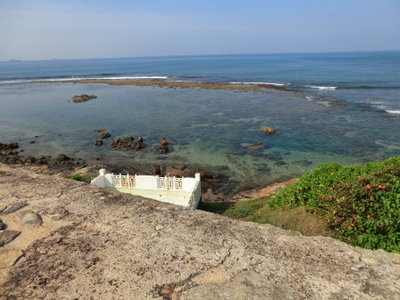
Fort, Galle 80000, Sri Lanka 2012 The fortifications at Galle mark one of the best-preserved examples of European military architecture built by colonial powers in South Asia. Successive Portuguese, Dutch, and British administrations each left their mark on the fort's design.
Fort, Galle 80000, Sri Lanka, Galle, 2012
Fort, Galle 80000, Sri Lanka 2012 Galle Fort's position on a rocky promontory made it a strategic harbor town for successive colonial rulers of Sri Lanka from the 16th century onward. Its massive stone ramparts, expanded by the Dutch in the 17th century, remain one of the best-preserved fortified colonial towns in Asia.
Sea View, Galle, 2012
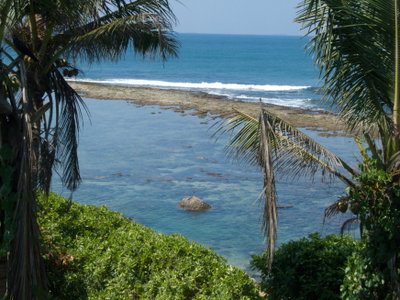
Sea View 2012 A view of the coastline near Galle, on Sri Lanka's southern coast, photographed in 2012. Galle grew up around a 17th-century Dutch-built fort that today forms a UNESCO World Heritage Site.
Fort, Galle 80000, Sri Lanka, Galle, 2012
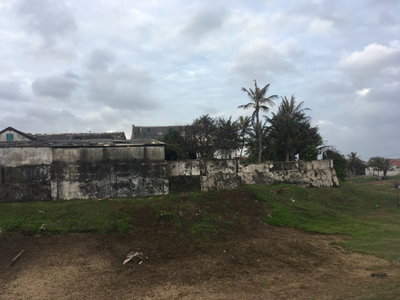
Fort, Galle 80000, Sri Lanka 2012 Galle Fort, Sri Lanka, photographed in 2012. Originally built by the Portuguese in the sixteenth century and substantially expanded by the Dutch in the seventeenth, the fortified old town is a UNESCO World Heritage Site on Sri Lanka's southwestern coast.
Galle, Galle, 2018
Galle 2018 Within Galle's old town, narrow streets and Dutch colonial buildings reflect the port city's centuries as a hub of Indian Ocean trade, a role it held long before European colonization began.