Home › Galle › Fort, Galle 80000, Sri Lanka

Fort, Galle 80000, Sri Lanka through time

Galle 2012–2018 5 photos of this spot

5 recent photographs taken at the same spot in Galle, spanning 2012–2018. Have an older picture of it? Add it and start this spot's timeline.

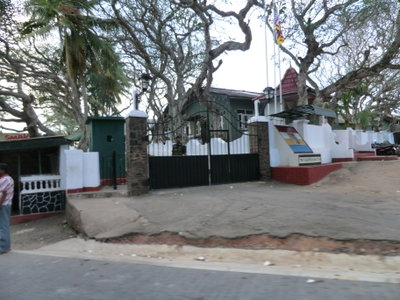
Another 2012 photograph from Galle Fort, whose sturdy sea walls were built to withstand the monsoon swells of the Indian Ocean along Sri Lanka's coast, protecting the old town within.

See this spot on the map
Have an old photo of Fort, Galle 80000, Sri Lanka? A family album, a postcard, a print from the attic. Pin it to the map and it becomes part of the record.
Add your photo
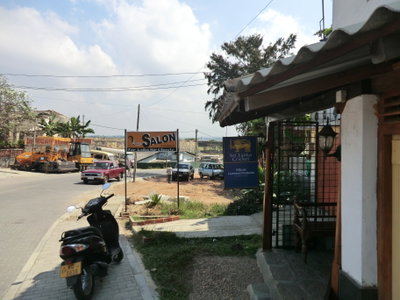
Fort, Galle 80000, Sri Lanka, Galle, 2012
Fort, Galle 80000, Sri Lanka 2012 Another 2012 photograph from Galle Fort, whose sturdy sea walls were built to withstand the monsoon swells of the Indian Ocean along Sri Lanka's coast, protecting the old town within.
Fort, Galle 80000, Sri Lanka, Galle, 2012
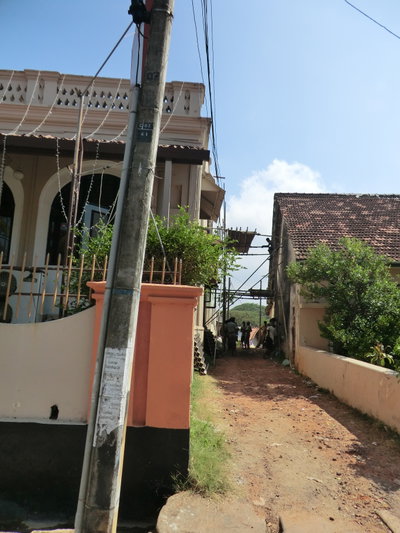
Fort, Galle 80000, Sri Lanka 2012 Galle was one of the principal trading ports of the Indian Ocean under Dutch colonial rule, and the fortified old town built to defend it survives largely intact today. Its warehouses and churches still line the streets within the fort walls.
Fort, Galle 80000, Sri Lanka, Galle, 2012
Fort, Galle 80000, Sri Lanka 2012 Galle's old town grew up inside fort walls that changed hands from Portuguese to Dutch and finally British control before Sri Lankan independence. Each power left its mark on the fort's churches, warehouses, and residences, giving the old town its layered colonial character.
Fort, Galle 80000, Sri Lanka, Galle, 2012
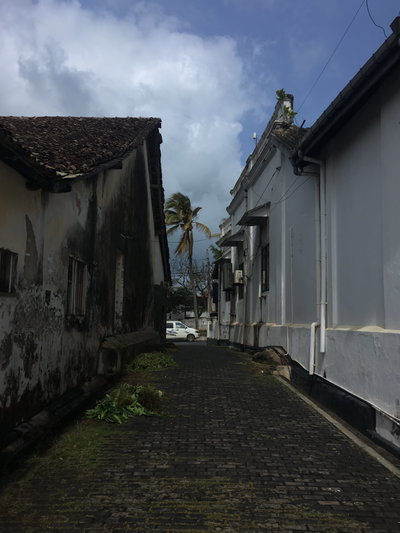
Fort, Galle 80000, Sri Lanka 2012 Narrow streets lined with colonial-era buildings characterize the interior of Galle Fort, a UNESCO-listed old town on Sri Lanka's south coast. The fort's ramparts, built mainly by the Dutch after 1663, still enclose the old town almost in their entirety.
Galle, Galle, 2018
Galle 2018 The fortified city of Galle, established by Portuguese and later Dutch colonists on Sri Lanka's southwestern coast, is recognized as a UNESCO World Heritage Site for its preserved rampart walls and colonial-era streets.