Home › Galle › Galle - Clock Tower Sri Lanka

Galle - Clock Tower Sri Lanka through time

Galle 2012–2024 23 photos of this spot

23 recent photographs taken at the same spot in Galle, spanning 2012–2024. Have an older picture of it? Add it and start this spot's timeline.

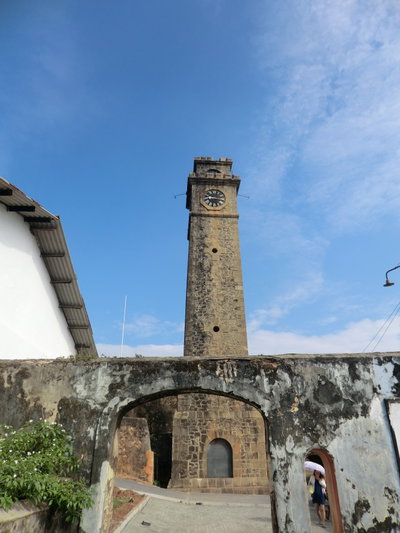
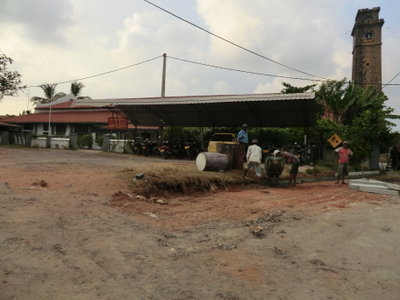
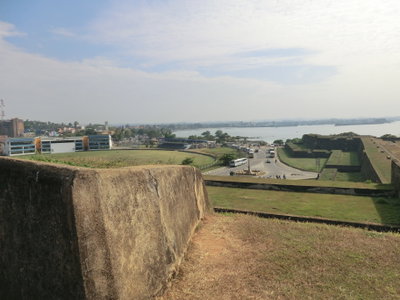
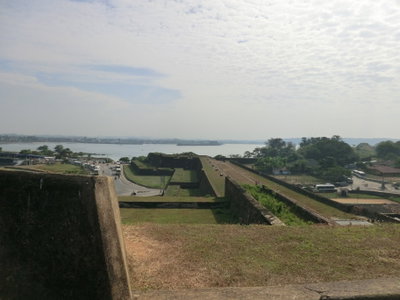
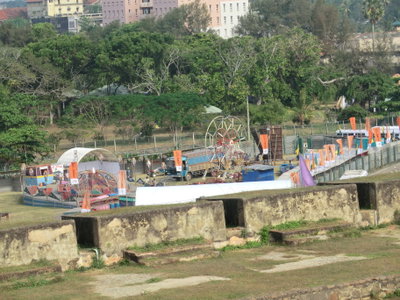
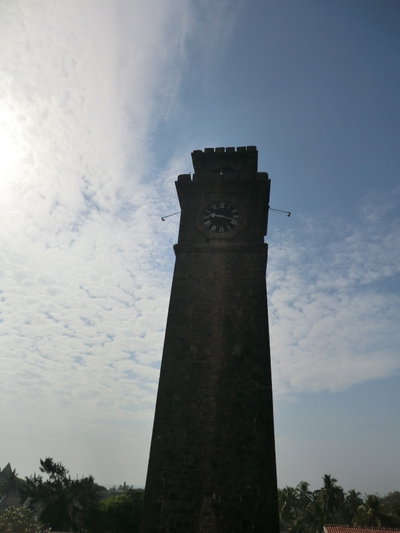
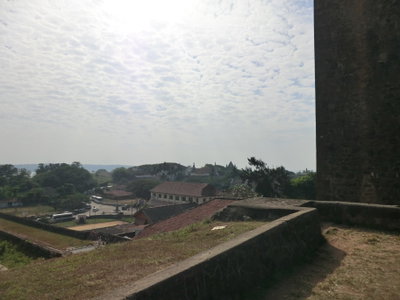
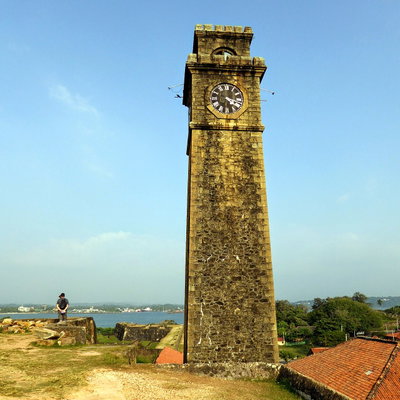
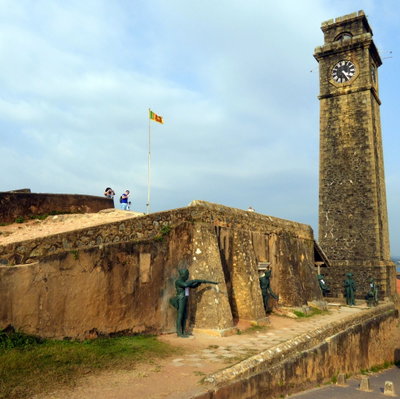
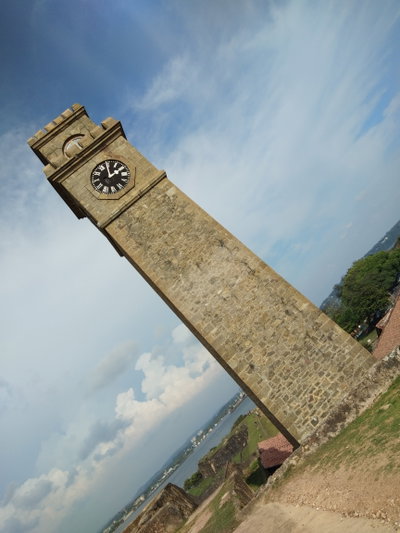
The clock tower along the ramparts of Galle Fort in southern Sri Lanka. Erected during the period of British colonial administration, it stands as a landmark within the fortified old town built earlier by the Portuguese and Dutch.

See this spot on the map
Have an old photo of Galle - Clock Tower Sri Lanka? A family album, a postcard, a print from the attic. Pin it to the map and it becomes part of the record.
Add your photo
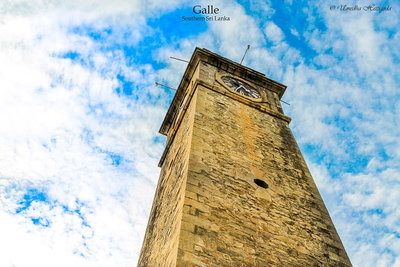
Galle - Clock Tower Sri Lanka, Galle, 2012
Galle - Clock Tower Sri Lanka 2012 The clock tower along the ramparts of Galle Fort in southern Sri Lanka. Erected during the period of British colonial administration, it stands as a landmark within the fortified old town built earlier by the Portuguese and Dutch.
Fort, Galle 80000, Sri Lanka, Galle, 2012
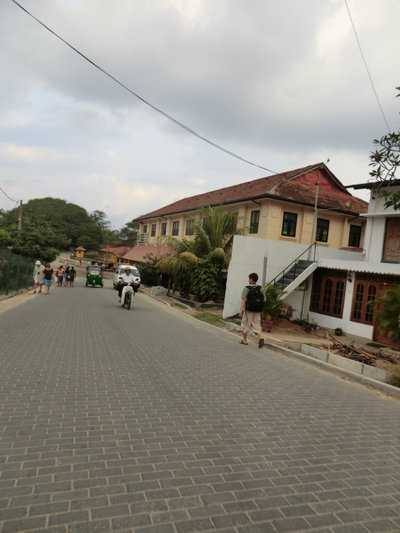
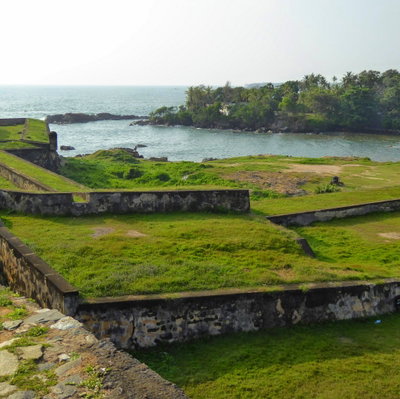
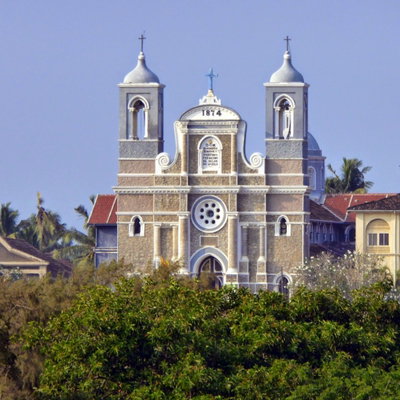
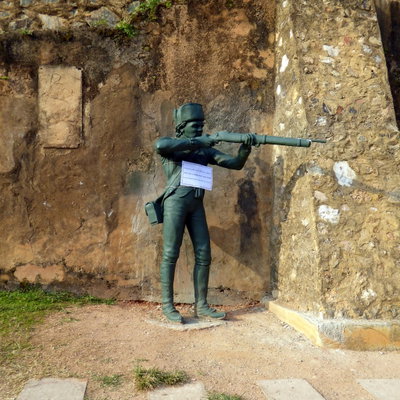
Fort, Galle 80000, Sri Lanka 2012 This 2012 photograph shows another corner of Galle Fort, the UNESCO-listed old town whose grid of streets still follows the plan laid out under Dutch rule in the 17th century.
Fort, Galle 80000, Sri Lanka, Galle, 2012
Fort, Galle 80000, Sri Lanka 2012 A further 2012 view of Galle Fort on Sri Lanka's south coast, where colonial-era buildings line streets enclosed by the fortress's stone ramparts, a layout largely unchanged since Dutch rule.
Fort, Galle 80000, Sri Lanka, Galle, 2012
Fort, Galle 80000, Sri Lanka 2012 This 2012 image documents part of Galle Fort, the fortified port town that changed hands between Portuguese, Dutch, and British colonial administrations before Sri Lankan independence.
Fort, Galle 80000, Sri Lanka, Galle, 2012
Fort, Galle 80000, Sri Lanka 2012 Galle Fort, a UNESCO World Heritage Site, was built by the Portuguese in the sixteenth century and substantially refortified by the Dutch in the seventeenth. This 2012 photograph shows part of the fortified old town.
Cheena Kotuwa, Galle 80000, Sri Lanka, Galle, 2012
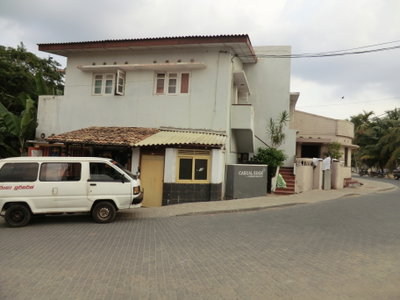
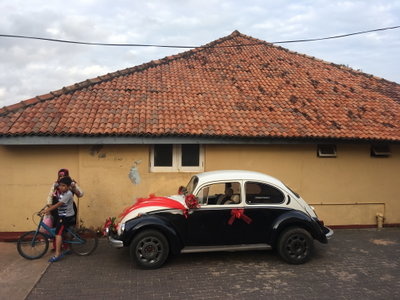
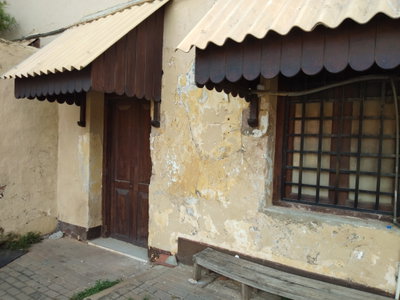
Cheena Kotuwa, Galle 80000, Sri Lanka 2012 Houses and roadway in the Cheena Kotuwa area of Galle, southern Sri Lanka, captured in 2012, not far from the city's Dutch colonial fort, one of the largest remaining European-built fortifications in South Asia.
Cheena Kotuwa, Galle 80000, Sri Lanka, Galle, 2012
Cheena Kotuwa, Galle 80000, Sri Lanka 2012 Another 2012 view of Cheena Kotuwa within Galle Fort, Sri Lanka, the fortified old town the Dutch East India Company built after taking the harbor from the Portuguese in 1640.
Cheena Kotuwa, Galle 80000, Sri Lanka, Galle, 2012
Cheena Kotuwa, Galle 80000, Sri Lanka 2012 Galle Fort's Cheena Kotuwa quarter appears here in a 2012 photograph; the fort's ramparts, built by the Dutch in the 17th century atop earlier Portuguese fortifications, still encircle the old town.
Cheena Kotuwa, Galle 80000, Sri Lanka, Galle, 2012
Cheena Kotuwa, Galle 80000, Sri Lanka 2012 A 2012 photograph of Cheena Kotuwa in Galle, Sri Lanka, a quarter of the city whose name recalls an early Chinese trading presence near the historic fort built by Portuguese and Dutch colonizers.
Cheena Kotuwa, Galle 80000, Sri Lanka, Galle, 2012
Cheena Kotuwa, Galle 80000, Sri Lanka 2012 Cheena Kotuwa, a small bastion built by the Dutch within Galle Fort, lies near this street scene. The fort's ramparts and gates were designed to protect the harbor that once anchored Dutch trade in the region.
Cheena Kotuwa, Galle 80000, Sri Lanka, Galle, 2012
Cheena Kotuwa, Galle 80000, Sri Lanka 2012 Another view of Cheena Kotuwa near Galle Fort captures the everyday streetscape of this Dutch-fortified port town. Galle's fort walls and bastions were declared a UNESCO World Heritage Site in 1988.
Cheena Kotuwa, Galle 80000, Sri Lanka, Galle, 2012
Cheena Kotuwa, Galle 80000, Sri Lanka 2012 This image of Cheena Kotuwa documents the streets bordering Galle Fort, whose Dutch-built ramparts still enclose the old town. Galle served as a principal Indian Ocean port for the Dutch during the colonial period.
Cheena Kotuwa, Galle 80000, Sri Lanka, Galle, 2012
Cheena Kotuwa, Galle 80000, Sri Lanka 2012 A section of Cheena Kotuwa, the 'Chinese Fort' bastion within the fortifications of Galle, Sri Lanka, photographed in 2012. The ramparts were built up by Portuguese and later Dutch colonial administrations guarding the harbor.
Cheena Kotuwa, Galle 80000, Sri Lanka, Galle, 2012
Cheena Kotuwa, Galle 80000, Sri Lanka 2012 Another view of the Cheena Kotuwa bastion in Galle, Sri Lanka, photographed in 2012, part of the fortified walls that Dutch colonial rulers expanded around the historic port town.
Galle Fort, Sri Lanka, Galle, 2015
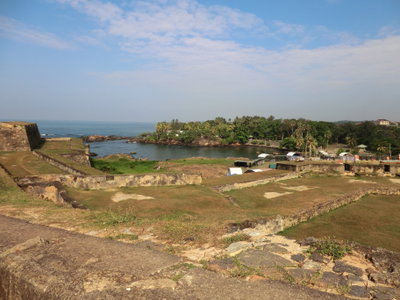
Galle Fort, Sri Lanka 2015 A view of Galle Fort in Sri Lanka, photographed in 2015. Originally fortified by the Portuguese and later expanded by the Dutch in the 17th century, the fort is a UNESCO World Heritage Site.
Galle Fort, Sri Lanka, Galle, 2015
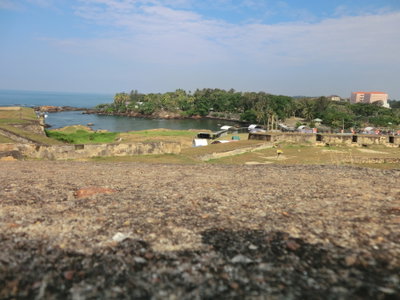
Galle Fort, Sri Lanka 2015 A view within Galle Fort, Sri Lanka, in 2015. The fortified old town was first built by the Portuguese in the 16th century and substantially expanded by the Dutch after 1649; it is now a UNESCO World Heritage site.
Galle Fort, Sri Lanka, Galle, 2015
Galle Fort, Sri Lanka 2015 Streets within the historic Galle Fort, Sri Lanka, in 2015. The fortifications, expanded by the Dutch East India Company from 1649, enclose a townscape of colonial-era houses, churches and administrative buildings.
Galle, Sri Lanka, Galle, 2015
Galle, Sri Lanka 2015 Galle, Sri Lanka, photographed in 2015. The southern coastal town's fortified quarter remains one of the best-preserved examples of European colonial architecture anywhere in South Asia.
Galle Fort, Sri Lanka, Galle, 2015
Galle Fort, Sri Lanka 2015 A view within Galle Fort, a coastal fortification first built by the Portuguese in the sixteenth century and substantially rebuilt by the Dutch after 1663.
Galle, Galle, 2018
Galle 2018 A 2018 view within Galle, on Sri Lanka's southwestern coast. The city is best known for its fortified old town, built by the Dutch in the 17th century and inscribed as a UNESCO World Heritage Site in 1988.
Galle in 2019, Galle, 2019
Galle in 2019 2019 Taken in 2019, this photograph shows a scene from Galle, a port city on Sri Lanka's southwestern coast whose old town and 17th-century Dutch-built fort form a UNESCO World Heritage Site, having passed from Portuguese to Dutch and finally British colonial control.
Time+Shigan+kalaya, Galle, 2019
Time+Shigan+kalaya 2019 This 2019 image comes from Galle, on Sri Lanka's southwestern coast, a city whose fortified old town was built up by Portuguese and Dutch colonial powers trading in cinnamon and other spices before the island passed to British rule in 1796.
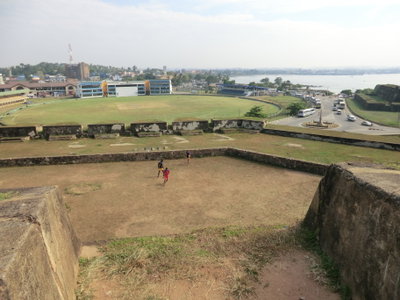
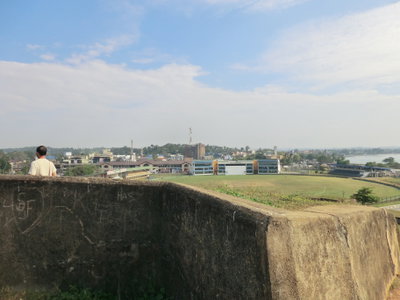
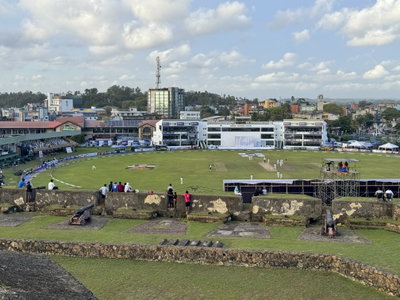
Watching Sri Lanka vs New Zealand play cricket from Galle Fort, Galle, 2024
Watching Sri Lanka vs New Zealand play cricket from Galle Fort 2024 From the ramparts of Galle Fort, a Dutch-era fortification on Sri Lanka's south coast, spectators watch a Sri Lanka versus New Zealand cricket match at the adjoining stadium in this 2024 photograph.