Home › Kutaisi › Kutaisi, Katedra Bagrati

Kutaisi, Katedra Bagrati through time

Kutaisi 2014–2019 5 photos of this spot

5 recent photographs taken at the same spot in Kutaisi, spanning 2014–2019. Have an older picture of it? Add it and start this spot's timeline.

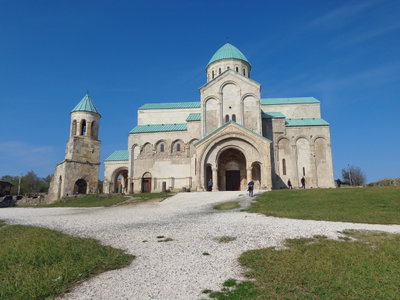
Bagrati Cathedral photographed from another angle; the 11th-century church has anchored the Kutaisi skyline for nearly a thousand years.

See this spot on the map
Have an old photo of Kutaisi, Katedra Bagrati? A family album, a postcard, a print from the attic. Pin it to the map and it becomes part of the record.
Add your photo
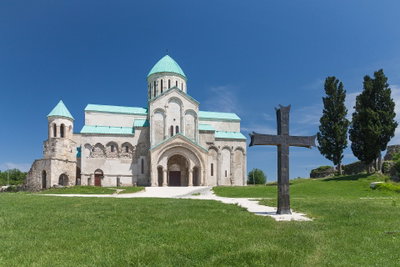
Kutaisi, Katedra Bagrati, Kutaisi, 2014
Kutaisi, Katedra Bagrati 2014 Bagrati Cathedral photographed from another angle; the 11th-century church has anchored the Kutaisi skyline for nearly a thousand years.
Bagrati Street, Kutaisi, Georgia, Kutaisi, 2015
Bagrati Street, Kutaisi, Georgia 2015 Bagrati Street in Kutaisi, Georgia, photographed in 2015. The street takes its name from the nearby 11th-century Bagrati Cathedral, a UNESCO World Heritage Site overlooking the city.
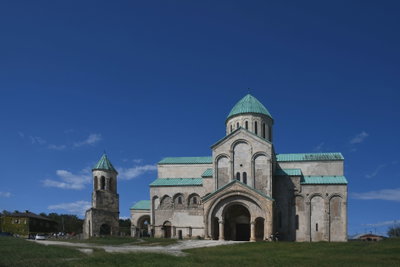
ქუთაისი, ბაგრატის ტაძარი Kutaissi, Bagrati-Kathedrale (1003), Kutaisi, 2019
ქუთაისი, ბაგრატის ტაძარი Kutaissi, Bagrati-Kathedrale (1003) 2019 Bagrati Cathedral overlooks Kutaisi in this 2019 photograph. Built in the early 11th century under King Bagrat III, the cathedral was restored in a contested 2009-2012 project and forms part of a UNESCO World Heritage Site alongside nearby Gelati Monastery.
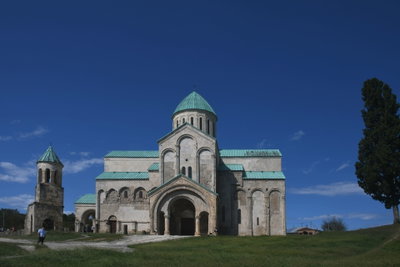
ქუთაისი, ბაგრატის ტაძარი Kutaissi, Bagrati-Kathedrale (1003), Kutaisi, 2019
ქუთაისი, ბაგრატის ტაძარი Kutaissi, Bagrati-Kathedrale (1003) 2019 This eleventh-century cathedral above Kutaisi was left roofless for centuries after an 1691 explosion set by Ottoman troops, until a large-scale rebuilding project gave it its present form in 2012.
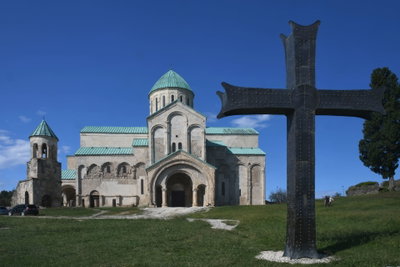
ქუთაისი, ბაგრატის ტაძარი Kutaissi, Bagrati-Kathedrale (1003), Kutaisi, 2019
ქუთაისი, ბაგრატის ტაძარი Kutaissi, Bagrati-Kathedrale (1003) 2019 Bagrati Cathedral in Kutaisi, photographed in 2019. Originally built in 1003 under King Bagrat III, it stands as a major landmark of medieval Georgian architecture.