Home › Manila › Gate of Fort Santiago

Gate of Fort Santiago through time

Manila 2014–2025 6 photos of this spot

6 recent photographs taken at the same spot in Manila, spanning 2014–2025. Have an older picture of it? Add it and start this spot's timeline.

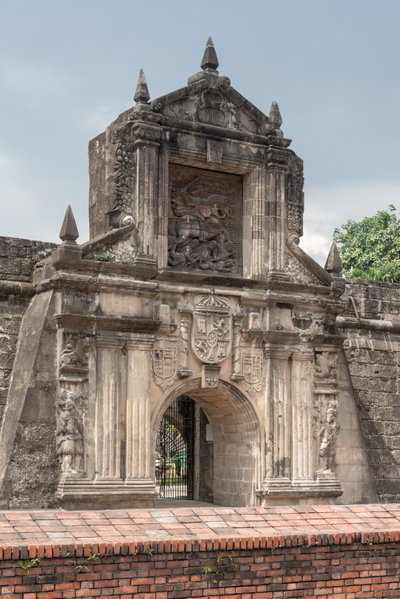
This 2014 photograph shows a building in Manila reflecting the city's Spanish colonial architectural heritage, a legacy of nearly three centuries of Spanish rule that shaped much of the old city's streetscape before large parts were rebuilt after the Second World War.

See this spot on the map
Have an old photo of Gate of Fort Santiago? A family album, a postcard, a print from the attic. Pin it to the map and it becomes part of the record.
Add your photo
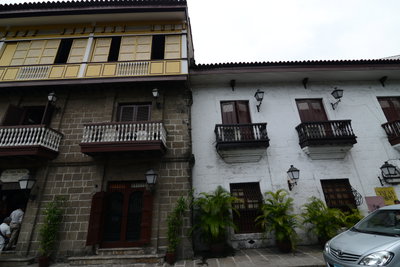
Spanish architecture in Manila, Manila, 2014
Spanish architecture in Manila 2014 This 2014 photograph shows a building in Manila reflecting the city's Spanish colonial architectural heritage, a legacy of nearly three centuries of Spanish rule that shaped much of the old city's streetscape before large parts were rebuilt after the Second World War.
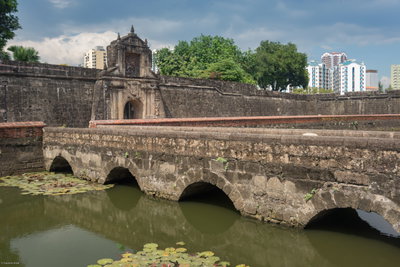
Gate of Fort Santiago, Manila, 2017
Gate of Fort Santiago 2017 The gate of Fort Santiago, a citadel built by Spanish colonizers within the walled district of Intramuros in Manila, Philippines.
Intramuros, Manila, 2017
Intramuros 2017 A view within Intramuros, the historic walled city at the heart of Manila, Philippines, established by Spanish colonial authorities in the 16th century.
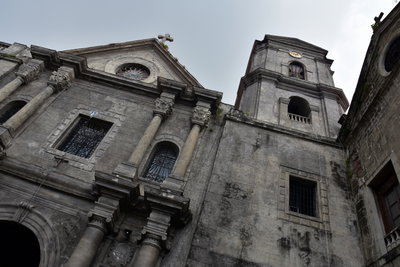
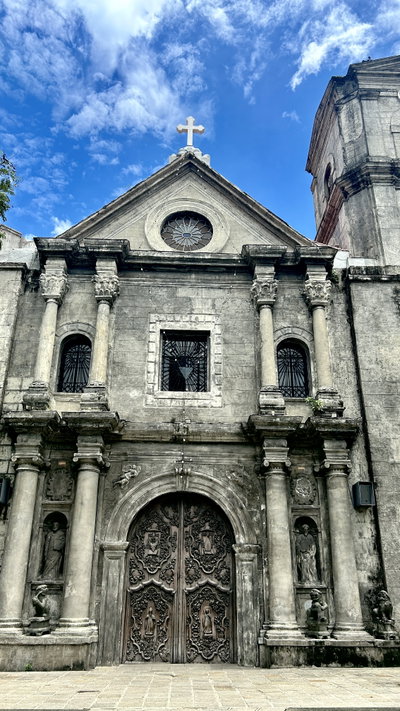
San Agustin Church, Manila, Manila, 2018
San Agustin Church, Manila 2018 San Agustín Church in Manila, Philippines, completed in 1607 and considered the oldest stone church still standing in the country.
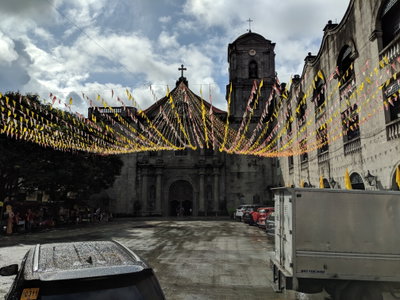
San Agustin Church in Intramuros, Manila, 2018
San Agustin Church in Intramuros 2018 San Agustín Church within the walls of Intramuros, Manila, one of the Philippines' oldest surviving colonial-era churches.
San Agustin Church on August, Manila, 2025
San Agustin Church on August 2025 San Agustin Church stands in the historic walled district of Intramuros, Manila. Completed in 1607, it is the oldest stone church in the Philippines and one of four Philippine churches inscribed together on the UNESCO World Heritage List as Baroque Churches of the Philippines.