Home › Mtskheta › St. Nino church

St. Nino church through time

Mtskheta 2012–2025 18 photos of this spot

18 recent photographs taken at the same spot in Mtskheta, spanning 2012–2025. Have an older picture of it? Add it and start this spot's timeline.

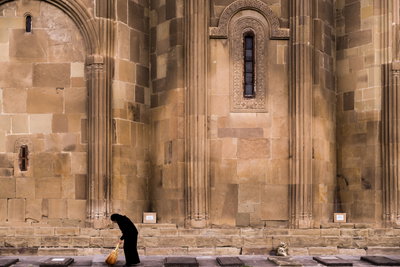
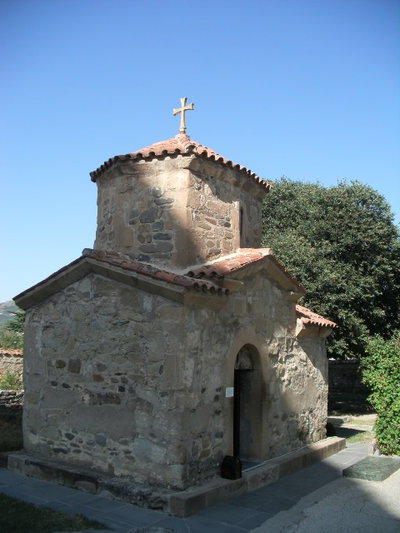
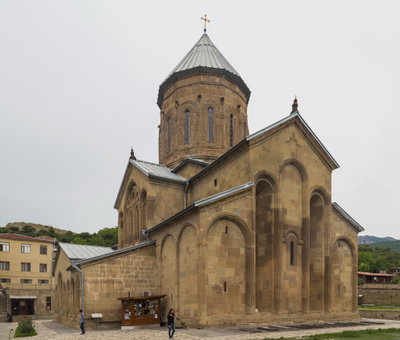
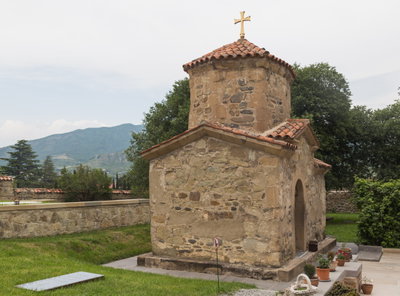
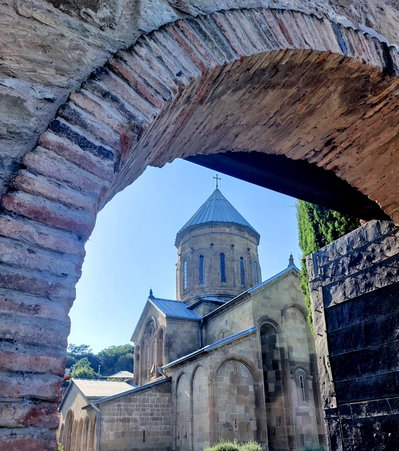
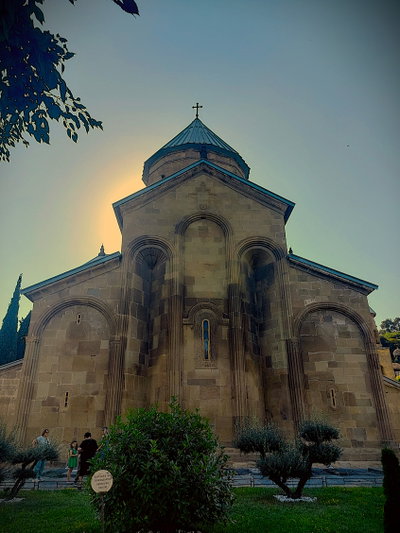
St. Nino Church in Mtskheta, Georgia's ancient former capital, is tied to the saint traditionally credited with bringing Christianity to the kingdom in the 4th century. Mtskheta's churches form a UNESCO World Heritage site. Photographed in 2012.

See this spot on the map
Have an old photo of St. Nino church? A family album, a postcard, a print from the attic. Pin it to the map and it becomes part of the record.
Add your photo
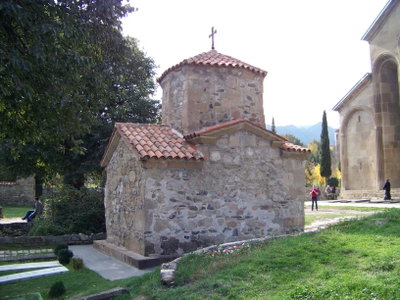
St. Nino church, Mtskheta, 2012
St. Nino church 2012 St. Nino Church in Mtskheta, Georgia's ancient former capital, is tied to the saint traditionally credited with bringing Christianity to the kingdom in the 4th century. Mtskheta's churches form a UNESCO World Heritage site. Photographed in 2012.
Mtskheta, Georgia — Samtavro Orthodox Church, Mtskheta, 2014
Mtskheta, Georgia — Samtavro Orthodox Church 2014 Samtavro Orthodox Church and Monastery in Mtskheta, Georgia is pictured in 2014. Mtskheta, an ancient capital of Georgia, was among the first places in the world to adopt Christianity as a state religion in the early 4th century.
Samtavro Monastery, st. Nino church, Mtskheta, 2014
Samtavro Monastery, st. Nino church 2014 The Church of St. Nino at Samtavro Monastery in Mtskheta, photographed in 2014. Mtskheta, the ancient former capital of Georgia, is a UNESCO World Heritage town at the confluence of the Aragvi and Mtkvari rivers.
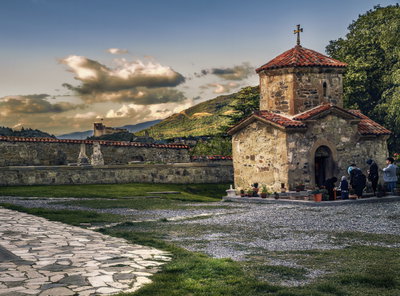
Samtavro, Mtskheta, 2015
Samtavro 2015 A view within the Samtavro Monastery complex in Mtskheta, photographed in 2015. The complex includes a church and an active convent dating back many centuries.
Samtavro, Mtskheta, 2015
Samtavro 2015 Another view of the Samtavro Monastery grounds in Mtskheta, Georgia, captured in 2015, showing part of a religious complex with roots in the early Christian era.
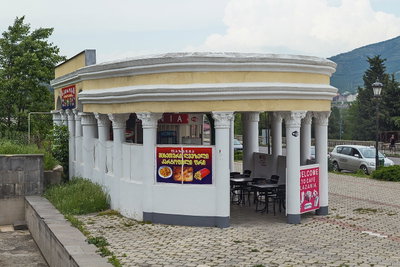
Mccheta, Kawiarnia w starym budynku, Mtskheta, 2016
Mccheta, Kawiarnia w starym budynku 2016 A cafe housed inside an older building in Mtskheta, Georgia, photographed in 2016.
Samtavro, Georgia, Mtskheta, 2016
Samtavro, Georgia 2016 Samtavro, a Georgian Orthodox monastery complex in Mtskheta, Georgia, photographed in 2016.
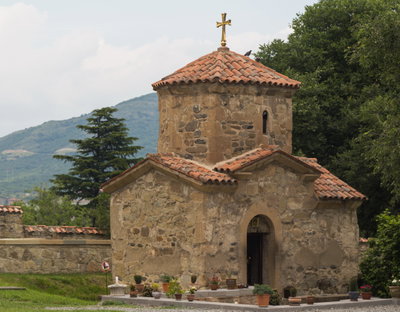
Mccheta, Klasztor Samtawro, Cerkiew św. Nino, Mtskheta, 2016
Mccheta, Klasztor Samtawro, Cerkiew św. Nino 2016 The Church of St. Nino within the Samtavro Monastery complex in Mtskheta, Georgia, photographed in 2016. Saint Nino is credited with bringing Christianity to Georgia in the 4th century.
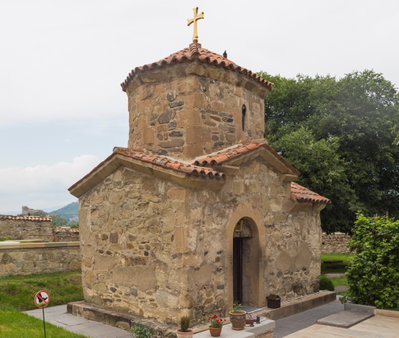
Mccheta, Klasztor Samtawro, Cerkiew św. Nino, Mtskheta, 2016
Mccheta, Klasztor Samtawro, Cerkiew św. Nino 2016 St. Nino's Church at the Samtavro Monastery in Mtskheta, Georgia, seen in 2016. The church is traditionally associated with Saint Nino, credited with bringing Christianity to Georgia in the fourth century, and stands within the same walled complex as Mtskheta's older Transfiguration church.
Mccheta, Klasztor Samtawro, Cerkiew Przemienienia Pańskiego, Mtskheta, 2016
Mccheta, Klasztor Samtawro, Cerkiew Przemienienia Pańskiego 2016 The Church of the Transfiguration at Samtavro Monastery in Mtskheta, photographed in 2016. Mtskheta, Georgia's ancient capital, is a UNESCO World Heritage Site whose religious complexes trace the country's early conversion to Christianity.
Mccheta, Klasztor Samtawro, Cerkiew Przemienienia Pańskiego, Mtskheta, 2016
Mccheta, Klasztor Samtawro, Cerkiew Przemienienia Pańskiego 2016 Another 2016 view of the Transfiguration Church within the Samtavro monastery complex in Mtskheta, part of a monastic site whose core structures date back over a thousand years and remain in active use as a convent today.
Mccheta, Klasztor Samtawro, Cerkiew św. Nino, Mtskheta, 2016
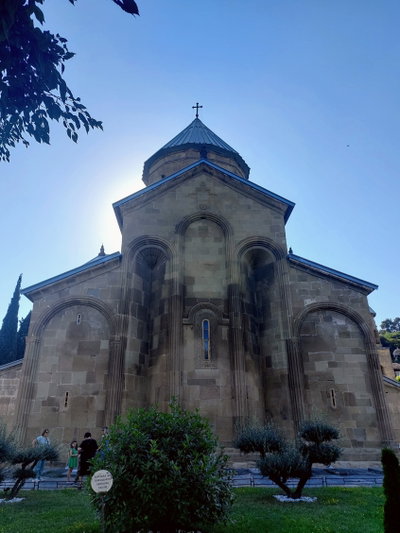
Mccheta, Klasztor Samtawro, Cerkiew św. Nino 2016 The Church of St. Nino at Samtavro Monastery in Mtskheta, seen here in 2016, is named for the woman traditionally credited with bringing Christianity to Georgia in the 4th century and is said to mark the site of her original cell.
Svetitskhoveli Cathedral. Jan 2021 09, Mtskheta, 2021
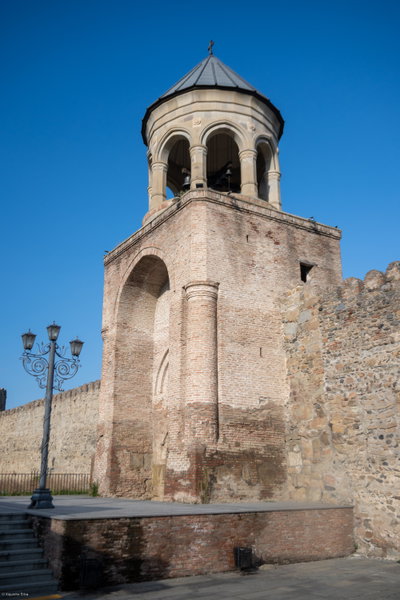
Svetitskhoveli Cathedral. Jan 2021 09 2021 Svetitskhoveli Cathedral in Mtskheta, Georgia, a UNESCO World Heritage site and one of the most significant churches of the Georgian Orthodox Church, traditionally said to house the robe of Christ.
Samtavro Monastery main church. View from southeast, Mtskheta, 2024
Samtavro Monastery main church. View from southeast 2024 The main church of Samtavro Monastery in Mtskheta, Georgia, is seen from the southeast in this 2024 photograph; the complex has stood beside Svetitskhoveli Cathedral since the fourth century.
East facade of the Samtavro Monastery main church, Mtskheta, Georgia 01, Mtskheta, 2024
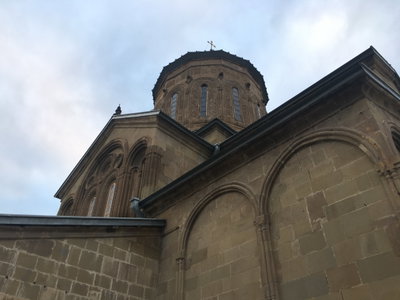
East facade of the Samtavro Monastery main church, Mtskheta, Georgia 01 2024 This 2024 photograph shows the east facade of the Samtavro Monastery's main church in Mtskheta, Georgia, one of the historic religious sites clustered in the former Georgian capital.
East facade of the Samtavro Monastery main church, Mtskheta, Georgia 04, Mtskheta, 2024
East facade of the Samtavro Monastery main church, Mtskheta, Georgia 04 2024 Another 2024 view of the Samtavro Monastery main church's east facade in Mtskheta, Georgia, where the monastery has stood since the fourth century.
Svetitskhoveli Cathedral, Mtskheta, 2025
Svetitskhoveli Cathedral 2025 Svetitskhoveli Cathedral in Mtskheta is one of Georgia's most significant Orthodox churches, built in the 11th century on a site linked to the country's conversion to Christianity. For centuries it served as the burial place of Georgian kings and remains part of Mtskheta's UNESCO-listed historic monuments.
Svetitskhoveli Cathedral, Mtskheta, 2025
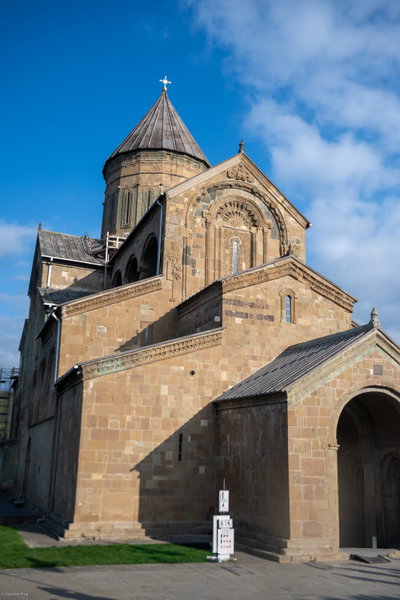
Svetitskhoveli Cathedral 2025 This view shows Svetitskhoveli Cathedral, the 11th-century Georgian Orthodox landmark in Mtskheta that was once the spiritual center of the Kingdom of Kartli. Its massive stone walls and cross-shaped plan reflect the architectural style typical of medieval Georgian church building.