Home › Tallinn › Tsentr tallina

Tsentr tallina through time

Tallinn 2005–2025 6 photos of this spot

6 recent photographs taken at the same spot in Tallinn, spanning 2005–2025. Have an older picture of it? Add it and start this spot's timeline.

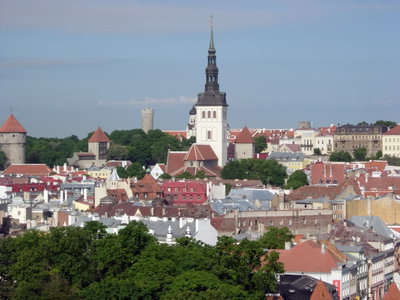
A view over Tallinn's Old Town, or Vanalinn, from the Viru Hotel in 2005. The medieval quarter's spires, red-tiled roofs, and city walls date largely from the 13th to 16th centuries, when Tallinn was a Hanseatic League trading port.

See this spot on the map
Have an old photo of Tsentr tallina? A family album, a postcard, a print from the attic. Pin it to the map and it becomes part of the record.
Add your photo
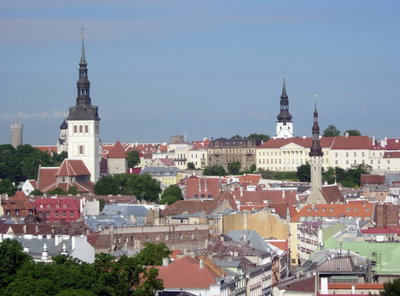
Vanalinn, view from Viru Hotel, 01, Tallinn, 2005
Vanalinn, view from Viru Hotel, 01 2005 A view over Tallinn's Old Town, or Vanalinn, from the Viru Hotel in 2005. The medieval quarter's spires, red-tiled roofs, and city walls date largely from the 13th to 16th centuries, when Tallinn was a Hanseatic League trading port.
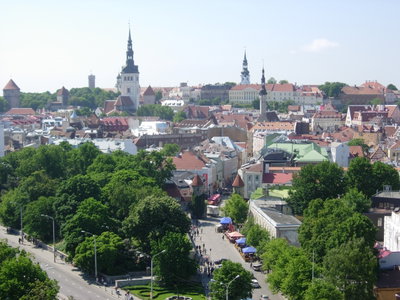
Vanalinn, view from Viru Hotel, 02, Tallinn, 2005
Vanalinn, view from Viru Hotel, 02 2005 Rooftops of Tallinn's Vanalinn stretch into the distance in this 2005 photograph taken from the Viru Hotel, showing the compact medieval old town below.
Vanalinn, view from Viru Hotel, 03, Tallinn, 2005
Vanalinn, view from Viru Hotel, 03 2005 A third 2005 view from the Viru Hotel overlooking Tallinn's Old Town, where church spires and city walls mark out the boundaries of the medieval Vanalinn district.
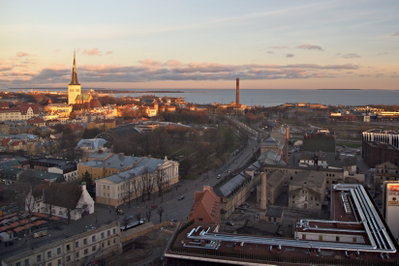
Tallinn Sea Side, Tallinn, 2007
Tallinn Sea Side 2007 The Baltic seafront near Tallinn, Estonia. Tallinn's harbor has long linked the medieval old town, a UNESCO World Heritage site, to trade routes across the Baltic Sea, and the city's turrets and spires remain visible from the water's edge.
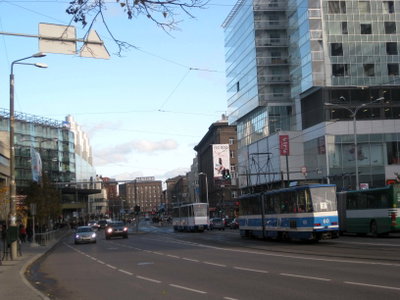
Tsentr tallina, Tallinn, 2009
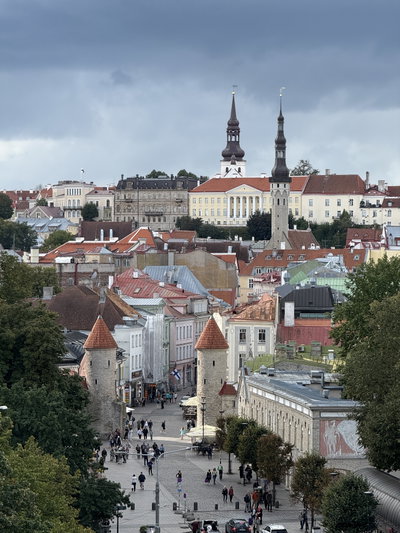
Tsentr tallina 2009 Central Tallinn is pictured in 2009, where the modern city meets the walled medieval Old Town along the Estonian capital's historic edge.
Tallinn old city picture, Tallinn, 2025
Tallinn old city picture 2025 Tallinn's Old Town, a UNESCO World Heritage Site, preserves much of its medieval street plan and Hanseatic-era architecture from the city's history as a trading center on the Baltic Sea.