Home › Tashkent › Dairy Market

Dairy Market through time

Tashkent 1868–2025 52 photos of this spot

52 photographs taken at the same spot in Tashkent, spanning 1868–2025 — 40 of them from before 1980. Line them up and watch the place change.

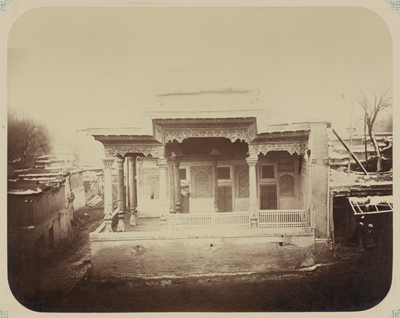
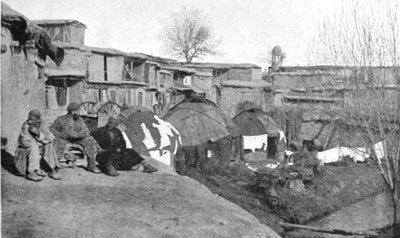
This 1868 photograph documents a women's mosque in Tashkent, capital of the newly formed Syr Darya Oblast, in the years following the Russian Empire's conquest of the city from local Central Asian rulers.

See this spot on the map
Have an old photo of Dairy Market? A family album, a postcard, a print from the attic. Pin it to the map and it becomes part of the record.
Add your photo
Syr Darya Oblast. City of Tashkent. A Women's Mosque, Tashkent, 1868
Syr Darya Oblast. City of Tashkent. A Women's Mosque 1868 This 1868 photograph documents a women's mosque in Tashkent, capital of the newly formed Syr Darya Oblast, in the years following the Russian Empire's conquest of the city from local Central Asian rulers.
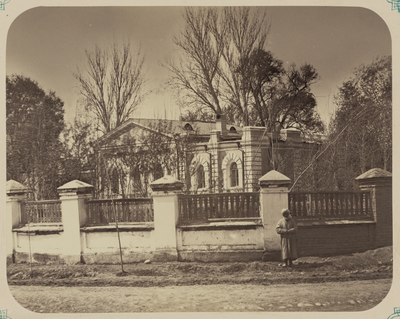
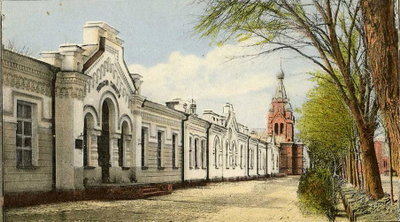
Syr Darya Oblast. City of Tashkent. Official Residence of the Russian Military Governor, Tashkent, 1868
Syr Darya Oblast. City of Tashkent. Official Residence of the Russian Military Governor 1868 Tashkent's official residence of the Russian military governor appears in this 1868 image, reflecting the Russian administrative presence established after the city became capital of the Syr Darya Oblast.
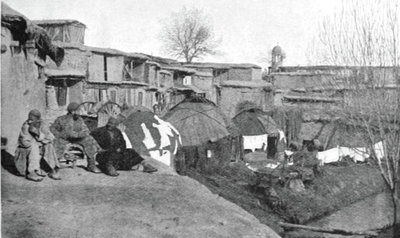
EU: jurta, tält, hus, fotografi, photograph (1893), Tashkent, 1893
EU: jurta, tält, hus, fotografi, photograph (1893) 1893 A yurt, tent, and house photographed near Tashkent in 1893, illustrating the mix of nomadic and settled dwellings found in the region under Russian imperial administration in the late nineteenth century.
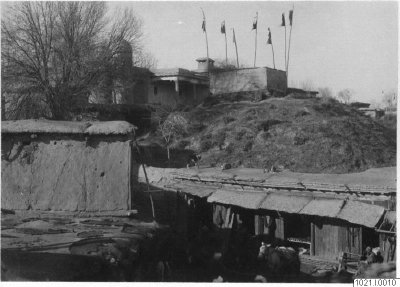
EU: hus, träd, fotografi, photograph (1893), Tashkent, 1893
EU: hus, träd, fotografi, photograph (1893) 1893 A house and trees photographed in Tashkent in 1893, part of a Swedish-captioned travel collection documenting everyday scenes in Central Asia's Uzbek capital during the era of Russian Turkestan, when the city served as the region's administrative seat.
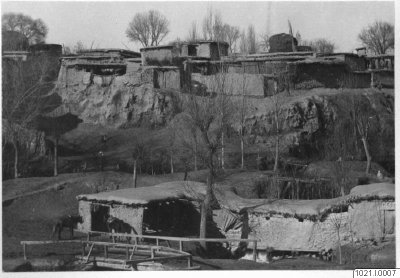
EU: hus, häst, träd, fotografi, photograph (1893), Tashkent, 1893
EU: hus, häst, träd, fotografi, photograph (1893) 1893 This 1893 photograph from Tashkent shows a house, a horse, and trees, captured as part of a Swedish-captioned series recording everyday scenes in the city during Russian colonial rule of Turkestan, before the old town's traditional architecture gave way to later development.
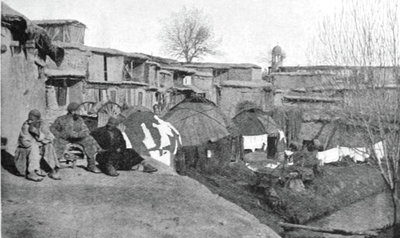
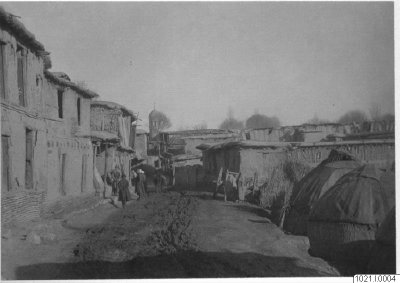
EU: gata, hus, fotografi, photograph (1893), Tashkent, 1893
EU: gata, hus, fotografi, photograph (1893) 1893 A street and houses in Tashkent, photographed in 1893 when the city served as the administrative center of Russian Turkestan, part of a Swedish-captioned photographic collection recording daily life in Central Asia.
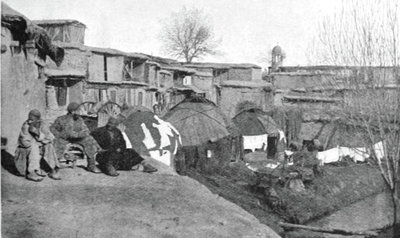
EU: jurta, tält, hus, fotografi, photograph (1895), Tashkent, 1895
EU: jurta, tält, hus, fotografi, photograph (1895) 1895 A dwelling scene near Tashkent from 1895, showing a yurt-like tent alongside a house, reflecting the mixed nomadic and settled architecture found in this Central Asian region at the time.
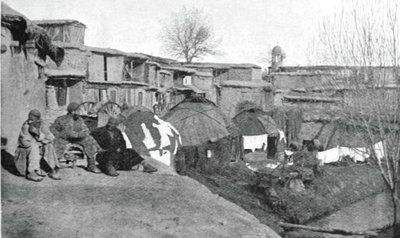
EU: jurta Tashkent (1895), Tashkent, 1895
EU: jurta Tashkent (1895) 1895 A yurt photographed in Tashkent in 1895. Portable felt dwellings of this kind were used by nomadic and semi-nomadic peoples across Central Asia, including on the outskirts of Russian-administered Tashkent.
EU: jurta, tält, hus, fotografi, photograph (1897), Tashkent, 1897
EU: jurta, tält, hus, fotografi, photograph (1897) 1897 A yurt photographed near Tashkent in 1897, illustrating the nomadic dwellings still in use in Turkestan under Russian imperial rule.
EU: jurta, tält, hus, fotografi, photograph (1898), Tashkent, 1898
EU: jurta, tält, hus, fotografi, photograph (1898) 1898 A yurt, tent and house pictured together in Tashkent in 1898, illustrating the mix of nomadic and settled dwellings found in the city during the era of Russian Turkestan.
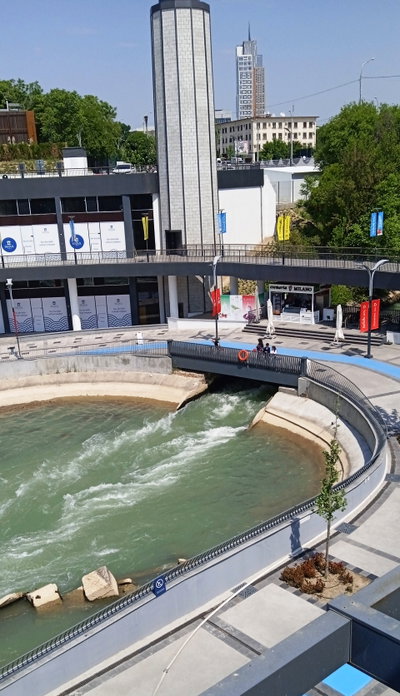
Tashkent seminary, Tashkent, 1900
Tashkent seminary 1900 A seminary building in Tashkent is pictured in this 1900 photograph, taken while the city served as the administrative capital of Russian Turkestan under the Russian Empire.
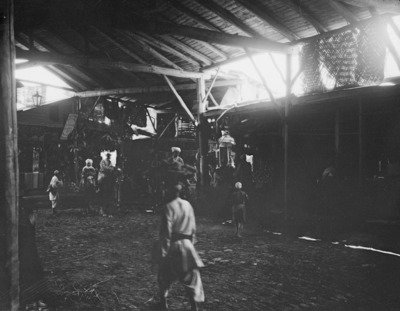
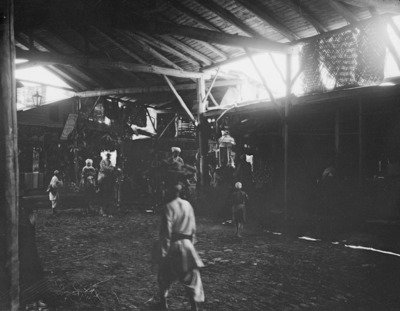
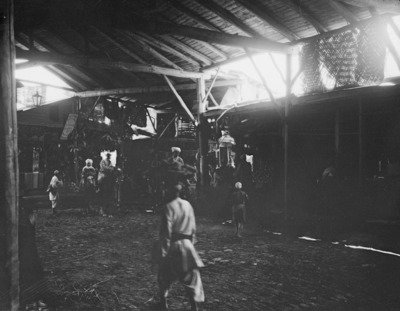
EU: katettu kauppakäytävä (1906), Tashkent, 1906
EU: katettu kauppakäytävä (1906) 1906 A covered market arcade in Tashkent is the subject of this 1906 photograph, taken while the city served as capital of Russian Turkestan.
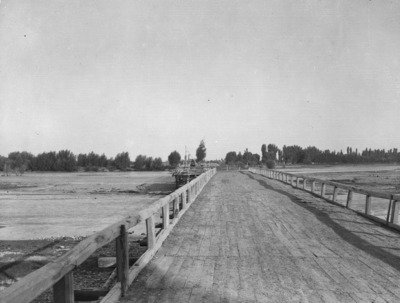
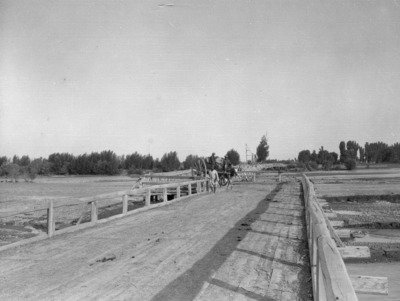
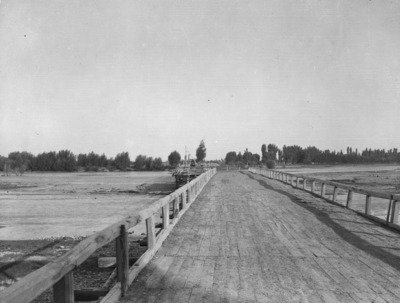
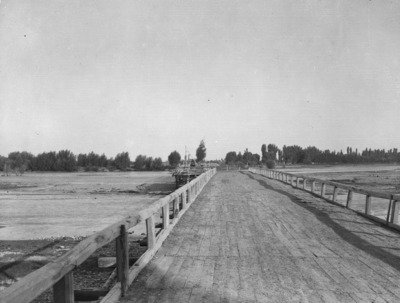
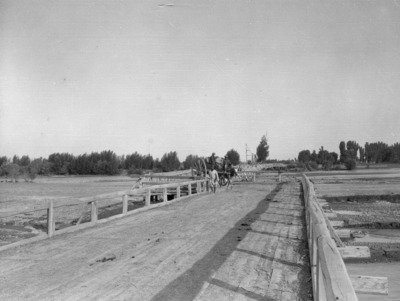
EU: puinen silta (1906), Tashkent, 1906
EU: puinen silta (1906) 1906 A wooden bridge spans a waterway in this 1906 photograph from Tashkent, then the administrative center of Russian Turkestan.
EU: arba-vankkurit puisella sillalla (1906), Tashkent, 1906
EU: arba-vankkurit puisella sillalla (1906) 1906 Arba carts, the traditional two-wheeled vehicles of Central Asia, cross a wooden bridge in this 1906 photograph from Tashkent.
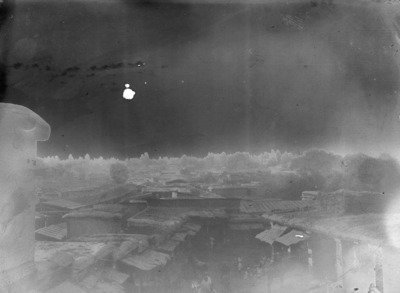
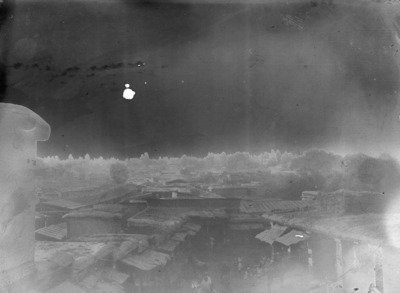
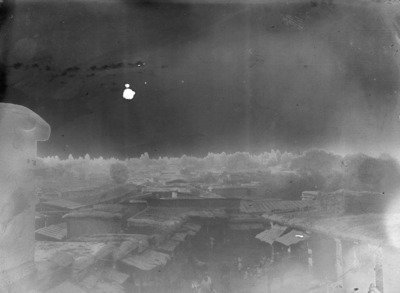
EU: kaupungin kattoja ylhäältä kuvattuna (1906), Tashkent, 1906
EU: kaupungin kattoja ylhäältä kuvattuna (1906) 1906 This 1906 photograph looks out over the rooftops of Tashkent, offering an elevated view of the city under Russian colonial rule.
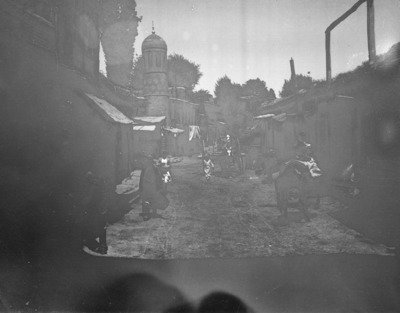
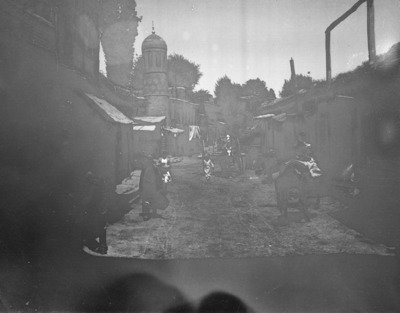
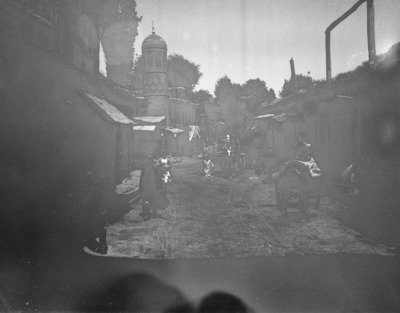
EU: katunäkymä (1906), Tashkent, 1906
EU: katunäkymä (1906) 1906 A street scene in Tashkent, photographed in 1906, during the period when the city was seat of the Russian Turkestan governorate.
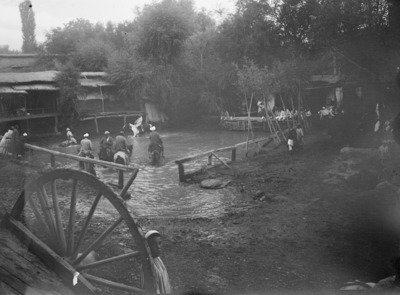
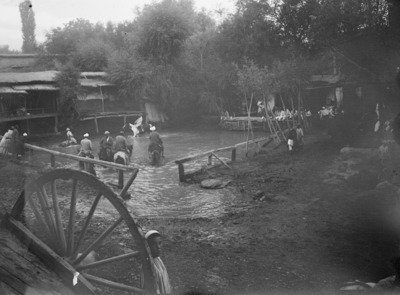
EU: majatalo ja aidattu vesiallas, jossa hevosia ratsastajineen (1906), Tashkent, 1906
EU: majatalo ja aidattu vesiallas, jossa hevosia ratsastajineen (1906) 1906 Horses and their riders gather at a fenced water pool beside an inn in this 1906 photograph from Tashkent.
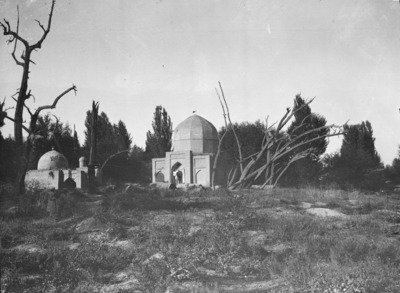
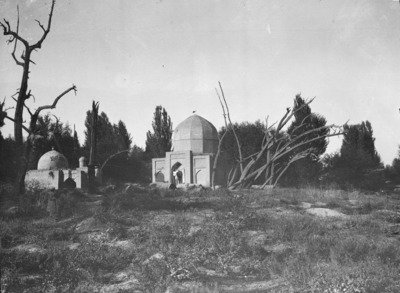
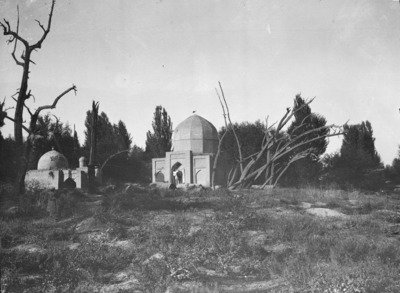
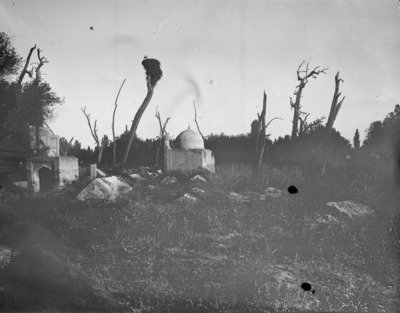
EU: vanha hautausmaa pyhine puineen (1906), Tashkent, 1906
EU: vanha hautausmaa pyhine puineen (1906) 1906 An old cemetery shaded by sacred trees is pictured in this 1906 photograph from Tashkent, reflecting local burial traditions of the period.
EU: katettu kauppakäytävä, Tashkent (1906), Tashkent, 1906
EU: katettu kauppakäytävä, Tashkent (1906) 1906 A covered market passage in Tashkent, photographed in 1906. Roofed bazaar streets like this one sheltered traders from the sun in the old quarters of the city.
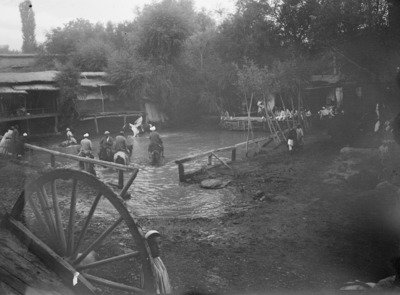
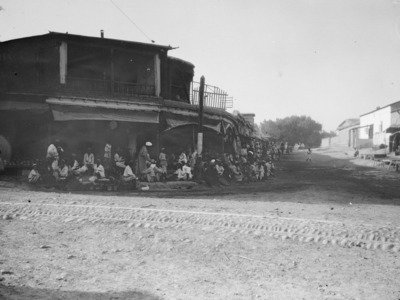
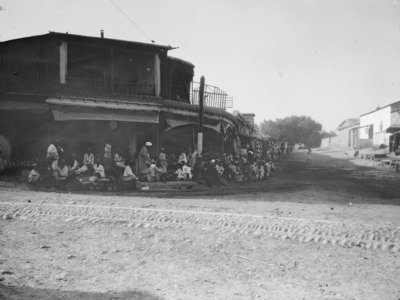
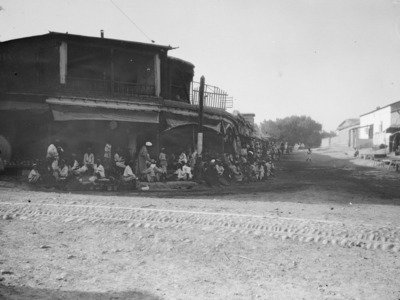
EU: kadunkulma, talojen edustalla väkeä istuskelemassa, Tashkent (1906), Tashkent, 1906
EU: kadunkulma, talojen edustalla väkeä istuskelemassa, Tashkent (1906) 1906 A street corner in Tashkent in 1906, with residents seated in front of the houses along the road, a common daily scene in the city's old town during the era of Russian Turkestan.
EU: puinen silta, Tashkent (1906), Tashkent, 1906
EU: puinen silta, Tashkent (1906) 1906 A wooden bridge in Tashkent, photographed in 1906, of the kind used to cross the city's irrigation canals and waterways that threaded through its old quarters.
EU: vanha hautausmaa pyhine puineen, Tashkent (1906), Tashkent, 1906
EU: vanha hautausmaa pyhine puineen, Tashkent (1906) 1906 An old cemetery in Tashkent shaded by sacred trees, photographed in 1906. Burial grounds marked by venerated trees were a notable feature of Central Asian towns of the period.
EU: kaupungin kattoja ylhäältä kuvattuna, Tashkent (1906), Tashkent, 1906
EU: kaupungin kattoja ylhäältä kuvattuna, Tashkent (1906) 1906 Rooftops of Tashkent photographed from an elevated vantage point in 1906, showing the flat-roofed mudbrick houses typical of the city's old quarters at the time.
EU: katunäkymä, Tashkent (1906), Tashkent, 1906
EU: katunäkymä, Tashkent (1906) 1906 A street view in Tashkent, 1906, capturing the everyday appearance of the city during the period of Russian Turkestan administration in Central Asia.
EU: majatalo ja aidattu vesiallas, jossa hevosia ratsastajineen, Tashkent (1906), Tashkent, 1906
EU: majatalo ja aidattu vesiallas, jossa hevosia ratsastajineen, Tashkent (1906) 1906 A caravanserai in Tashkent with a fenced water pool, where horses and their riders are gathered, photographed in 1906. Such inns provided lodging and water for travelers and their animals.
EU: kadunkulma, talojen edustalla väkeä istuskelemassa (1906), Tashkent, 1906
EU: kadunkulma, talojen edustalla väkeä istuskelemassa (1906) 1906 Residents sit outside houses at a street corner in this 1906 photograph of Tashkent, then the administrative capital of Russian Turkestan.
EU: katettu kauppakäytävä (1907), Tashkent, 1907
EU: katettu kauppakäytävä (1907) 1907 Traders' stalls line a roofed market passage in Tashkent in this 1907 photograph, part of a series documenting the city's old bazaar quarter and its everyday commerce.
EU: kadunkulma, talojen edustalla väkeä istuskelemassa (1907), Tashkent, 1907
EU: kadunkulma, talojen edustalla väkeä istuskelemassa (1907) 1907 Local residents sit outside their houses at a street corner in Tashkent, pictured in 1907 as part of a series recording everyday scenes in the city's old town.
EU: puinen silta (1907), Tashkent, 1907
EU: puinen silta (1907) 1907 A wooden footbridge crossing a canal in Tashkent, photographed in 1907. Such bridges connected the city's residential quarters across its network of irrigation channels.
EU: arba-vankkurit puisella sillalla (1907), Tashkent, 1907
EU: arba-vankkurit puisella sillalla (1907) 1907 Arba carts, the traditional two-wheeled carts of Central Asia, cross a wooden bridge in Tashkent in this 1907 photograph, illustrating how goods and people moved through the city's canal-crossed streets.
EU: vanha hautausmaa pyhine puineen (1907), Tashkent, 1907
EU: vanha hautausmaa pyhine puineen (1907) 1907 An old cemetery shaded by sacred trees in Tashkent, photographed in 1907, part of a series of images recording the city's traditional burial grounds.
EU: vanha hautausmaa pyhine puineen - toinen näkymä (1907), Tashkent, 1907
EU: vanha hautausmaa pyhine puineen - toinen näkymä (1907) 1907 A second view of an old, tree-shaded cemetery in Tashkent, taken in 1907 to document the site from a different angle than a companion photograph in the same series.
EU: katunäkymä (1907), Tashkent, 1907
EU: katunäkymä (1907) 1907 A street in Tashkent photographed in 1907, showing the everyday townscape of the city under Russian Turkestan administration in Central Asia.
EU: majatalo ja aidattu vesiallas (1907), Tashkent, 1907
EU: majatalo ja aidattu vesiallas (1907) 1907 A caravanserai with a fenced water pool in Tashkent, photographed in 1907, where travelers could rest and water their animals along the city's trade routes.
EU: kaupungin kattoja ylhäältä kuvattuna (1907), Tashkent, 1907
EU: kaupungin kattoja ylhäältä kuvattuna (1907) 1907 The rooftops of Tashkent are viewed from an elevated vantage point in this 1907 photograph of the Central Asian city under Russian imperial administration.
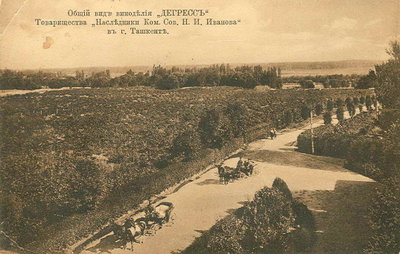
Tashkent Winery Enterprise of the Heirs of N. I. Ivanov, Tashkent, 1913
Tashkent Winery Enterprise of the Heirs of N. I. Ivanov 1913 The winery enterprise established by the heirs of N. I. Ivanov appears in this 1913 photograph from Tashkent, reflecting the growth of commercial viticulture in Russian Turkestan in the years before the Bolshevik Revolution.
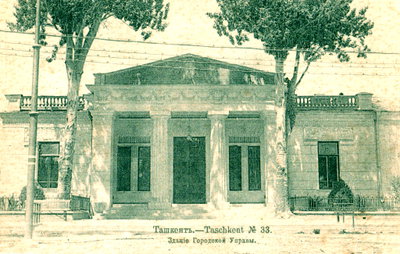
Tashkent the building of town council, Tashkent, 1917
Tashkent the building of town council 1917 The building of the town council in Tashkent, Uzbekistan, photographed in 1917, the year of the revolutions that preceded the fall of the Russian Empire in Central Asia.
Tashkent the building of town council 02, Tashkent, 1917
Tashkent the building of town council 02 1917 A second 1917 view of Tashkent's town council building, the seat of municipal government in the Central Asian city.
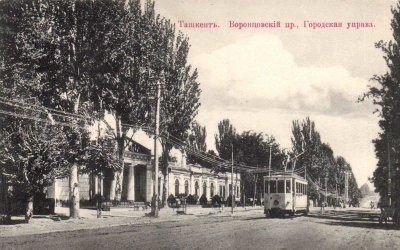
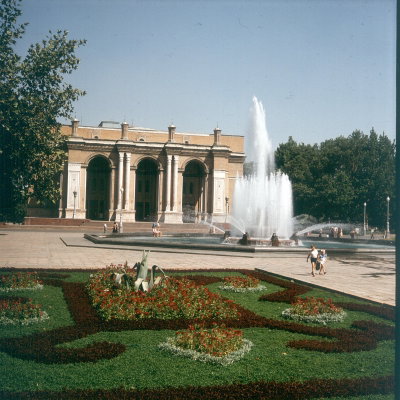
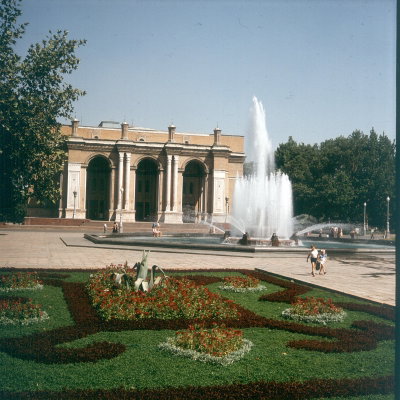
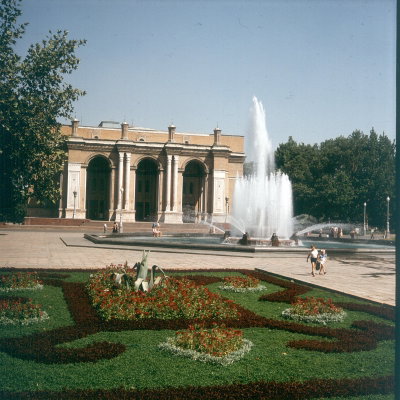
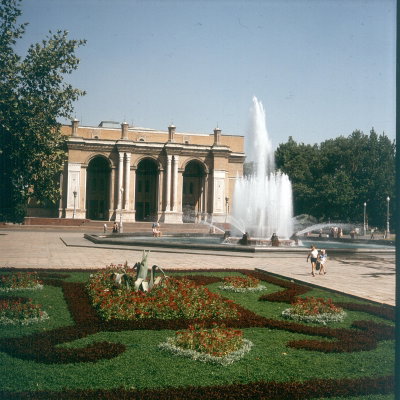
EU: Tashkent. Uzbek National Theater (NUytheater) (1939, 1944/1947; Alexej Schusev). Entrance front with water features and flower discounts (1944), Tashkent, 1944
EU: Tashkent. Uzbek National Theater (NUytheater) (1939, 1944/1947; Alexej Schusev). Entrance front with water features and flower discounts (1944) 1944 A 1944 view of the entrance front of Tashkent's Uzbek National Theater, with its water features and flower beds. The building was designed by the Soviet architect Alexey Shchusev and was constructed in stages between 1939 and 1947, opening as one of the city's principal cultural landmarks.
EU: Tashkent. Uzbek National Theater entrance front (1947), Tashkent, 1947
EU: Tashkent. Uzbek National Theater entrance front (1947) 1947 The entrance front of a national theater in Tashkent, then capital of the Uzbek Soviet Socialist Republic, photographed in 1947, a period of postwar reconstruction and Soviet-era public building across Central Asia.
EU: Tashkent. Uzbek National Theater (NUytheater) (1939, 1944/1947; Alexej Schusev). Entrance front with water features and flower discounts (1986), Tashkent, 1986
EU: Tashkent. Uzbek National Theater (NUytheater) (1939, 1944/1947; Alexej Schusev). Entrance front with water features and flower discounts (1986) 1986 The entrance front of the Uzbek National Theater in Tashkent, Uzbekistan, photographed in 1986. Designed by architect Alexey Shchusev and built between 1939 and the late 1940s, it remains a landmark of the city's Soviet-era architecture.
EU: Tashkent. Uzbek National Theater (Navoiy theater), entrance front (1944), Tashkent, 1986
EU: Tashkent. Uzbek National Theater (Navoiy theater), entrance front (1944) 1986 This 1986 photograph shows the entrance front of the Alisher Navoi Uzbek National Theatre in Tashkent, Uzbekistan, a landmark opera and ballet venue built in the mid-twentieth century. The theatre remains one of the city's principal performing arts institutions.
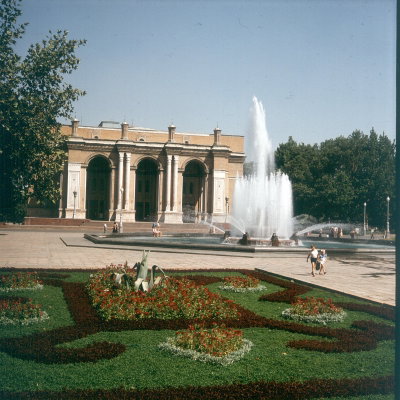
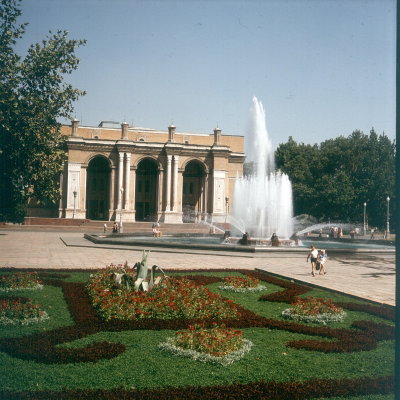
EU: Tashkent. Uzbek National Theater (NUytheater) (1986), Tashkent, 1986
EU: Tashkent. Uzbek National Theater (NUytheater) (1986) 1986 This 1986 view captures the Uzbek National Drama Theatre in Tashkent, then the capital of the Uzbek Soviet Socialist Republic. Much of the city had been rebuilt in a modernist Soviet style after a devastating earthquake struck in 1966.
EU: Tashkent. Uzbek National Theater, entrance front (1986), Tashkent, 1986
EU: Tashkent. Uzbek National Theater, entrance front (1986) 1986 The entrance front of Uzbekistan's national theater in Tashkent, photographed in 1986 while the city was still part of the Soviet Union. Tashkent's Soviet-era theaters were built as showcases of state-sponsored culture in Central Asia.
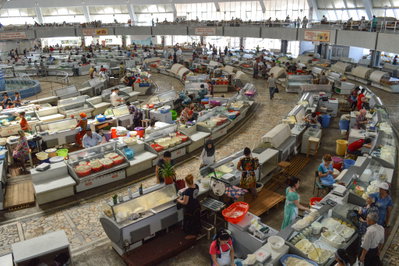
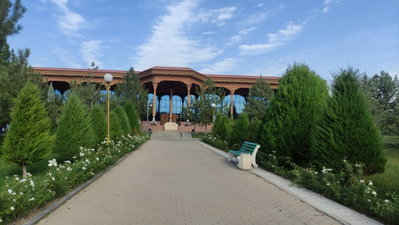
Dairy Market, Tashkent, 2015
Dairy Market 2015 A dairy market in Tashkent, Uzbekistan, photographed in 2015. Tashkent, the capital of Uzbekistan, is the largest city in Central Asia and a major commercial hub for the surrounding region.
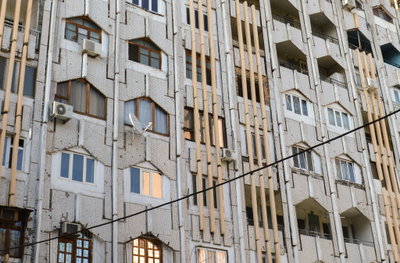
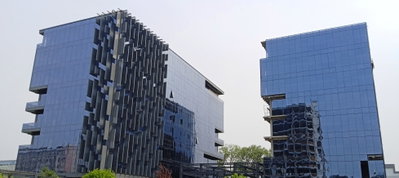
Apartment Building, Tashkent, 2015
Apartment Building 2015 An apartment building in Tashkent, Uzbekistan, photographed in 2015. Much of the city was rebuilt with Soviet-era housing after a major earthquake destroyed large parts of it in 1966.
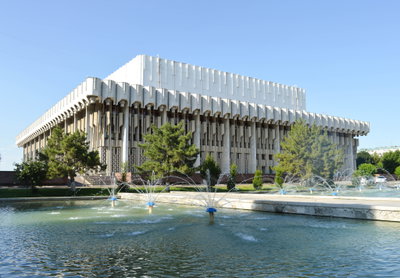
Back Of The Concert Hall, Tashkent, 2015
Back Of The Concert Hall 2015 The rear of a concert hall in Tashkent, Uzbekistan, photographed in 2015, part of the city's stock of Soviet-era public and cultural buildings built after the destructive 1966 earthquake.
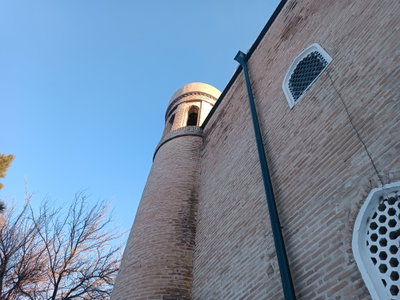
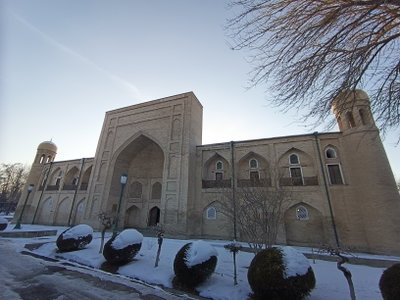
Abulqosim madrasasi 04, Tashkent, 2023
Abulqosim madrasasi 04 2023 The Abulqosim Madrasah in Tashkent, Uzbekistan, photographed in 2023. The historic Islamic school is among several preserved madrasahs in the city's old town.
Abulqosim madrasasi 09, Tashkent, 2023
Abulqosim madrasasi 09 2023 Another 2023 view of the Abulqosim Madrasah in Tashkent, a historic religious school in the Uzbek capital's old quarter, one of several madrasahs preserved in the district.
Adiblar xiyoboni muzeyi, Tashkent, 2024
Adiblar xiyoboni muzeyi 2024 This 2024 photograph shows a museum along Adiblar Xiyoboni, a park in Tashkent whose Uzbek name translates roughly to 'Writers' Avenue.' The area is dedicated to monuments and institutions honoring the country's literary figures.
Высотные здания г. Ташкент 3, Tashkent, 2025
Высотные здания г. Ташкент 3 2025 A cluster of high-rise buildings in Tashkent, Uzbekistan, captured in 2025. As Central Asia's most populous city, Tashkent has seen rapid vertical growth in recent decades.
Seoul Mun, г. Ташкент, Tashkent, 2025
Seoul Mun, г. Ташкент 2025 Seoul Mun, a landmark named for South Korea's capital, located in Tashkent, the capital of Uzbekistan, photographed in 2025. Tashkent has long maintained ties with cities abroad, reflected in monuments and place names such as this one scattered across the city.