Home › Zagreb › Kaptol Square

Kaptol Square through time

Zagreb 1898–2025 32 photos of this spot

32 photographs taken at the same spot in Zagreb, spanning 1898–2025 — 9 of them from before 1980. Line them up and watch the place change.

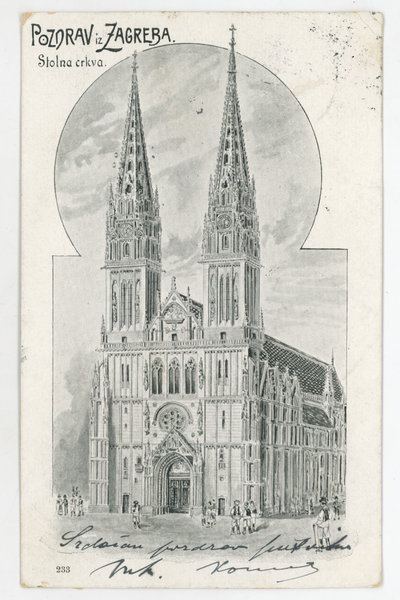
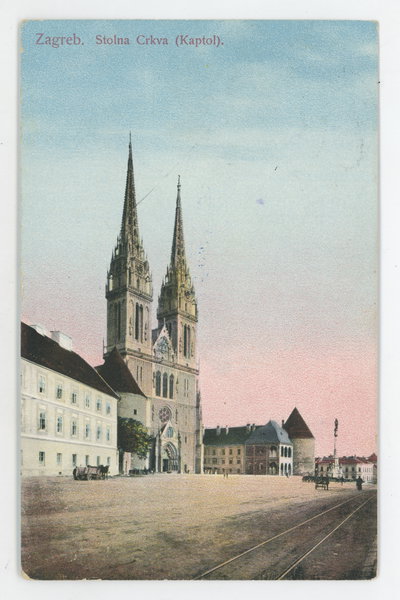
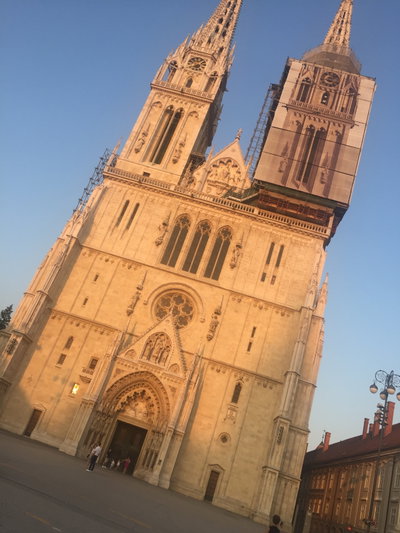
Zagreb Cathedral photographed in 1898, a period when scaffolding and reconstruction work were transforming the earthquake-damaged building into the neo-Gothic landmark familiar today, with its twin spires completed a few years later in 1902.

See this spot on the map
Have an old photo of Kaptol Square? A family album, a postcard, a print from the attic. Pin it to the map and it becomes part of the record.
Add your photo
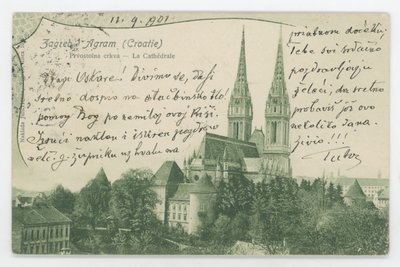
EU: Zagreb - Cathedrala (1898), Zagreb, 1898
EU: Zagreb - Cathedrala (1898) 1898 Zagreb Cathedral photographed in 1898, a period when scaffolding and reconstruction work were transforming the earthquake-damaged building into the neo-Gothic landmark familiar today, with its twin spires completed a few years later in 1902.
EU: Zagreb - Cathedral (1900), Zagreb, 1900
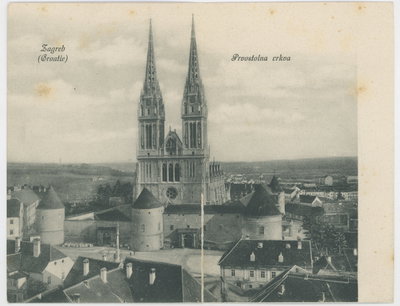
EU: Zagreb - Cathedral (1900) 1900 Zagreb Cathedral is pictured in 1900, a period when the building was undergoing extensive neo-Gothic reconstruction following the earthquake that had damaged the city two decades earlier.
EU: Zagreb - Katedrala (1902), Zagreb, 1902
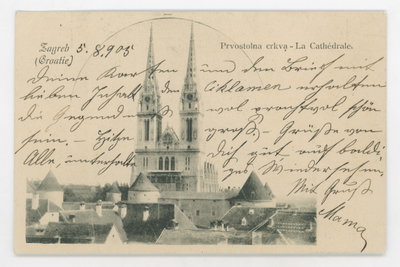
EU: Zagreb - Katedrala (1902) 1902 Zagreb Cathedral photographed in 1902, the year architect Hermann Bollé's neo-Gothic restoration was completed following the destructive 1880 earthquake, giving the cathedral the twin spires that still define Zagreb's skyline.
EU: Zagreb - Cathedral (1902), Zagreb, 1902
EU: Zagreb - Cathedral (1902) 1902 A 1902 photograph of Zagreb Cathedral showing the newly completed twin spires, the culmination of more than two decades of reconstruction after the 1880 earthquake severely damaged the medieval building.
Mercado en Zagreb, Zagreb, 1908
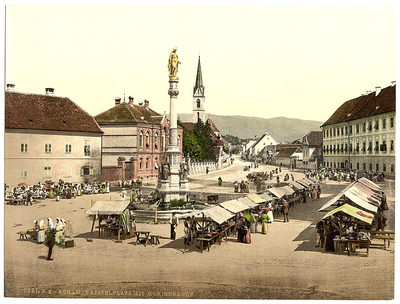
Mercado en Zagreb 1908 An open-air market in Zagreb, Croatia, photographed in 1908.
EU: Zagreb - Cathedral (1914), Zagreb, 1914
EU: Zagreb - Cathedral (1914) 1914 Zagreb Cathedral rises over the Croatian capital, its twin spires a defining feature of the city skyline since their reconstruction in the neo-Gothic style following the destructive 1880 earthquake.
EU: Zagreb - Cathedral (1925), Zagreb, 1925
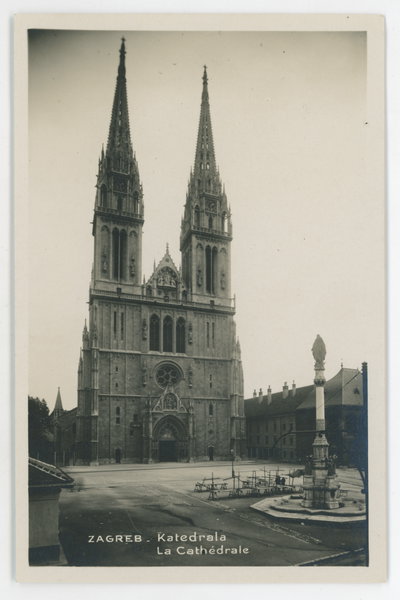
EU: Zagreb - Cathedral (1925) 1925 Zagreb Cathedral is pictured in this 1925 photograph, its twin spires rising above the Croatian capital.
EU: Zagreb - Cathedral (1929), Zagreb, 1929
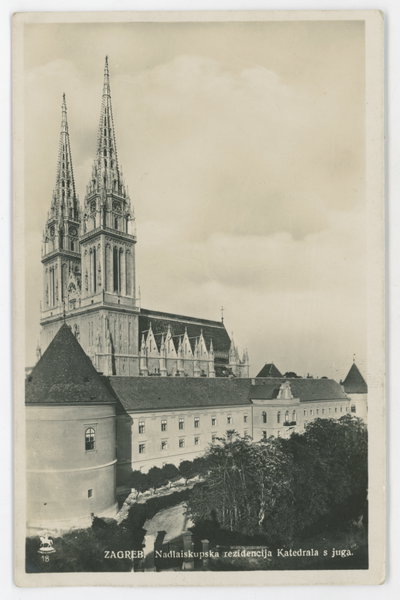
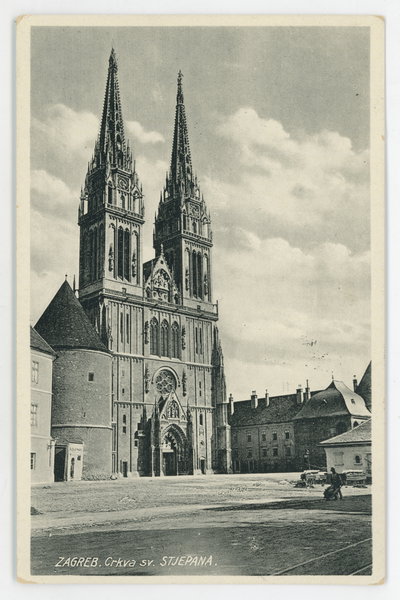
EU: Zagreb - Cathedral (1929) 1929 Zagreb Cathedral, Croatia, photographed in 1929. The Gothic-revival cathedral with its twin spires has long stood as the tallest building in the city and a defining symbol of its skyline.
EU: Zagreb - Cathedral (1930), Zagreb, 1930
EU: Zagreb - Cathedral (1930) 1930 Zagreb Cathedral, the Gothic-style cathedral dedicated to the Assumption of Mary, photographed in 1930. Its twin spires have long dominated the skyline of the Croatian capital.
Площадь перед кафедральным собором, Zagreb, 2008
Площадь перед кафедральным собором 2008 The square in front of Zagreb Cathedral, Croatia, photographed in 2008. This plaza in the Kaptol district has long served as a gathering point beside the city's principal church and its surrounding ecclesiastical buildings.
ZAGABRIA, Zagreb, 2009
ZAGABRIA 2009 This 2009 image shows Zagreb, whose Habsburg-era boulevards and 19th-century buildings define much of the Croatian capital's Lower Town, laid out during the city's period of rapid growth.
Zagreb, Zagreb, 2011
Zagreb 2011 A view of Zagreb, Croatia, taken in 2011. The city developed from the twin medieval settlements of Gradec and Kaptol, which together form its historic Upper Town today.
Zagreb, Zagreb, 2011
Zagreb 2011 Zagreb, Croatia, photographed in 2011. The city's Upper Town, Gornji Grad, preserves a medieval street pattern, while the Lower Town developed in the 19th century around Austro-Hungarian-era squares and parks.
Croatia Zagreb Cathedral Square 6vl, Zagreb, 2011
Croatia Zagreb Cathedral Square 6vl 2011 Zagreb Cathedral Square, photographed in August 2011, in front of the Gothic cathedral that has long served as a landmark of the Croatian capital.
Zagreb, Croatia, Zagreb, 2011
Zagreb, Croatia 2011 A 2011 photograph of Zagreb, Croatia's capital, a city that traces its origins to the twin medieval settlements of Kaptol and Gradec on the hills above the river Sava.
Zagreb, Croàcia (agost 2013), Zagreb, 2013
Zagreb, Croàcia (agost 2013) 2013 A view of Zagreb, Croatia, taken in August 2013.
Zagrebački kaptol (Zagreb Kaptol Square), Zagreb, 2013
Zagrebački kaptol (Zagreb Kaptol Square) 2013 Kaptol, the historic square in Zagreb built around the city's cathedral, photographed in 2013. Kaptol has long served as the ecclesiastical center of the Croatian capital.
Zagrebački kaptol (Zagreb Kaptol Square), Zagreb, 2013
Zagrebački kaptol (Zagreb Kaptol Square) 2013 A further view of Kaptol square in Zagreb, Croatia, photographed in 2013.
Zagreb in 2016, Zagreb, 2016
Zagreb in 2016 2016 A 2016 street view of Zagreb, the capital of Croatia, cataloged under the reference HR-ZG-Zagreb089. Zagreb's Lower and Upper Town districts contain a mix of Austro-Hungarian era architecture and older medieval structures.
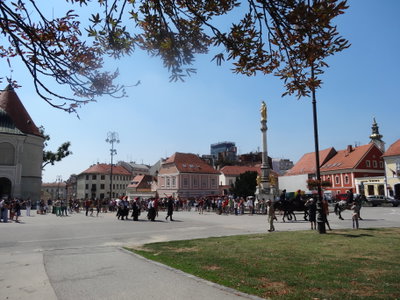
Kaptol Square, Zagreb, 2016
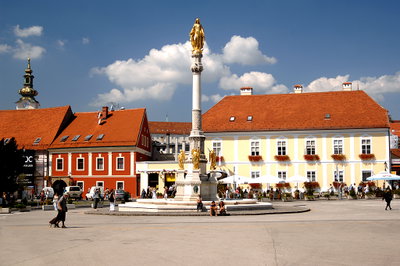
Kaptol Square 2016 Kaptol Square in Zagreb, Croatia, the open plaza fronting the twin-spired cathedral. The square has long functioned as the religious and civic heart of the city's oldest settled area.
Zagreb, Croatia, Zagreb, 2016
Zagreb, Croatia 2016 A view of central Zagreb, Croatia, captured in 2016 near the Kaptol district that grew up around the city's medieval cathedral. Kaptol developed as a fortified ecclesiastical settlement separate from the neighboring hilltop town of Gradec before the two merged in the 19th century.
Zagreb, Croatia, Zagreb, 2016
Zagreb, Croatia 2016 Another 2016 street view from Zagreb's Kaptol quarter, the cluster of lanes and squares that developed around the cathedral chapter through the Middle Ages.
Zagreb in 2016, Zagreb, 2016
Zagreb in 2016 2016 A 2016 photograph taken in Kaptol, Zagreb's cathedral district, once a separate walled settlement before it merged with the neighboring town of Gradec to form the modern city.
Zagreb in 2016, Zagreb, 2016
Zagreb in 2016 2016 A street in Zagreb's Kaptol area, the historic ecclesiastical district that has surrounded the city's cathedral since the diocese was founded in 1094.
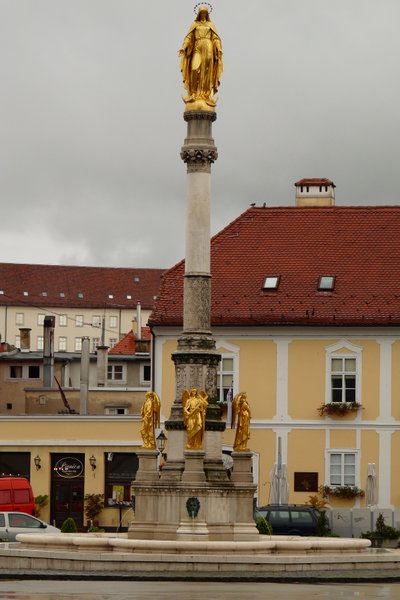
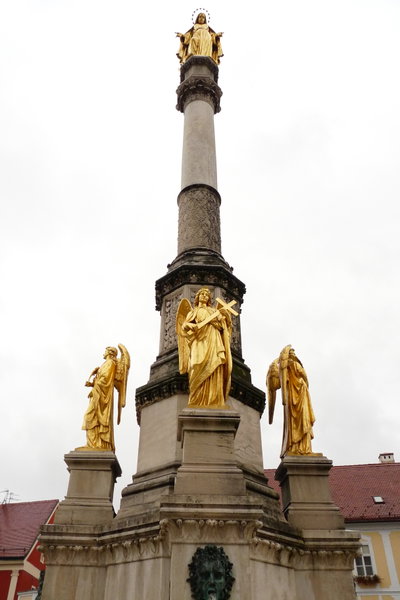
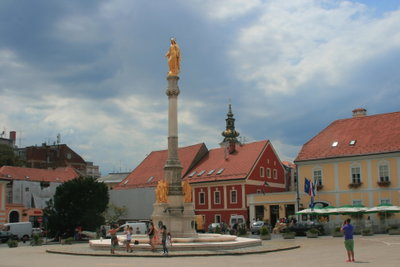
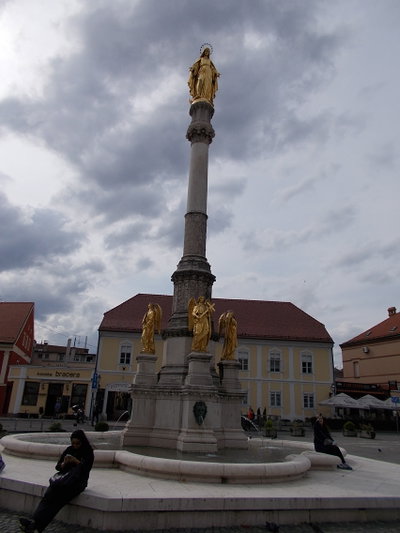
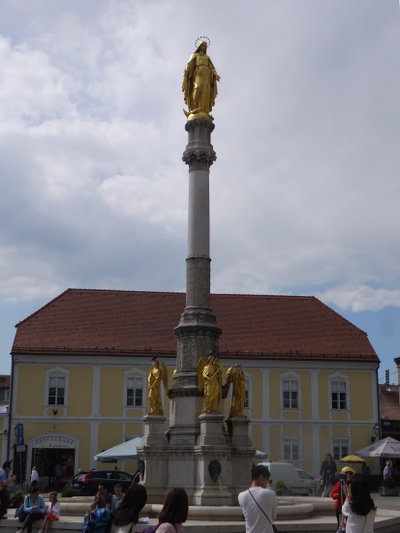
Fountain Madonna and Angels, Zagreb, 2016
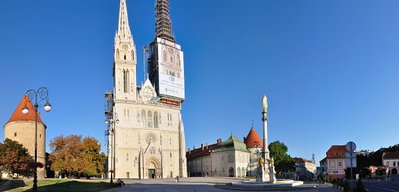
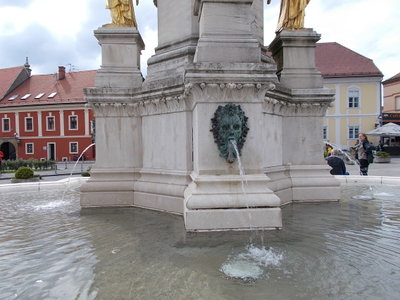
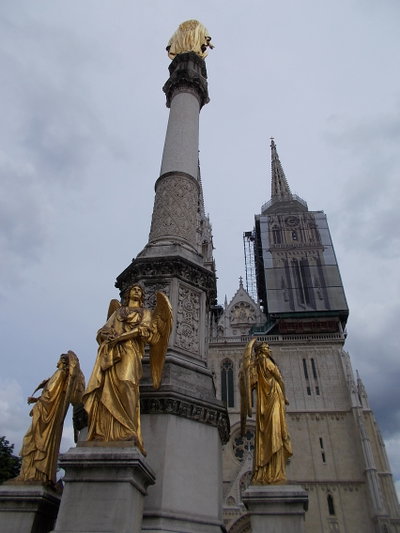
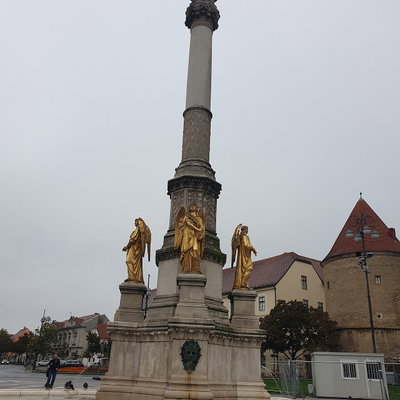
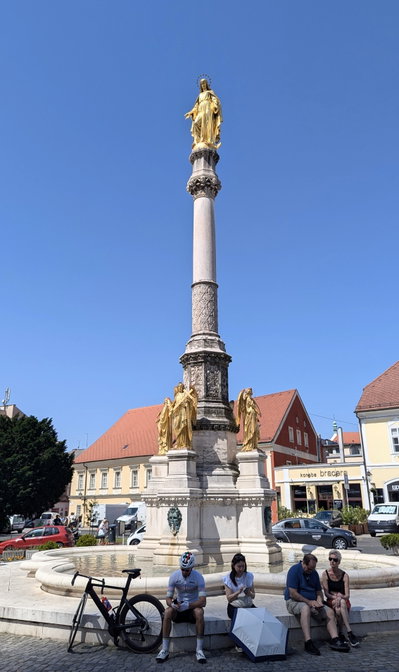
Fountain Madonna and Angels 2016 The Fountain of the Madonna and Angels, also called the Mary Column, stands in Kaptol Square before Zagreb Cathedral. Erected in the early 20th century, it depicts the Virgin Mary atop a column ringed by four bronze angels.
Zagreb in 2016, Zagreb, 2016
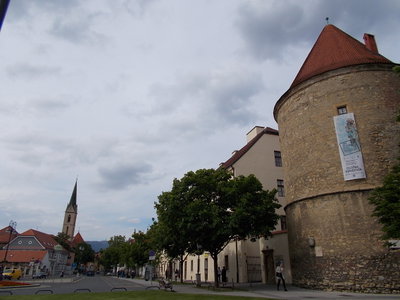
Zagreb in 2016 2016 A street in Zagreb's Kaptol district, photographed in 2016 close to the cathedral that has anchored this part of the Croatian capital since medieval times.
Zagreb in 2016, Zagreb, 2016
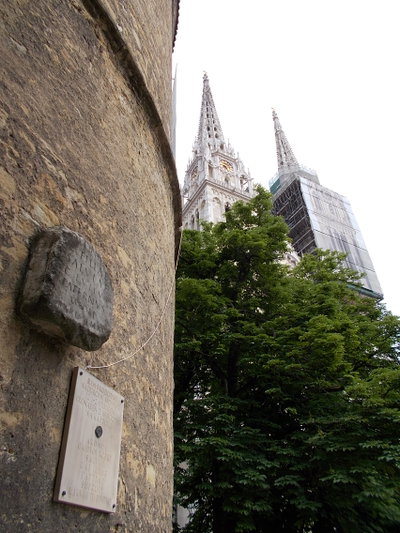
Zagreb in 2016 2016 A street in Kaptol Square, Zagreb, in the shadow of the cathedral's twin spires, which were rebuilt in neo-Gothic style after a 1880 earthquake.
Zagreb in 2016, Zagreb, 2016
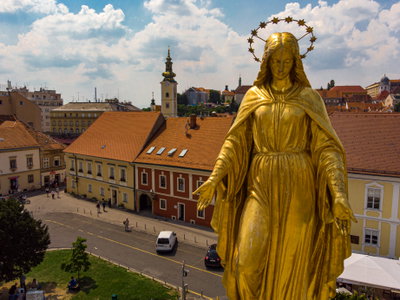
Zagreb in 2016 2016 A corner of Kaptol Square in Zagreb, Croatia, taken in 2016 near the cathedral's main entrance, where a gilded statue of the Virgin Mary stands atop a column facing the square.
Zagreb in 2016, Zagreb, 2016
Zagreb in 2016 2016 A view of Kaptol, Zagreb, close to the cathedral rebuilt in neo-Gothic style by architect Hermann Bollé following the earthquake that struck the city in 1880 and badly damaged its original towers.
Zagreb-DJI, Zagreb, 2019
Zagreb-DJI 2019 Taken by drone on June 16, 2019, this aerial photograph shows the city of Zagreb, Croatia from above, capturing the layout of Croatia's capital and largest city.
October 2022 in Zagreb, Zagreb, 2022
October 2022 in Zagreb 2022 Zagreb, the capital of Croatia, combines an Austro-Hungarian-era Upper and Lower Town with a medieval hilltop core. This photograph was taken on 1 October 2022.
Tuesday in Zagreb, Zagreb, 2025
Tuesday in Zagreb 2025 A street scene captured in Zagreb, Croatia, on an ordinary weekday in 2025. Zagreb is the capital and largest city of Croatia, situated on the Sava River at the southern slopes of the Medvednica mountain, and serves as the country's political, cultural, and economic center.