Street Stonetown 24
2022
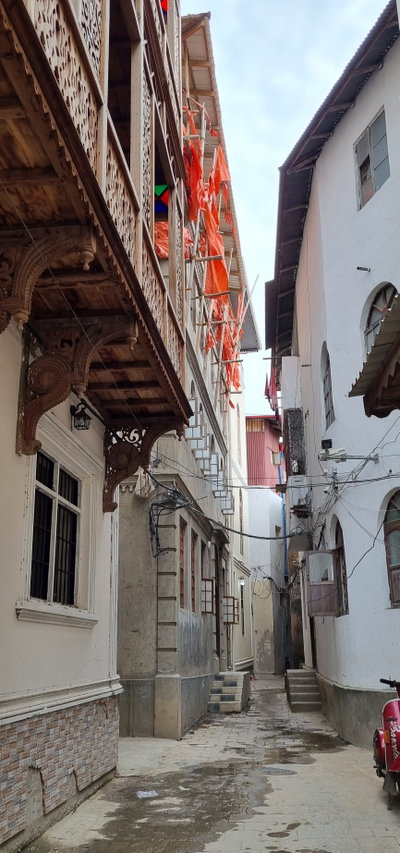
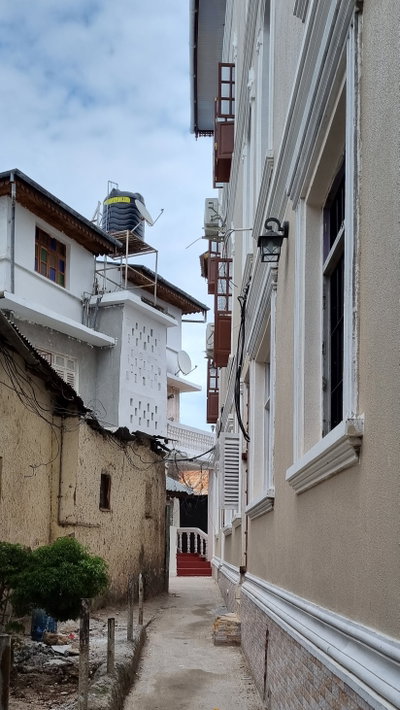
A narrow lane in Stone Town, the historic quarter of Zanzibar City, photographed in 2022. The old town grew as a major trading post on the Indian Ocean spice and ivory routes under the 19th-century Sultanate of Zanzibar, and the quarter is known for its elaborately carved wooden doors, often studded with brass, a craft blending Arab and Indian influences.
Street Stonetown 29
2022
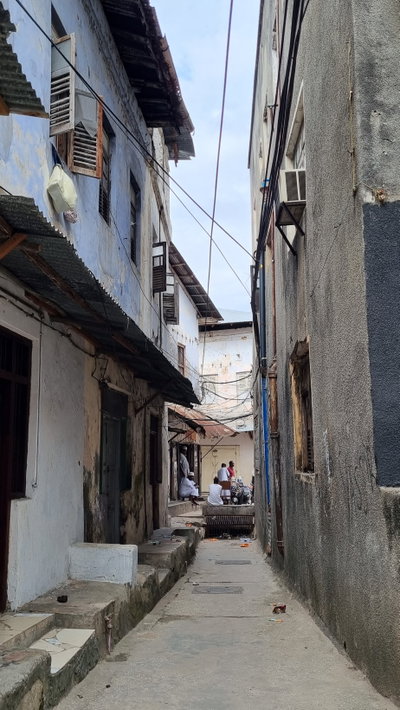
A narrow lane in Stone Town, the historic quarter of Zanzibar City, photographed in 2022. Many buildings here are built from coral stone, a construction method distinctive to the Swahili coast of East Africa, and Zanzibar City's old stone quarter sits on Unguja island, off the coast of mainland Tanzania.
Street Stonetown 31
2022
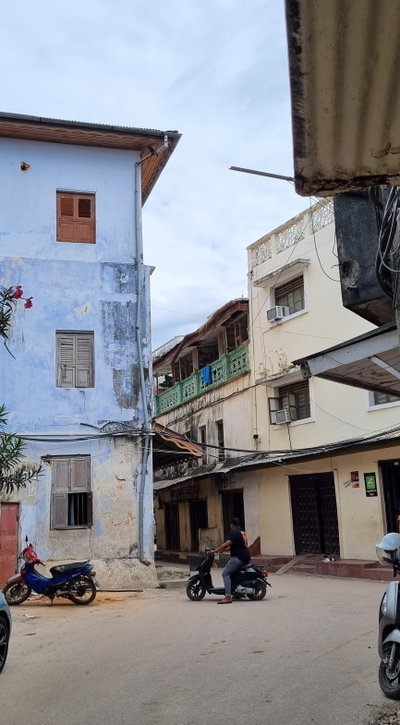
A narrow lane in Stone Town, the historic quarter of Zanzibar City, photographed in 2022. Many buildings here are built from coral stone, a construction method distinctive to the Swahili coast of East Africa, and lanes like this were laid out centuries ago, long before motor vehicles, and much of their layout survives largely unchanged.
Street Stonetown 32
2022
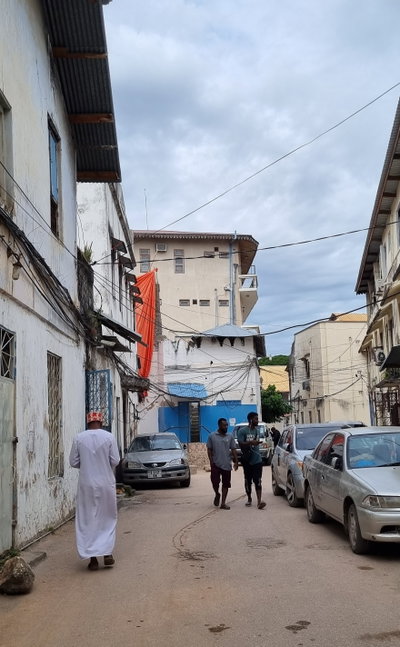
A narrow lane in Stone Town, the historic quarter of Zanzibar City, photographed in 2022. The quarter is known for its elaborately carved wooden doors, often studded with brass, a craft blending Arab and Indian influences, and Zanzibar City's old stone quarter sits on Unguja island, off the coast of mainland Tanzania.
Street Stonetown 35
2022
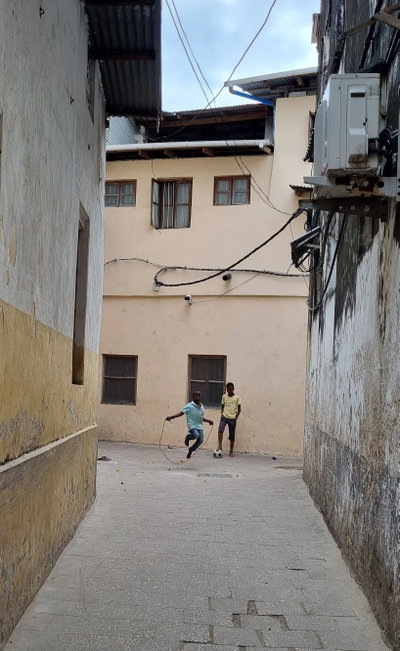
A narrow lane in Stone Town, the historic quarter of Zanzibar City, photographed in 2022. The quarter is known for its elaborately carved wooden doors, often studded with brass, a craft blending Arab and Indian influences, and lanes like this were laid out centuries ago, long before motor vehicles, and much of their layout survives largely unchanged.
Street Stonetown 36
2022
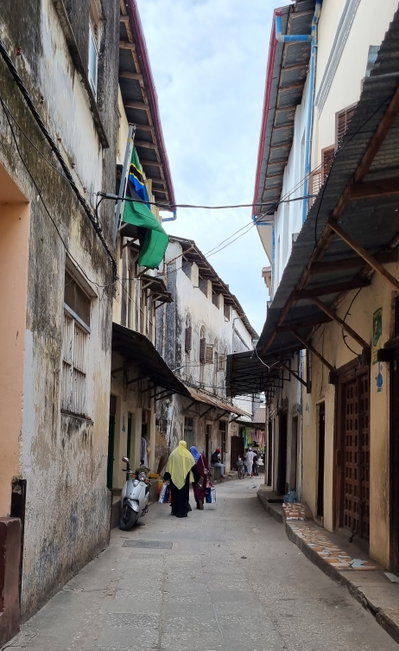
A narrow lane in Stone Town, the historic quarter of Zanzibar City, photographed in 2022. Zanzibar City's old stone quarter sits on Unguja island, off the coast of mainland Tanzania, and lanes like this were laid out centuries ago, long before motor vehicles, and much of their layout survives largely unchanged.