Home › Ho Chi Minh City › Dinh Độc Lập

Dinh Độc Lập through time

Ho Chi Minh City 2010–2025 10 photos of this spot

10 recent photographs taken at the same spot in Ho Chi Minh City, spanning 2010–2025. Have an older picture of it? Add it and start this spot's timeline.

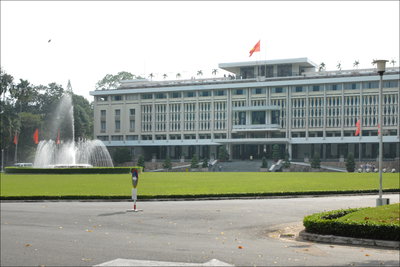
The exterior of the Reunification Palace in Ho Chi Minh City, Vietnam, photographed in 2010. Formerly the Independence Palace of South Vietnam, the building is remembered as the site where North Vietnamese tanks broke through the gates in April 1975.

See this spot on the map
Have an old photo of Dinh Độc Lập? A family album, a postcard, a print from the attic. Pin it to the map and it becomes part of the record.
Add your photo
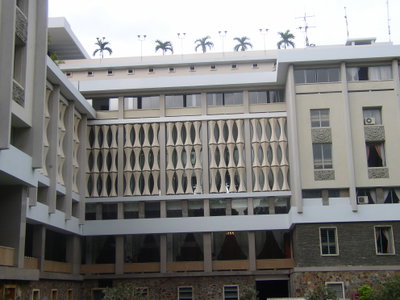
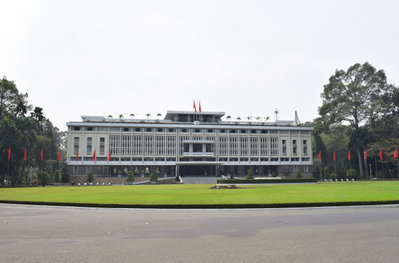
Exterior of side of Reunification Palace, Ho Chi Minh City, 2010
Exterior of side of Reunification Palace 2010 The exterior of the Reunification Palace in Ho Chi Minh City, Vietnam, photographed in 2010. Formerly the Independence Palace of South Vietnam, the building is remembered as the site where North Vietnamese tanks broke through the gates in April 1975.
Le palais de la Réunification (Hô Chi Minh Ville), Ho Chi Minh City, 2011
Le palais de la Réunification (Hô Chi Minh Ville) 2011 The Reunification Palace in Ho Chi Minh City, formerly the seat of South Vietnam's government and the site where North Vietnamese tanks broke through the gates in April 1975, is shown in this 2011 photograph.
Dinh Doc lap, Saigon, Vietnam, Ho Chi Minh City, 2013
Dinh Doc lap, Saigon, Vietnam 2013 Independence Palace in Ho Chi Minh City, photographed in 2013. Completed in 1966 as the residence and workplace of South Vietnam's president, the building is remembered as the site where North Vietnamese tanks arrived on 30 April 1975, marking the fall of Saigon.
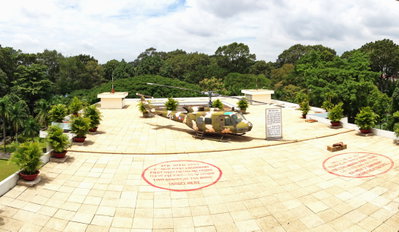
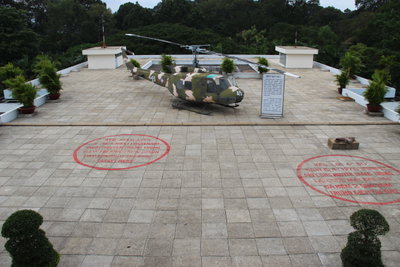
Independence Palace UH-1 Huey Helicopter, Ho Chi Minh City, 2013
Independence Palace UH-1 Huey Helicopter 2013 A UH-1 Huey helicopter is displayed on the grounds of Independence Palace in Ho Chi Minh City. The palace, also known as Reunification Palace, is closely associated with the end of the Vietnam War in 1975.
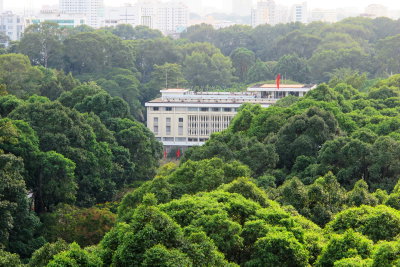
Dinh Doc Lap saigon vietnam, Ho Chi Minh City, 2013
Dinh Doc Lap saigon vietnam 2013 Independence Palace, known in Vietnamese as Dinh Doc Lap, served as the residence and workplace of the president of South Vietnam until the fall of Saigon in 1975. This 2013 photograph shows the building, now a museum in Ho Chi Minh City.
Independence Palace, Ho Chi Minh City, 2014
Independence Palace 2014 Independence Palace in Ho Chi Minh City, photographed in 2014. Once the residence and workplace of South Vietnam's president, the building is remembered as the site where North Vietnamese tanks broke through the gates on 30 April 1975.
Independence Palace, Ho Chi Minh City, 2017
Independence Palace 2017 The Independence Palace in Ho Chi Minh City, Vietnam, photographed in 2017. Completed in 1966, the building served as the residence and workplace of the President of South Vietnam until the end of the Vietnam War in 1975.
Independence Palance - Ho Chi Minh City, Ho Chi Minh City, 2018
Independence Palance - Ho Chi Minh City 2018 The Independence Palace, formerly known as Reunification Palace, in Ho Chi Minh City was built in the 1960s as the residence and workplace of South Vietnam's president and is remembered as the site where North Vietnamese tanks entered on 30 April 1975.
Dinh Độc Lập, Ho Chi Minh City, 2024
Dinh Độc Lập 2024 Independence Palace, known in Vietnamese as Dinh Độc Lập, is the former South Vietnamese presidential residence in Ho Chi Minh City, now preserved as a historic landmark marking the end of the Vietnam War in 1975.
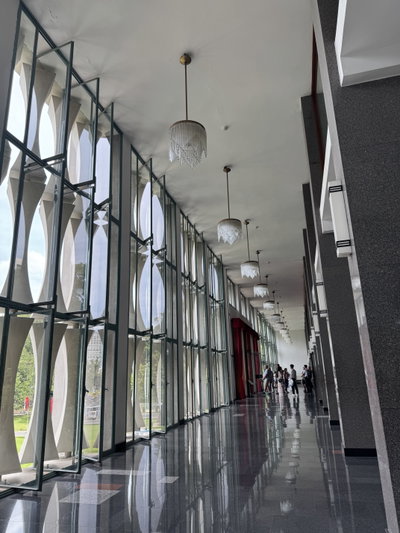
Hallway of Independence Palace, HCMC, Ho Chi Minh City, 2025
Hallway of Independence Palace, HCMC 2025 This hallway runs through Independence Palace in Ho Chi Minh City, the former seat of South Vietnam's government whose gates were famously breached by a tank on April 30, 1975, marking the end of the Vietnam War. Designed by architect Ngo Viet Thu and completed in 1966, the building is now preserved as a museum.