Old photos of Ho Chi Minh City
738 photographs of Ho Chi Minh City, from 1860 to 2025 — each pinned to the exact place it was taken.
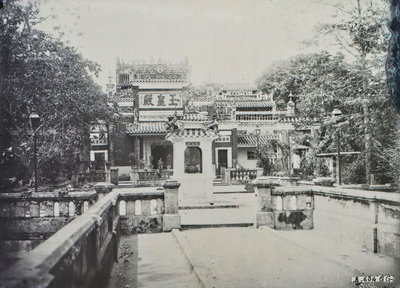
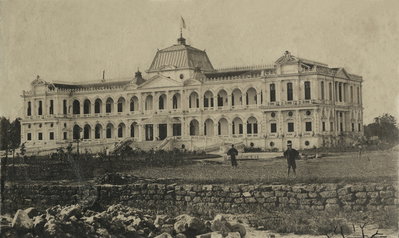
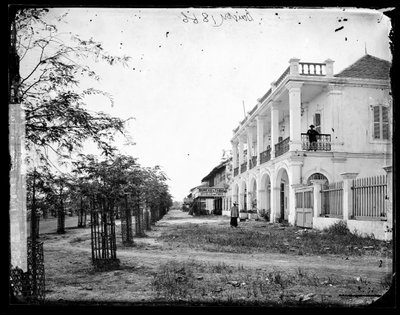
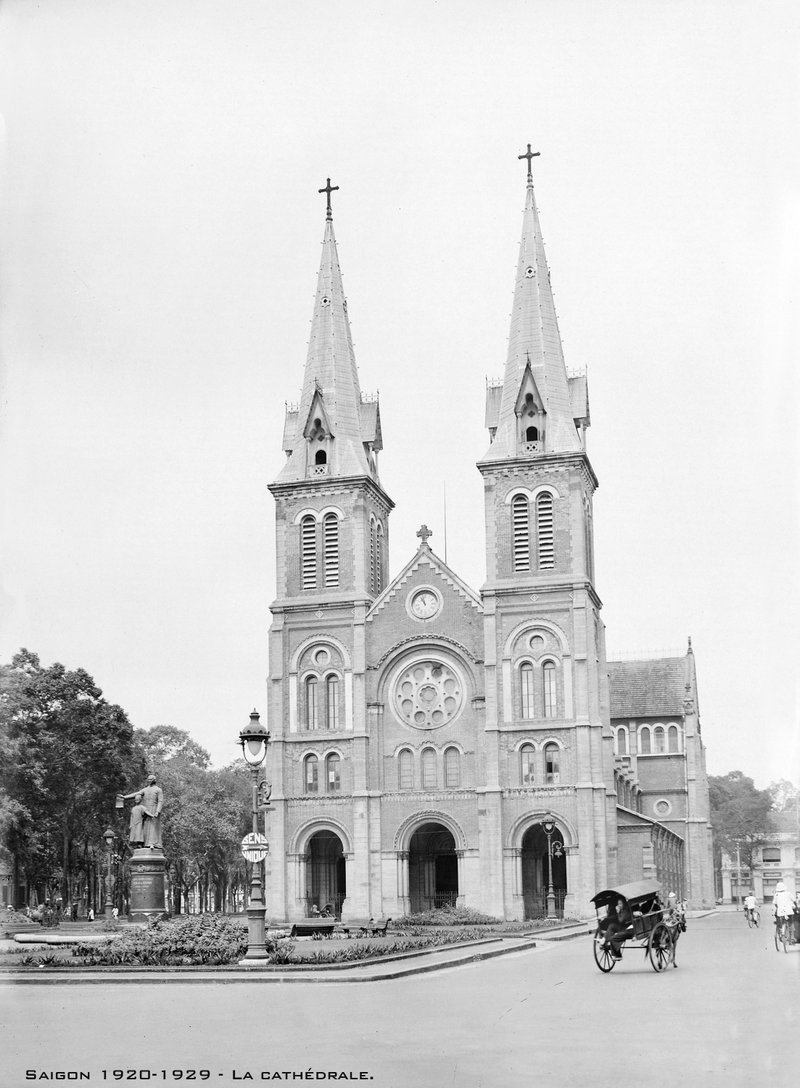 1920
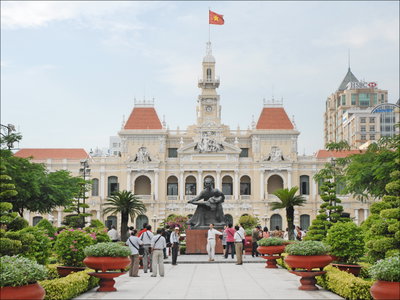
1920
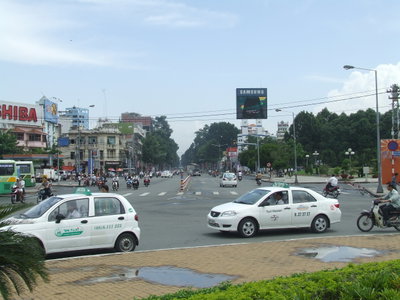
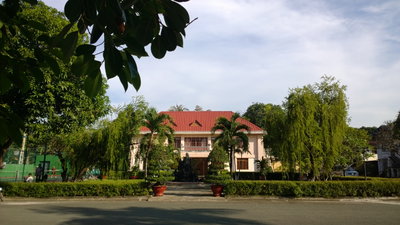
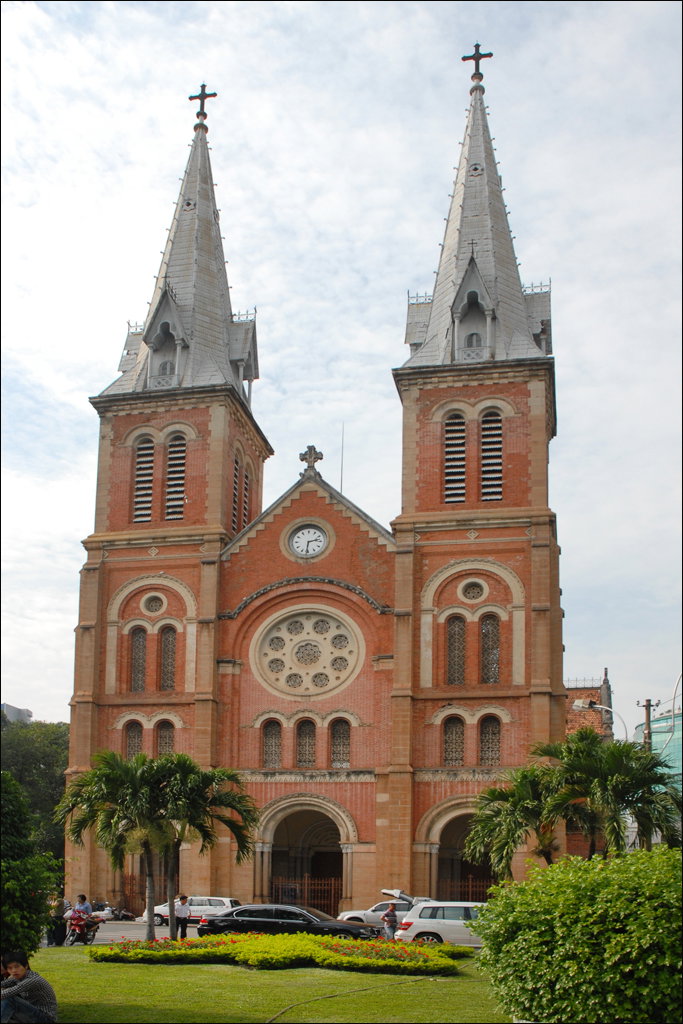 2011
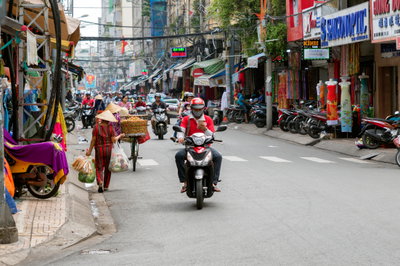
2011
Ho Chi Minh City, known until 1976 as Saigon, lies on the Saigon river in southern Vietnam, north of the Mekong delta. The area was part of the Khmer world until Vietnamese settlers moved south in the 17th century, and the Nguyen lords established a citadel and administration here in the late 17th and 18th centuries. Neighbouring Cholon, founded by Chinese traders, became the largest Chinese community in Vietnam and was later merged with Saigon.
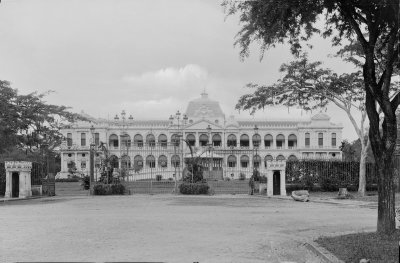
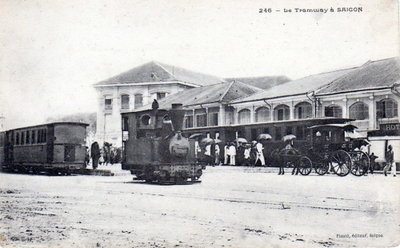
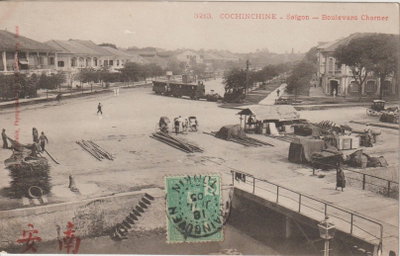
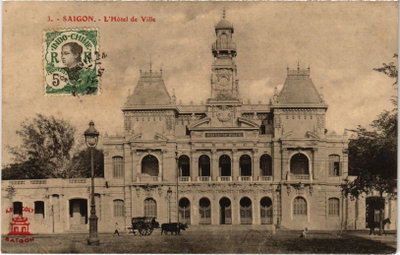
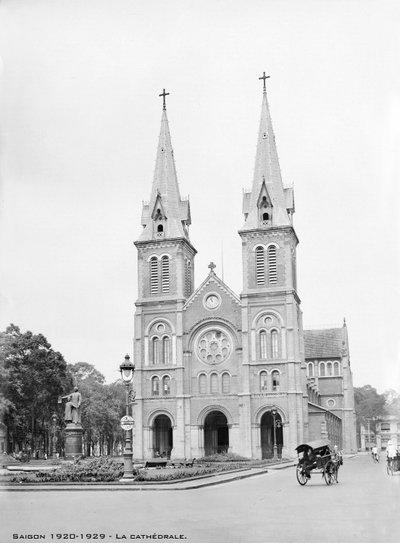
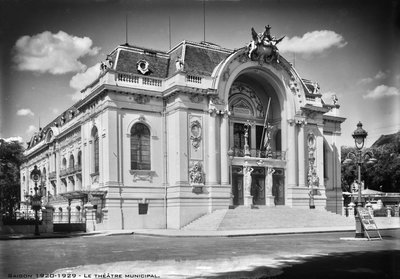
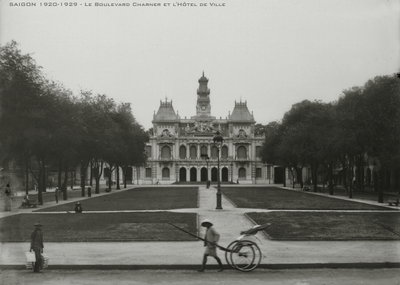
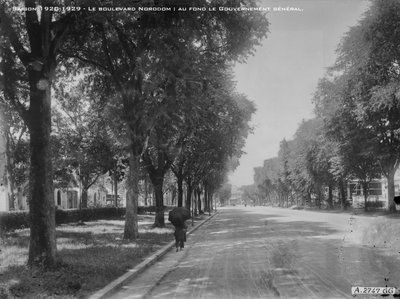
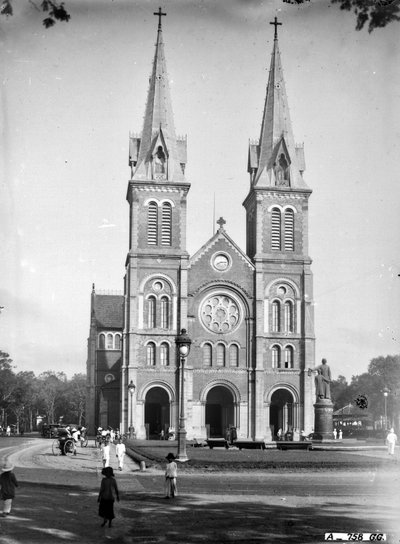
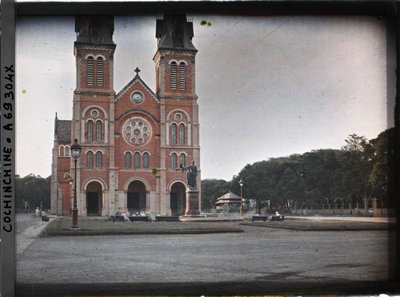
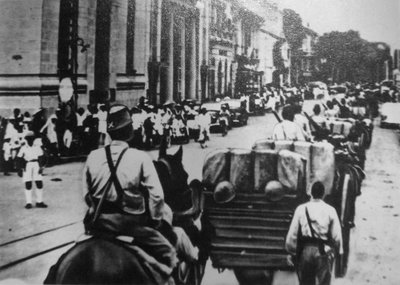
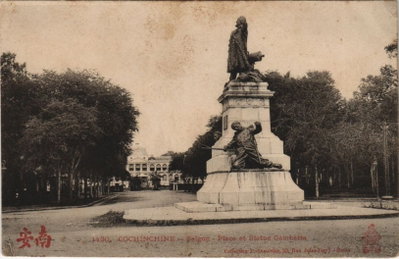
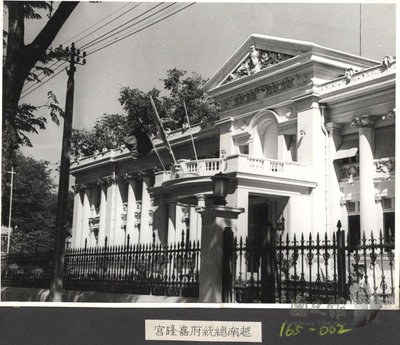
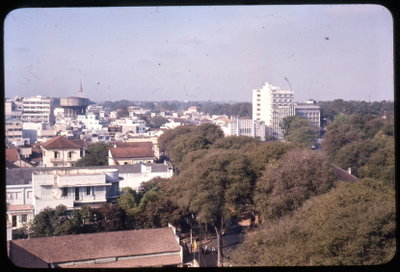
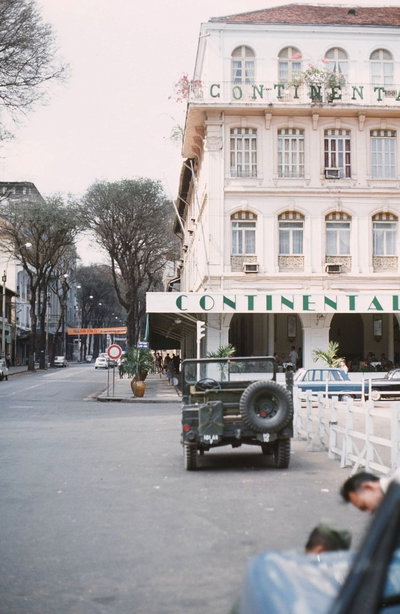
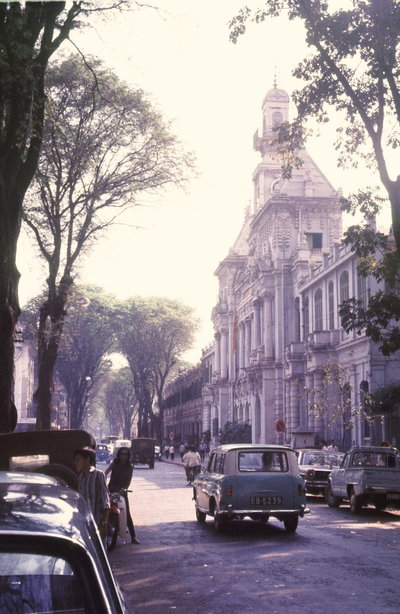
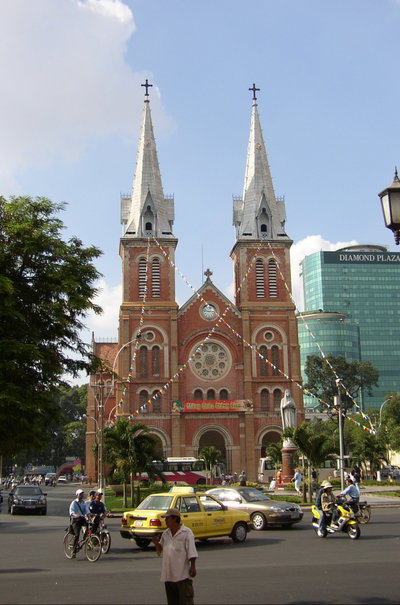
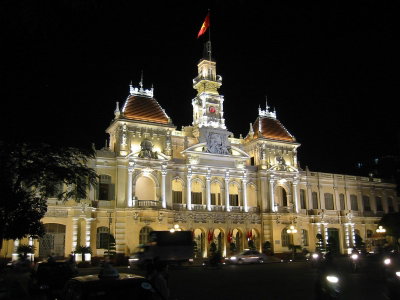
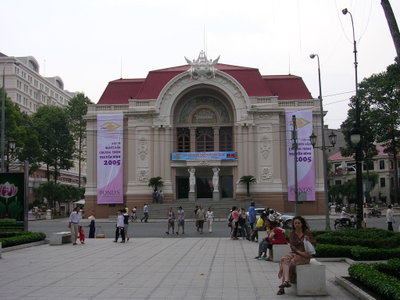
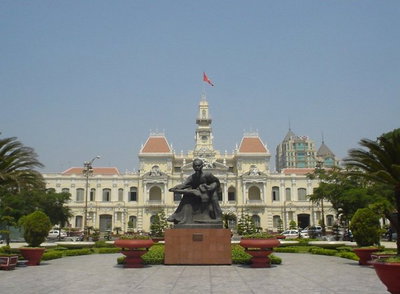
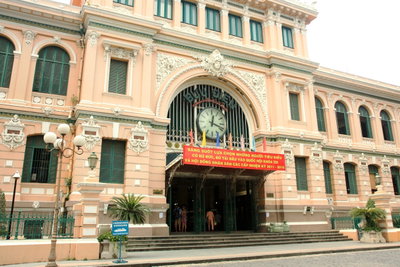
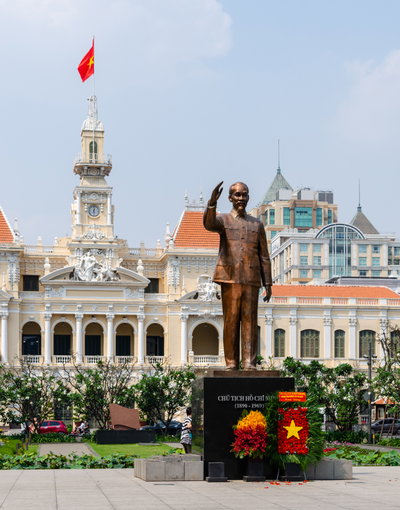
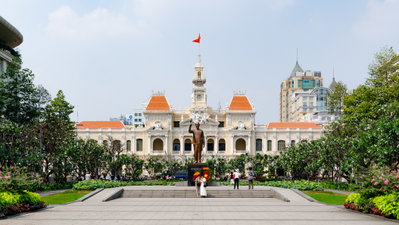
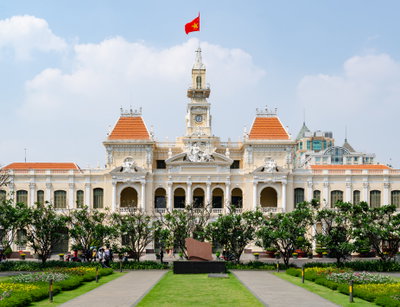
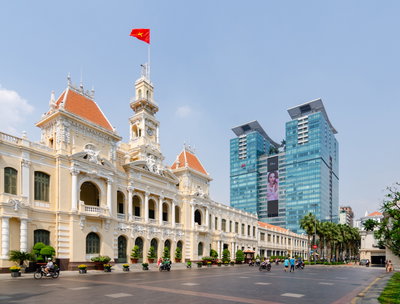
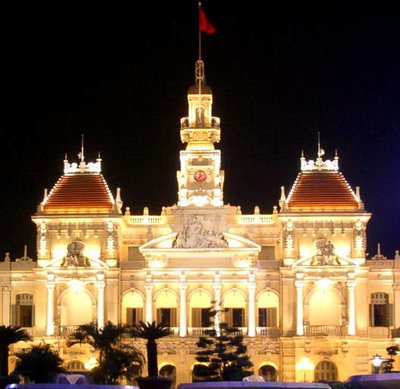
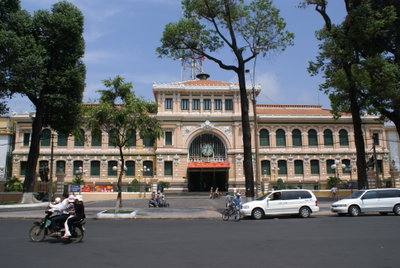
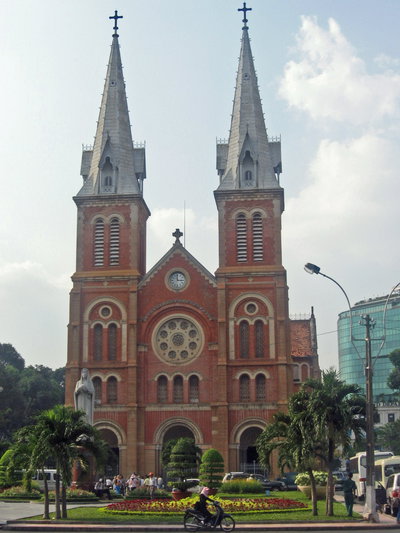
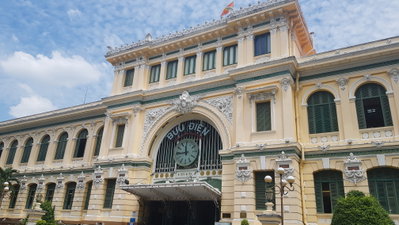
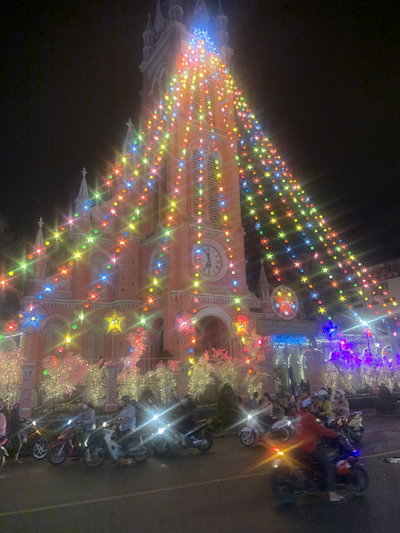
The French captured Saigon in 1859 and made it the capital of the colony of Cochinchina. They laid out wide boulevards and built the Notre-Dame cathedral, the central post office, the Opera House, the city hall and the Continental hotel, earning the city the name Pearl of the Orient. After the partition of Vietnam in 1954 Saigon was the capital of the Republic of Vietnam and, during the war that followed, the base of American forces. The city fell to North Vietnamese troops on 30 April 1975 and was renamed the following year in honour of Ho Chi Minh. It remains the largest city in Vietnam.
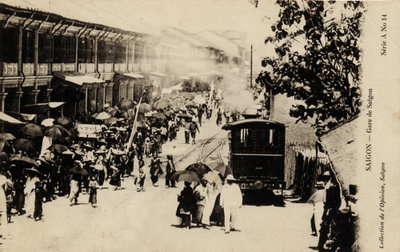
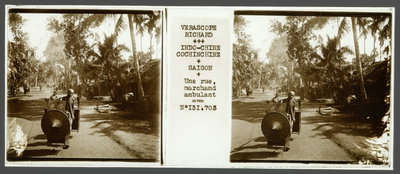
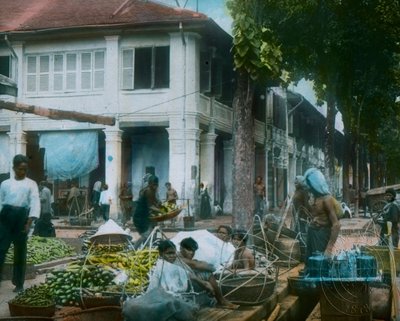
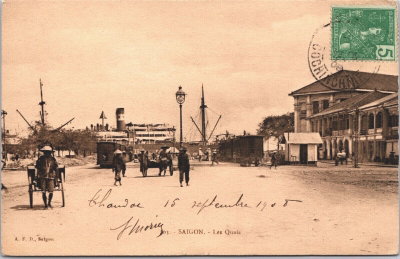
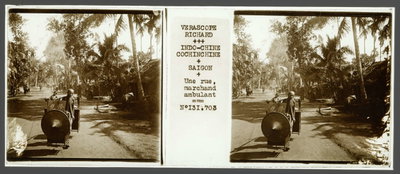
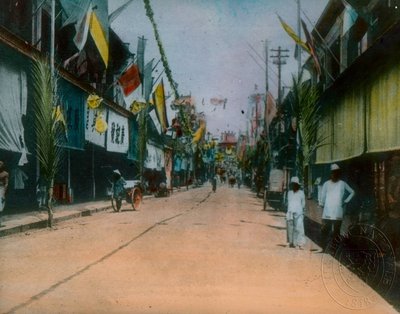
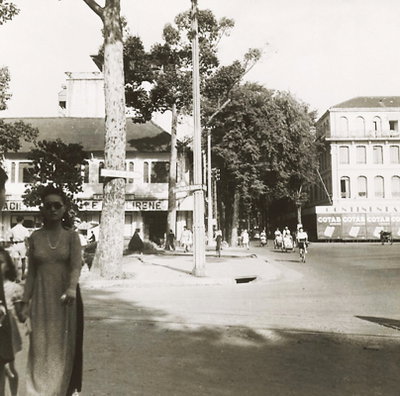
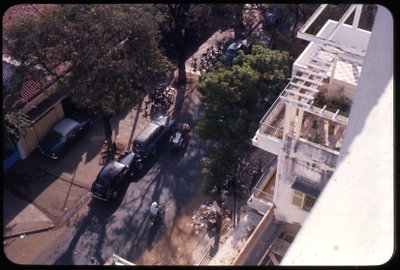
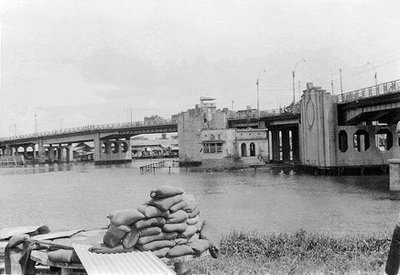
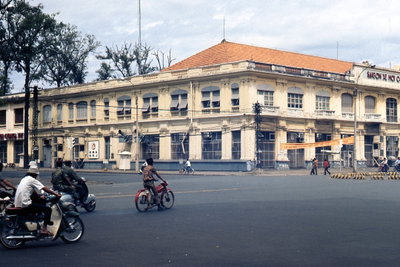
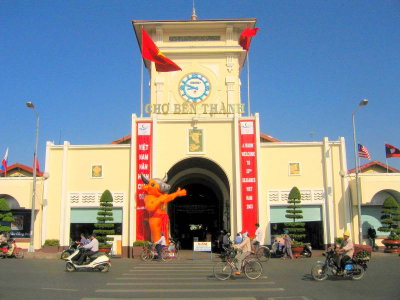
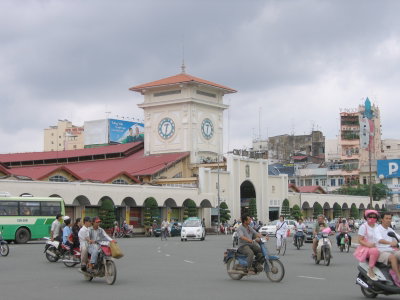
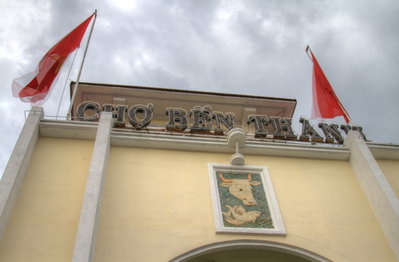
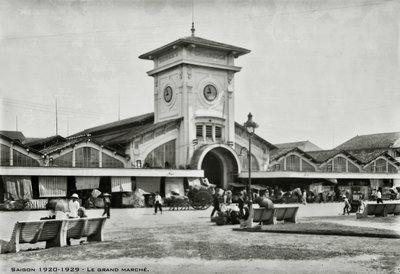
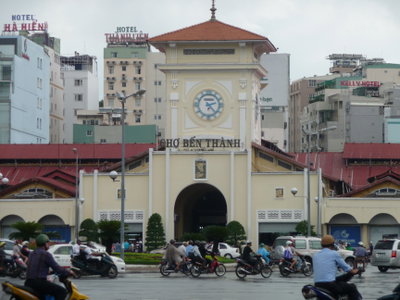
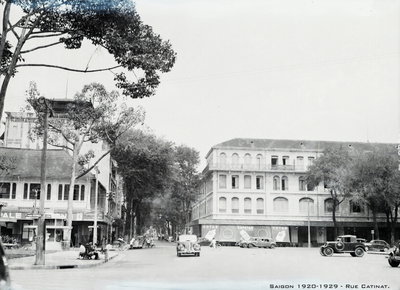
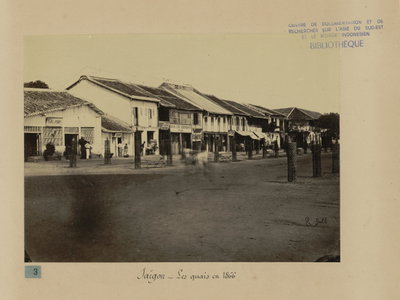
Old photographs of Saigon typically show Rue Catinat, the cathedral and post office, the river port with its warehouses, cyclos and street traders, the Ben Thanh market and the streets of Cholon.
What the photos show
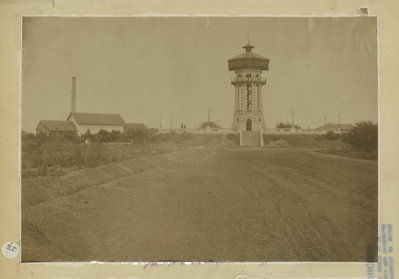
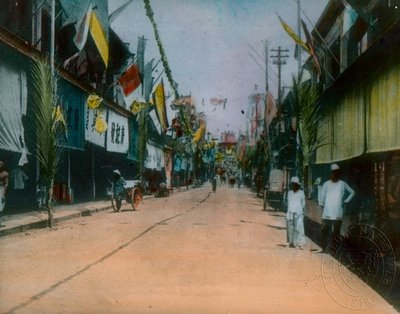
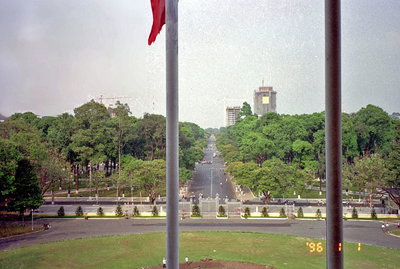
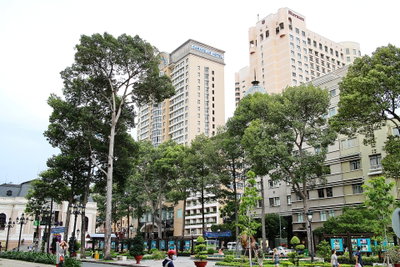
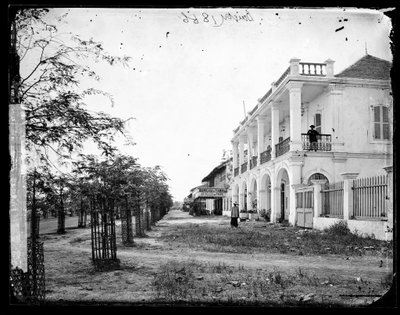
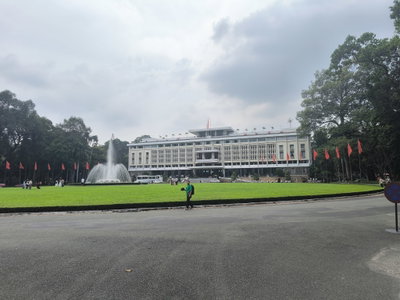
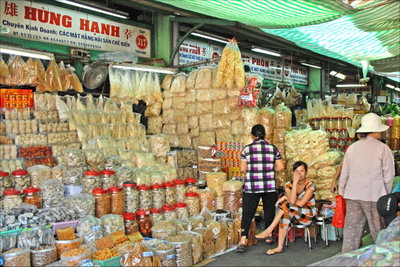
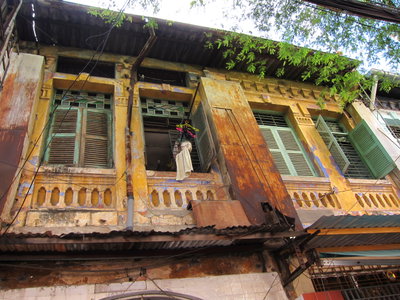
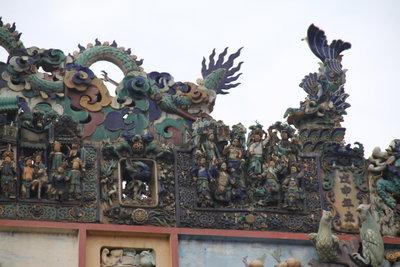
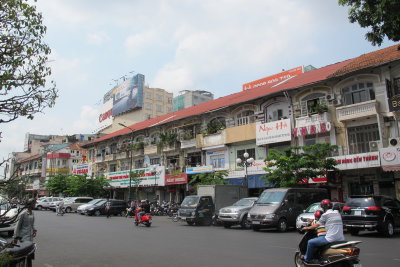
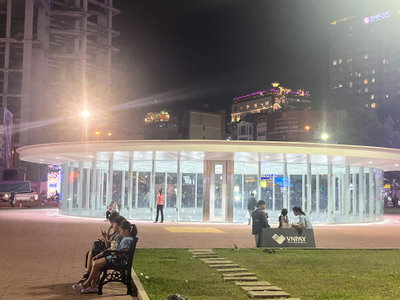
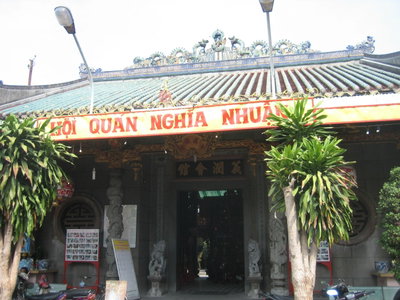
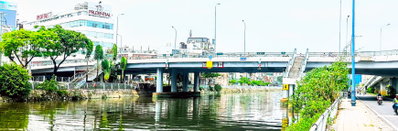
The 738 photographs of Ho Chi Minh City on PlaceWas span 16 decades, from 1860 to 2025. 206 of them were taken before 1980; the other 532 are recent views of the same streets and landmarks.55 spots were photographed more than once, so you can compare the same street, square or building across the years.738 of the photos carry a written caption explaining what is in the frame. Every picture is pinned to the place it was taken, so the map below shows where the photographers stood.
Places in Ho Chi Minh City through time
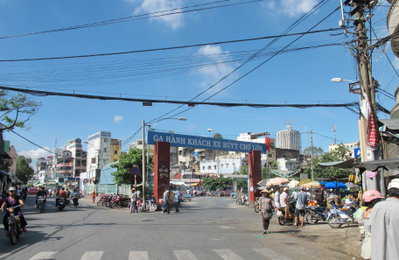
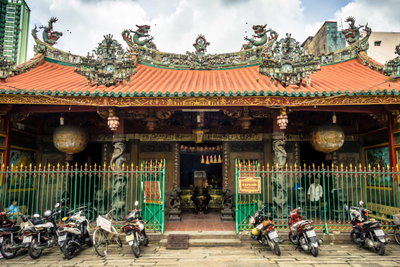
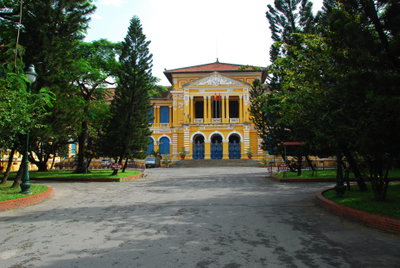
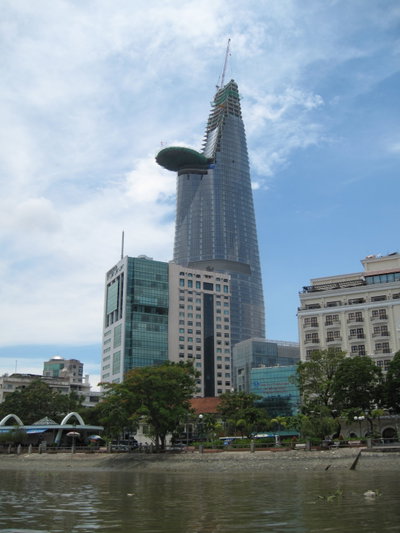
Spots photographed more than once — compare the same place across the years.
Stories from Ho Chi Minh City
What contributors wrote about these photographs.
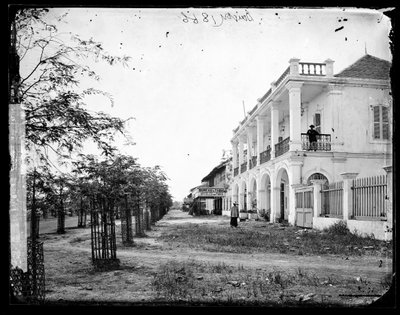
![EU: Saigon, Cochin China [Vietnam]. Photograph by John Thomson, (1866), Ho Chi Minh City, 1866](https://cdn.placewas.com/placewas/c1ee1a8802f0466aa2fdbd7473c55be4.jpg?width=400)
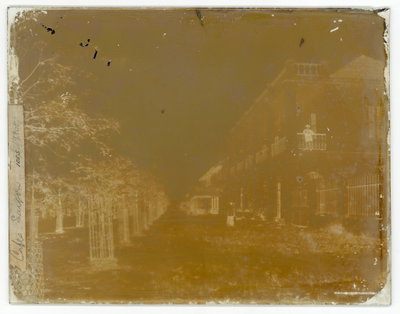
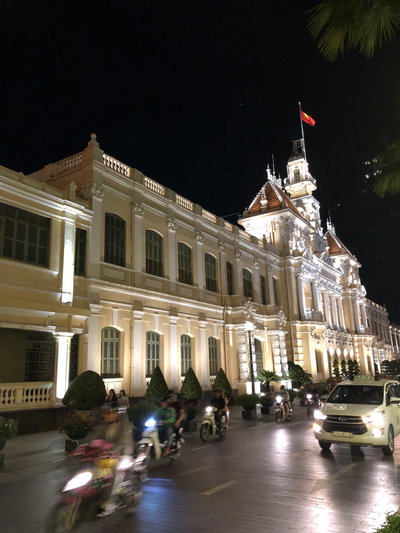
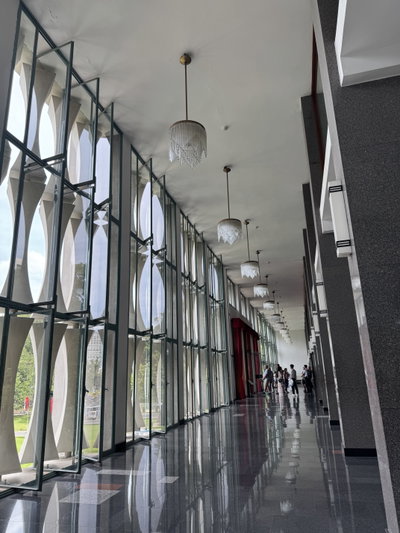
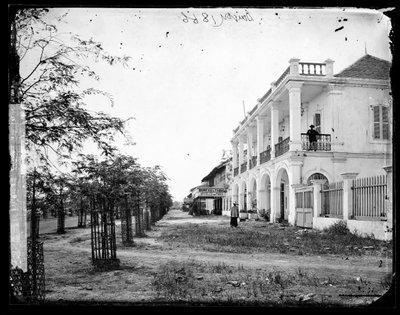
![EU: Saigon, Cochin China [Vietnam]. Photograph by John Thomson (1866) [L0055788], Ho Chi Minh City, 1866](https://cdn.placewas.com/placewas/9c283b776acf43038f49e456717263f5.jpg?width=400)
![EU: Saigon, Cochin China, Vietnam. Photograph by John Thomson [L0055789] (1866), Ho Chi Minh City, 1866](https://cdn.placewas.com/placewas/e75ab0cd3e8b4327ad45c88cc2704545.jpg?width=400)
![EU: Saigon, Cochin China, Vietnam. Photograph by John Thomson [L0055788] (1866), Ho Chi Minh City, 1866](https://cdn.placewas.com/placewas/433398cc26e14958a6a2fecb670f3b4d.jpg?width=400)
![EU: Saigon, Cochin China [Vietnam]. Photograph by John Thomson, (2) (1866), Ho Chi Minh City, 1866](https://cdn.placewas.com/placewas/ec5aa0e0b8e54d809eb5eb615f0eedb5.jpg?width=400)
![EU: Saigon, Cochin China [Vietnam]. Photograph by John Thomson, (1866), Ho Chi Minh City, 1866](https://cdn.placewas.com/placewas/bcfa8101676c4b41b25cf619d7114e6f.jpg?width=400)
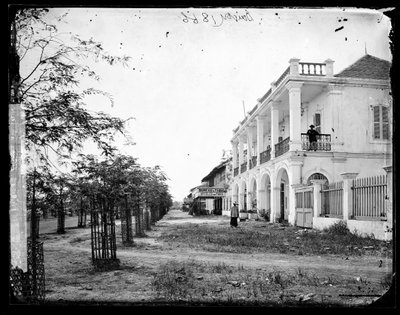
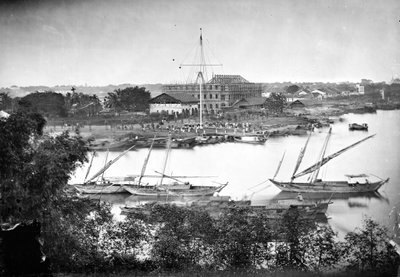
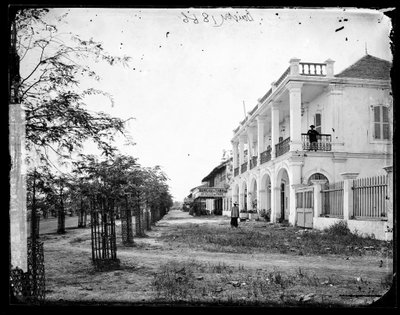
![EU: Saigon, Cochin China [Vietnam]. Photograph by John Thomson, [L0055788], Ho Chi Minh City, 1866](https://cdn.placewas.com/placewas/46d448597f3d4e32a9c3252ac889f6cc.jpg?width=400)
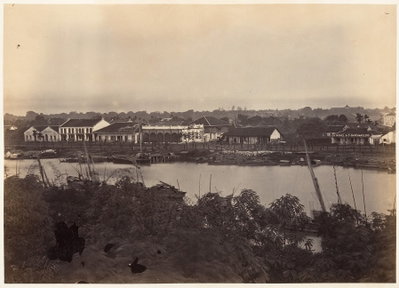
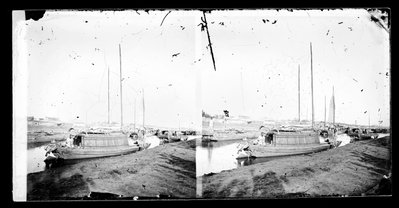
![EU: Saigon, Cochin China [Vietnam]. Photograph by John Thomson, (L0055789), Ho Chi Minh City, 1866](https://cdn.placewas.com/placewas/708c5139bea845c1b3cfa3407f7b6d6d.jpg?width=400)
![EU: Saigon, Cochin China, Vietnam. Photograph by John Thomson, [L0055789], Ho Chi Minh City, 1866](https://cdn.placewas.com/placewas/85ec1fe908eb4bd38bf0b4dcc15a11a4.jpg?width=400)
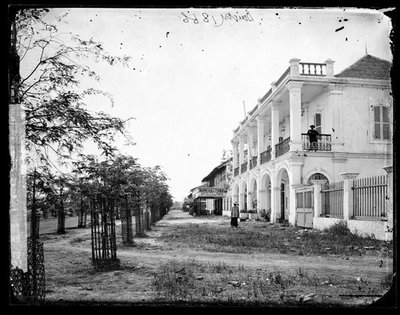
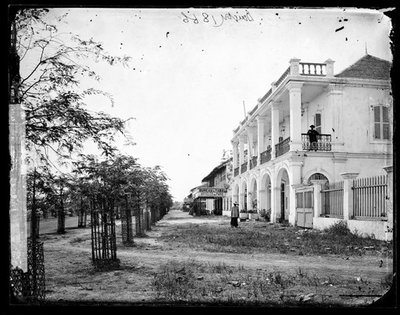
![EU: Saigon, Cochin China [Vietnam] - tree-lined street, John Thomson, neg. 1085 (1866), Ho Chi Minh City, 1866](https://cdn.placewas.com/placewas/b77e5a8855144530b51b0fe8d07d08a0.jpg?width=400)
![EU: Saigon, Cochin China - Photograph by John Thomson (1866) [L0055789], Ho Chi Minh City, 1866](https://cdn.placewas.com/placewas/1e1513f9f62b4a558694b6ac904e14c4.jpg?width=400)
![EU: Saigon, Cochin China - Photograph by John Thomson (1866) [L0055788], Ho Chi Minh City, 1866](https://cdn.placewas.com/placewas/43f49032405f446f953d0e3ca87394ad.jpg?width=400)
![EU: Saigon, Cochin China [Vietnam]. Photograph by John Thomson, (1866), Ho Chi Minh City, 1866](https://cdn.placewas.com/placewas/e7186292ed924178946f904e2300ab11.jpg?width=400)
![EU: Saigon, Cochin China [Vietnam]. Photograph by John Thomson, (colonial street, L0055789) (1866), Ho Chi Minh City, 1866](https://cdn.placewas.com/placewas/30477c09ff6c4c7688389d1cf795ed12.jpg?width=400)
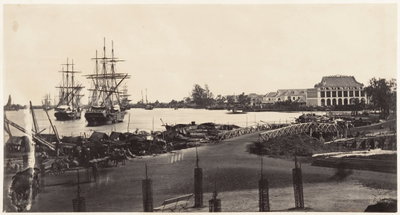
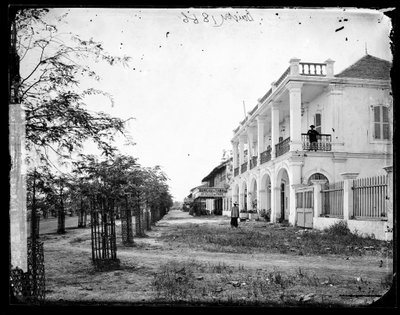
![EU: Saigon, Cochin China [Vietnam]. Photograph by John Thomson, [L0055789] (1866), Ho Chi Minh City, 1866](https://cdn.placewas.com/placewas/a5177d8bcf32430ca5985e3120510c2b.jpg?width=400)
![EU: Saigon, Cochin China [Vietnam]. Photograph by John Thomson, [L0055788] (1866), Ho Chi Minh City, 1866](https://cdn.placewas.com/placewas/932247145d74468d982887f0181ce595.jpg?width=400)
![EU: Saigon, Cochin China. Photograph by John Thomson (1866) [L0055789], Ho Chi Minh City, 1866](https://cdn.placewas.com/placewas/22b36d208e3a4ed6b2ebe8a5432f3087.jpg?width=400)
![EU: Saigon, Cochin China. Photograph by John Thomson (1866) [L0055788], Ho Chi Minh City, 1866](https://cdn.placewas.com/placewas/10b4d84802fa4b5f80565ca0348c43f6.jpg?width=400)
![EU: Saigon, Cochin China [Vietnam]. Photograph by John Thomson, (L0055788), Ho Chi Minh City, 1866](https://cdn.placewas.com/placewas/f7ce7c91ce1f4f489d472d737ae72d6c.jpg?width=400)
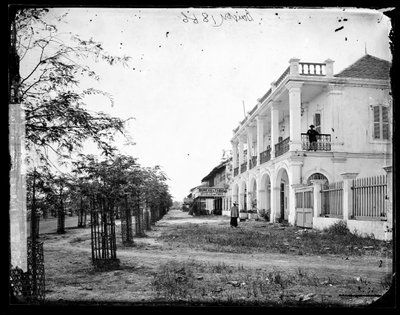
![EU: Saigon, Cochin China [Vietnam]. Photograph by John Thomson, (1866) [L0055788], Ho Chi Minh City, 1866](https://cdn.placewas.com/placewas/568c5071f8dc419eada36b0dfb402640.jpg?width=400)
![EU: Saigon, Cochin China [Vietnam]. Photograph by John Thomson, 1866 (1866), Ho Chi Minh City, 1866](https://cdn.placewas.com/placewas/61bc0c2dfdab4dd4ac7a8ec4fa5bbf9e.jpg?width=400)
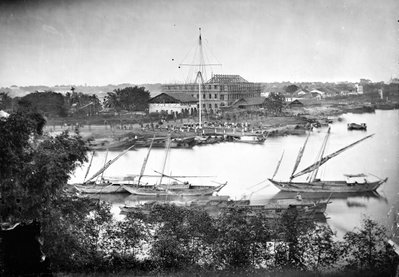
![EU: River-bridge, Saigon. (1866) [L0056871], Ho Chi Minh City, 1866](https://cdn.placewas.com/placewas/1b2187ad29a44b509ab3829b97236096.jpg?width=400)