Home › Hue › Rebuilt buildings

Rebuilt buildings through time

Hue 2010–2024 11 photos of this spot

11 recent photographs taken at the same spot in Hue, spanning 2010–2024. Have an older picture of it? Add it and start this spot's timeline.

Thien Mu Pagoda, seen here in 2010, sits on a hill overlooking the Perfume River in Hue, Vietnam. First built in 1601, its seven-story tower is one of the most recognized Buddhist landmarks in the former imperial capital.

See this spot on the map
Have an old photo of Rebuilt buildings? A family album, a postcard, a print from the attic. Pin it to the map and it becomes part of the record.
Add your photo
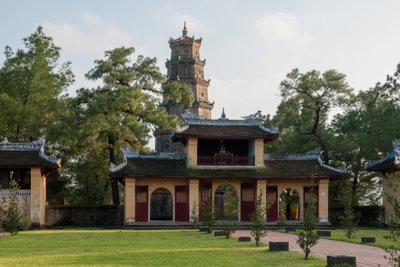
Hue Vietnam Thien-Mu-Temple-and-Pagoda-01, Hue, 2010
Hue Vietnam Thien-Mu-Temple-and-Pagoda-01 2010 Thien Mu Pagoda, seen here in 2010, sits on a hill overlooking the Perfume River in Hue, Vietnam. First built in 1601, its seven-story tower is one of the most recognized Buddhist landmarks in the former imperial capital.
Hue Vietnam Perfume-River-02, Hue, 2010
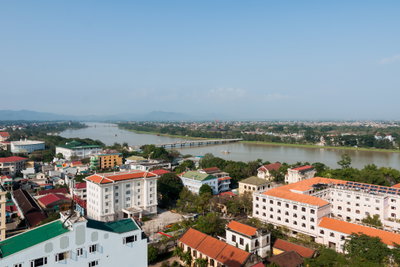
Hue Vietnam Perfume-River-02 2010 The Perfume River flowing through Hue, central Vietnam, in 2010. Hue served as the imperial capital of the Nguyen dynasty from 1802 to 1945, and the river runs past the former Imperial City.
Hue Vietnam Citadel-of-Huế-01, Hue, 2010
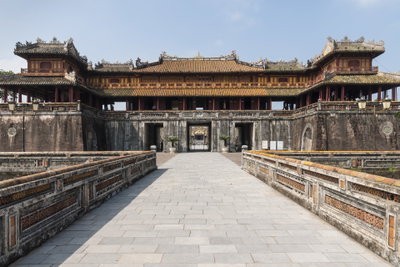
Hue Vietnam Citadel-of-Huế-01 2010 The Citadel of Huế was built in the early 19th century as the seat of Vietnam's Nguyen dynasty emperors and today forms part of the Complex of Huế Monuments, a UNESCO World Heritage Site. This photograph dates from 2010.
Hue Vietnam Citadel-of-Huế-04, Hue, 2010
Hue Vietnam Citadel-of-Huế-04 2010 This 2010 image shows part of the Citadel of Hue, the fortified enclosure built in the early nineteenth century to house the Imperial City of Vietnam's Nguyen Dynasty.
Detail from the Hue Citadel, Hue, 2011
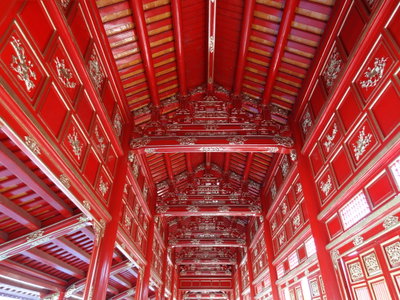
Detail from the Hue Citadel 2011 Architectural detail from the Hue Citadel, the fortified former imperial complex in Hue, Vietnam.
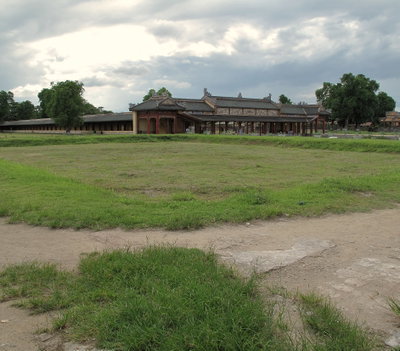
Rebuilt buildings, Hue, 2012
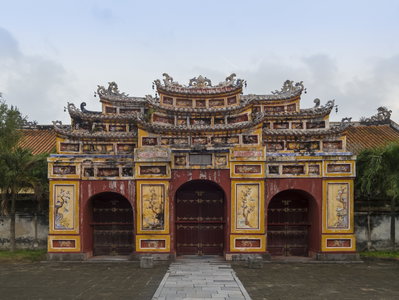
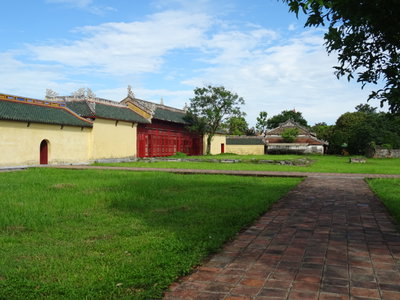
Rebuilt buildings 2012 These rebuilt structures in Hue, Vietnam stand as part of the city's long recovery from war-time damage during the twentieth century. Photographed in 2012.
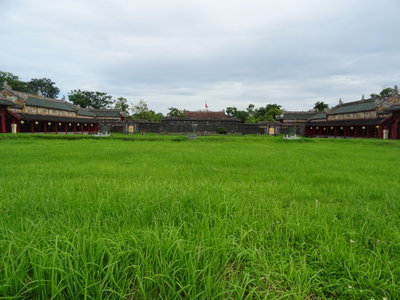
Purple Forbidden City 6, Hue, 2018
Purple Forbidden City 6 2018 This 2018 photograph shows part of the Purple Forbidden City, the innermost enclosure of Hue's Imperial Citadel reserved for the Nguyen emperor and his household.
Purple Forbidden City 7, Hue, 2018
Purple Forbidden City 7 2018 Another 2018 view within the Purple Forbidden City in Hue, much of which was damaged during the 1968 Tet Offensive and has since undergone restoration.
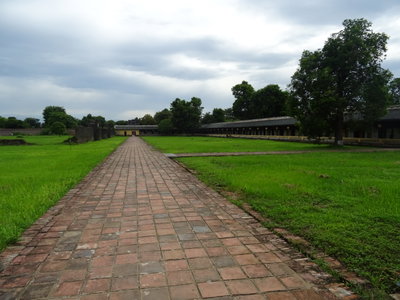
Purple Forbidden City 13, Hue, 2018
Purple Forbidden City 13 2018 A view within the Purple Forbidden City, the innermost enclosure of Hue's Imperial City, photographed in 2018. This area once housed the private residences of the Nguyen emperors and was largely destroyed during the wars of the 20th century.
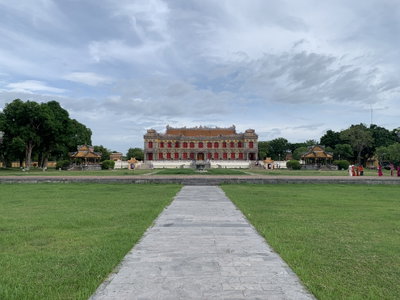
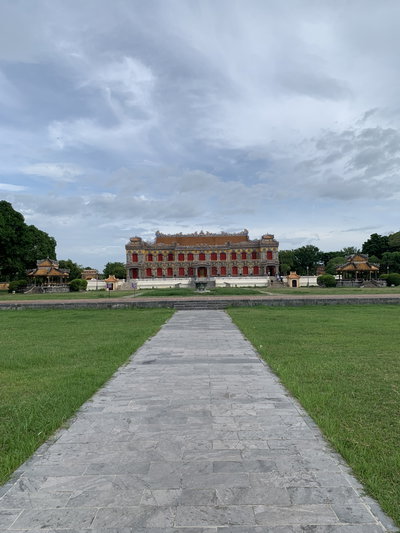
Huế (2024) - Điện Kiến Trung - Kien Trung Palace, Hue, 2024
Huế (2024) - Điện Kiến Trung - Kien Trung Palace 2024 Kien Trung Palace in Hue, photographed in 2024. Built in the early 1920s within the Imperial City for Emperor Khai Dinh, the palace was heavily damaged during wartime and underwent a major restoration completed in the early 2020s.
Huế (2024) - Điện Kiến Trung - Kien Trung Palace, Hue, 2024
Huế (2024) - Điện Kiến Trung - Kien Trung Palace 2024 Kien Trung Palace, within Hue's Imperial City, was built in 1921 for Emperor Khai Dinh and later used by Emperor Bao Dai, and has undergone extensive restoration after being destroyed during the wars of the 20th century.