Old photos of Hue
422 photographs of Hue, from 1891 to 2025 — each pinned to the exact place it was taken.
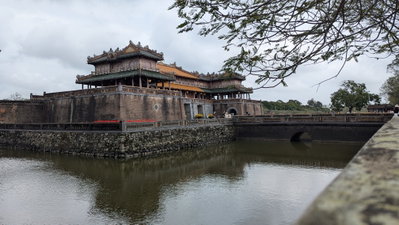
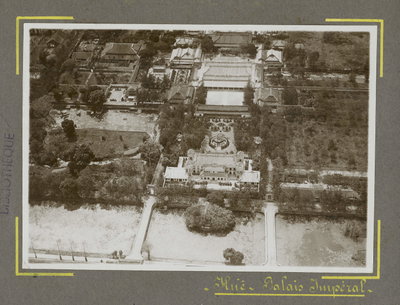
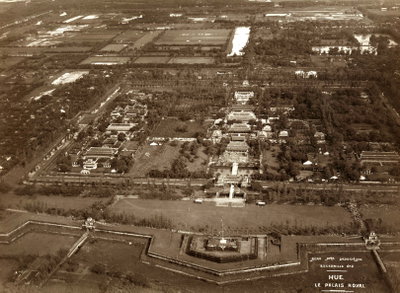
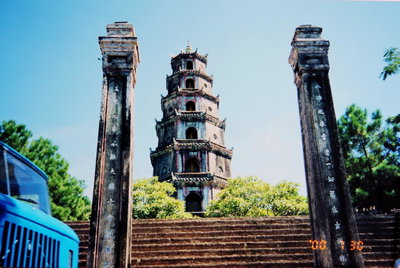
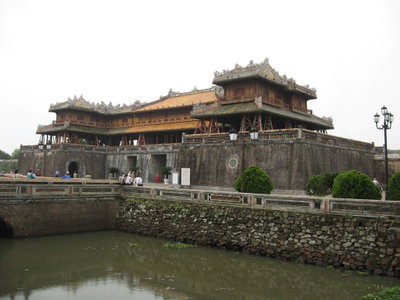
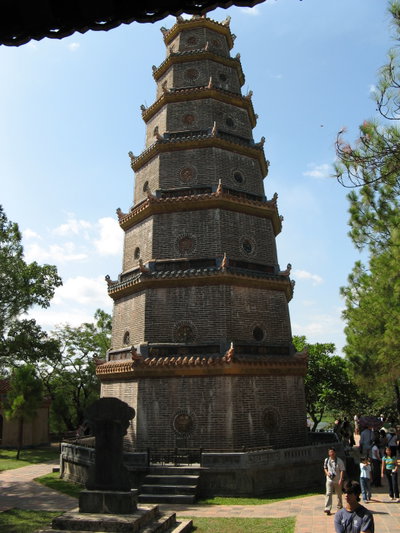
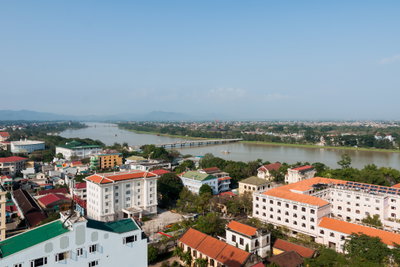
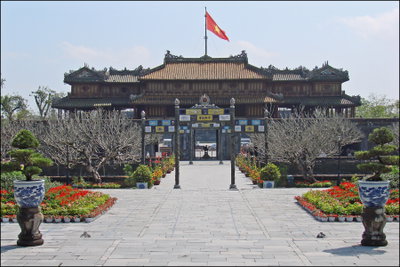
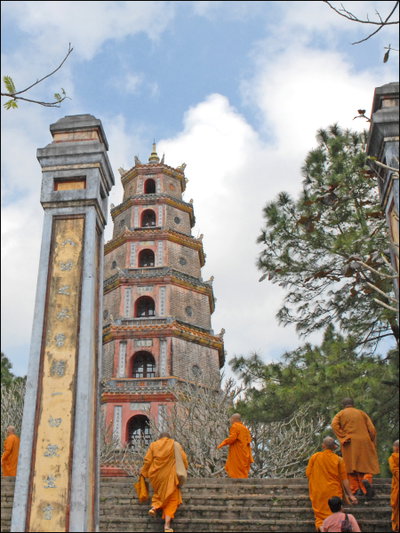
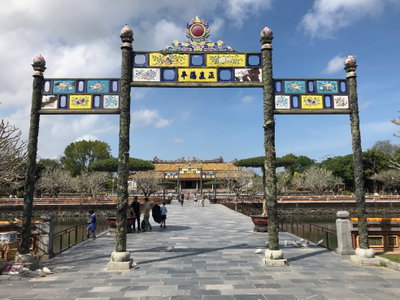
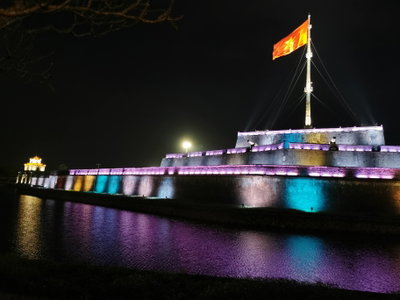
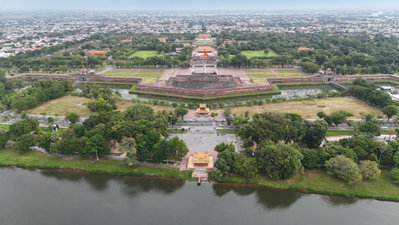
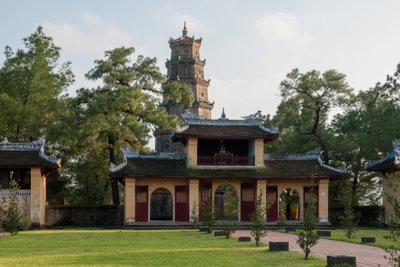
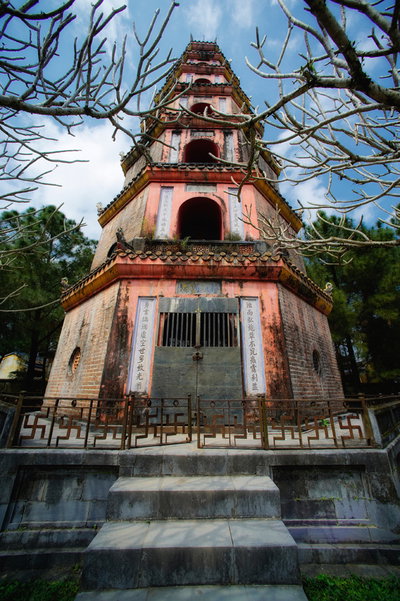
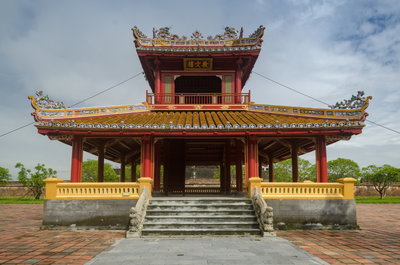
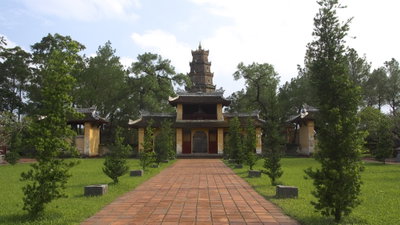
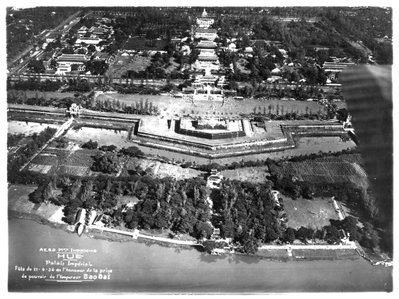
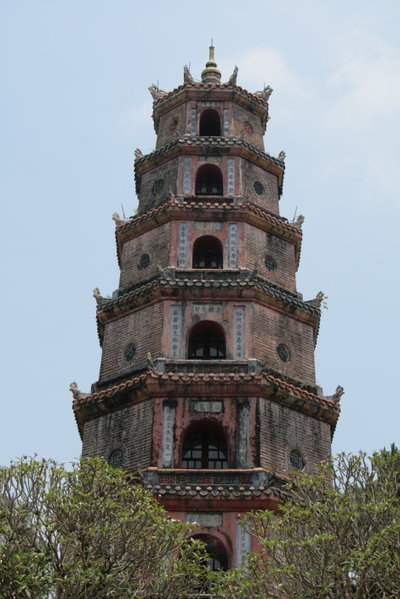
Hue, on the Perfume River in central Vietnam, was the seat of the Nguyen lords from the 17th century and, from 1802 to 1945, the capital of the united Vietnamese empire under the Nguyen dynasty. Emperor Gia Long built the Citadel, a walled city modelled on Chinese imperial capitals, containing the Imperial City and within it the Purple Forbidden City reserved for the emperor and his household. Along the river to the south lie the royal tombs of the dynasty and the Thien Mu pagoda, founded in the early 17th century.
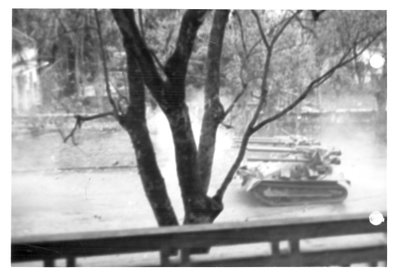
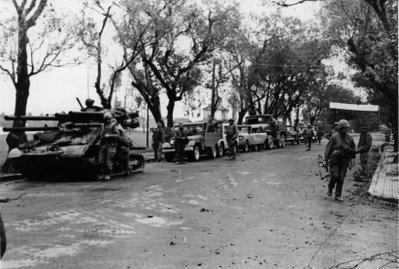
France established a protectorate over central Vietnam in the 1880s, and the emperors ruled from Hue under French supervision. The last emperor, Bao Dai, abdicated in 1945. The city was badly damaged during the wars that followed: much of the Imperial City was destroyed in fighting in 1947, and the Tet Offensive of 1968 brought a month-long battle for the Citadel with heavy losses and destruction. The Complex of Hue Monuments was inscribed as a UNESCO World Heritage site in 1993, and restoration has continued since.
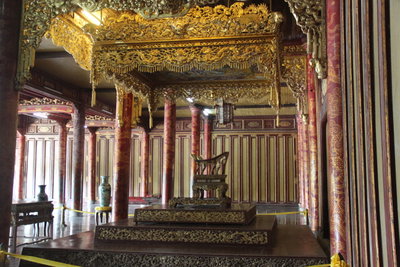
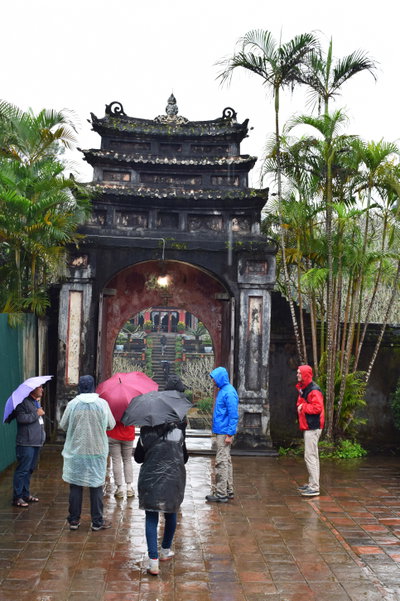
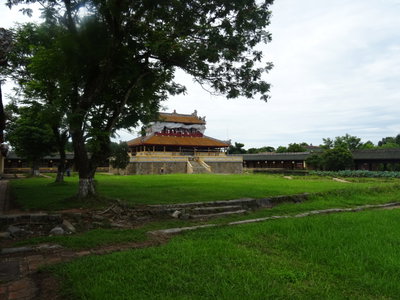
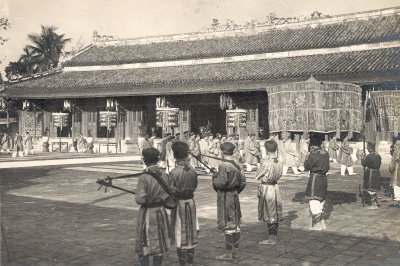
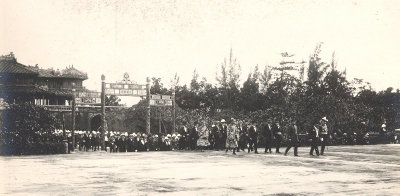
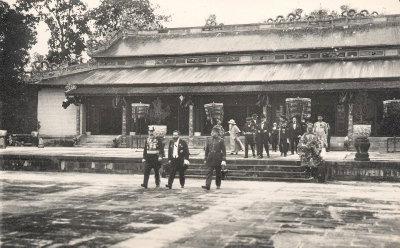
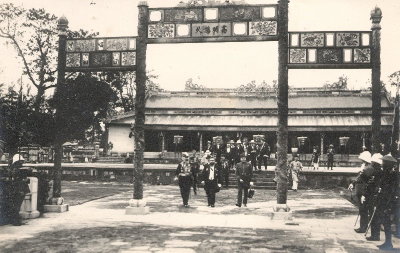
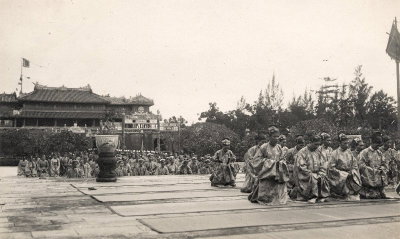
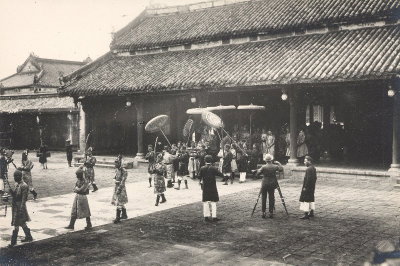
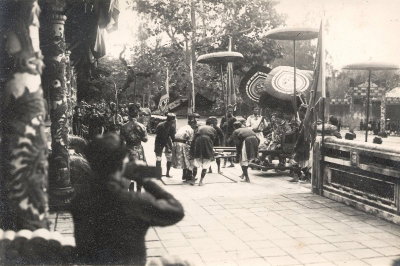
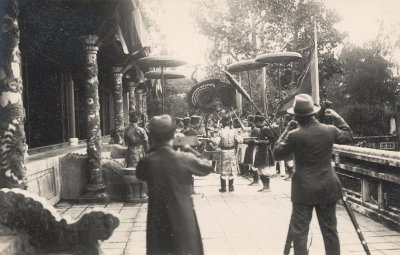
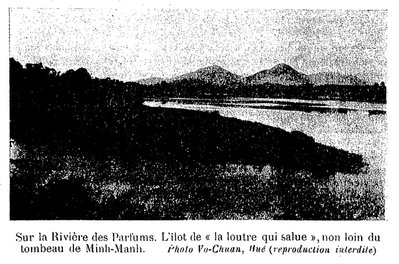
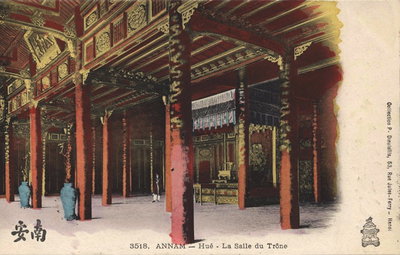
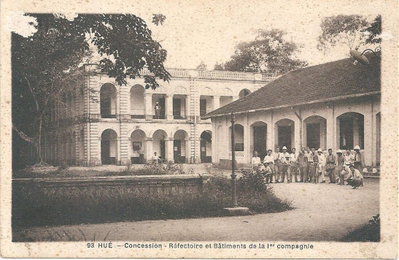
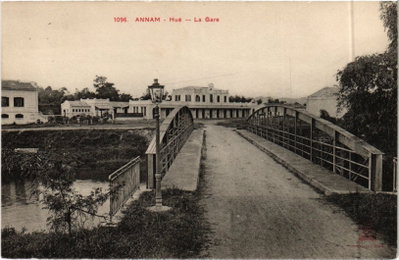
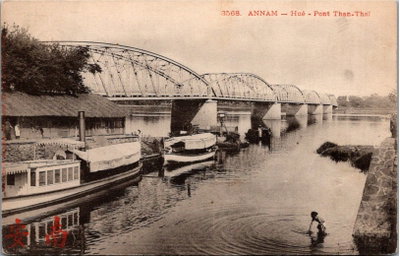
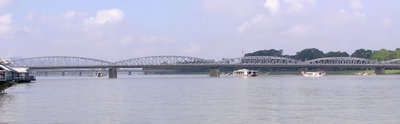
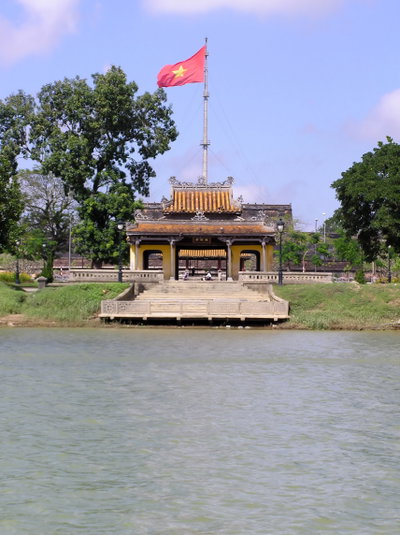
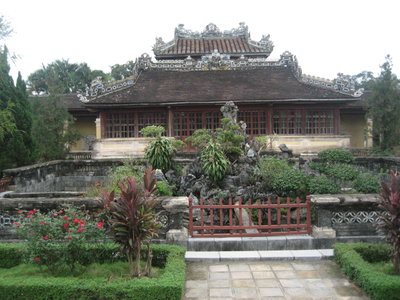
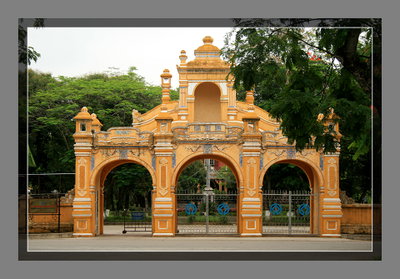
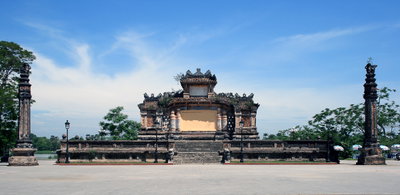
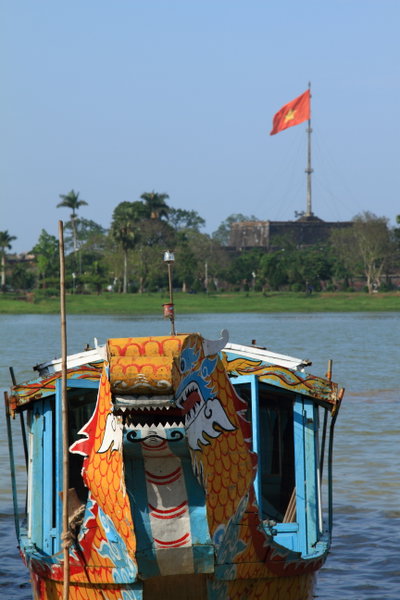
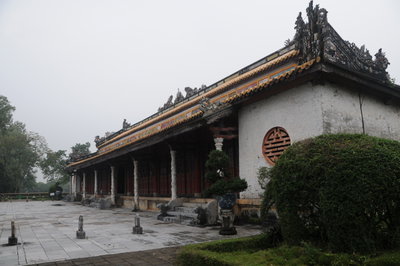
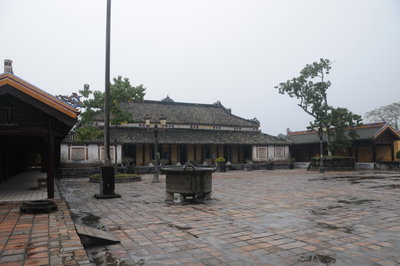
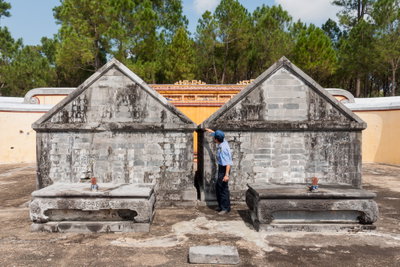
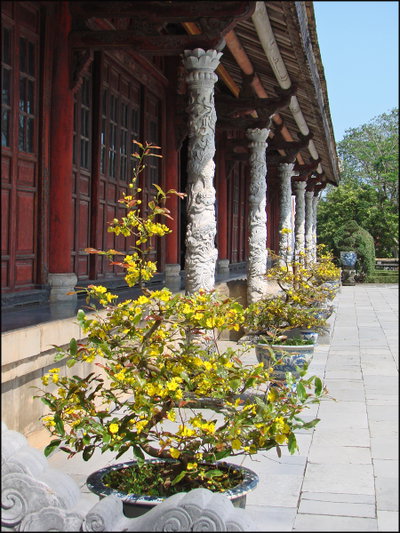
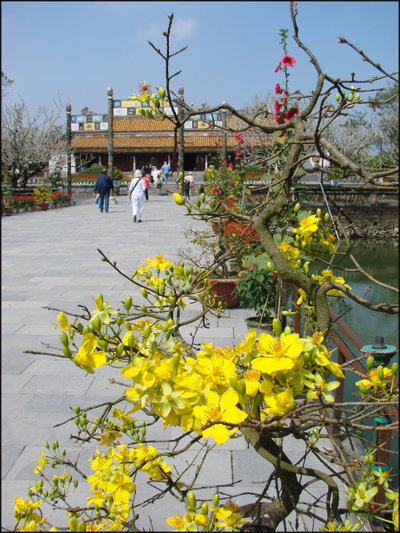
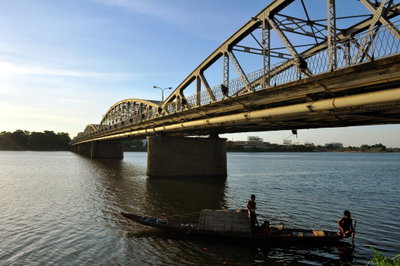
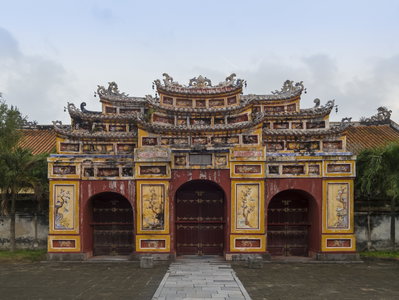
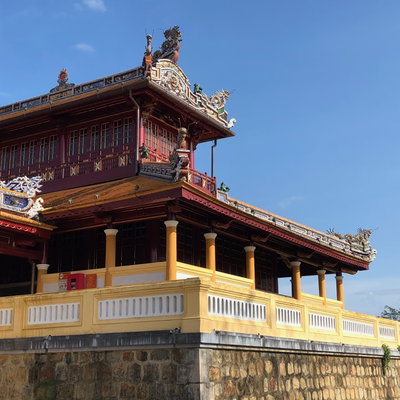
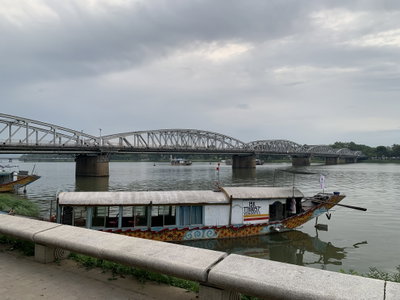
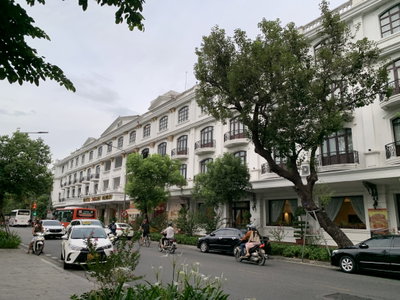
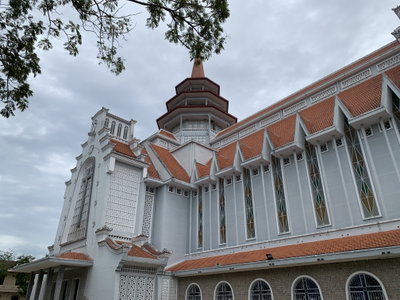
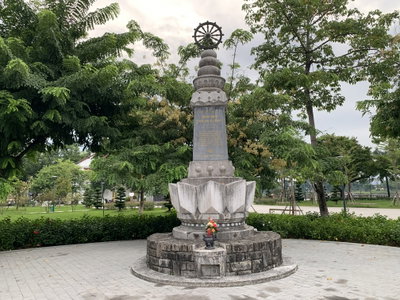
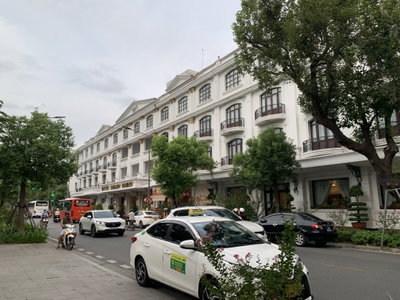
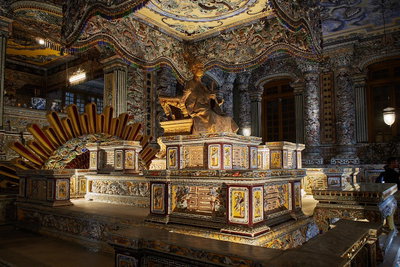
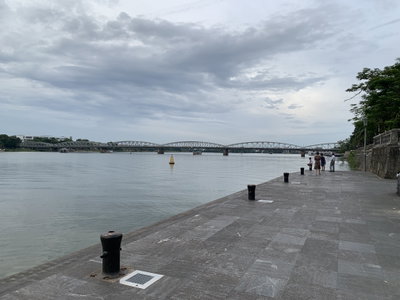
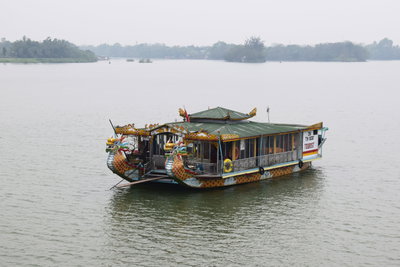
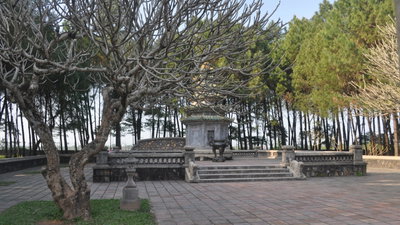
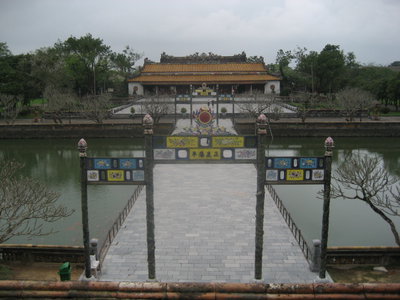
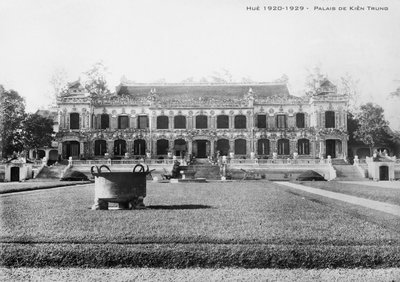
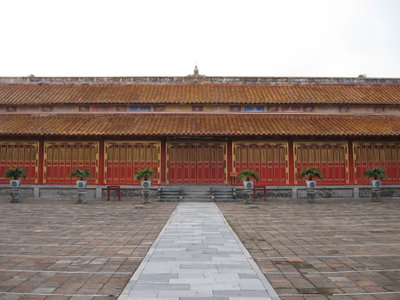
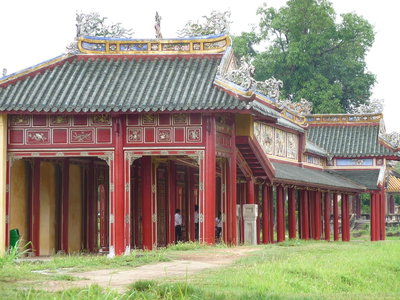
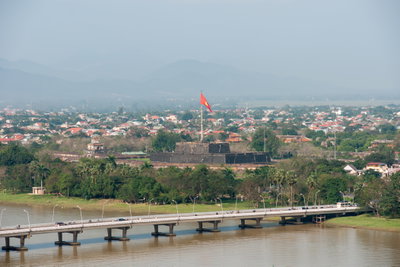
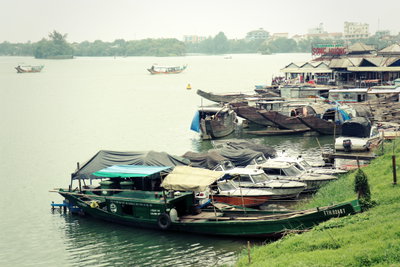
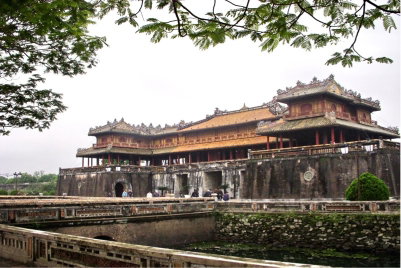
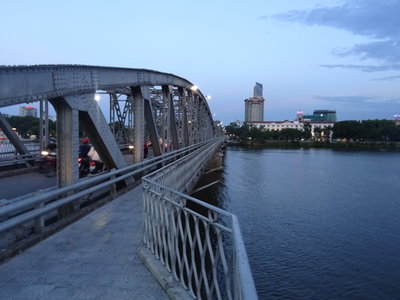
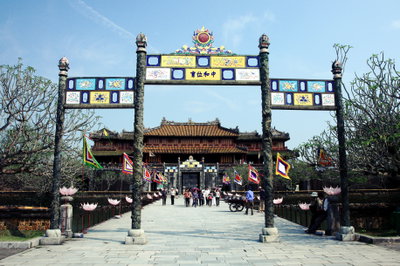
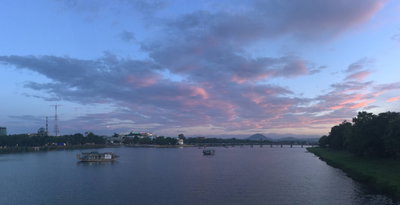
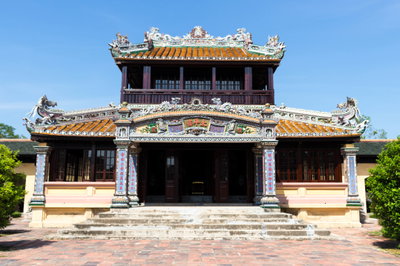
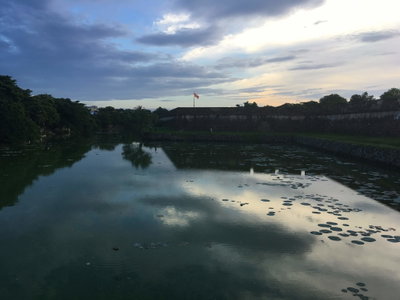
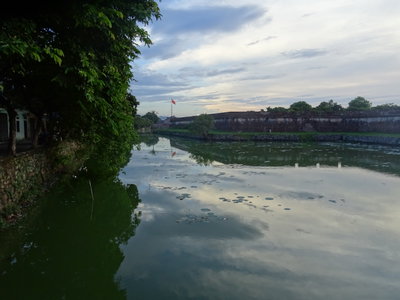
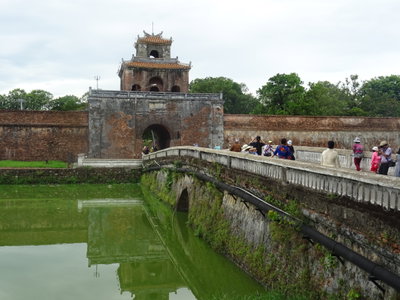
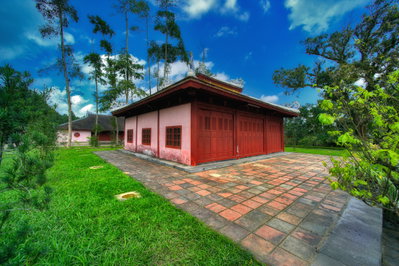
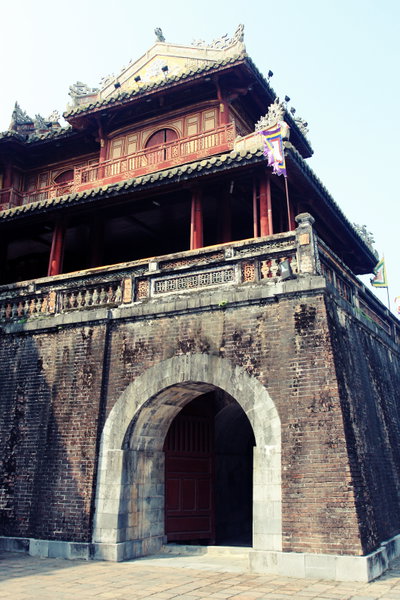
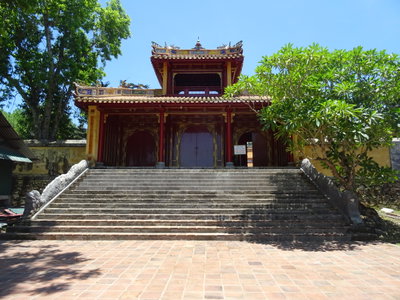
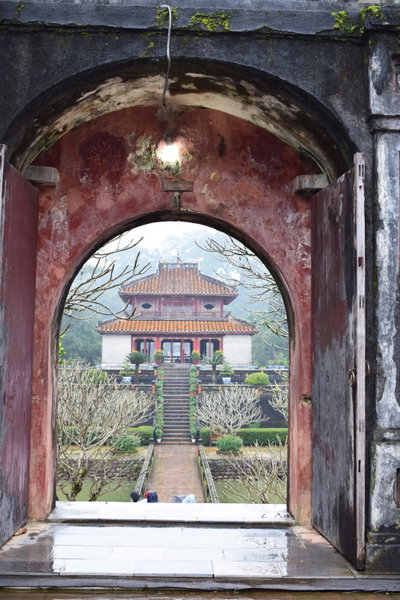
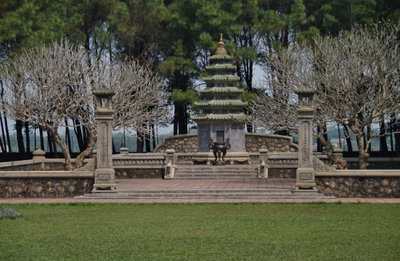
Old photographs of Hue typically show the gates and palaces of the Citadel, mandarins and court ceremonies, the Perfume River with sampans, the Thien Mu pagoda, the royal tombs and the Truong Tien bridge.
What the photos show
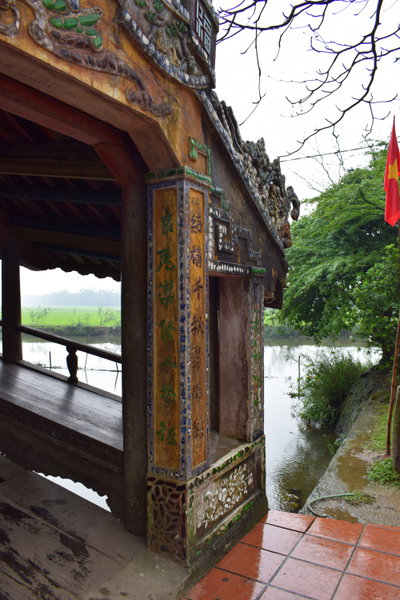
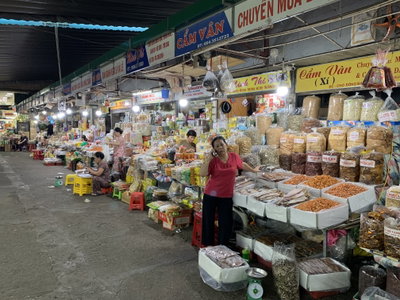
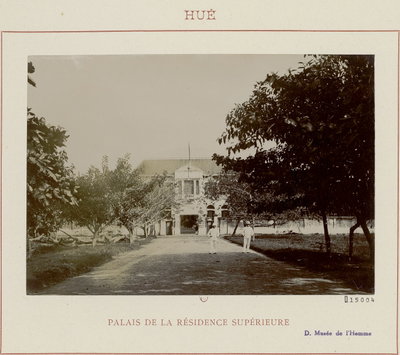
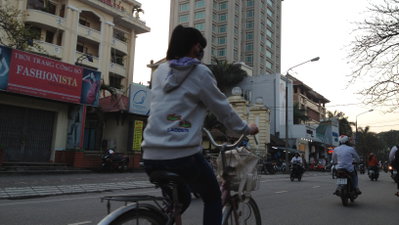
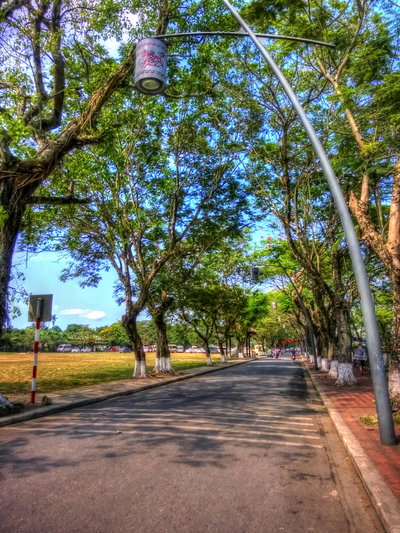
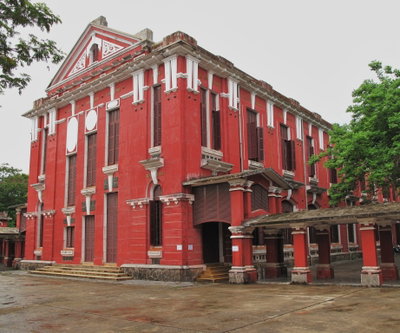
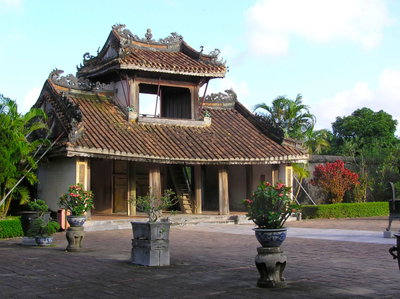
The 422 photographs of Hue on PlaceWas span 9 decades, from 1891 to 2025. 20 of them were taken before 1980; the other 402 are recent views of the same streets and landmarks.39 spots were photographed more than once, so you can compare the same street, square or building across the years.422 of the photos carry a written caption explaining what is in the frame. Every picture is pinned to the place it was taken, so the map below shows where the photographers stood.
Places in Hue through time
Spots photographed more than once — compare the same place across the years.

Stories from Hue
What contributors wrote about these photographs.