Home › Hue › Đại nội

Đại nội through time

Hue 2007–2019 28 photos of this spot

28 recent photographs taken at the same spot in Hue, spanning 2007–2019. Have an older picture of it? Add it and start this spot's timeline.

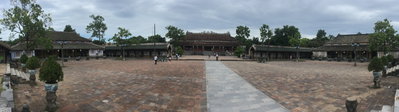
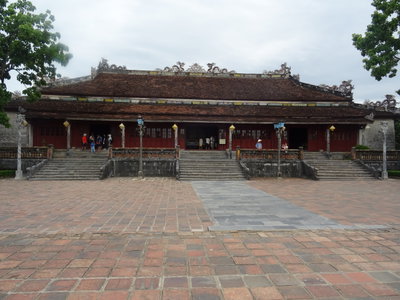
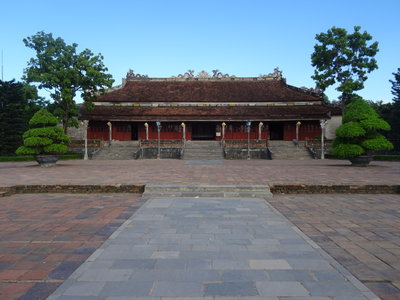
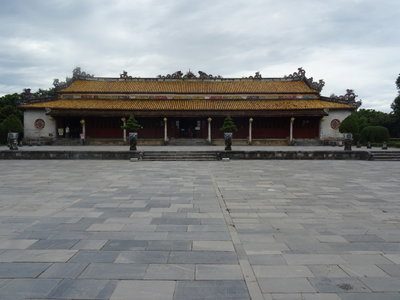
The Thai Hoa Palace within the Imperial Enclosure of Hue Citadel, Vietnam, photographed in 2007. Built in 1805 as the ceremonial hall of the Nguyen dynasty emperors, the citadel complex is a UNESCO World Heritage Site.

See this spot on the map
Have an old photo of Đại nội? A family album, a postcard, a print from the attic. Pin it to the map and it becomes part of the record.
Add your photo
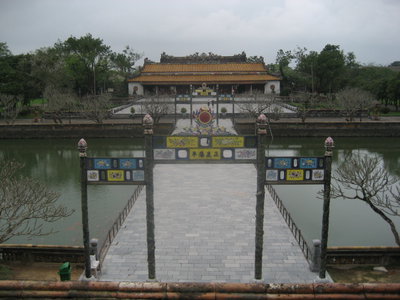
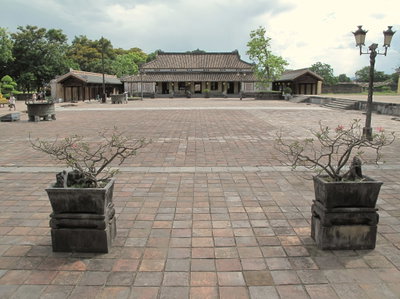
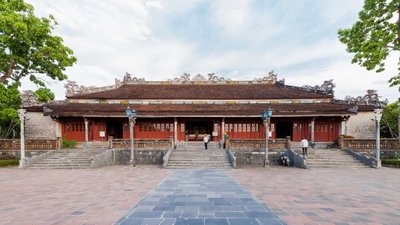
Hué, Citadel, Imperial Enclosure, Thai Hoa Palace, Hue, 2007
Hué, Citadel, Imperial Enclosure, Thai Hoa Palace 2007 The Thai Hoa Palace within the Imperial Enclosure of Hue Citadel, Vietnam, photographed in 2007. Built in 1805 as the ceremonial hall of the Nguyen dynasty emperors, the citadel complex is a UNESCO World Heritage Site.
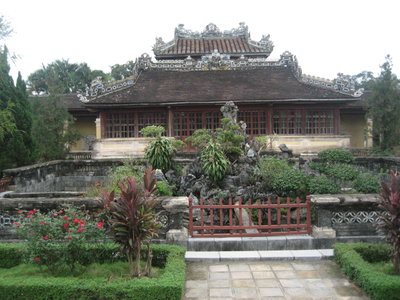
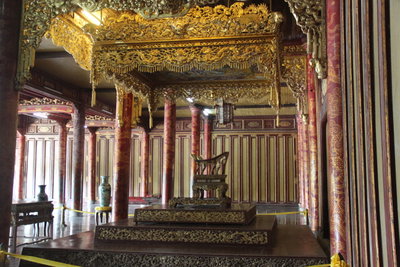
Hué, Citadel, Imperial Enclosure, Emperors Reading Room, Hue, 2007
Hué, Citadel, Imperial Enclosure, Emperors Reading Room 2007 The Emperor's Reading Room inside the Imperial Enclosure of Hue's Citadel, part of the Nguyen Dynasty's former royal seat and a UNESCO-listed complex on Vietnam's central coast.
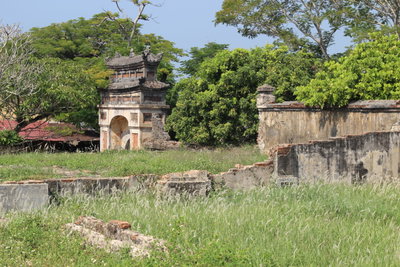
Từ linh Cung, Hue, 2010
Từ linh Cung 2010 A temple structure near Hue, Vietnam, photographed in 2010. Hue served as the imperial capital of Vietnam's Nguyen dynasty and remains home to numerous historic pagodas and shrines.
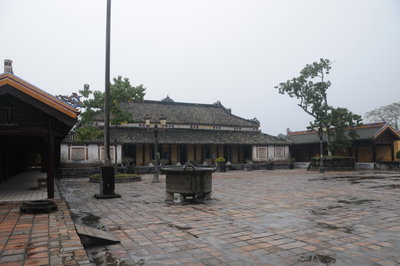
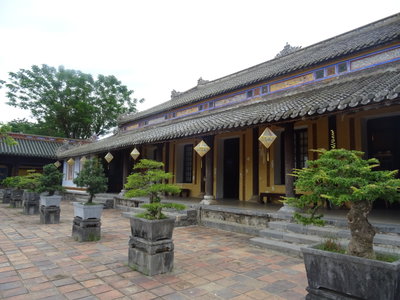
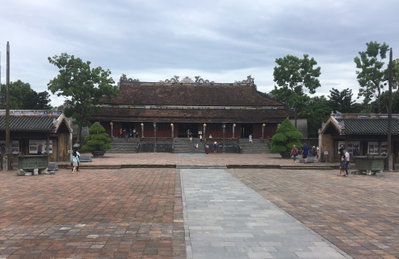
Đại nội, Hue, 2011
Đại nội 2011 A view inside Đại Nội, the Imperial City of Huế, Vietnam, photographed in 2011. The complex served as the political and ceremonial center of Vietnam's Nguyễn dynasty from the early 19th century.
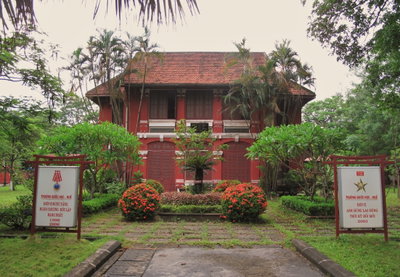
French colonial house, Hue, 2012
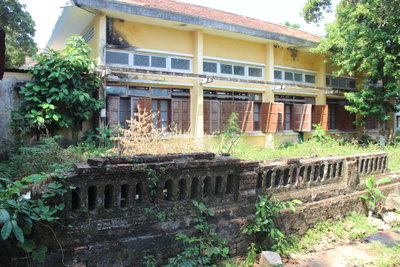
French colonial house 2012 A French colonial-era house stands in Hue, Vietnam, reflecting the city's mix of Nguyen dynasty and European architectural influences. This photograph dates to 2012.
Imperial City from the north, Hue, 2012
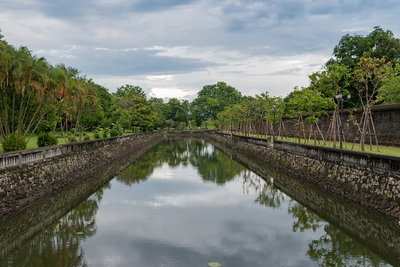
Imperial City from the north 2012 The Imperial City of Hue, seat of the Nguyen dynasty from 1802 until 1945, is viewed here from the north in a 2012 photograph, showing part of the walled and moated complex that once housed Vietnam's royal court.
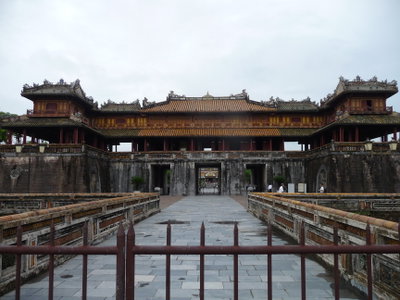
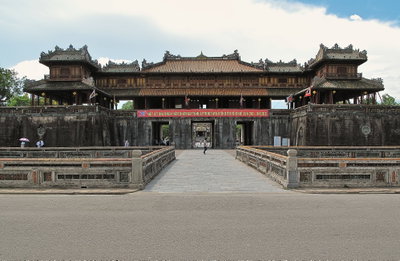
Gate to the Imperial City, Hue, 2012
Gate to the Imperial City 2012 Hue's Imperial City was the seat of the Nguyen dynasty from 1802 until 1945 and is now a UNESCO World Heritage Site. This 2012 photograph shows one of its gates.
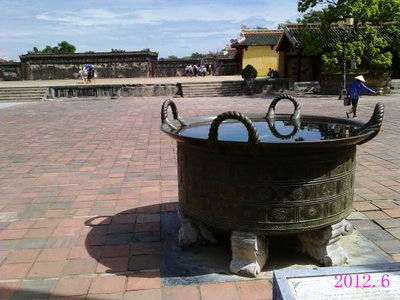
顺化古皇城201206(消防用水大鼎), Hue, 2012
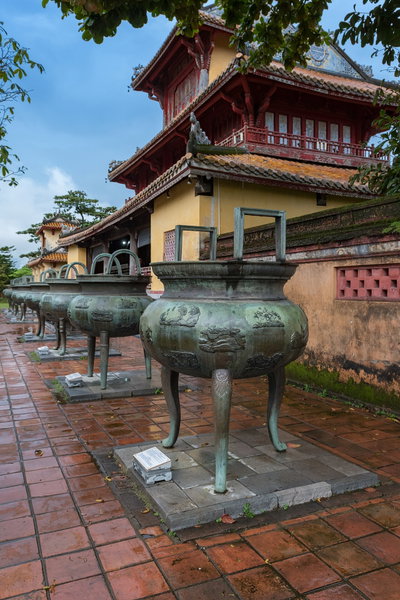
顺化古皇城201206(消防用水大鼎) 2012 This photograph, taken within Hue's Imperial City in June 2012, shows one of the large bronze cauldrons historically kept on the grounds for storing water in case of fire.
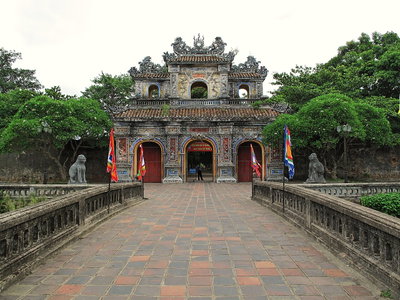
Hien Nhom Gate, Hue, 2012
Hien Nhom Gate 2012 Hien Nhon Gate is one of the ceremonial entrances to the Hue Citadel, the walled imperial city built by Vietnam's Nguyen Dynasty in the early 19th century. The Citadel served as the seat of Vietnamese emperors until 1945.
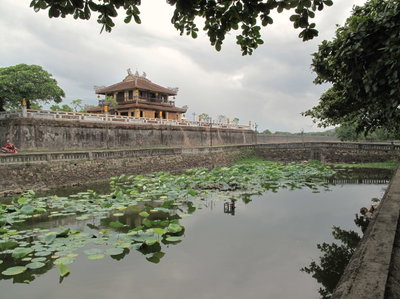
Hue Imperial City, Hue, 2012
Hue Imperial City 2012 The Hue Imperial City, a walled citadel on the banks of the Perfume River, served as the seat of the Nguyen Dynasty emperors from 1802 until 1945 and is now a UNESCO World Heritage Site. Much of it was damaged during the Vietnam War and has since been partially restored.
Nguyen Dynasty Forbidden City, Hue, Hue, 2014
Nguyen Dynasty Forbidden City, Hue 2014 The former Nguyen Dynasty Imperial City in Hue, Vietnam, photographed in 2014. Built as the seat of Vietnam's last ruling dynasty, the complex is part of a UNESCO World Heritage Site.
Palace of Supreme Harmony (Dien Thai Hoa), Nguyen Dynasty Forbidden City, Hue, Hue, 2014
Palace of Supreme Harmony (Dien Thai Hoa), Nguyen Dynasty Forbidden City, Hue 2014 The Palace of Supreme Harmony, or Dien Thai Hoa, within the Imperial City of Hue, Vietnam, photographed in 2014. Built in the early 19th century under the Nguyen Dynasty, it served as the site of the emperor's official ceremonies; the Imperial City is a UNESCO World Heritage Site.
Tả Vu 1 in 2014, Hue, 2014
Tả Vu 1 in 2014 2014 A view of Hue, Vietnam, the imperial capital of the Nguyen Dynasty from 1802 until 1945. The city sits on the Perfume River and its monuments are recognized as a UNESCO World Heritage Site.
Nguyen Dynasty Forbidden City, Hue, Hue, 2014
Nguyen Dynasty Forbidden City, Hue 2014 The Purple Forbidden City within Hue's Imperial Citadel, the inner enclosure once reserved for the Nguyen emperors and their households.
Nguyen Dynasty Forbidden City, Hue, Hue, 2014
Nguyen Dynasty Forbidden City, Hue 2014 The Imperial City of the Nguyen Dynasty in Hue, Vietnam, seat of the country's last ruling dynasty from 1802 to 1945, is captured in this 2014 photograph.
Nguyen Dynasty Forbidden City, Hue, Hue, 2014
Nguyen Dynasty Forbidden City, Hue 2014 Photographed in 2014, this view shows part of the Nguyen Dynasty's former Forbidden City in Hue, Vietnam, the walled palace complex that served as the imperial court for over a century.
Nguyen Dynasty Forbidden City, Hue, Hue, 2014
Nguyen Dynasty Forbidden City, Hue 2014 Hue's Imperial City, built by the Nguyen emperors as their fortified royal residence, appears in this 2014 photograph of the UNESCO-listed site in central Vietnam.
Nguyen Dynasty Forbidden City, Hue, Hue, 2014
Nguyen Dynasty Forbidden City, Hue 2014 A view within the Imperial City of Hue, Vietnam, photographed in 2014. Built by the Nguyen Dynasty starting in the early nineteenth century, the walled citadel and its inner 'Forbidden Purple City' formed the seat of Vietnam's last imperial court.
Nine Dynastic Urns, Hue, Hue, 2017
Nine Dynastic Urns, Hue 2017 The Nine Dynastic Urns in Hue, photographed in 2017. Cast in bronze in the 1830s under Emperor Minh Mang, each urn was dedicated to a different Nguyen emperor and stands before the Imperial City's ancestral temple.
Anlage der Zitadell in Hue, Vietnam, Hue, 2017
Anlage der Zitadell in Hue, Vietnam 2017 The Imperial Citadel of Hue, seat of Vietnam's Nguyen dynasty emperors from the early 19th century until 1945, is shown here in a 2017 photograph. Modeled partly on Beijing's Forbidden City, the walled complex is a UNESCO World Heritage Site.
Long corridor in Hue, Vietnam, Hue, 2017
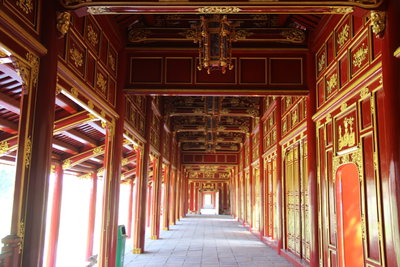
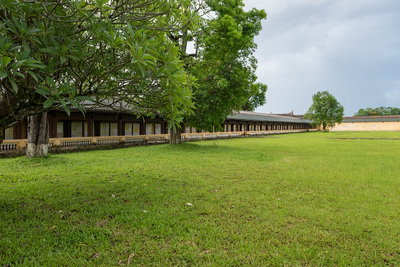
Long corridor in Hue, Vietnam 2017 A long covered corridor within Hue's Imperial Citadel is shown in this 2017 photograph. The complex served as the seat of the Nguyen Dynasty, Vietnam's last imperial dynasty, from the early 19th century until 1945.
Purple Forbidden City, Hue, 2018
Purple Forbidden City 2018 Another view of the Purple Forbidden City in Hue, the emperor's private quarters within the Imperial City, largely rebuilt after suffering heavy damage in the twentieth century.
Đại Cung môn 1, Hue, 2018
Đại Cung môn 1 2018 Dai Cung Mon, a gate within the Hue Citadel's Imperial City complex, part of the fortified seat built for the Nguyen dynasty beginning in 1805 and designed to reflect the ceremonial order of the royal court.
Hall of Supreme Harmony Huế 5, Hue, 2018
Hall of Supreme Harmony Huế 5 2018 The Hall of Supreme Harmony within the Hue Citadel, the throne hall where Nguyen dynasty emperors once held court ceremonies and received foreign envoys.
Hall of Supreme Harmony Huế 2, Hue, 2018
Hall of Supreme Harmony Huế 2 2018 The Hall of Supreme Harmony within Hue's Imperial City, photographed in 2018. It served as the ceremonial center of the Nguyen dynasty court, where emperors received officials and held state audiences.
Tả Vu 1, Hue, 2018
Tả Vu 1 2018 Ta Vu, one of the mandarin buildings within the Imperial City of Hue, Vietnam, photographed in 2018. The Nguyen-dynasty citadel served as the seat of Vietnam's imperial court.
Đại Cung môn 2, Hue, 2018
Đại Cung môn 2 2018 The site of Đại Cung Môn, once the main gate leading into the Purple Forbidden City within Hue's Imperial City, photographed in 2018. The original gate was destroyed during 1947 fighting between French and Vietnamese forces.
Thái Hòa Palace (I), Hue, 2019
Thái Hòa Palace (I) 2019 Thai Hoa Palace within the Hue Imperial City, the ceremonial hall where the Nguyen dynasty court once held its most important audiences and coronations, photographed in 2019.