Home › Kyoto › Senbon Torii

Senbon Torii through time

Kyoto 2007–2024 39 photos of this spot

39 recent photographs taken at the same spot in Kyoto, spanning 2007–2024. Have an older picture of it? Add it and start this spot's timeline.

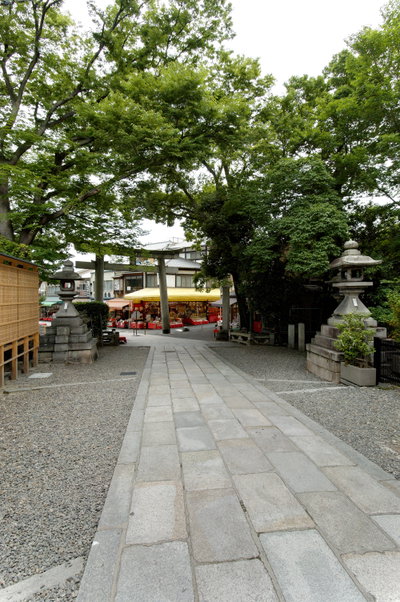
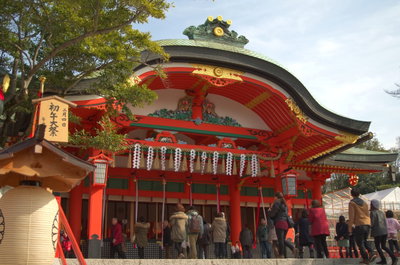
Azumamaro Jinja, a Shinto shrine in Kyoto, Japan, is pictured here in 2007, showing one of the smaller subsidiary shrines within its grounds.

See this spot on the map
Have an old photo of Senbon Torii? A family album, a postcard, a print from the attic. Pin it to the map and it becomes part of the record.
Add your photo
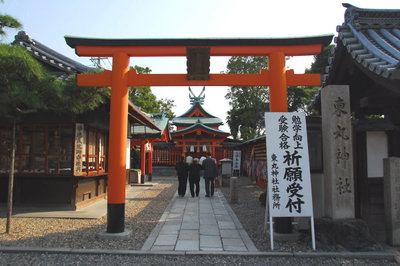
Azumamaro Jinja, Kyoto, 2007
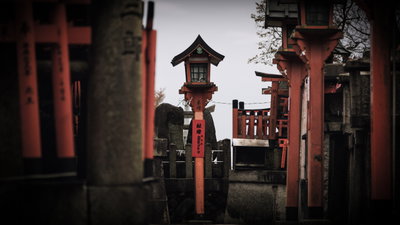
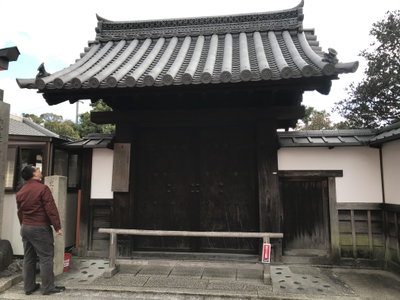
Azumamaro Jinja 2007 Azumamaro Jinja, a Shinto shrine in Kyoto, Japan, is pictured here in 2007, showing one of the smaller subsidiary shrines within its grounds.
Approach to Fushimi Inari, Kyoto, 2008
Approach to Fushimi Inari 2008 The approach to Fushimi Inari Taisha in Kyoto, photographed in 2008. This Shinto shrine is famous for its thousands of vermilion torii gates, donated by worshippers, which line the paths up Mount Inari.
Climbing Fushimi Inari, Kyoto, 2008
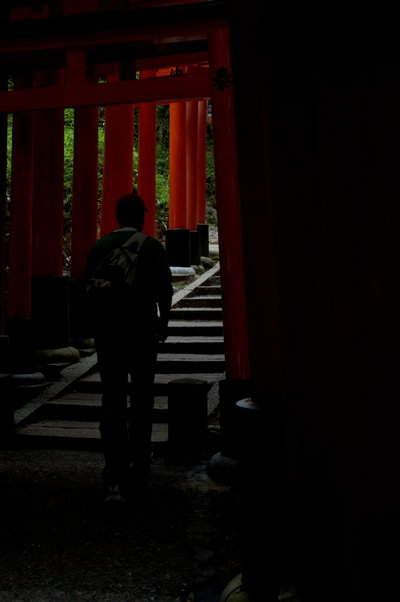
Climbing Fushimi Inari 2008 Visitors climbing the torii gate paths at Fushimi Inari Taisha in Kyoto, photographed in 2008. The trail winds roughly four kilometers up Mount Inari past thousands of closely spaced vermilion gates.
Climbing Fushimi Inari, Kyoto, 2008
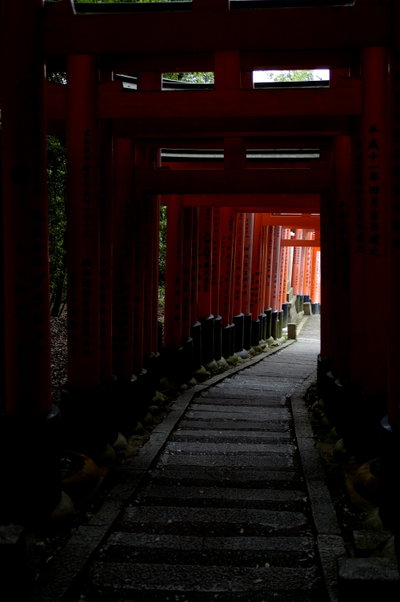
Climbing Fushimi Inari 2008 Another view of the ascent through the torii gates at Fushimi Inari Taisha in Kyoto, taken in 2008, showing the dense rows of gates that give the path its distinctive tunnel-like appearance.
Climbing Fushimi Inari, Kyoto, 2008
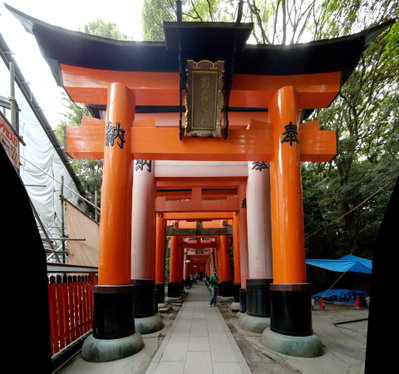
Climbing Fushimi Inari 2008 Climbers ascending the torii gate path at Fushimi Inari Taisha in Kyoto, photographed in 2008, one of many visitors following the route up the wooded slopes of Mount Inari.
Fushimi Inari shrine , 伏見稲荷大社, Kyoto, 2011
Fushimi Inari shrine , 伏見稲荷大社 2011 Rows of vermilion torii gates lead through the grounds of Fushimi Inari Taisha in Kyoto in this 2011 photograph. The shrine, dedicated to the rice deity Inari, is known for the thousands of gates donated by worshippers along its mountain paths.
Fushimi Inari shrine , 伏見稲荷大社, Kyoto, 2011
Fushimi Inari shrine , 伏見稲荷大社 2011 Another 2011 view of Fushimi Inari Taisha in Kyoto, the head shrine of the Inari faith, showing its distinctive vermilion torii gates and shrine buildings.
Fushimi Inari-Taisha, Kyoto, 2012
Fushimi Inari-Taisha 2012 Fushimi Inari Taisha, the Shinto shrine south of Kyoto famed for its long tunnels of vermilion torii gates donated by worshippers, dedicated to the deity of rice and prosperity. Photographed in 2012.
Fushimi Inari-Taisha, Kyoto, 2012
Fushimi Inari-Taisha 2012 Fushimi Inari Taisha, the Shinto shrine famous for its thousands of vermilion torii gates, is shown in this 2012 photograph from Kyoto, Japan's imperial capital for over a thousand years.
Fushimi Inari Shrine, Kyoto City; November, Kyoto, 2013
Fushimi Inari Shrine, Kyoto City; November 2013 Torii gates at Fushimi Inari Taisha in Kyoto, photographed in November 2013. The gates line the trails leading up Inariyama, forming tunnels of vermilion wood donated by individuals and businesses seeking the deity Inari's favor.
Fushimi Inari Shrine, Kyoto City; November, Kyoto, 2013
Fushimi Inari Shrine, Kyoto City; November 2013 A pathway of torii gates at Fushimi Inari Taisha, Kyoto, photographed in November 2013. Each gate bears the name of its donor, a tradition that has continued at the shrine for centuries.
Fushimi Inari Shrine 伏見稲荷大社6, Kyoto, 2013
Fushimi Inari Shrine 伏見稲荷大社6 2013 Part of the torii gate corridor at Fushimi Inari Taisha in Kyoto, seen in 2013. The site draws visitors year-round who walk the roughly four-kilometre circuit to the summit of Mount Inari and back.
Fushimi Inari Shrine 伏見稲荷大社7, Kyoto, 2013
Fushimi Inari Shrine 伏見稲荷大社7 2013 Fushimi Inari Taisha in Kyoto, photographed in 2013. As the head shrine of some 30,000 Inari shrines across Japan, it has been a center of worship for merchants and farmers seeking prosperity since at least the eighth century.
Fushimi Inari Shrine, Kyoto City; November, Kyoto, 2013
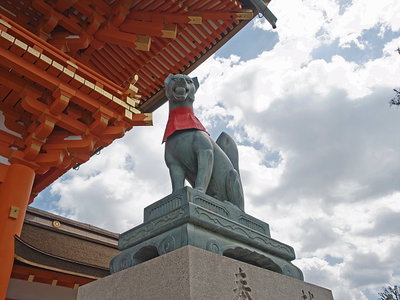
Fushimi Inari Shrine, Kyoto City; November 2013 Another view of the torii gate pathway at Fushimi Inari Taisha, Kyoto, taken in November 2013. Fox statues, regarded as messengers of Inari, are found throughout the shrine grounds alongside the gates.
Fushimi Inari Grand Shrine - 伏見稲荷大社, Kyoto, 2014
Fushimi Inari Grand Shrine - 伏見稲荷大社 2014 One of the vermilion torii gate pathways at Fushimi Inari Grand Shrine in Kyoto is shown in this 2014 photograph. The shrine's thousands of gates, donated by individuals and businesses, wind up the slopes of Mount Inari.
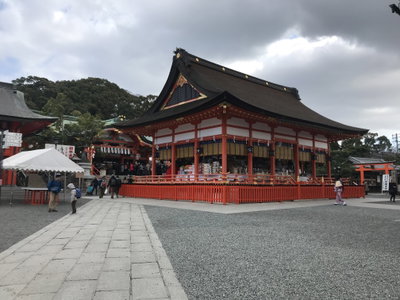
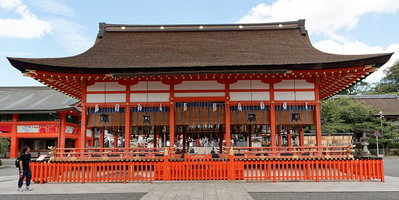
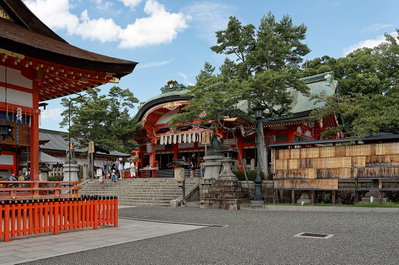
Outer Haiden of Fushimi Inari Grand Shrine 2, Kyoto, 2014
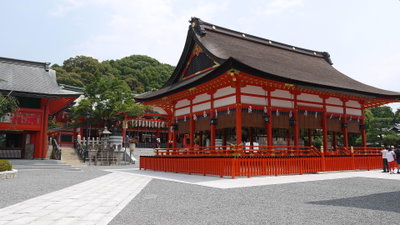
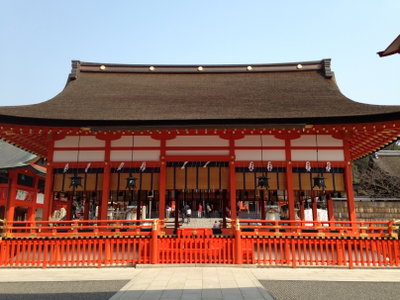
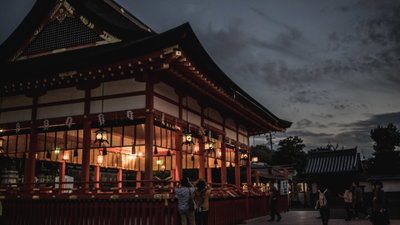
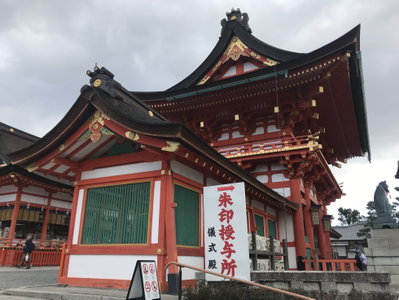
Outer Haiden of Fushimi Inari Grand Shrine 2 2014 The outer haiden, or worship hall, of Fushimi Inari Grand Shrine in Kyoto is shown in 2014. The shrine, founded in the 8th century, is dedicated to the Shinto deity Inari and is famed for its thousands of vermilion torii gates.
The Red Tunnel, Kyoto, 2014
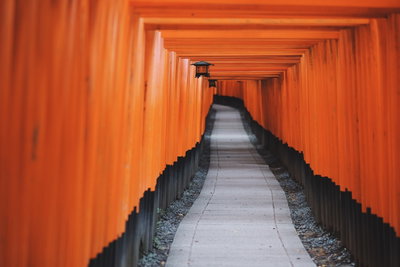
The Red Tunnel 2014 A tunnel of vermilion torii gates in Kyoto, Japan, photographed in 2014, the kind of dense gate-lined pathway most associated with the city's Fushimi Inari Taisha shrine.
Fushimi Inari Taisha, Kyoto, Japan (Unsplash), Kyoto, 2015
Fushimi Inari Taisha, Kyoto, Japan (Unsplash) 2015 Fushimi Inari Taisha, a Shinto shrine in Kyoto famed for the thousands of vermilion torii gates lining its paths, is pictured in this 2015 photograph.
Japan Fushimi, Kyoto, 2016
Japan Fushimi 2016 A photograph from the Fushimi district of Kyoto, Japan, taken in 2016. Fushimi lies south of the city center and is best known as the site of Fushimi Inari Taisha, a Shinto shrine famous for its long rows of vermilion torii gates.
Senbon Torii, Kyoto, 2017
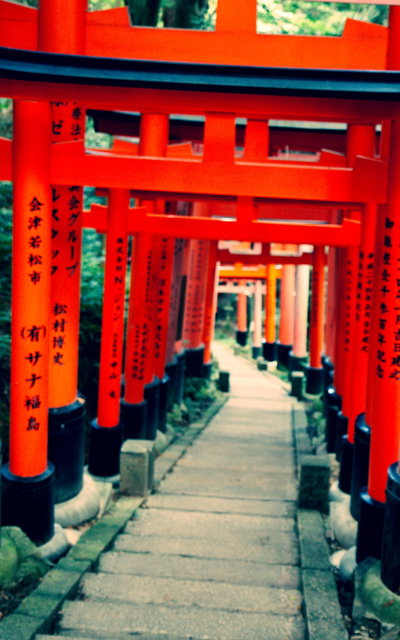
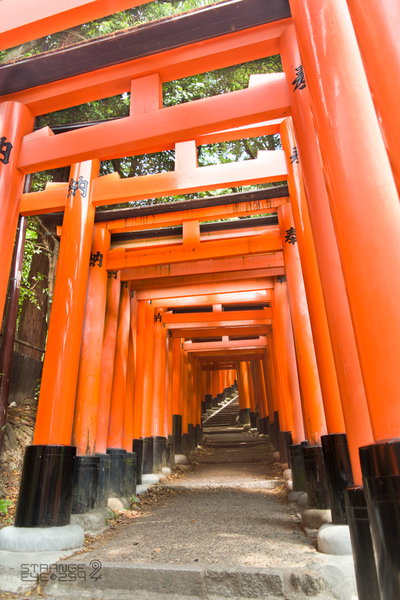
Senbon Torii 2017 Senbon Torii, the dense corridor of vermilion gates at Fushimi Inari Taisha in Kyoto, photographed in 2017. The gates are donated over time by individuals and businesses seeking good fortune.
Fushimi Inari-taisha, May 2017 1, Kyoto, 2017
Fushimi Inari-taisha, May 2017 1 2017 Fushimi Inari Taisha in Kyoto, photographed in May 2017. The shrine is dedicated to Inari, the Shinto deity of rice and prosperity, and sits at the base of a mountain crossed by walking trails.
Fushimi Inari Taisha, Kyoto, 2017
Fushimi Inari Taisha 2017 A December 2017 photograph of Fushimi Inari Taisha in Kyoto, one of Japan's most-visited Shinto shrine complexes and the head shrine for thousands of Inari shrines across the country.
Fushimi Inari-taisha Japan, Kyoto, 2017
Fushimi Inari-taisha Japan 2017 Fushimi Inari Taisha in Kyoto, photographed in April 2017 along the mountain paths lined with its well-known torii gates, which visitors can follow on a hike of several hours.
Fushimi Inari-taisha at night Japan, Kyoto, 2017
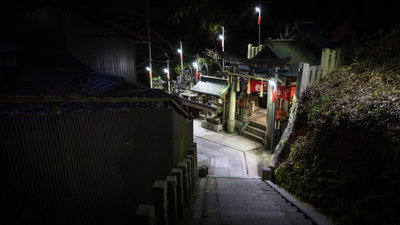
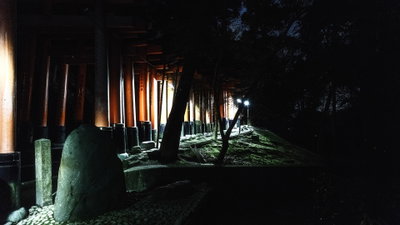
Fushimi Inari-taisha at night Japan 2017 Fushimi Inari Taisha photographed at night in April 2017. The shrine's torii-lined paths remain open around the clock and take on a different atmosphere once the daytime crowds have thinned.
Fushimi-Inari-taisha sembon-torii Japan, Kyoto, 2017
Fushimi-Inari-taisha sembon-torii Japan 2017 The Senbon Torii path at Fushimi Inari Taisha in Kyoto, photographed in April 2017, where closely spaced vermilion gates form a tunnel-like walkway up the hillside.
Lost in Japan (Unsplash), Kyoto, 2017
Lost in Japan (Unsplash) 2017 A 2017 photograph taken somewhere in Kyoto, the cultural heart of Japan and home to seventeen locations inscribed as UNESCO World Heritage sites.
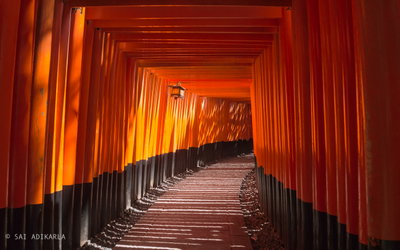
Torii Gates - Flickr - Sai Adikarla, Kyoto, 2018
Torii Gates - Flickr - Sai Adikarla 2018 A row of vermillion torii gates at Fushimi Inari Taisha, the Shinto shrine in Kyoto famous for the thousands of gates donated by worshippers that line the paths up Mount Inari.
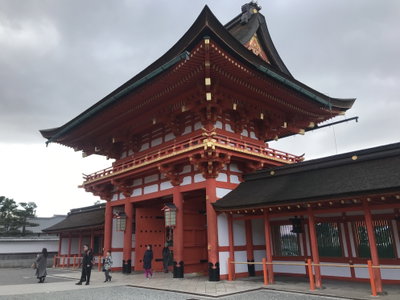
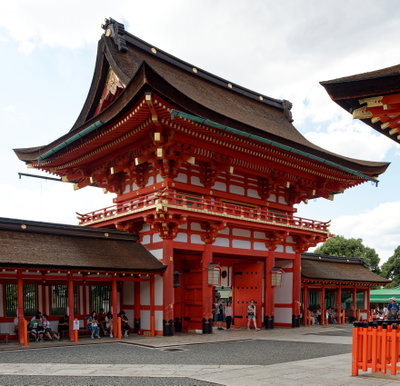
Romon, Fushimi Inari-taisha, Kyoto, 2018
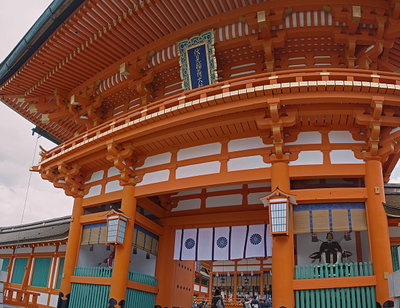
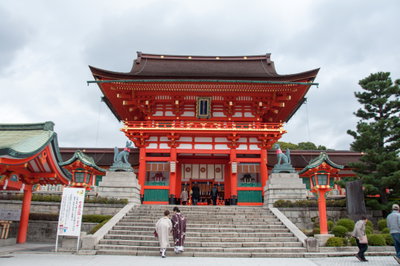
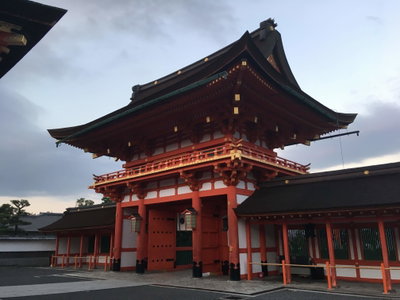
Romon, Fushimi Inari-taisha 2018 The Rōmon, a two-story gate at Fushimi Inari Taisha in Kyoto. Temple tradition holds it was donated in 1589 by the warlord Toyotomi Hideyoshi, and it remains one of the shrine's main entrances.
Romon gate of Fushimi Inari Grand Shrine 3, Kyoto, 2019
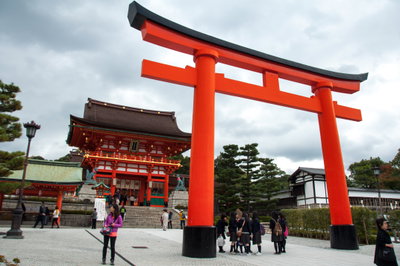
Romon gate of Fushimi Inari Grand Shrine 3 2019 The Romon gate at Fushimi Inari Taisha in Kyoto, head shrine of the Inari kami and starting point for its famed corridors of thousands of vermilion torii gates climbing the mountainside behind it. Photographed in 2019.
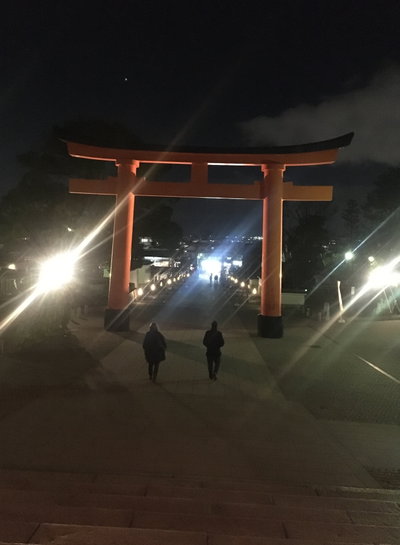
Sando and torii in front of Romon gate of Fushimi Inari Grand Shrine, Kyoto, 2019
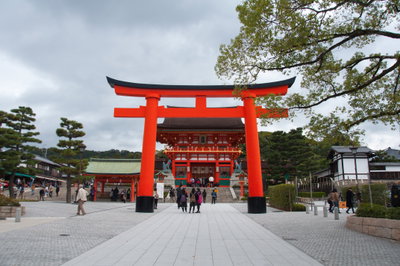
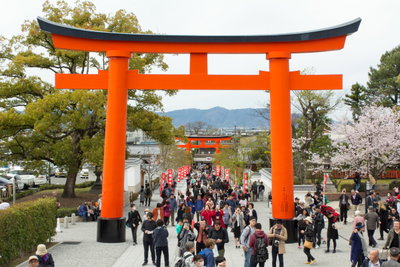
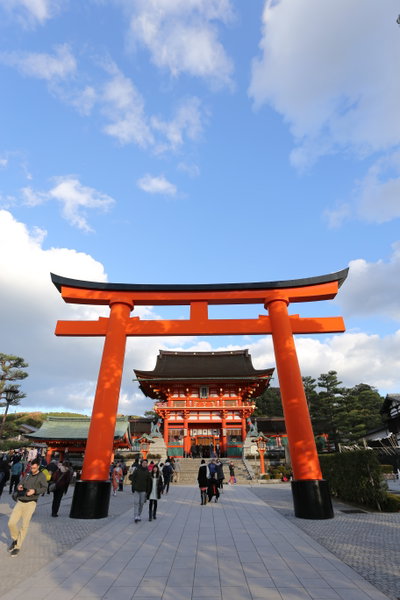
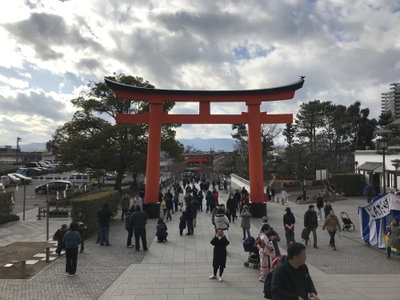
Sando and torii in front of Romon gate of Fushimi Inari Grand Shrine 2019 The approach path and torii gate leading to the Romon gate of Fushimi Inari Taisha in Kyoto, a Shinto shrine complex with origins dating to 711 AD and one of Japan's most recognizable religious sites. Taken in 2019.
Former residence of Kada no Azumamaro in Fushimi Inari Grand Shrine, Kyoto, 2019
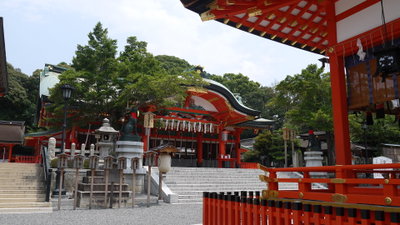
Former residence of Kada no Azumamaro in Fushimi Inari Grand Shrine 2019 The former residence associated with Edo-period Shinto scholar Kada no Azumamaro, located within the grounds of Fushimi Inari Taisha in Kyoto, one of Japan's most visited Shinto shrines, photographed in 2019.
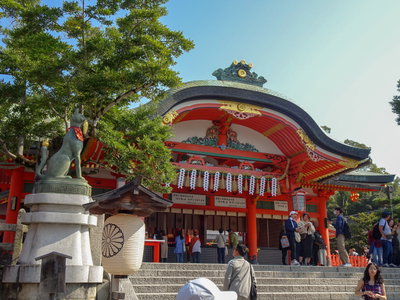
Outer Haiden of Fushimi Inari Grand Shrine 4, Kyoto, 2019
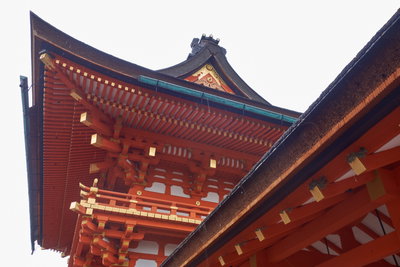
Outer Haiden of Fushimi Inari Grand Shrine 4 2019 The outer worship hall, or haiden, of Fushimi Inari Taisha in Kyoto, the head shrine of the Shinto deity Inari and known worldwide for its long avenues of vermilion torii gates climbing Mount Inari.
Romon gate of Fushimi Inari Grand Shrine 2, Kyoto, 2019
Romon gate of Fushimi Inari Grand Shrine 2 2019 The Romon gate at the entrance to Fushimi Inari Taisha in Kyoto, a two-story gate traditionally said to have been donated in the late 16th century by the warlord Toyotomi Hideyoshi.
Фусими Инари - большие тории при входе на территорию храмового комплекса (ночью), Kyoto, 2020
Фусими Инари - большие тории при входе на территорию храмового комплекса (ночью) 2020 Fushimi Inari Taisha, on the outskirts of Kyoto, is known for the thousands of vermilion torii gates donated by worshippers that line the paths up its sacred mountain. This 2020 photograph captures the entrance gates at night.
Fushimi inari, Kyoto, 2020
Fushimi inari 2020 The torii-lined approach to Fushimi Inari Taisha near Kyoto, photographed in April 2020.
Fushimi-inari Shrine, Kyoto, 2023
Fushimi-inari Shrine 2023 Fushimi Inari Taisha in Kyoto, Japan, photographed in 2023. The Shinto shrine is known for the thousands of vermilion torii gates lining its mountain paths.
Ge-haiden, Fushimi Inari-taisha, Kyoto, 1456, Kyoto, 2024
Ge-haiden, Fushimi Inari-taisha, Kyoto, 1456 2024 This 2024 photograph shows the ge-haiden, or outer hall of worship, at Fushimi Inari-taisha in Kyoto, Japan, the head shrine dedicated to the kami Inari and the starting point of the site's well-known corridors of vermilion torii gates.
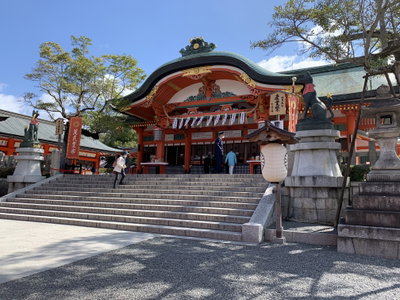
Nai-haiden, Fushimi Inari-taisha, Kyoto, 1455, Kyoto, 2024
Nai-haiden, Fushimi Inari-taisha, Kyoto, 1455 2024 Pictured here is the nai-haiden, the inner worship hall, at Fushimi Inari-taisha in Kyoto, photographed in 2024; tradition holds that the shrine has stood at the base of Mount Inari since the early eighth century.
Romon, Fushimi Inari-taisha, Kyoto, 1455, Kyoto, 2024
Romon, Fushimi Inari-taisha, Kyoto, 1455 2024 The romon, a two-story gate, marks an entrance to Fushimi Inari-taisha in Kyoto, shown in this 2024 photograph; the shrine complex is best known for its thousands of donated vermilion torii gates, which form tunnel-like paths climbing the wooded slopes of Mount Inari.