Old photos of Kyoto
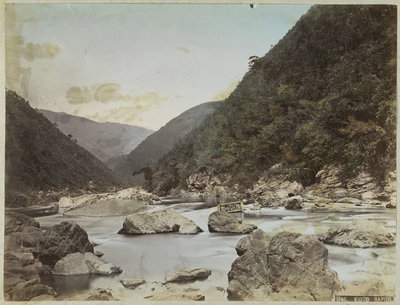
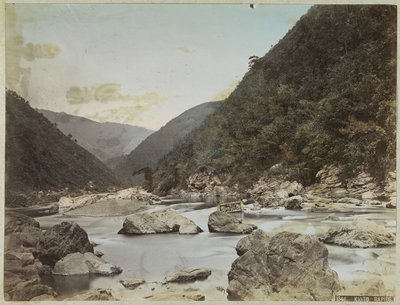
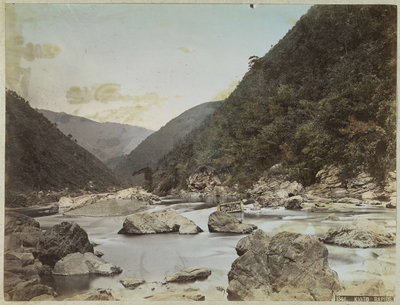
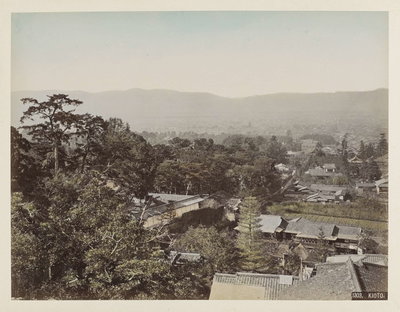
477 photographs of Kyoto, from 1870 to 2025 — each pinned to the exact place it was taken.
Kyoto was founded in 794 as Heian-kyo, the new capital of Japan, laid out on a rectangular grid modelled on Chinese imperial cities with the emperor's palace at its northern end. It remained the imperial capital for more than a thousand years, through the Heian period of court culture, the rise of the shogunates and centuries of civil war. The Onin War of the 15th century destroyed much of the city, and it was rebuilt under Toyotomi Hideyoshi in the late 16th century. During the Edo period real power lay in Edo, the later Tokyo, but Kyoto remained the seat of the emperor and a centre of religion, crafts and learning.
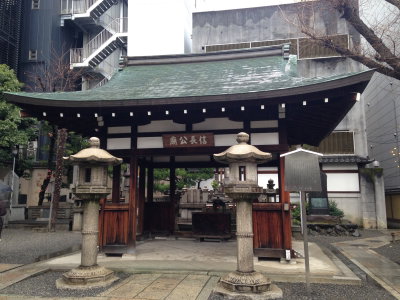
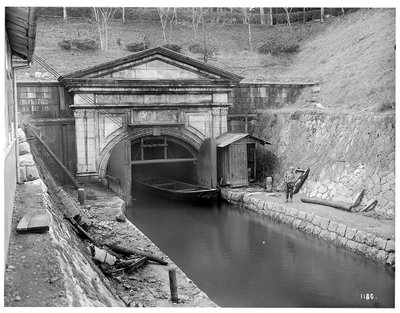
In 1868 the Meiji emperor moved his court to Tokyo, and Kyoto lost its role as capital. It responded with modernisation, including one of Japan's first electric tramways and a canal from Lake Biwa. The city was spared the large-scale bombing that destroyed most Japanese cities in the Second World War, so its temples, shrines, gardens and wooden machiya townhouses survived in large numbers. Seventeen of its historic monuments were inscribed as a UNESCO World Heritage site in 1994.
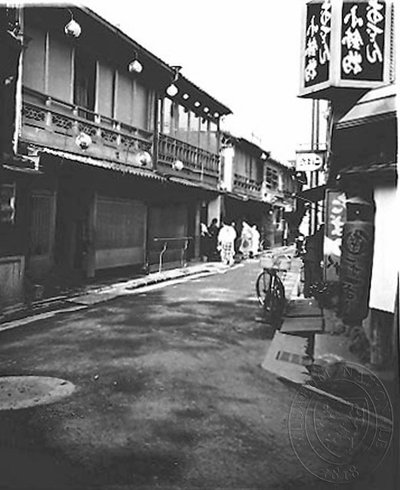
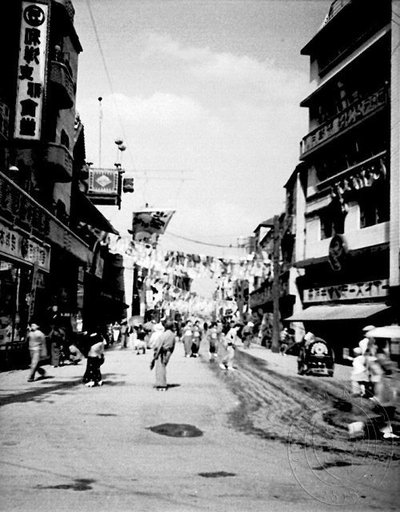
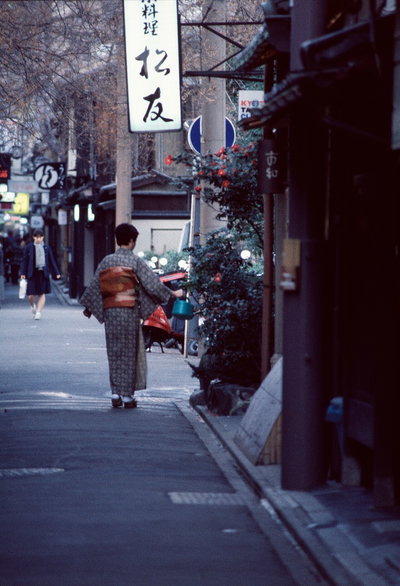
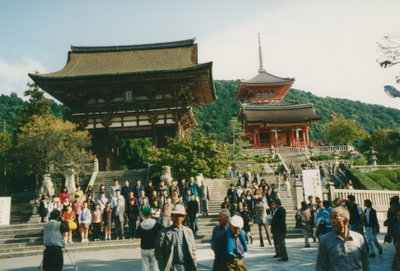
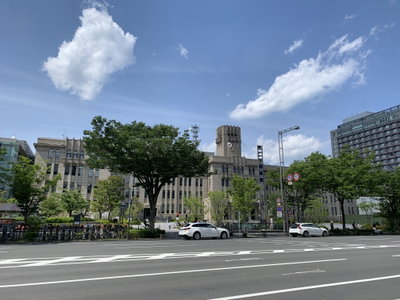
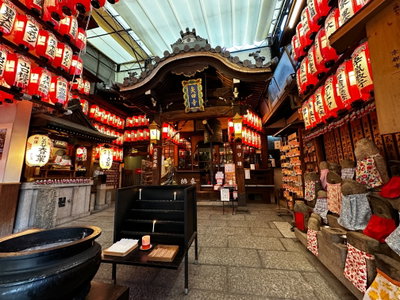
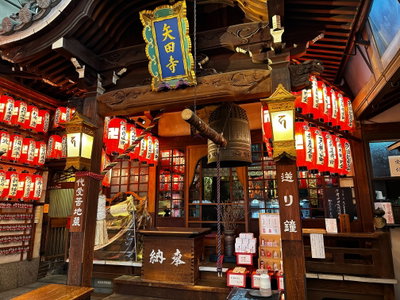
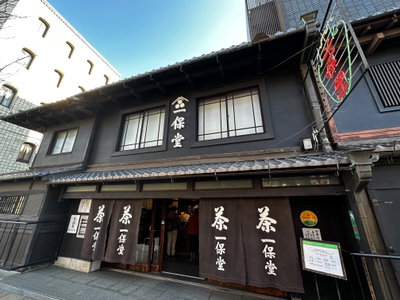
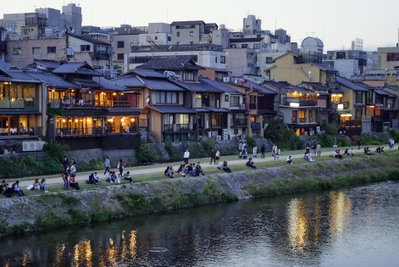
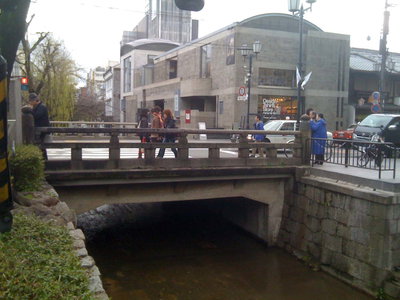
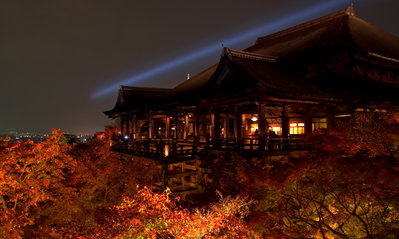
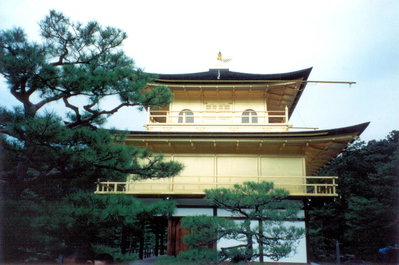
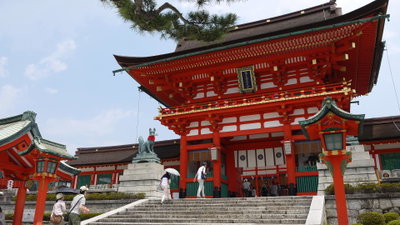
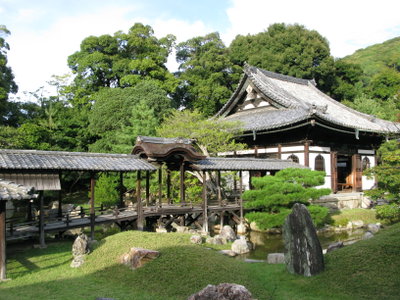
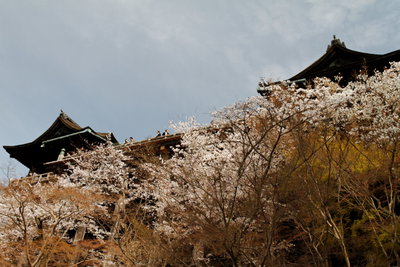
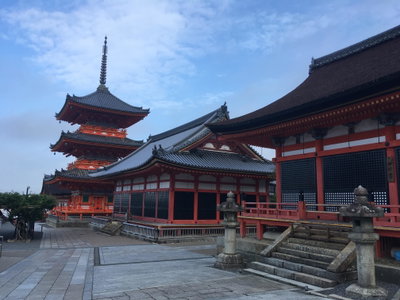
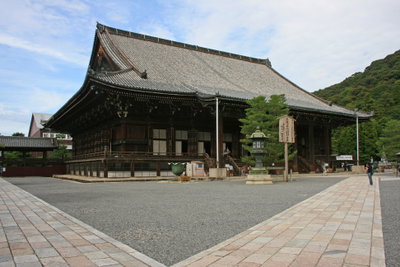
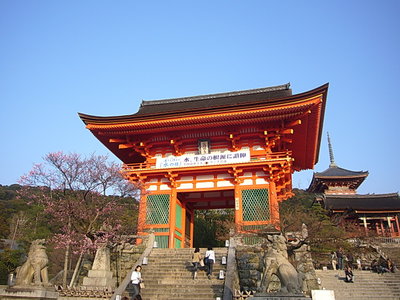
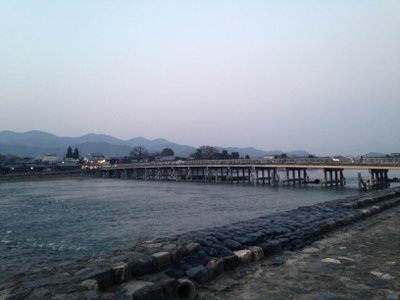
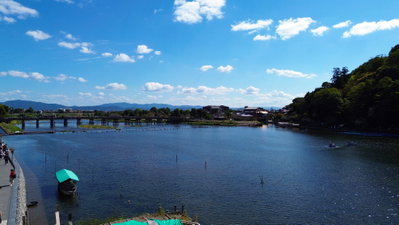
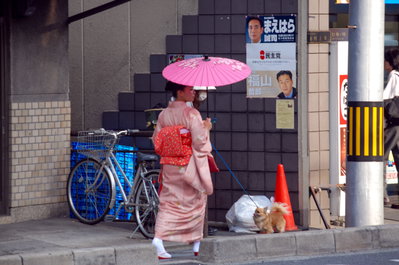
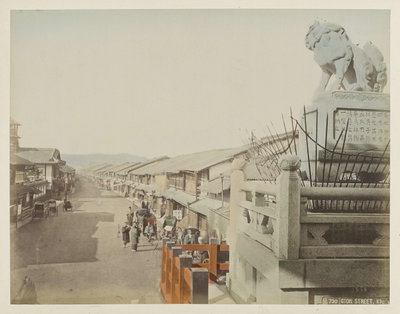
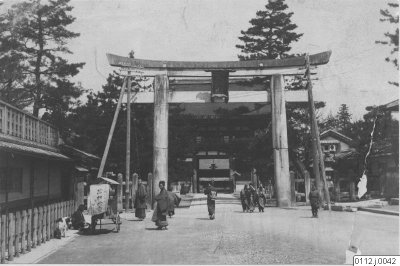
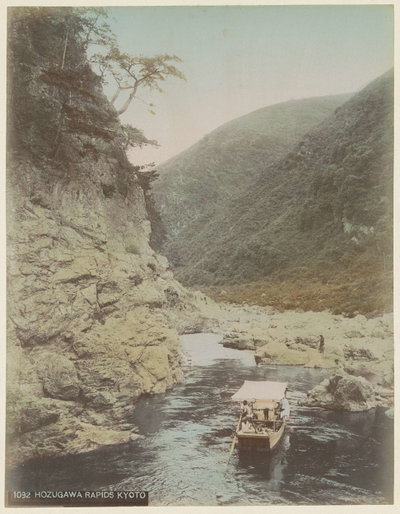
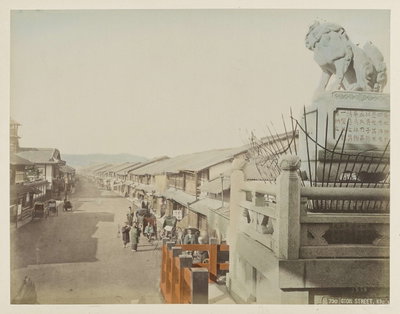
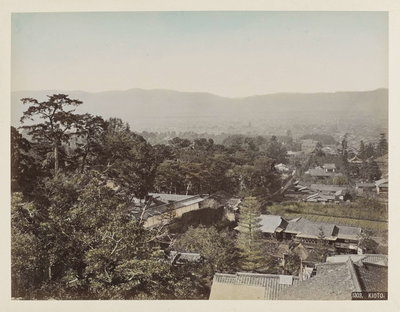
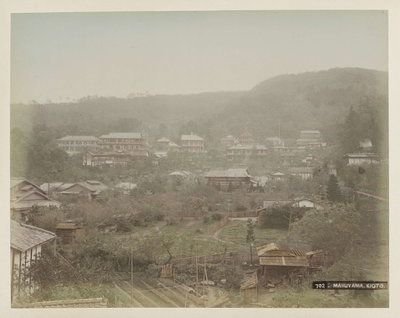
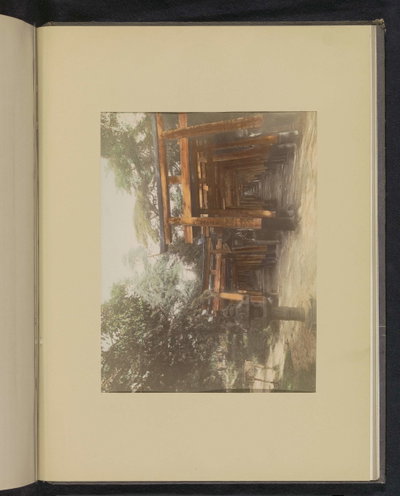
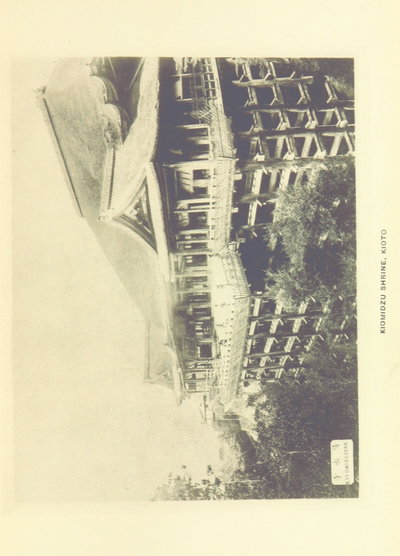
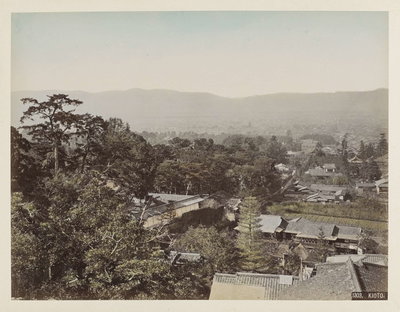
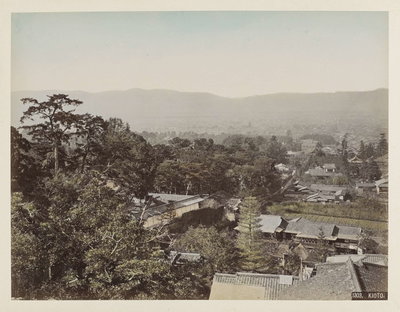
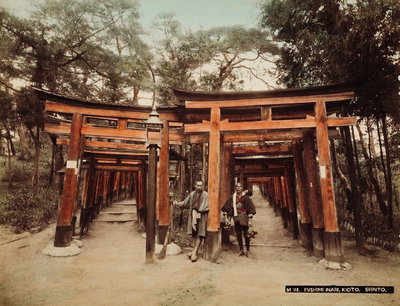
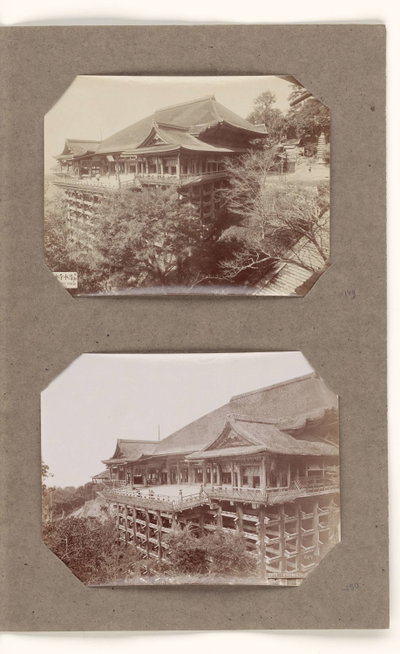
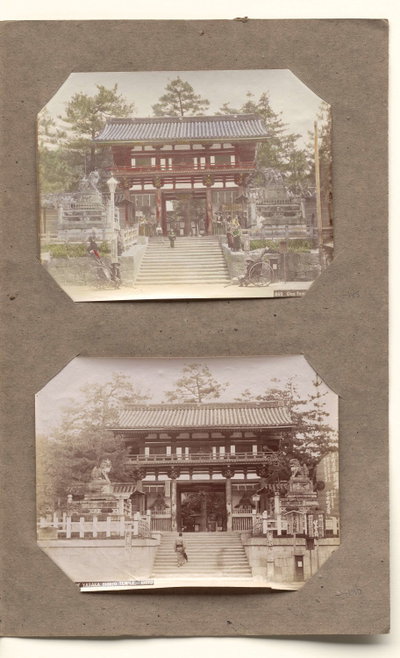
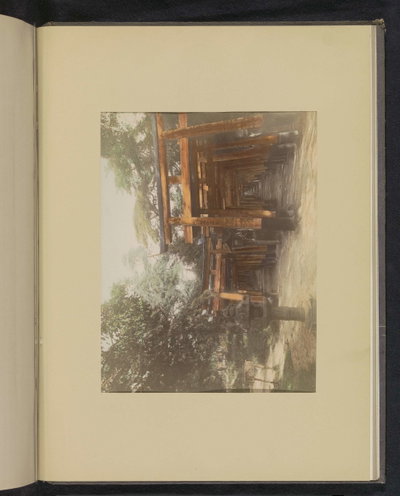
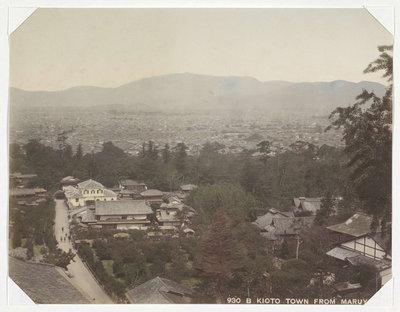
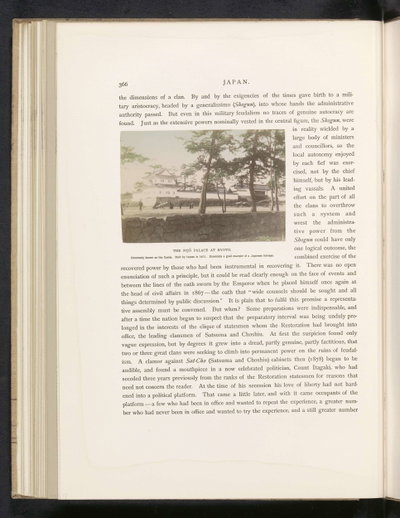
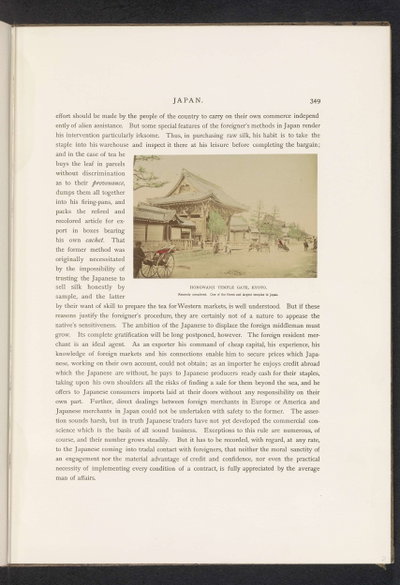
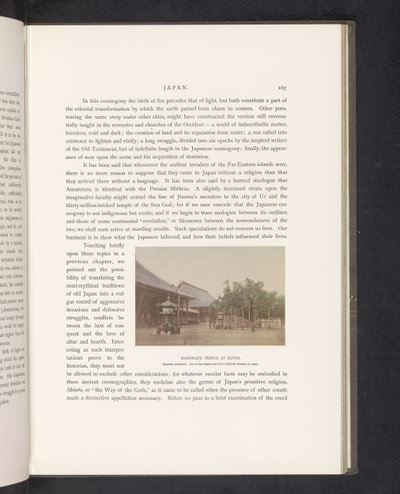
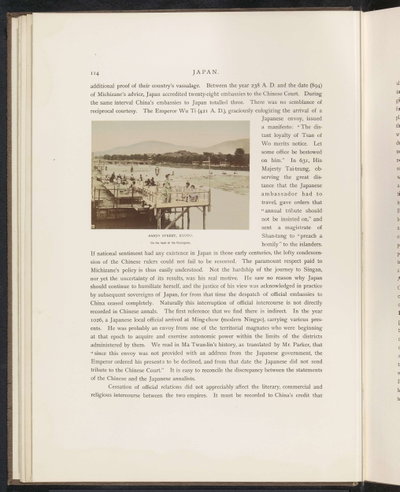
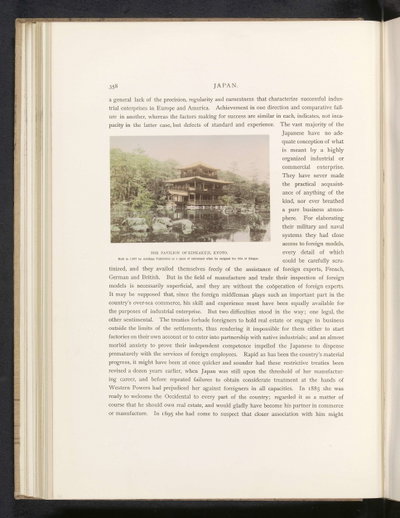
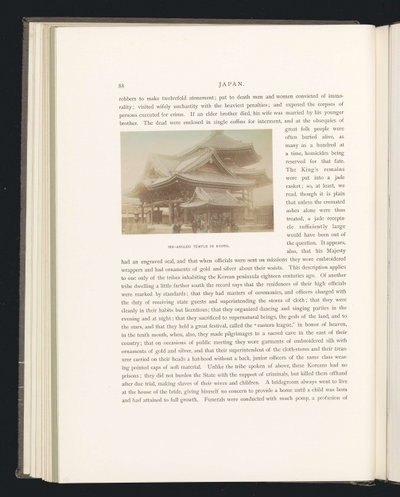
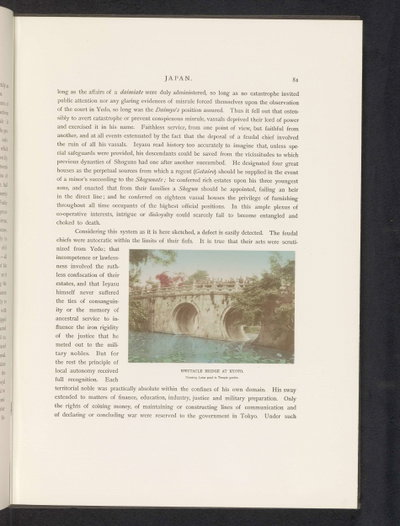
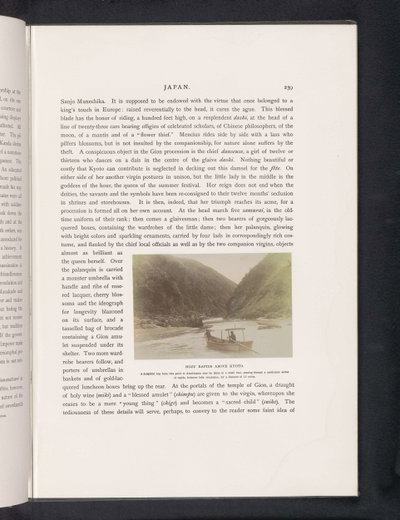
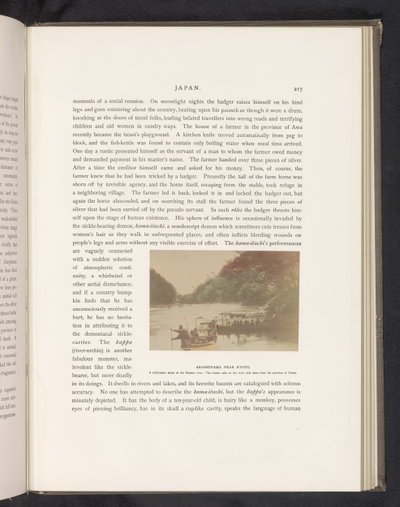
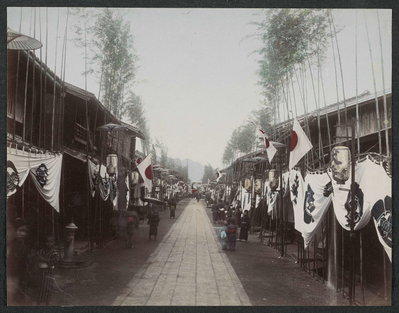
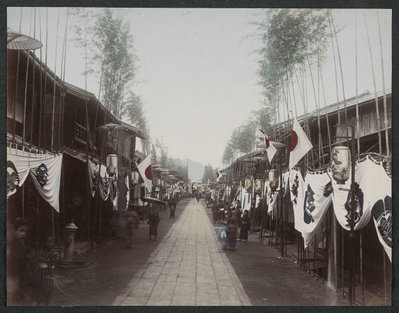
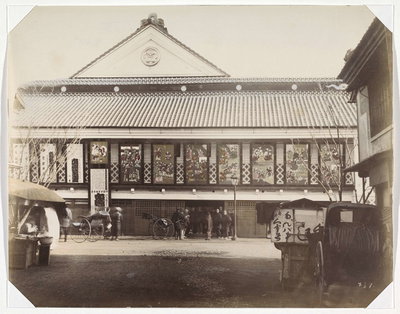
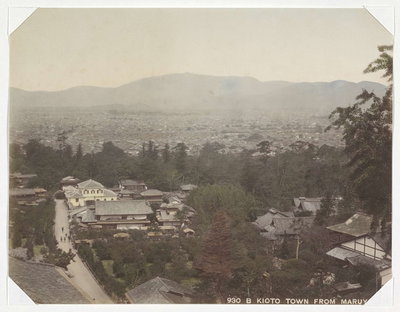
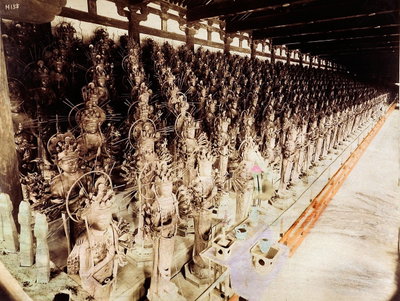
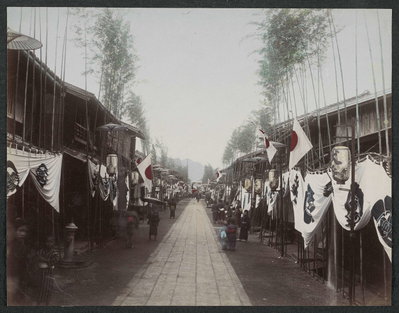
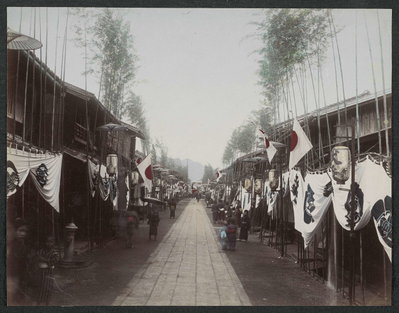
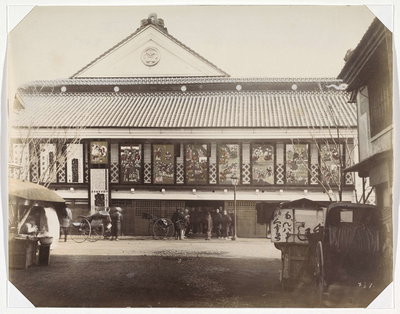
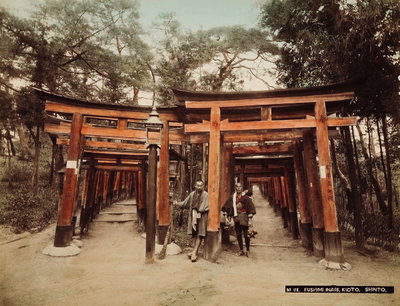
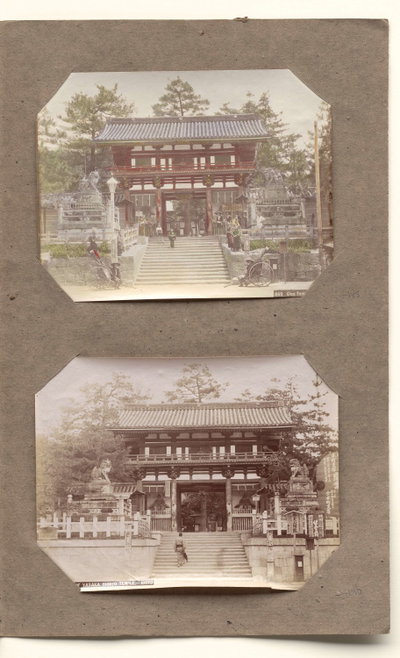
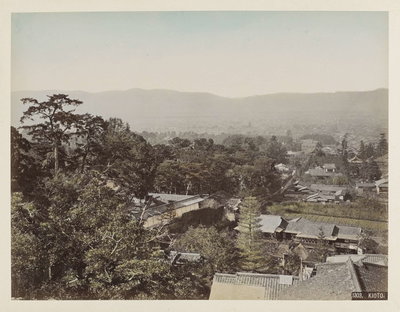
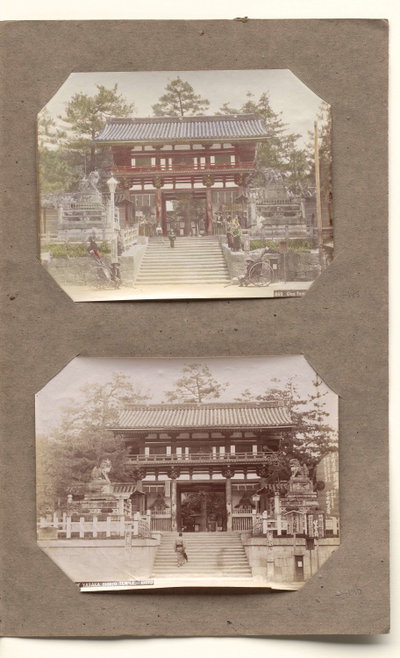
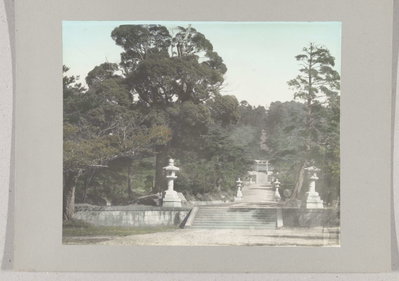
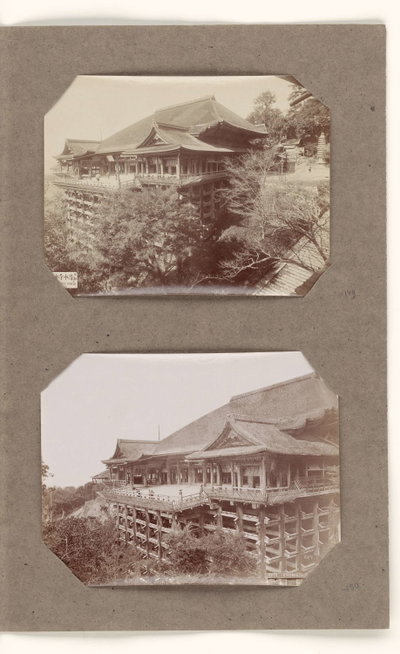
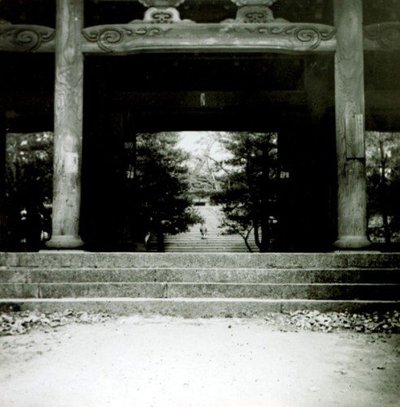
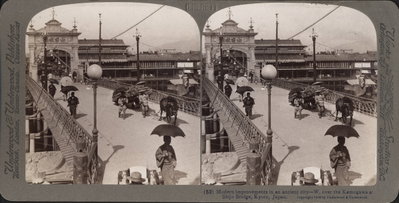
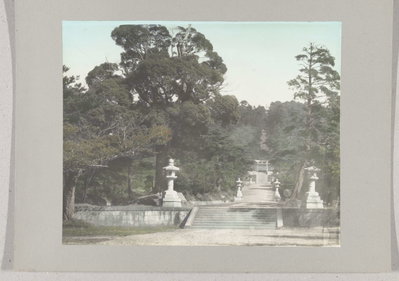
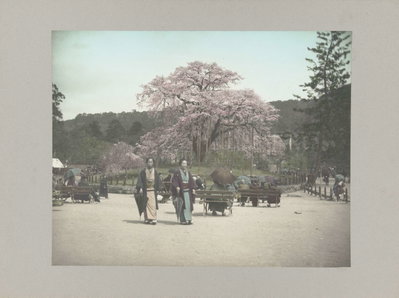
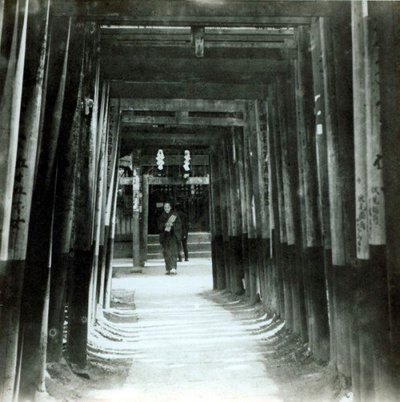
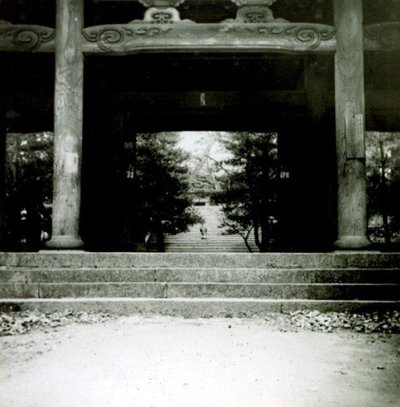
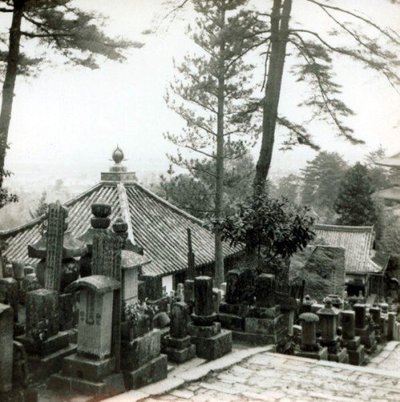
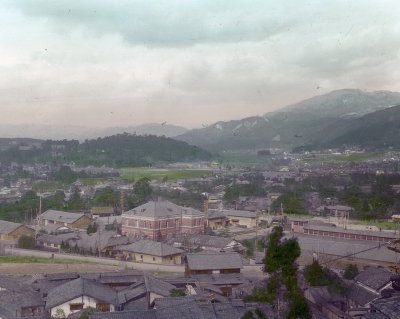
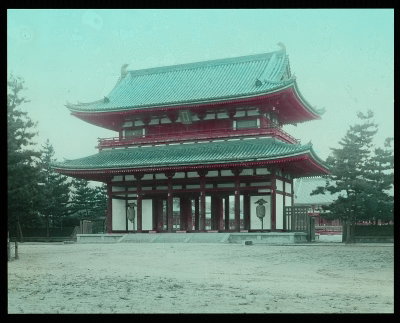
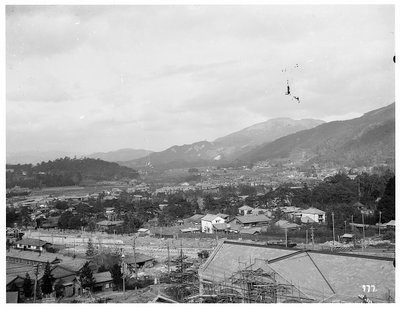
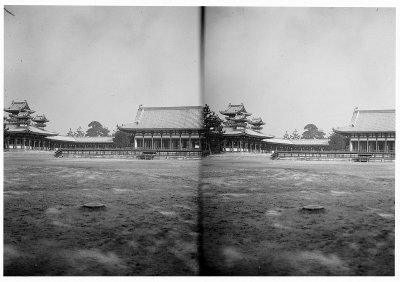
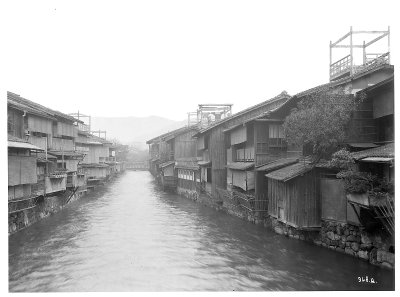
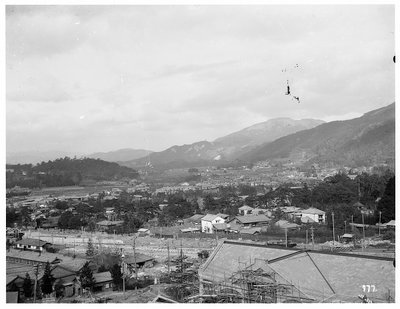
Old photographs of Kyoto typically show temple gates and pagodas, the Kamo river and its bridges, geisha and merchants in the Gion and Pontocho districts, and narrow streets of tiled wooden houses.
What the photos show
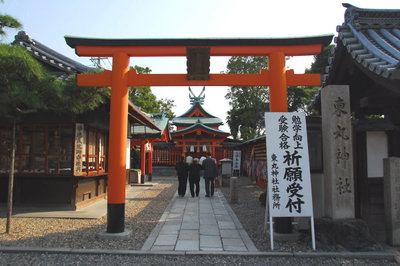
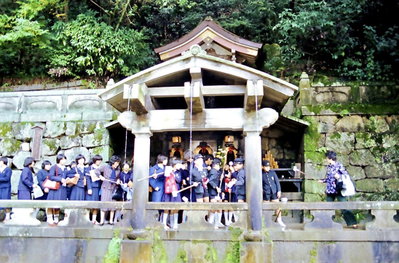
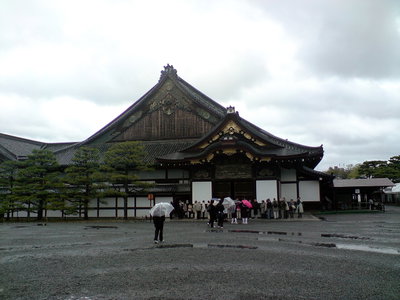
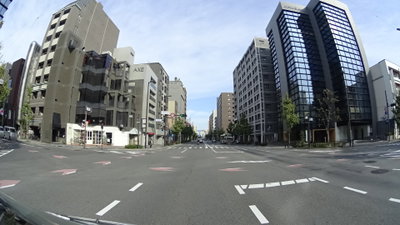
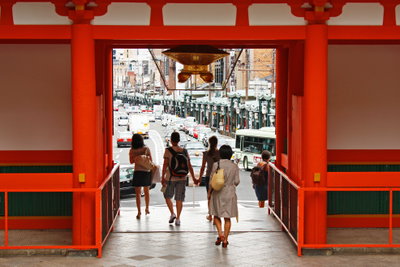
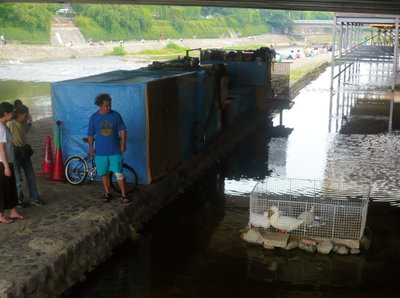
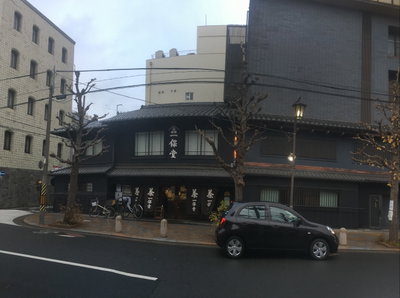
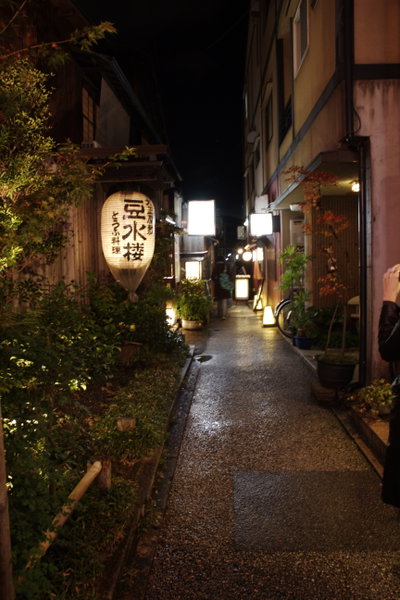
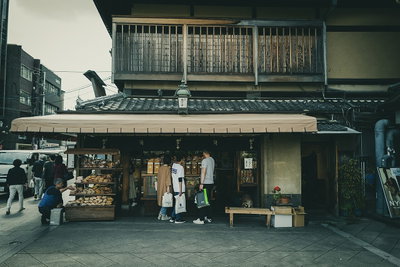
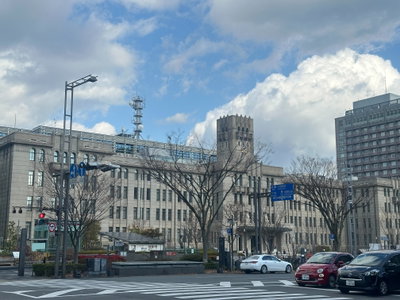
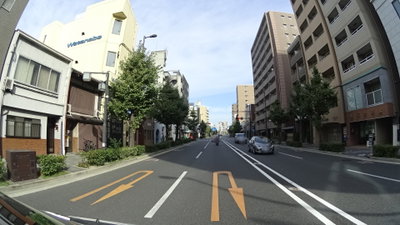
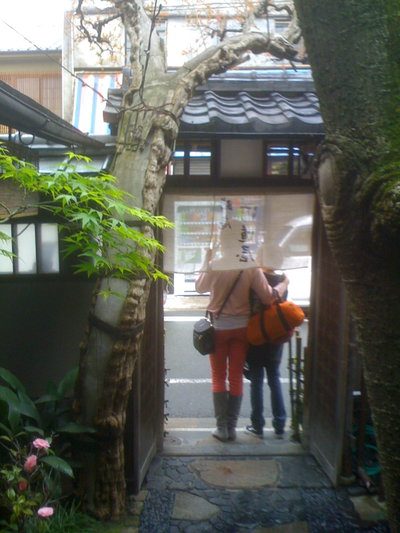
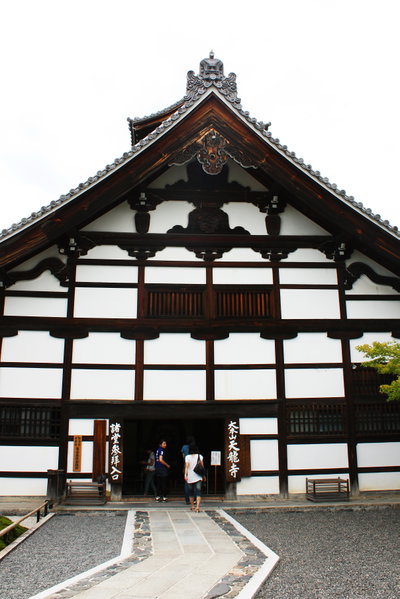
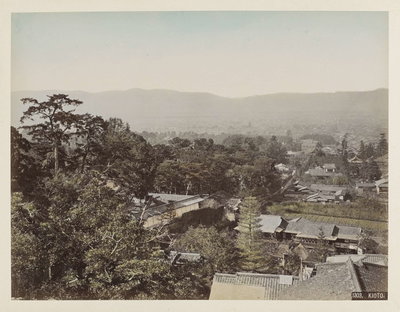
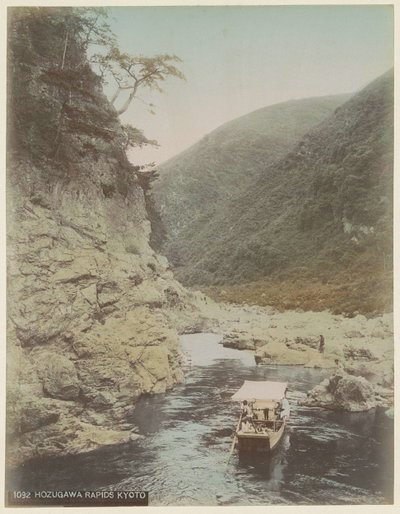
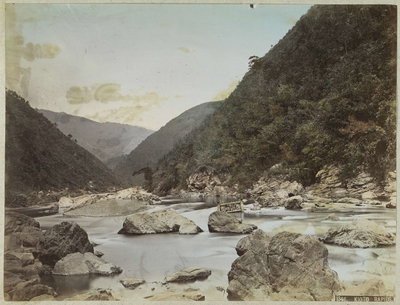
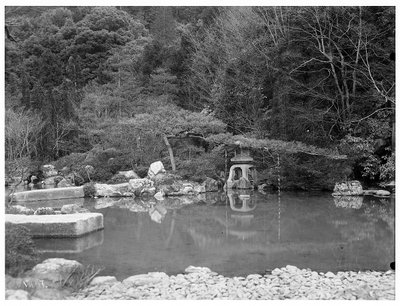
The 477 photographs of Kyoto on PlaceWas span 12 decades, from 1870 to 2025. 143 of them were taken before 1980; the other 334 are recent views of the same streets and landmarks.38 spots were photographed more than once, so you can compare the same street, square or building across the years.474 of the photos carry a written caption explaining what is in the frame. Every picture is pinned to the place it was taken, so the map below shows where the photographers stood.
Places in Kyoto through time
Spots photographed more than once — compare the same place across the years.
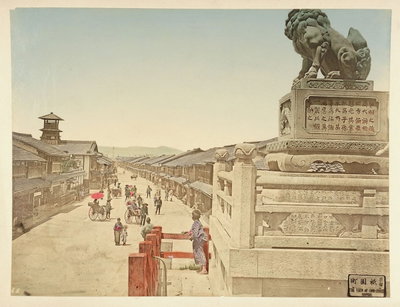
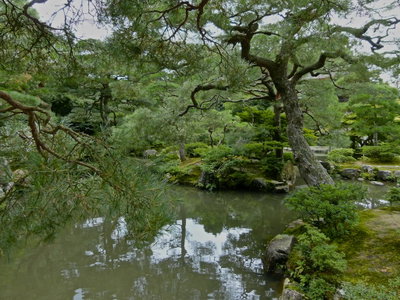
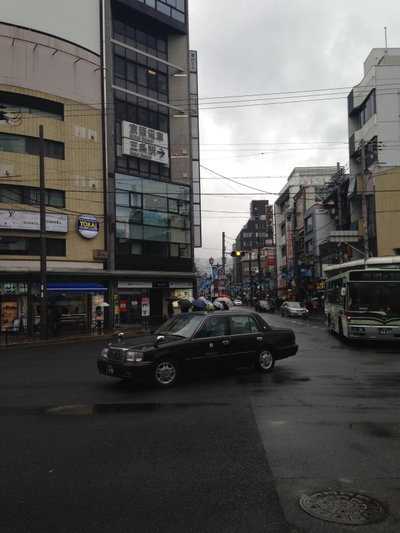
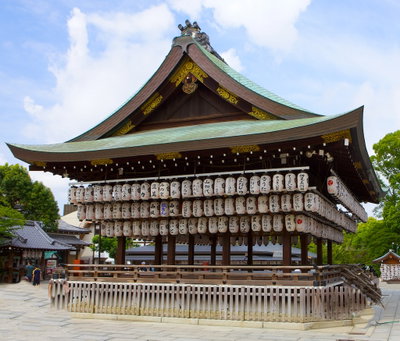
![EU: Higashi-Hongan-Tempel in Kyoto (1913) [df_lb_0000458], Kyoto — photos through time](https://cdn.placewas.com/placewas/f8571856cb0147429d458b2796c4e83a.jpg?width=400)
Stories from Kyoto
What contributors wrote about these photographs.
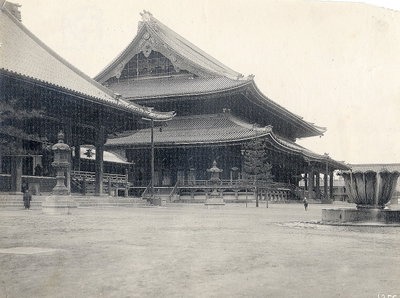
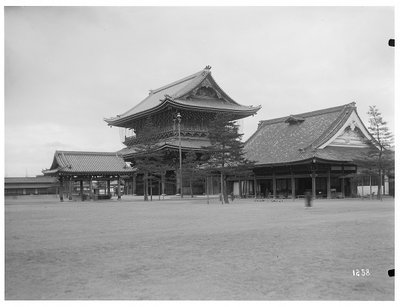
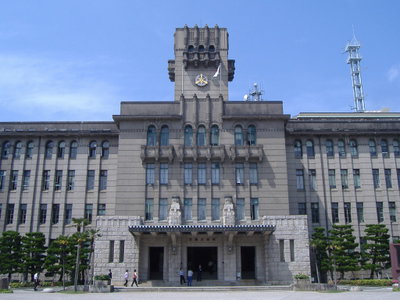
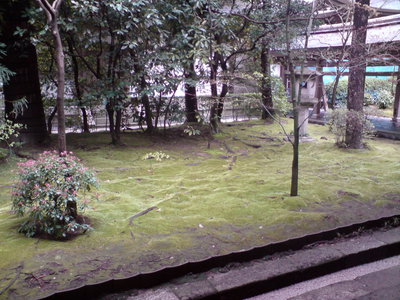
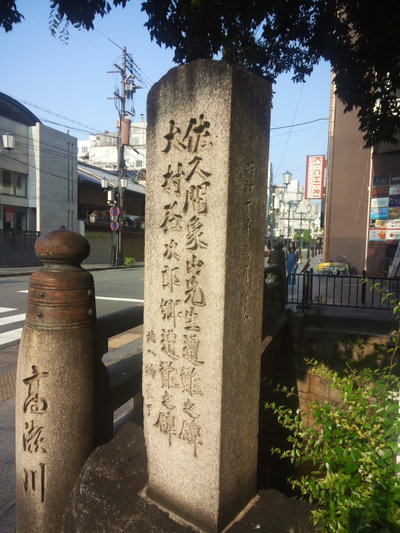
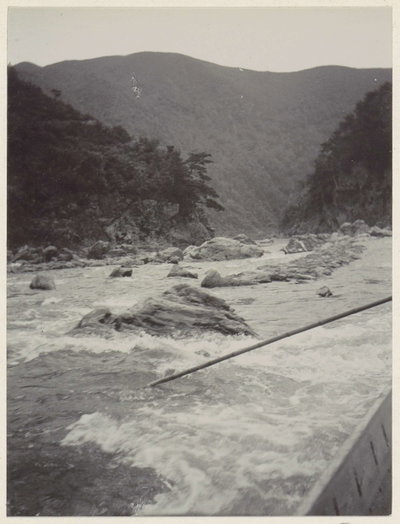
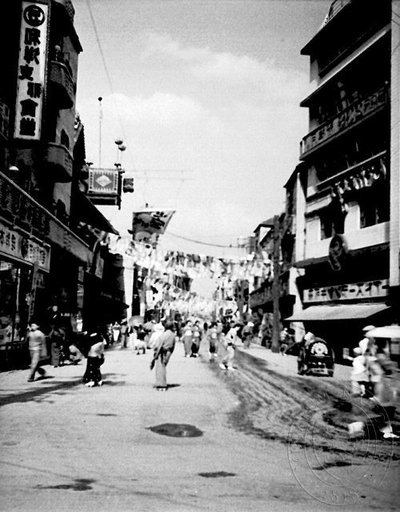
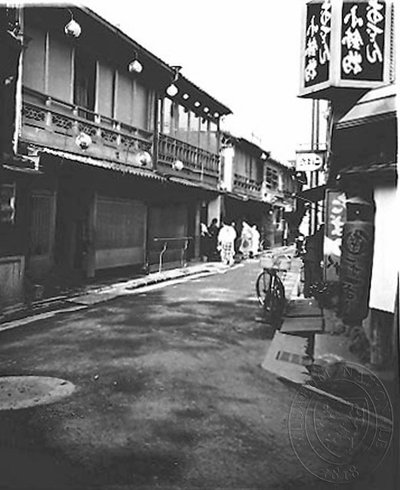
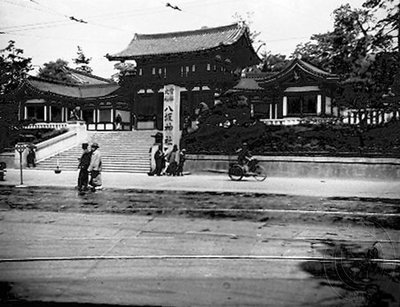
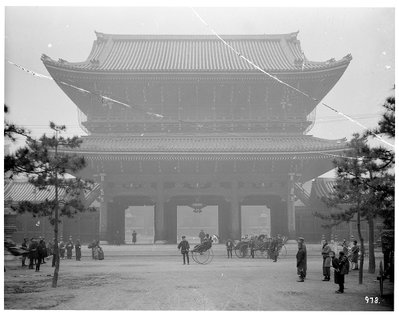
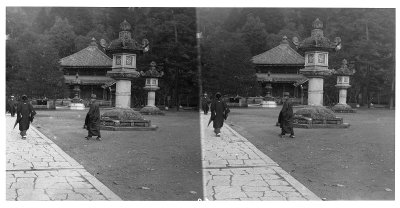
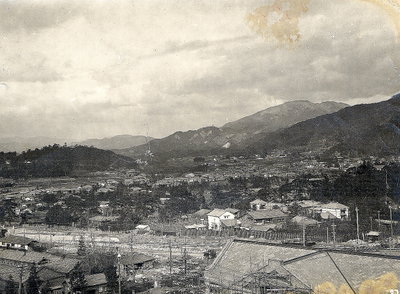
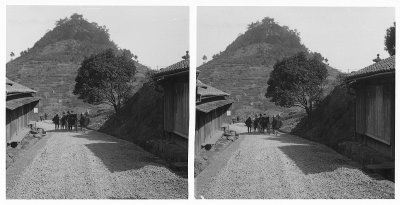
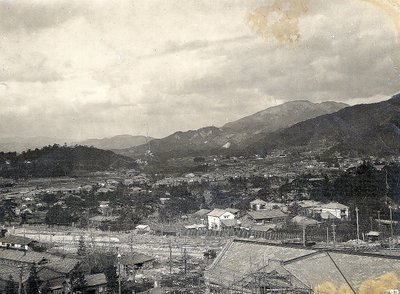
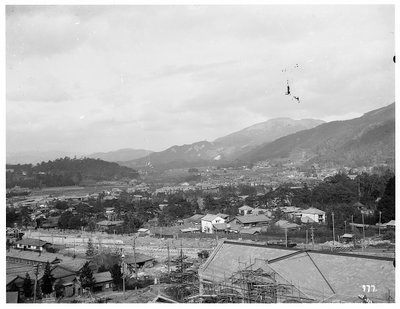
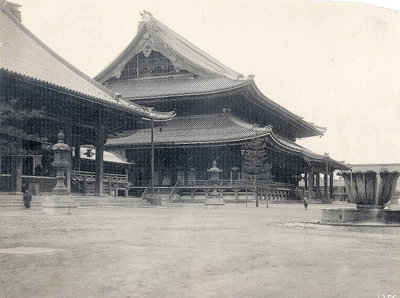
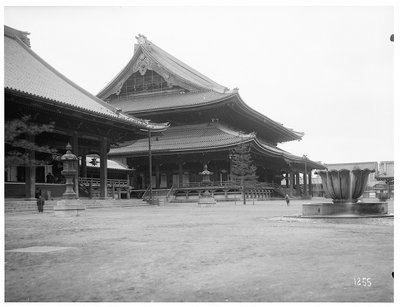
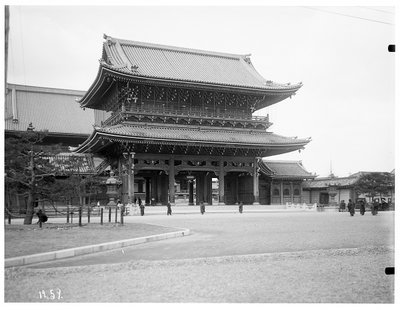
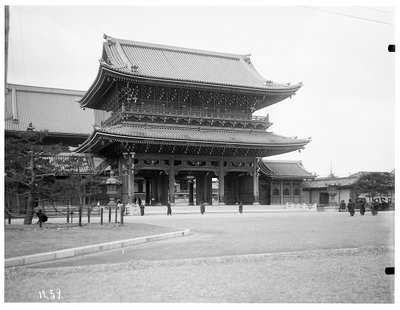
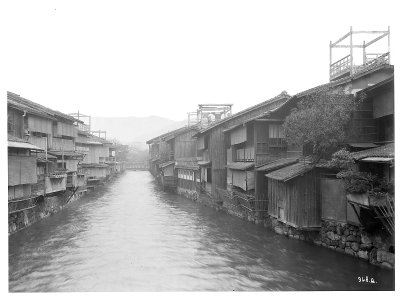
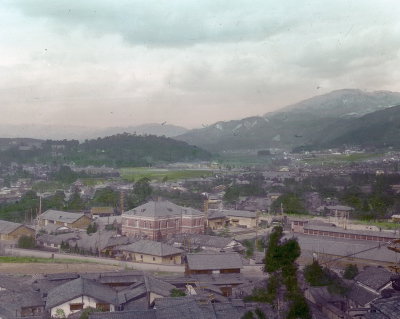
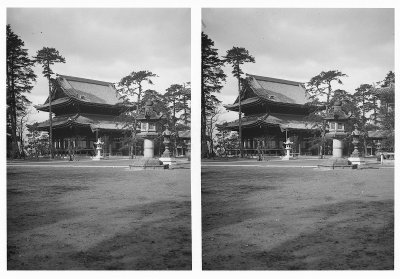
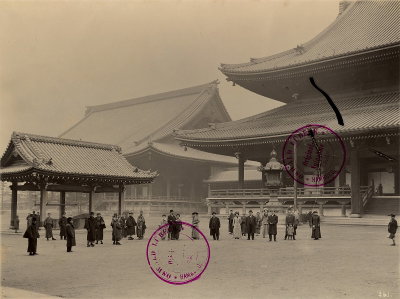
![EU: Higashi-Hongan-Tempel in Kyoto (1913) [df_lb_0000457], Kyoto, 1913](https://cdn.placewas.com/placewas/e9f3654296b445b18bae01f5be22a167.jpg?width=400)
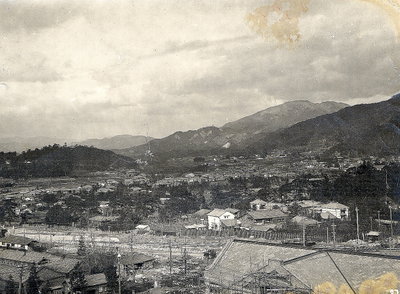
![EU: Higashi-Hongan-Tempel in Kyoto (1913 [1]), Kyoto, 1913](https://cdn.placewas.com/placewas/a89acd7f07fa4208b2d71844d63b7d44.jpg?width=400)
![EU: Higashi-Hongan-Tempel in Kyoto (1913 [3]), Kyoto, 1913](https://cdn.placewas.com/placewas/0d91d14ed27e401b896f4f43c99848bb.jpg?width=400)
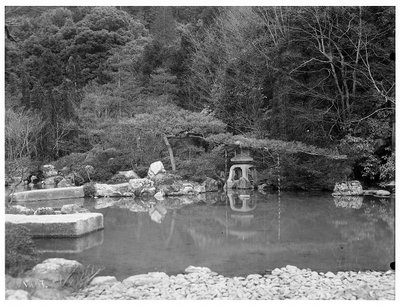
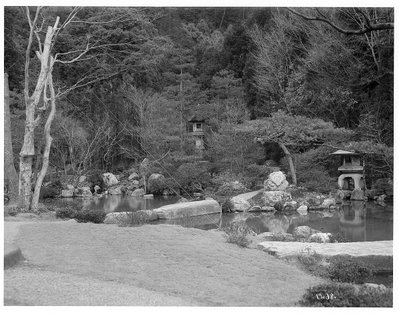
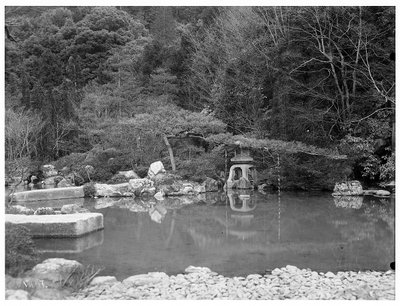
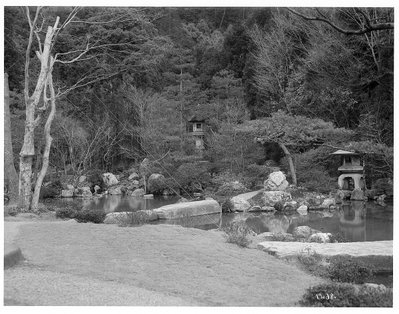
![EU: Kyoto. Garden with pond and stone lantern (1913 [1]), Kyoto, 1913](https://cdn.placewas.com/placewas/75fd095a6c4f4f56b2201ae4cdb07a91.jpg?width=400)
![EU: Kyoto. Garden with pond and stone lantern (1913 [2]), Kyoto, 1913](https://cdn.placewas.com/placewas/0b3d3aaa674247dabd4b1e7f137d2d4e.jpg?width=400)
![EU: Higashi-Hongan-Tempel in Kyoto (1913) [2], Kyoto, 1913](https://cdn.placewas.com/placewas/06d49137351845459aad8b60aa9b9e5d.jpg?width=400)
![EU: Higashi-Hongan-Tempel in Kyoto (1913) [3], Kyoto, 1913](https://cdn.placewas.com/placewas/ef099696293047ba8106c3e86a45468a.jpg?width=400)
![EU: Kyoto. Garden with pond and stone lantern (1913) [2], Kyoto, 1913](https://cdn.placewas.com/placewas/51c7e680fe80482fa7261d631b30f92c.jpg?width=400)