Home › Kyoto › Kyoto Sanjyo Kobashi

Kyoto Sanjyo Kobashi through time

Kyoto 2009–2015 5 photos of this spot

5 recent photographs taken at the same spot in Kyoto, spanning 2009–2015. Have an older picture of it? Add it and start this spot's timeline.

Sanjo Ohashi, a bridge over the Kamo River in Kyoto, Japan, photographed in 2009. The bridge marked the historic endpoint of the Tokaido, the road connecting Kyoto to Edo, and a version of it has stood at this crossing since the 16th century.

See this spot on the map
Have an old photo of Kyoto Sanjyo Kobashi? A family album, a postcard, a print from the attic. Pin it to the map and it becomes part of the record.
Add your photo
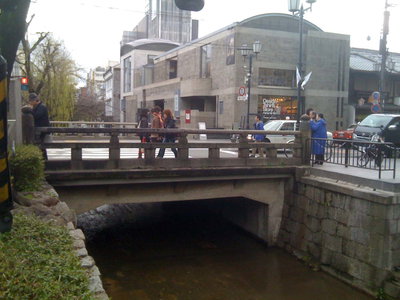
Kyoto Sanjyo Kobashi, Kyoto, 2009
Kyoto Sanjyo Kobashi 2009 Sanjo Ohashi, a bridge over the Kamo River in Kyoto, Japan, photographed in 2009. The bridge marked the historic endpoint of the Tokaido, the road connecting Kyoto to Edo, and a version of it has stood at this crossing since the 16th century.
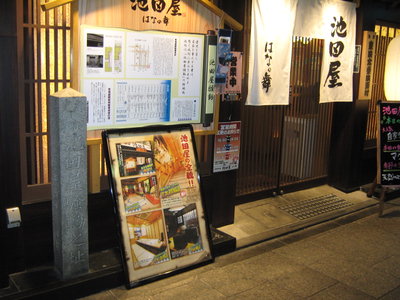
佐久間象山・大村益次郎遭難之碑 in 2010, Kyoto, 2010
佐久間象山・大村益次郎遭難之碑 in 2010 2010 The site of the Ikedaya, photographed in Kyoto in 2010. The inn was the scene of a violent 1864 clash between the shogunate's Shinsengumi and anti-shogunate activists, an episode remembered as the Ikedaya Incident.
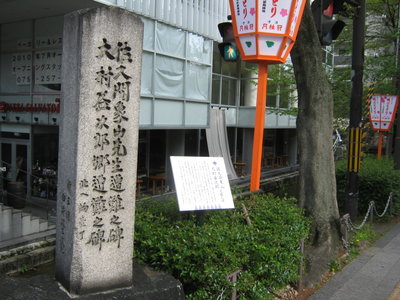
大村益次郎2873, Kyoto, 2010
大村益次郎2873 2010 A stone marker in Kyoto's Nakagyo Ward, near Sanjo Bridge, commemorating the sites where the Bakumatsu-era reformers Sakuma Shozan and Omura Masujiro were each attacked. Photographed in 2010.
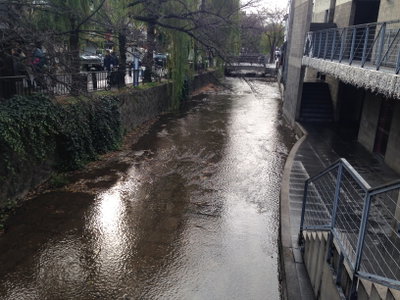
Takasegawa River from Sanjo Street, Kyoto, 2013
Takasegawa River from Sanjo Street 2013 The Takase River, a canal built in the early Edo period to move goods through Kyoto, is seen here from Sanjo Street.
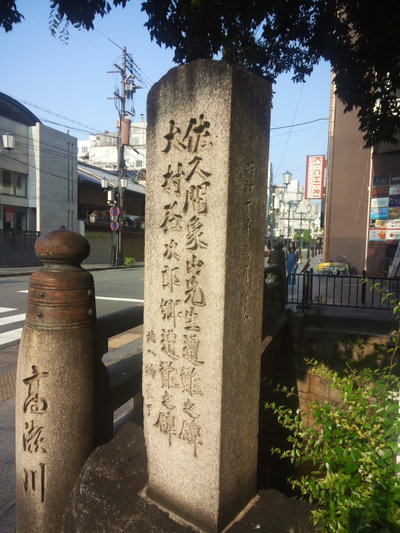
佐久間象山・大村益次郎遭難之碑, Kyoto, 2015
佐久間象山・大村益次郎遭難之碑 2015 This marker in Kyoto commemorates two attacks on reform-minded officials during Japan's turbulent Bakumatsu era: Sakuma Shozan, an advocate of Western learning killed in 1864, and Omura Masujiro, an architect of the modern Japanese army attacked here in 1869. Both men were targeted by opponents of the period's rapid modernization.