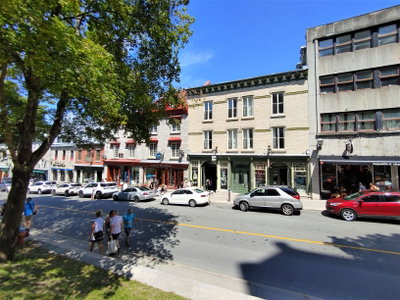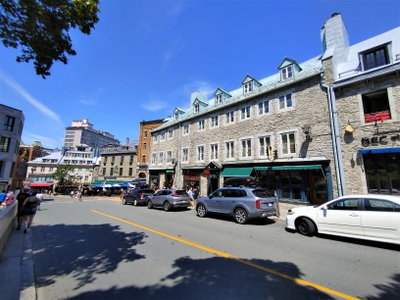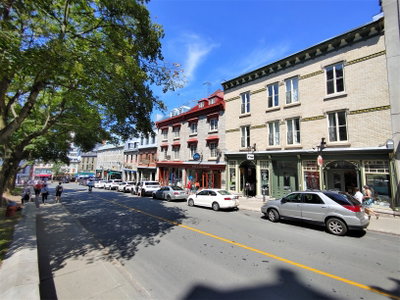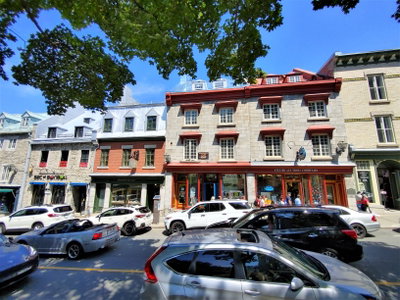
Home › Quebec City › Édifice Price

Édifice Price through time

Quebec City 1855–2024 99 photos of this spot

99 photographs taken at the same spot in Quebec City, spanning 1855–2024 — 29 of them from before 1980. Line them up and watch the place change.

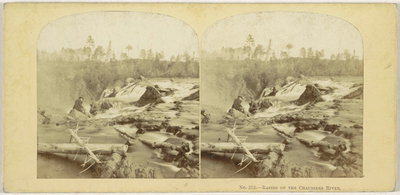
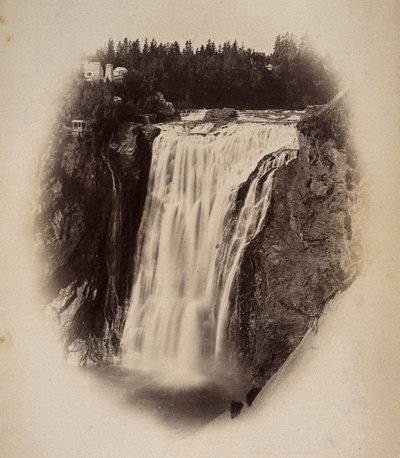
The Chaudière River rushes over rapids near Quebec City in this 1855 photograph, part of a stretch of water long noted by travelers for its dramatic falls where the river meets the St. Lawrence.

See this spot on the map
Have an old photo of Édifice Price? A family album, a postcard, a print from the attic. Pin it to the map and it becomes part of the record.
Add your photo
EU: Rapids on the Chaudiere River, Near Quebec, Canada, Quebec City, 1855
EU: Rapids on the Chaudiere River, Near Quebec, Canada 1855 The Chaudière River rushes over rapids near Quebec City in this 1855 photograph, part of a stretch of water long noted by travelers for its dramatic falls where the river meets the St. Lawrence.
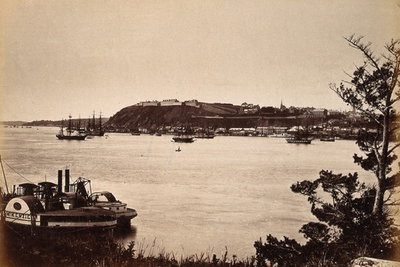
EU: Quebec, Canada: boats on the St. Lawrence River: view from Point Levi. Photograph, ca. (1880), Quebec City, 1880
EU: Quebec, Canada: boats on the St. Lawrence River: view from Point Levi. Photograph, ca. (1880) 1880 Boats ply the St. Lawrence River in this view toward Quebec City, taken from Point Levis around 1880, a vantage point long favored for capturing the fortified city across the water.
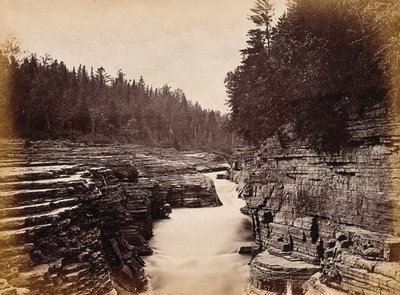
EU: The Montmorency Falls, Quebec, Canada. Photograph, ca. (1880), Quebec City, 1880
EU: The Montmorency Falls, Quebec, Canada. Photograph, ca. (1880) 1880 Montmorency Falls, the waterfall east of Quebec City that stands taller than Niagara Falls, is pictured around 1880, when it was already a well-known destination for visitors to the region.
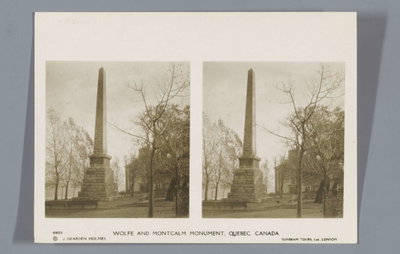
EU: The Montmorency River, Quebec, Canada. Photograph, ca, Quebec City, 1880
EU: The Montmorency River, Quebec, Canada. Photograph, ca 1880 The Montmorency River near Quebec City is shown in this photograph from 1880, upstream of the falls where it empties into the St. Lawrence, an area already established as a scenic attraction.
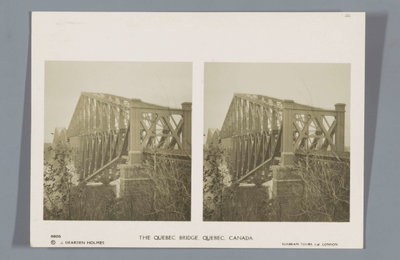
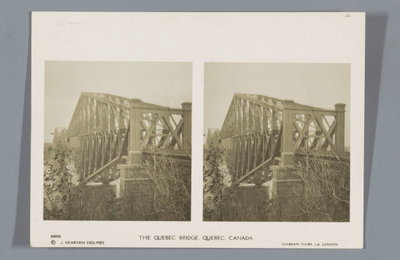
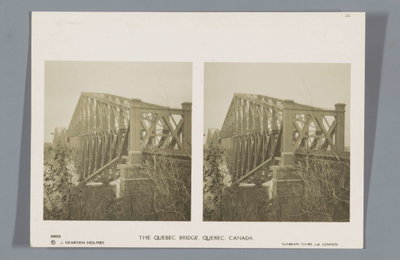
EU: The Quebec Bridge, Quebec, Canada (1920), Quebec City, 1920
EU: The Quebec Bridge, Quebec, Canada (1920) 1920 The Quebec Bridge spans the St. Lawrence River in this 1920 photograph. Completed in 1917 after two earlier collapses during construction that killed dozens of workers, it held the record as the world's longest cantilever bridge span.
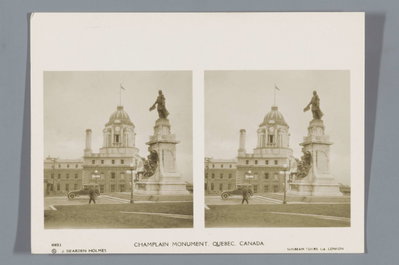
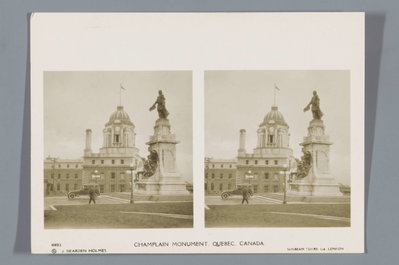
EU: Champlain Monument, Quebec, Canada (1920), Quebec City, 1920
EU: Champlain Monument, Quebec, Canada (1920) 1920 The monument to Samuel de Champlain, founder of Quebec City, stands in this 1920 photograph. Champlain established the settlement in 1608, and the monument commemorates his role as one of the central figures in the founding of French Canada.
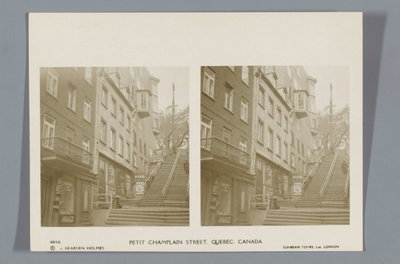
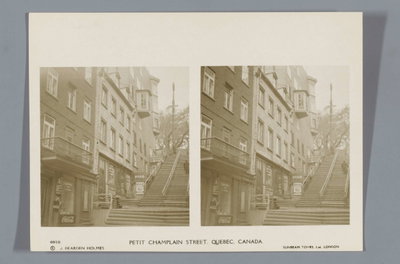
EU: Petit Champlain Street, Quebec, Canada (1920), Quebec City, 1920
EU: Petit Champlain Street, Quebec, Canada (1920) 1920 Petit Champlain Street, in the historic Lower Town of Quebec City, is shown in this 1920 photograph. Considered one of the oldest commercial streets in North America, it sat at the base of Cape Diamond near the original French settlement.
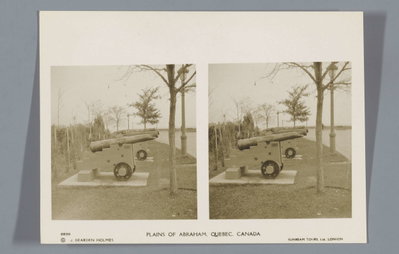
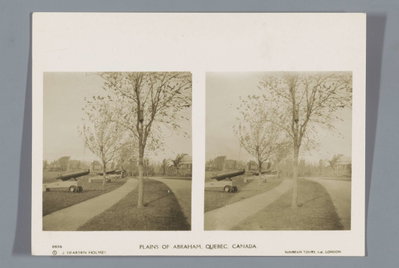
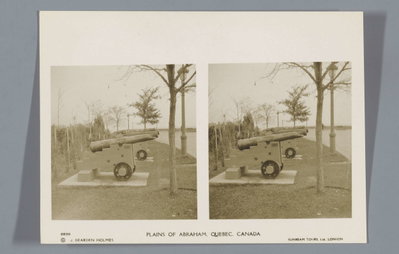
EU: Plains of Abraham, Quebec, Canada (1920), Quebec City, 1920
EU: Plains of Abraham, Quebec, Canada (1920) 1920 The Plains of Abraham are pictured in this 1920 photograph of Quebec City. The site was the location of the pivotal 1759 battle between British and French forces during the Seven Years' War, a turning point in the struggle for control of Canada.
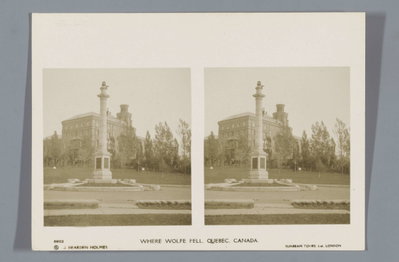
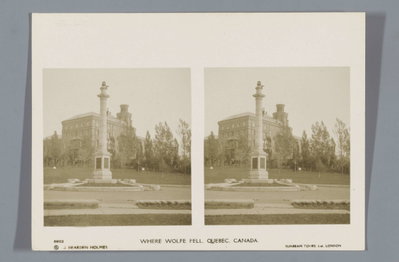
EU: Where Wolfe fell, Quebec, Canada (1920), Quebec City, 1920
EU: Where Wolfe fell, Quebec, Canada (1920) 1920 A marker on the Plains of Abraham commemorates the spot where British General James Wolfe fell during the 1759 battle for Quebec, photographed here in 1920. Wolfe died from wounds received during the fighting that decided the fate of French Canada.
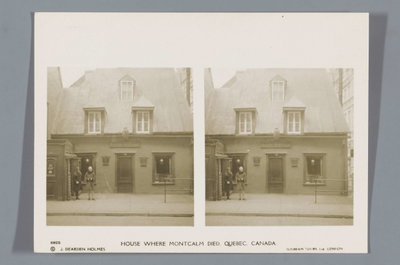
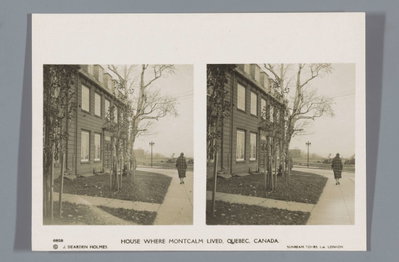
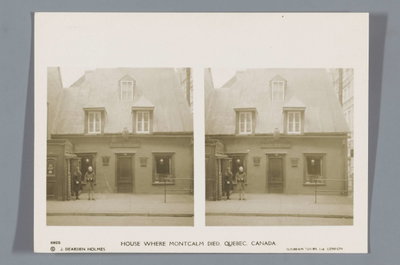
EU: House where Montcalm died, Quebec, Canada (1920), Quebec City, 1920
EU: House where Montcalm died, Quebec, Canada (1920) 1920 This 1920 photograph shows the house in Quebec City where French general Louis-Joseph de Montcalm died of wounds received during the 1759 Battle of the Plains of Abraham. Montcalm commanded French forces in the battle that led to the fall of New France.
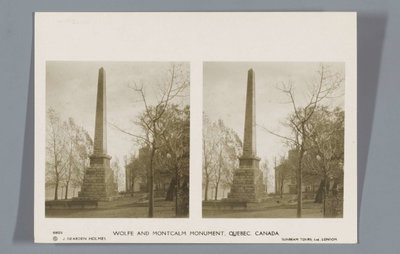
EU: Wolfe and Montcalm Monument, Quebec, Canada (1920), Quebec City, 1920
EU: Wolfe and Montcalm Monument, Quebec, Canada (1920) 1920 The monument jointly honoring generals Wolfe and Montcalm, opposing commanders in the 1759 battle for Quebec, is pictured in this 1920 photograph. The shared memorial, unusual for honoring both sides of a conflict, stands in the city's Governor's Garden.
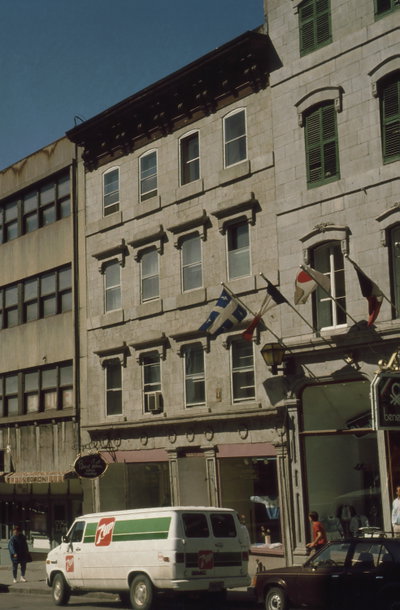
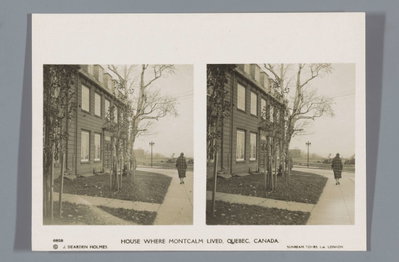
EU: House where Montcalm lived, Quebec, Canada (1920), Quebec City, 1920
EU: House where Montcalm lived, Quebec, Canada (1920) 1920 The house where General Montcalm once lived in Quebec City is shown in this 1920 photograph. Montcalm commanded French forces defending the city until his death from wounds suffered in the 1759 Battle of the Plains of Abraham.
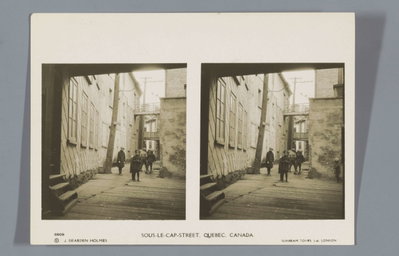
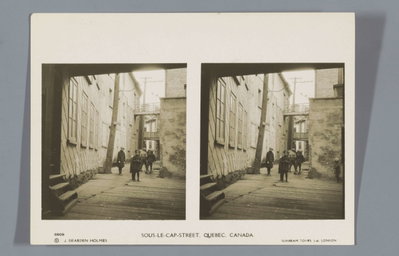
EU: Sous-le-Cap-Street, Quebec, Canada (1920), Quebec City, 1920
EU: Sous-le-Cap-Street, Quebec, Canada (1920) 1920 Sous-le-Cap Street, in Quebec City's old Lower Town, appears in this 1920 photograph. Wedged between the cliff of Cap Diamond and the St. Lawrence River, it is often described as one of the narrowest streets in North America.
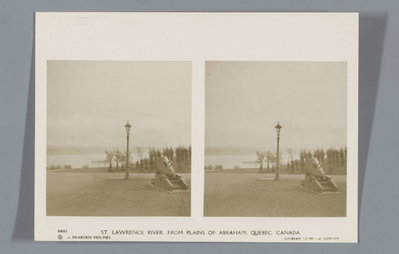
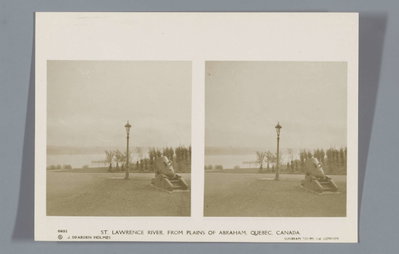
EU: St. Lawrence River, Plains of Abraham, Quebec, Canada (1920), Quebec City, 1920
EU: St. Lawrence River, Plains of Abraham, Quebec, Canada (1920) 1920 The St. Lawrence River is visible beyond the Plains of Abraham in this 1920 photograph of Quebec City. The river's strategic position below the heights made the city a key stronghold guarding access to the interior of the continent.
EU: Plains of Abraham, Quebec, Canada 2 (1920), Quebec City, 1920
EU: Plains of Abraham, Quebec, Canada 2 (1920) 1920 The Plains of Abraham, an urban park on the heights of Quebec City above the St. Lawrence River, photographed in 1920. The site is remembered as the ground of the 1759 battle between British and French forces for control of the city.
EU: The Quebec Bridge, Quebec, Canada (1930), Quebec City, 1930
EU: The Quebec Bridge, Quebec, Canada (1930) 1930 The Quebec Bridge spanning the St. Lawrence River, photographed in 1930. Completed in 1917 after two earlier collapses during construction, it remains one of the longest cantilever bridges in the world.
EU: Petit Champlain Street, Quebec, Canada (1930), Quebec City, 1930
EU: Petit Champlain Street, Quebec, Canada (1930) 1930 Petit Champlain Street in Quebec City, Canada, seen in 1930. Running beneath the cliffs of Cap Diamant, it is among the oldest commercial streets in North America.
EU: Plains of Abraham, Quebec, Canada (1930), Quebec City, 1930
EU: Plains of Abraham, Quebec, Canada (1930) 1930 The Plains of Abraham in Quebec City, site of the decisive 1759 battle between British and French forces during the Seven Years' War, photographed in 1930.
EU: Champlain Monument, Quebec, Canada (1930), Quebec City, 1930
EU: Champlain Monument, Quebec, Canada (1930) 1930 The monument to Samuel de Champlain in Quebec City, honoring the French explorer who founded the city in 1608 and is regarded as the father of New France, pictured in 1930.
EU: Wolfe and Montcalm Monument, Quebec, Canada (1930), Quebec City, 1930
EU: Wolfe and Montcalm Monument, Quebec, Canada (1930) 1930 A 1930 view of the monument to Generals Wolfe and Montcalm in Quebec City, which commemorates the opposing commanders killed in the 1759 Battle of the Plains of Abraham.
EU: The Quebec Bridge, Quebec, Canada (K) (1930), Quebec City, 1930
EU: The Quebec Bridge, Quebec, Canada (K) (1930) 1930 Another 1930 photograph of the Quebec Bridge over the St. Lawrence River, the cantilever span completed in 1917 after a troubled construction history.
EU: House where Montcalm died, Quebec, Canada (1930), Quebec City, 1930
EU: House where Montcalm died, Quebec, Canada (1930) 1930 The house in Quebec City where General Louis-Joseph de Montcalm died of wounds sustained at the Battle of the Plains of Abraham, photographed in 1930.
EU: House where Montcalm lived, Quebec, Canada (1930), Quebec City, 1930
EU: House where Montcalm lived, Quebec, Canada (1930) 1930 A 1930 photograph of the house in Quebec City associated with General Louis-Joseph de Montcalm, the French commander who defended the city until his death in 1759.
EU: Where Wolfe fell, Quebec, Canada (1930), Quebec City, 1930
EU: Where Wolfe fell, Quebec, Canada (1930) 1930 A marker in Quebec City identifying the spot where General James Wolfe fell during the 1759 Battle of the Plains of Abraham, in which British forces defeated the French for control of Quebec, photographed in 1930.
EU: Sous-le-Cap-Street, Quebec, Canada (1930), Quebec City, 1930
EU: Sous-le-Cap-Street, Quebec, Canada (1930) 1930 Sous-le-Cap Street in Quebec City, one of the narrowest streets in North America, running along the base of the cliff below the upper town, pictured in 1930.
EU: St. Lawrence River, Plains of Abraham, Quebec, Canada (1930), Quebec City, 1930
EU: St. Lawrence River, Plains of Abraham, Quebec, Canada (1930) 1930 The St. Lawrence River as seen from the Plains of Abraham in Quebec City, photographed in 1930. The river has served as the main shipping route into the heart of the continent since the earliest days of European settlement.
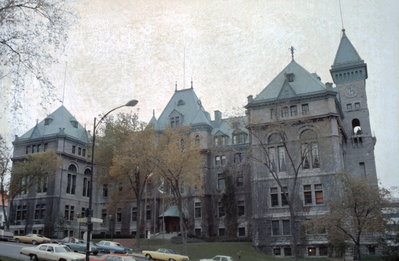
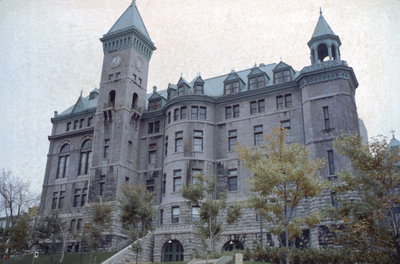
Hôtel de ville, Québec façade, rue des Jardins, Quebec City, 1970
Hôtel de ville, Québec façade, rue des Jardins 1970 Quebec City Hall, viewed from rue des Jardins, photographed in 1970. The building has served as the seat of municipal government in the old walled city since the early 20th century.
Hôtel de ville, Québec façade, rue des Jardins, Quebec City, 1970
Hôtel de ville, Québec façade, rue des Jardins 1970 Another view of Quebec City Hall's façade along rue des Jardins, taken in 1970. The building sits within Quebec's historic Upper Town, part of the UNESCO-listed old city.
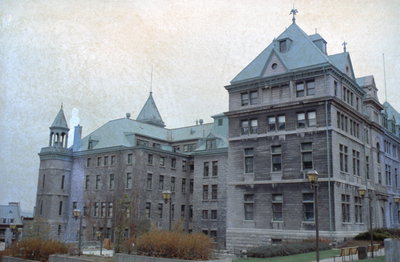
Hôtel de ville, Québec façade arrière, vers la rue Chauveau, Quebec City, 1976
Hôtel de ville, Québec façade arrière, vers la rue Chauveau 1976 The rear façade of Quebec City Hall, facing rue Chauveau, photographed in 1976. This side of the building faces the historic streets near the Basilica-Cathedral of Notre-Dame de Québec.
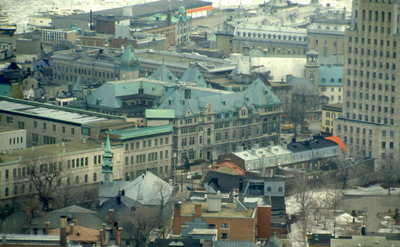
Ville de Québec vue en direction nord-est du haut de l'édifice G Édifice Marie-Guyart, Quebec City, 1981
Ville de Québec vue en direction nord-est du haut de l'édifice G Édifice Marie-Guyart 1981 Quebec City seen toward the northeast from atop the Édifice Marie-Guyart, photographed in 1981. At over 30 storeys, the provincial government tower is the tallest building in the capital and offers panoramic views over the old city.
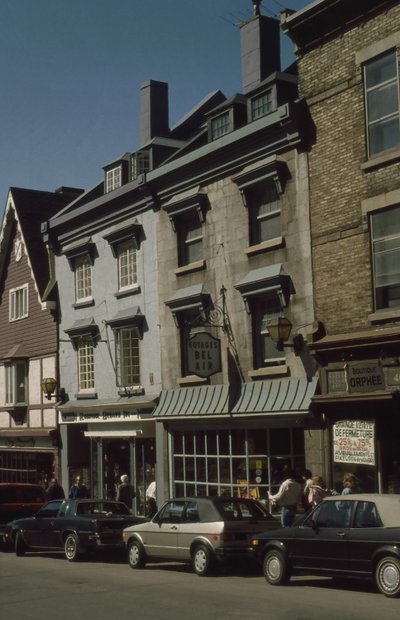
Maison, 28, côte de la Fabrique, Québec façade, à droite l'ancien cinéma empire, no 24, à gauche le no, Quebec City, 1987
Maison, 28, côte de la Fabrique, Québec façade, à droite l'ancien cinéma empire, no 24, à gauche le no 1987 This 1987 photograph shows a house at 28, cote de la Fabrique in Quebec City's historic district, with the former Cinema Empire visible to its right at number 24. Cote de la Fabrique is one of the steep streets linking the upper and lower parts of the old city.
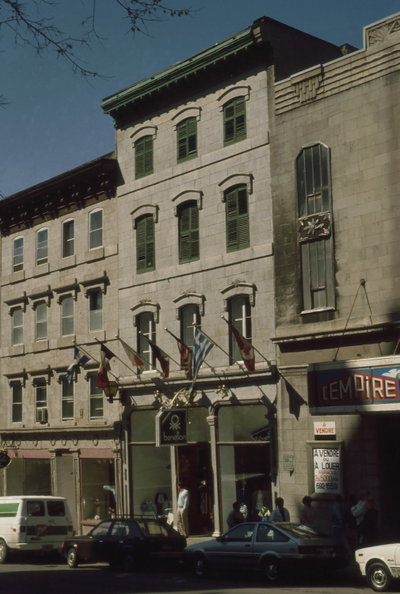
Maisons, 28-30, côte de la Fabrique, Québec façades vues de la droite, à droite, l'ancien cinéma Empire no, Quebec City, 1987
Maisons, 28-30, côte de la Fabrique, Québec façades vues de la droite, à droite, l'ancien cinéma Empire no 1987 Row houses at 28-30, cote de la Fabrique in Quebec City are pictured from an angled view in 1987, with the former Cinema Empire at number 24 seen at right. The street runs through the historic upper town near the Basilica of Notre-Dame de Quebec.
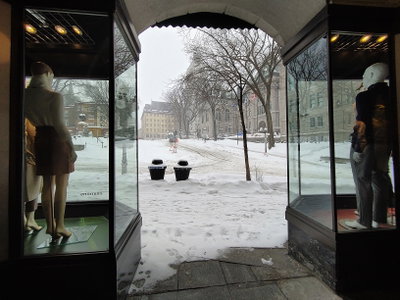
Maisons, 40-46, côte de la Fabrique, Québec façades, Quebec City, 1987
Maisons, 40-46, côte de la Fabrique, Québec façades 1987 Houses numbered 40 to 46 along cote de la Fabrique in Quebec City appear in this 1987 photograph. The steep street links the upper and lower parts of the old town, a district inscribed as a UNESCO World Heritage Site in 1985.
Hotel De Ville, Quebec City, 2008
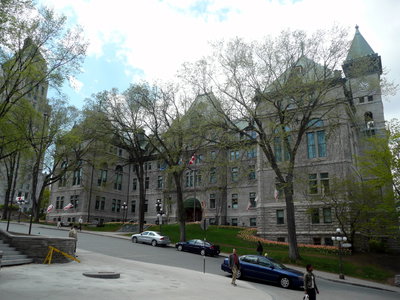
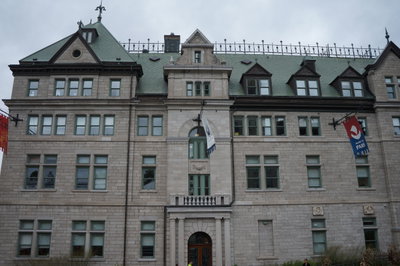
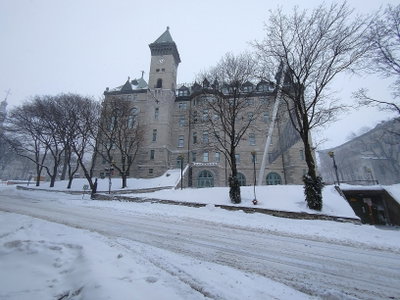
Hotel De Ville 2008 Quebec City's Hôtel de Ville, seen here in 2008, has served as the seat of municipal government since it opened in 1896 on the site of a former Jesuit college in the Upper Town.
Rue Ste-Anne, Ville de Québec, Quebec City, 2009
Rue Ste-Anne, Ville de Québec 2009 Rue Sainte-Anne in the old town of Quebec City, Canada, photographed in 2009. The street runs through the historic district near the Château Frontenac, part of the fortified old town that became a UNESCO World Heritage site in 1985.
Hôtel de ville de Québec, Quebec City, 2012
Hôtel de ville de Québec 2012 Quebec City Hall (Hôtel de ville de Québec), photographed in 2012. Completed in 1896 on the site of a former Jesuit college, the building has served as the seat of municipal government in Quebec's historic Upper Town ever since.
Maison Larchevêque-Lelièvre, Quebec City, 2012
Maison Larchevêque-Lelièvre 2012 The Maison Larchevêque-Lelièvre in Quebec City, seen in 2012, one of the stone houses that make up the old city's historic core, designated a UNESCO World Heritage Site in 1985.
Cote de la Fabrique 08, Quebec City, 2013
Cote de la Fabrique 08 2013 A view along Cote de la Fabrique, one of the oldest streets in Quebec City's historic Upper Town, near the Basilica-Cathedral of Notre-Dame-de-Quebec.
48, cote de la Fabrique - 01, Quebec City, 2013
48, cote de la Fabrique - 01 2013 A building at 48 Cote de la Fabrique in Quebec City's historic Upper Town, along one of the oldest streets in the old walled city, close to the Basilica-Cathedral of Notre-Dame-de-Quebec.
48, cote de la Fabrique - 03, Quebec City, 2013
48, cote de la Fabrique - 03 2013 Another view of the building at 48 Cote de la Fabrique in Quebec City, part of the historic streetscape near the Basilica-Cathedral of Notre-Dame-de-Quebec.
48, cote de la Fabrique - 02, Quebec City, 2013
48, cote de la Fabrique - 02 2013 The facade of the building at 48 Cote de la Fabrique in Quebec City's Upper Town, photographed along this historic street in the old walled city, part of the district recognized as a UNESCO World Heritage Site.
Rainy Old Québec, Quebec City, 2014
Rainy Old Québec 2014 'Old Quebec,' the historic walled core of Quebec City, is the only fortified city north of Mexico with its walls still intact and is a UNESCO World Heritage Site; this photograph was taken in the rain in 2014.
42-44, cote de la Fabrique, Quebec City, 2014
42-44, cote de la Fabrique 2014 Taken in 2014, this photograph shows the buildings at 42-44 Côte de la Fabrique, a street in Old Quebec's historic district, which retains much of its 17th- and 18th-century street layout.
42, cote de la Fabrique, Quebec City, 2014
42, cote de la Fabrique 2014 Number 42, Cote de la Fabrique, a street in Quebec City's historic Vieux-Quebec district near the city hall square. The district's fortified Upper Town has been a UNESCO World Heritage Site since 1985.
26-28, cote de la Fabrique, Quebec City, 2014
26-28, cote de la Fabrique 2014 A facade at 26-28 Cote de la Fabrique, one of the narrow streets of Quebec City's fortified Upper Town. The street connects several of the district's historic squares and landmarks.
34-36, cote de la Fabrique, Quebec City, 2014
34-36, cote de la Fabrique 2014 This frame documents 34-36 Cote de la Fabrique, in the historic core of Vieux-Quebec, Quebec City. The building stands among the street's mix of older stone and masonry facades.
38-40, cote de la Fabrique, Quebec City, 2014
38-40, cote de la Fabrique 2014 Number 38-40, Cote de la Fabrique, a street in Quebec City's historic Vieux-Quebec district near the city hall square. The district's fortified Upper Town has been a UNESCO World Heritage Site since 1985.
46, cote de la Fabrique, Quebec City, 2014
46, cote de la Fabrique 2014 The building at 46 Cote de la Fabrique in Old Quebec, photographed as part of a survey of the street's heritage facades. Cote de la Fabrique runs through the walled historic quarter of Quebec City.
Don de Dieu feray valoir, Quebec City, 2014
Don de Dieu feray valoir 2014 This 2014 photograph from Quebec City references "Don de Dieu, feray valoir," the city's traditional motto, taken from the ship that carried Samuel de Champlain's colonists to the site in 1608 and still displayed on its coat of arms.
48, cote de la Fabrique, Quebec City, 2014
48, cote de la Fabrique 2014 This frame documents 48 Cote de la Fabrique, in the historic core of Vieux-Quebec, Quebec City. The building stands among the street's mix of older stone and masonry facades.
30-32, cote de la Fabrique, Quebec City, 2014
30-32, cote de la Fabrique 2014 Number 30-32, Cote de la Fabrique, a street in Quebec City's historic Vieux-Quebec district near the city hall square. The district's fortified Upper Town has been a UNESCO World Heritage Site since 1985.
26-28, cote de la Fabrique 01, Quebec City, 2014
26-28, cote de la Fabrique 01 2014 A facade at 26-28 Cote de la Fabrique, one of the narrow streets of Quebec City's fortified Upper Town. The street connects several of the district's historic squares and landmarks.
Île D Orléans, Quebec City, 2016
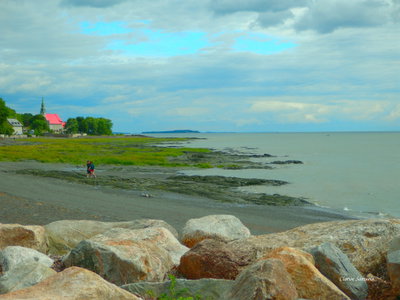
Île D Orléans 2016 The Île d'Orléans photographed in 2016, an agricultural island in the Saint Lawrence River just downstream from Quebec City. The island is known for its farms, orchards, and well-preserved rural architecture dating back centuries.
Yellow door and windows (Unsplash), Quebec City, 2016
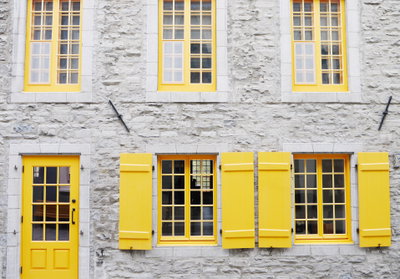
Yellow door and windows (Unsplash) 2016 A brightly painted yellow door and window frames stand out against a stone facade in this 2016 photograph from Quebec City, a detail typical of the colorful architecture found throughout Old Quebec.
White library tall windows (Unsplash), Quebec City, 2016
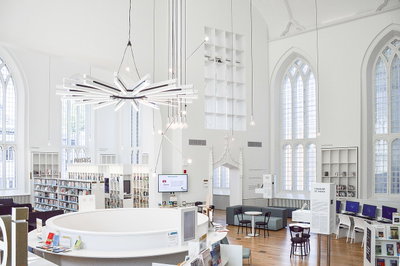
White library tall windows (Unsplash) 2016 Tall arched windows mark a white-painted library building in this 2016 photograph, one of many historic structures lining the narrow streets of Old Quebec's Upper Town, a UNESCO World Heritage district.
Canadian winter (Unsplash), Quebec City, 2016
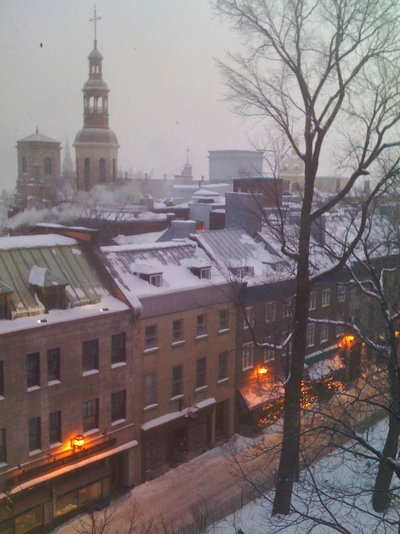
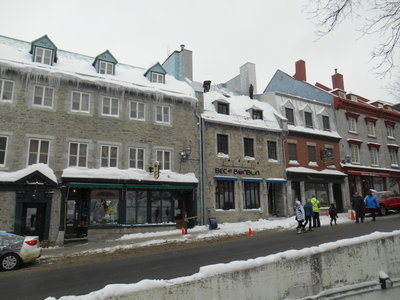
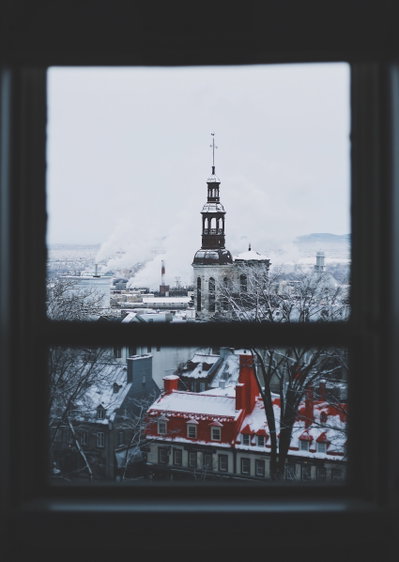
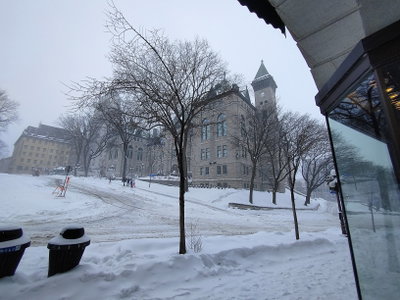
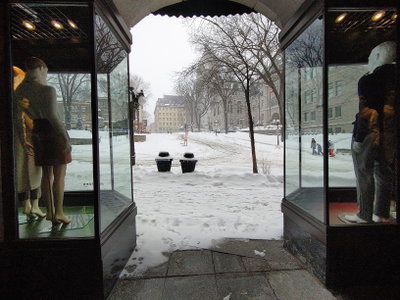
Canadian winter (Unsplash) 2016 Snow covers the streets of Quebec City in this 2016 photograph, capturing the kind of winter scene for which the walled city, a UNESCO World Heritage site, is well known. Old Quebec's stone buildings and steep lanes take on a distinct character under snowfall.
26-28, cote de la Fabrique - 01, Quebec City, 2016
26-28, cote de la Fabrique - 01 2016 The buildings at 26-28, Cote de la Fabrique appear in this 2016 image, along a street that climbs through Old Quebec's Upper Town toward the Seminaire de Quebec, within the walls of the old city.
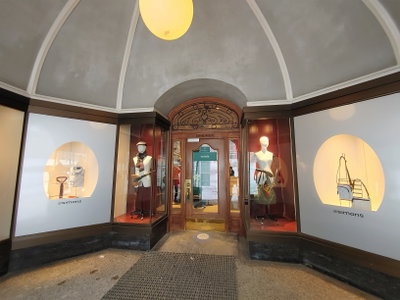
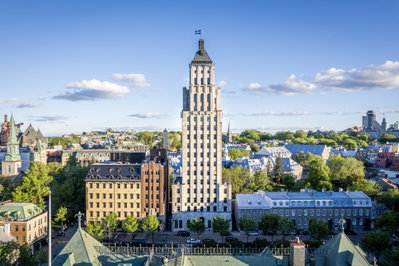
Édifice Price, Quebec City, 2017
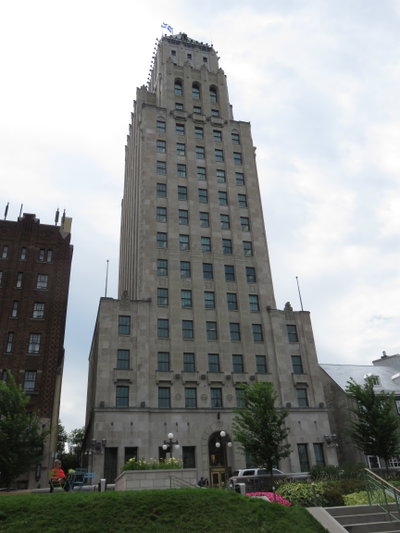
Édifice Price 2017 The Edifice Price, or Price Building, is an Art Deco skyscraper in Quebec City's old town, completed around 1930 as the headquarters of the Price Brothers pulp and paper company and long the tallest building in the city. Photographed in 2017.
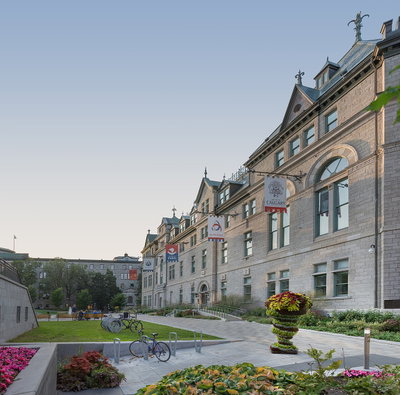
Quebec City Hôtel de ville de Quebec, Quebec City, 2017
Quebec City Hôtel de ville de Quebec 2017 Another 2017 view of Quebec City's Hotel de Ville, the Second Empire-style building that has housed the municipal government since the late nineteenth century.
Québec city downtown 2, Quebec City, 2017
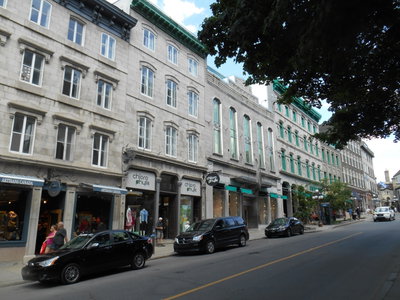
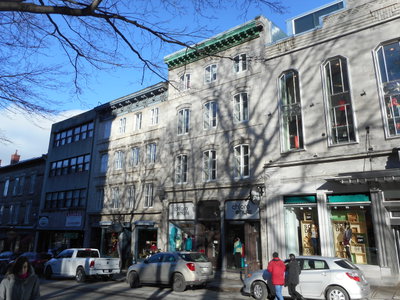
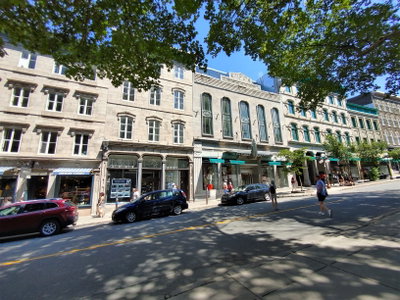
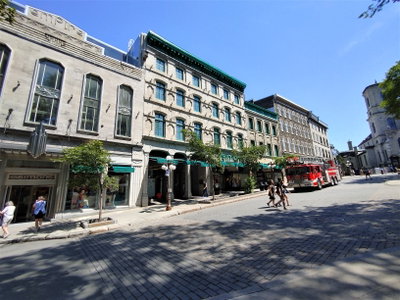
Québec city downtown 2 2017 A street scene in downtown Quebec City, Canada, photographed in 2017 within the historic Old Town area.
Quebec City Hôtel de ville de Quebec, Quebec City, 2017
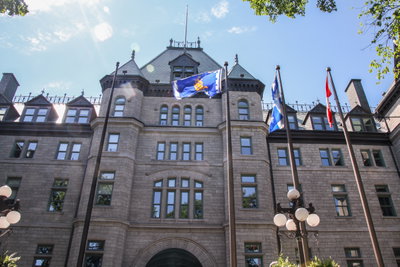
Quebec City Hôtel de ville de Quebec 2017 A further 2017 view of Quebec City's Hotel de Ville, the seat of municipal government in the historic Old Quebec district. The building occupies the former site of a Jesuit college that stood on the square for more than two centuries.
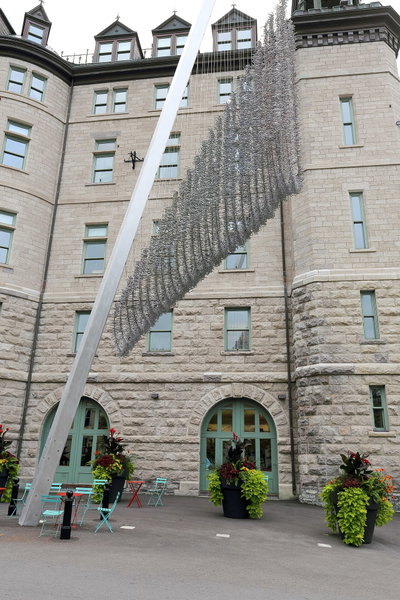
Codex Populi 01, Quebec City, 2019
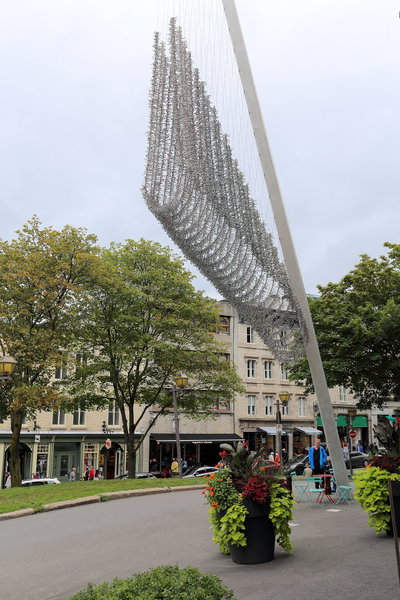
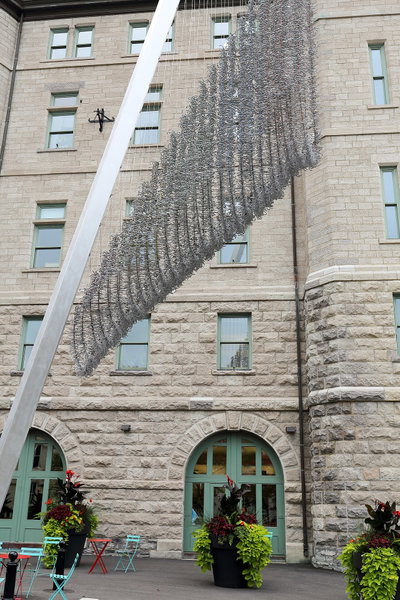
Codex Populi 01 2019 Codex Populi is a public artwork by Ludovic Boney, inaugurated in 2017 in Quebec City. Old Quebec, the historic walled core of the city founded in 1608, is a UNESCO World Heritage Site known for its concentration of public art and heritage architecture.
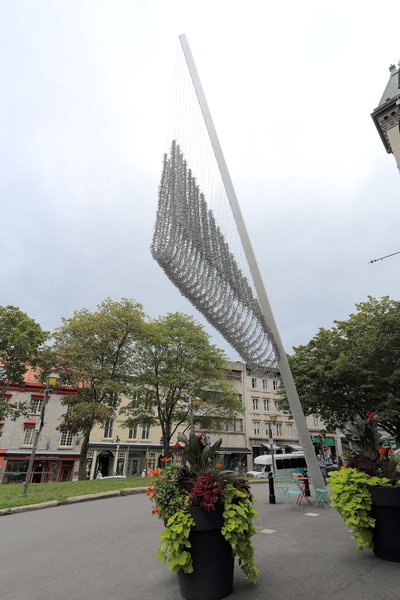
Codex Populi 05, Quebec City, 2019
Codex Populi 05 2019 This photograph shows Codex Populi, a work by artist Ludovic Boney unveiled in Quebec City in 2017 and displayed within the historic streets of Old Quebec.
Codex Populi 06, Quebec City, 2019
Codex Populi 06 2019 Codex Populi, created by Ludovic Boney and inaugurated in 2017, is among the public art installations found in Old Quebec, the fortified historic district of Quebec City founded in 1608.
Codex Populi 02, Quebec City, 2019
Codex Populi 02 2019 The piece pictured here, Codex Populi by Ludovic Boney, was inaugurated in Quebec City in 2017 and can be found among the streets of the old town, a UNESCO World Heritage Site.
42-44, cote de la Fabrique - 01, Quebec City, 2020
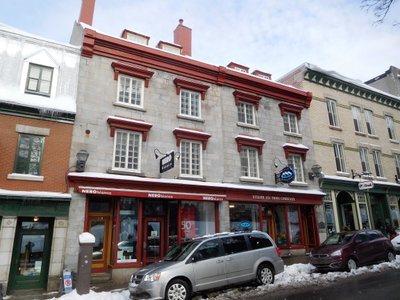
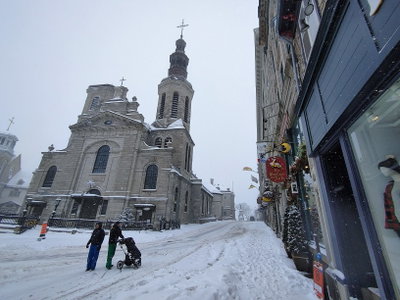
42-44, cote de la Fabrique - 01 2020 Côte de la Fabrique climbs through Old Quebec past Notre-Dame de Québec cathedral, and this 2020 photograph records the facade at 42-44 along the street.
48 - 46, cote de la Fabrique, Quebec City, 2020
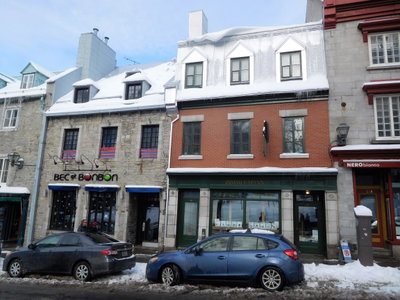
48 - 46, cote de la Fabrique 2020 Côte de la Fabrique in Old Quebec, seen here at numbers 46-48 in a 2020 photograph.
20-22, cote de la Fabrique - 06, Quebec City, 2021
20-22, cote de la Fabrique - 06 2021 Buildings along Côte de la Fabrique, a steep street in the historic core of Quebec City, Canada, near the Basilica-Cathedral of Notre-Dame de Québec. The street is part of the Old Quebec district, a UNESCO World Heritage site recognized for its preserved colonial-era streetscape.
20-22, cote de la Fabrique - 08, Quebec City, 2021
20-22, cote de la Fabrique - 08 2021 This building at 20-22 Côte de la Fabrique stands in Vieux-Québec, the historic core of Quebec City recognized as a UNESCO World Heritage Site, and is listed in Quebec's heritage building inventory.
Cote de la Fabrique 21, Quebec City, 2021
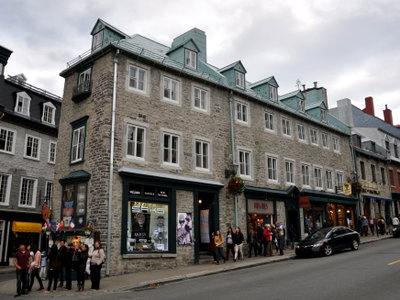
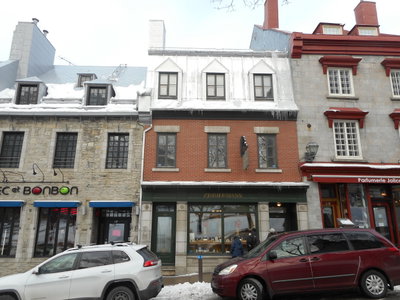
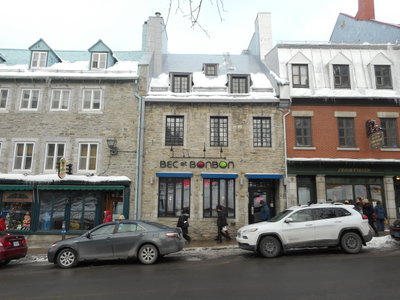
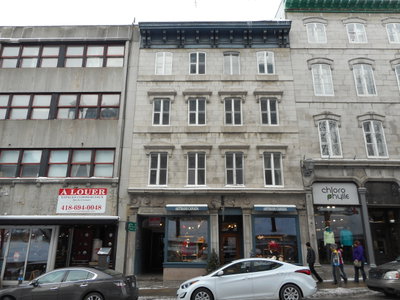
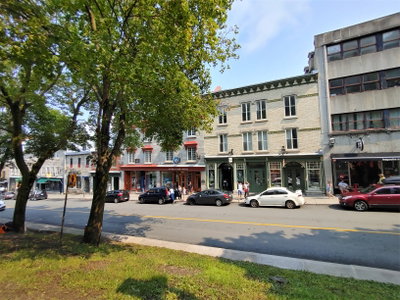
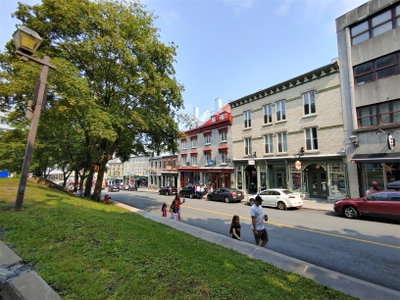
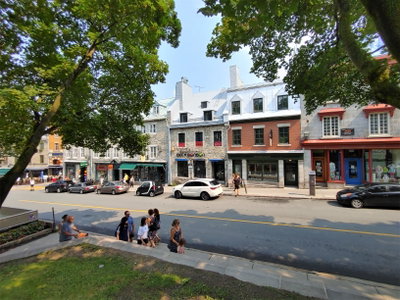
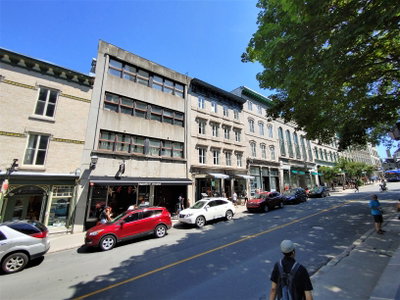
Cote de la Fabrique 21 2021 Shopfronts line the sloping Cote de la Fabrique in Quebec City's historic Old Quebec district, a UNESCO World Heritage site dating to the 17th century, captured in this 2021 street view.
Cote de la Fabrique 20, Quebec City, 2021
Cote de la Fabrique 20 2021 Pedestrians and storefronts occupy Cote de la Fabrique, one of Old Quebec's steep commercial streets, in this 2021 photograph of the UNESCO-listed neighborhood.
Rue De Buade 04, Quebec City, 2021
Rue De Buade 04 2021 Rue de Buade, a historic street in Quebec City's Old Town, running past the Basilica-Cathedral of Notre-Dame de Québec toward the Château Frontenac, the landmark hotel overlooking the Saint Lawrence River.
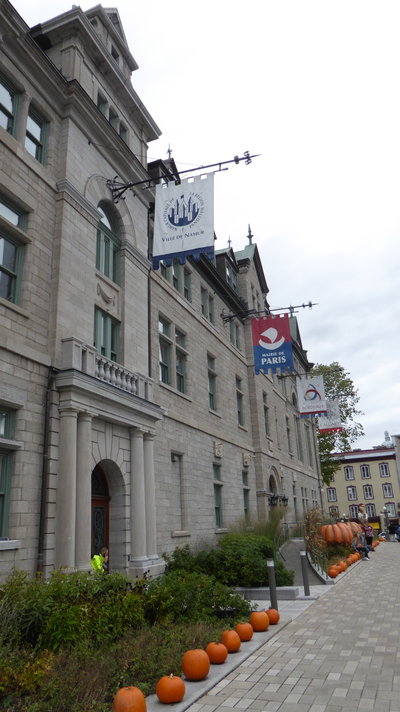
Hotel de ville de Quebec 58, Quebec City, 2021
Hotel de ville de Quebec 58 2021 The Hôtel de Ville de Québec, Quebec City's municipal building, was completed in 1896 on the site of the former Jesuit college in Vieux-Québec and remains the seat of the city's government.
Cote de la Fabrique 19, Quebec City, 2021
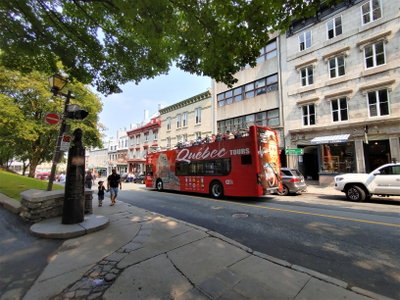
Cote de la Fabrique 19 2021 An open-top Quebec Tours sightseeing bus makes its way along Cote de la Fabrique, a narrow sloping street lined with shops and cafes in Old Quebec, Quebec City, in this 2021 image.
20-22, cote de la Fabrique - 07, Quebec City, 2021
20-22, cote de la Fabrique - 07 2021 Number 20-22 Côte de la Fabrique is one of the heritage-listed facades along this steep street in Old Quebec, part of the city's UNESCO-inscribed historic district near the upper town.
Cote de la Fabrique 24, Quebec City, 2021
Cote de la Fabrique 24 2021 Côte de la Fabrique, a sloped street in Quebec City's historic Upper Town, photographed in 2021. The route has long connected the district to the city's fortified core.
Hotel de ville de Quebec 62, Quebec City, 2021
Hotel de ville de Quebec 62 2021 Quebec City's Hôtel de Ville faces the Place de l'Hôtel-de-Ville in Vieux-Québec, part of the historic district inscribed as a UNESCO World Heritage Site in 1985.
Cote de la Fabrique 18, Quebec City, 2021
Cote de la Fabrique 18 2021 Street-level view of Cote de la Fabrique, a sloped street in the Upper Town of Quebec City, part of the historic core that has been settled since the early 17th century, captured in 2021.
Cote de la Fabrique 22, Quebec City, 2021
Cote de la Fabrique 22 2021 Building facades along Cote de la Fabrique in Quebec City's historic Upper Town, photographed in 2021; the district's French colonial-era streets are inscribed as a UNESCO World Heritage site.
Cote de la Fabrique 23, Quebec City, 2021
Cote de la Fabrique 23 2021 A 2021 street photograph taken on Cote de la Fabrique, one of the narrow sloped streets of Old Quebec's Upper Town near the Basilica-Cathedral of Notre-Dame de Quebec.
Hotel de ville de Quebec 63, Quebec City, 2021
Hotel de ville de Quebec 63 2021 Built in the 1890s on the former Jesuit college grounds, the Hôtel de Ville de Québec continues to house the city's municipal administration in the heart of Old Quebec.
24, cote de la Fabrique - 04, Quebec City, 2021
24, cote de la Fabrique - 04 2021 Located at 24 Côte de la Fabrique in Vieux-Québec, this building is recorded in the Répertoire du patrimoine culturel du Québec, the province's official heritage inventory.
Hotel de ville de Quebec 59, Quebec City, 2021
Hotel de ville de Quebec 59 2021 This view shows the Hôtel de Ville de Québec, the municipal seat of Quebec City since the building's completion in the late 19th century on former Jesuit land.
34-36, cote de la Fabrique - 01, Quebec City, 2021
34-36, cote de la Fabrique - 01 2021 The property at 34-36 Côte de la Fabrique sits along one of the older streets of Quebec City's historic quarter, within the walled UNESCO World Heritage Site of Old Quebec.
38-40, cote de la Fabrique - 01, Quebec City, 2021
38-40, cote de la Fabrique - 01 2021 Côte de la Fabrique, pictured here at number 38-40, climbs through Vieux-Québec toward the upper town near the Basilica-Cathedral of Notre-Dame de Québec.
Maison Larcheveque-Lelievre 11, Quebec City, 2021
Maison Larcheveque-Lelievre 11 2021 The Maison Larchevêque-Lelièvre is a heritage house on Côte de la Fabrique in Vieux-Québec, listed in the Répertoire du patrimoine culturel du Québec, the province's heritage inventory.
42-44, cote de la Fabrique - 03, Quebec City, 2021
42-44, cote de la Fabrique - 03 2021 At 42-44 Côte de la Fabrique, this heritage building forms part of the streetscape of Old Quebec, whose stone architecture dates largely from the 18th and 19th centuries.
42-48, cote de la Fabrique, Quebec City, 2021
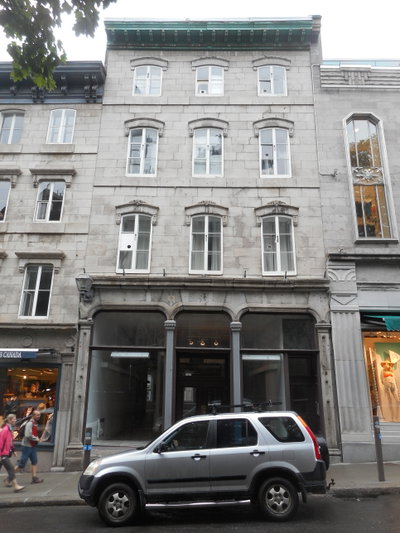
42-48, cote de la Fabrique 2021 This facade at 42-48 Côte de la Fabrique belongs to the protected historic fabric of Vieux-Québec, the walled old town at the heart of Quebec City, founded in 1608.
Cote de la Fabrique 25, Quebec City, 2021
Cote de la Fabrique 25 2021 Facades along Cote de la Fabrique, within Quebec City's historic district, photographed in 2021; the street descends through the walled Upper Town toward the lower city.
42-44, cote de la Fabrique - 02, Quebec City, 2021
42-44, cote de la Fabrique - 02 2021 Number 42-44 on Côte de la Fabrique, a narrow street in Quebec City's UNESCO-listed old town, is among the buildings catalogued in the province's cultural heritage register.
20-22, cote de la Fabrique - 09, Quebec City, 2021
20-22, cote de la Fabrique - 09 2021 The building at 20-22 Côte de la Fabrique stands within Vieux-Québec, whose fortified historic district is the only walled city north of Mexico in North America.
48, cote de la Fabrique - 04, Quebec City, 2021
48, cote de la Fabrique - 04 2021 The heritage building at 48 Côte de la Fabrique lies within Vieux-Québec's fortified old town, a UNESCO World Heritage Site since 1985.
20-22, cote de la Fabrique - 10, Quebec City, 2021
20-22, cote de la Fabrique - 10 2021 This photograph documents 20-22 Côte de la Fabrique, one of many heritage properties recorded along this street in Quebec City's historic district.
Camion de pompiers a Quebec, Quebec City, 2021
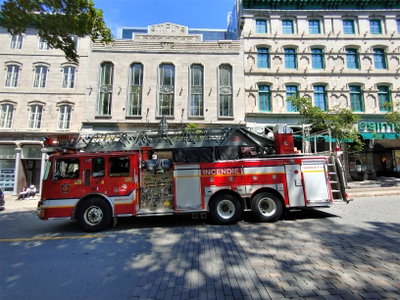
Camion de pompiers a Quebec 2021 A fire truck photographed on the streets of Quebec City in 2021, in the historic Upper Town district of one of North America's oldest European-founded cities.
Hotel de ville de Quebec, Quebec City, 2022
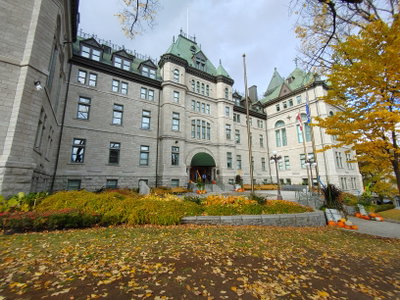
Hotel de ville de Quebec 2022 Another view of Québec City's Hôtel de Ville from the same day, 20 October 2022, showing the building that has served as the city's seat of government since the late 19th century.
Hotel de ville de Quebec, Quebec City, 2022
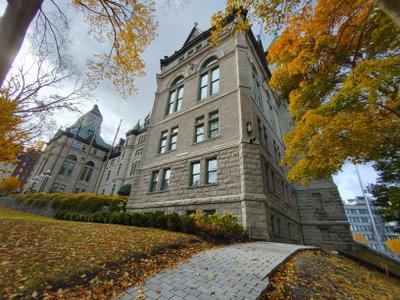
Hotel de ville de Quebec 2022 The Hôtel de Ville de Québec, seen here in a photograph from October 2022, is the city hall of Quebec City, built in the late 19th century on Place de l'Hôtel-de-Ville in the Upper Town. It stands within Old Quebec, a district recognized as a UNESCO World Heritage Site for its well-preserved colonial-era streetscape.
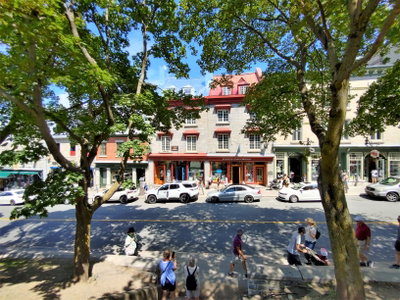
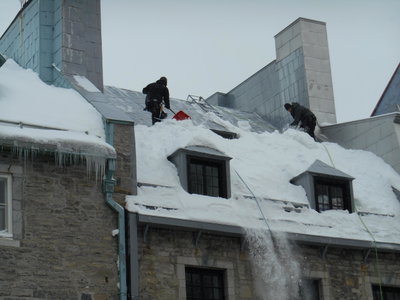
Place Hotel-de-Ville, Quebec City, 2022
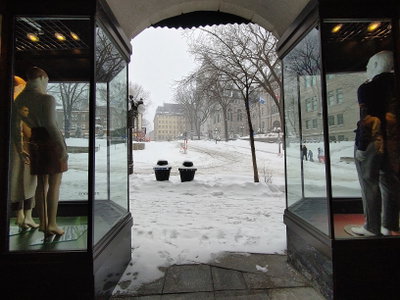
Place Hotel-de-Ville 2022 Place de l'Hôtel-de-Ville, photographed here in November 2022, is the square fronting Quebec City's city hall in the Upper Town of Old Quebec. The surrounding district is part of a UNESCO World Heritage Site prized for its concentration of French colonial and 19th-century architecture.
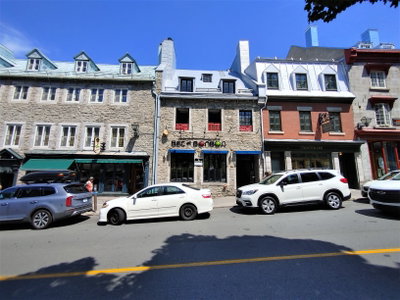
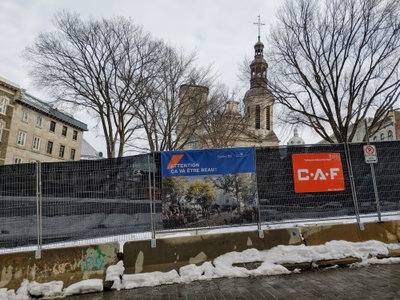
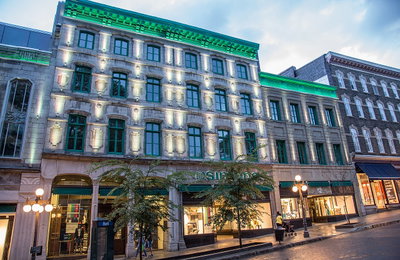
Édifice Price, Quebec City, 2024
Édifice Price 2024 Édifice Price is an Art Deco office tower in the walled old town of Quebec City, Canada, long counted among the tallest buildings within its historic core; photographed in 2024.
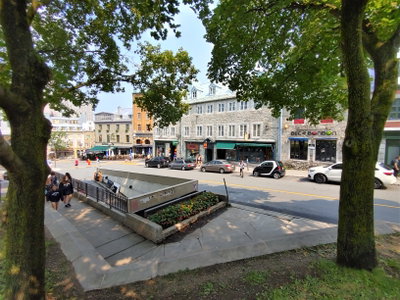
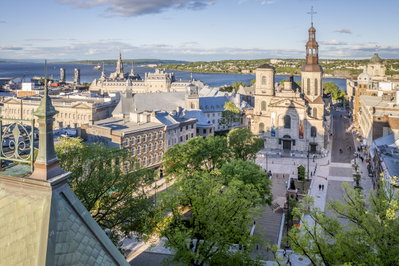
Place de l'Hôtel-de-Ville Québec, Quebec City, 2024
Place de l'Hôtel-de-Ville Québec 2024 Place de l'Hôtel-de-Ville in Quebec City, the square fronting the city hall within the historic walled Old Quebec district, whose fortifications are recognized as a UNESCO World Heritage Site. Photographed in 2024.