Home › Ho Chi Minh City › Street Clean

Street Clean through time

Ho Chi Minh City 1860–2018 76 photos of this spot

76 photographs taken at the same spot in Ho Chi Minh City, spanning 1860–2018 — 57 of them from before 1980. Line them up and watch the place change.

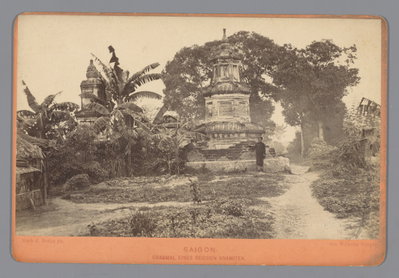
A tomb monument in Saigon is the subject of this 1860 photograph, taken in the years just after French forces captured the city and began establishing colonial rule over Cochinchina.

See this spot on the map
Have an old photo of Street Clean? A family album, a postcard, a print from the attic. Pin it to the map and it becomes part of the record.
Add your photo
EU: Gezicht op een graftombe in Saigon (1860), Ho Chi Minh City, 1860
EU: Gezicht op een graftombe in Saigon (1860) 1860 A tomb monument in Saigon is the subject of this 1860 photograph, taken in the years just after French forces captured the city and began establishing colonial rule over Cochinchina.
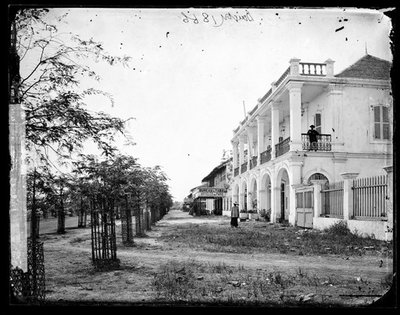
EU: Saigon, Cochin China. Photograph by John Thomson (1866) [L0055789], Ho Chi Minh City, 1866
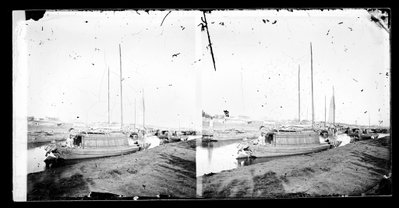
EU: Saigon, Cochin China. Photograph by John Thomson (1866) [L0055789] 1866 John Thomson photographed Saigon, capital of French Cochinchina, in 1866, leaving behind some of the earliest photographic records of the city that is now Ho Chi Minh City.
EU: Saigon, Cochin China. Photograph by John Thomson (1866) [L0055788], Ho Chi Minh City, 1866
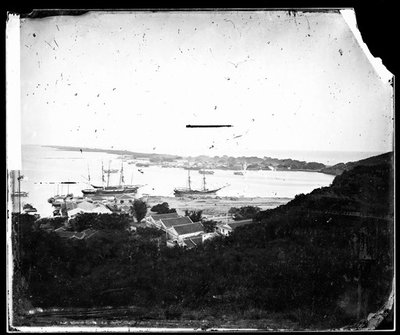
EU: Saigon, Cochin China. Photograph by John Thomson (1866) [L0055788] 1866 Taken in 1866 by John Thomson, this photograph shows Saigon during the early years of French colonial rule over Cochinchina, in what is now southern Vietnam.
EU: Saigon, Cochin China [Vietnam]. Photograph by John Thomson, 1866 (1866), Ho Chi Minh City, 1866
EU: Saigon, Cochin China [Vietnam]. Photograph by John Thomson, 1866 (1866) 1866 Two years before his more extensive 1867 survey, John Thomson photographed Saigon in 1866, capturing the city in the early period of French colonial rule over Cochinchina, southern Vietnam, when the port was still being transformed.
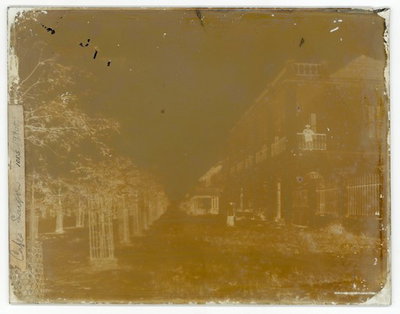
EU: Saigon, Cochin China - John Thomson photograph [L0055789] (1866), Ho Chi Minh City, 1866
EU: Saigon, Cochin China - John Thomson photograph [L0055789] (1866) 1866 John Thomson photographed Saigon in 1866 using the wet-plate collodion process typical of the era, which required him to carry a portable darkroom on his travels through French Cochinchina. Saigon had only recently come under French colonial rule.
EU: Saigon, Cochin China. Photograph by John Thomson (1866), Ho Chi Minh City, 1866
EU: Saigon, Cochin China. Photograph by John Thomson (1866) 1866 Scottish photographer John Thomson made this view of Saigon in 1866 as part of his extensive photographic surveys of East and Southeast Asia. The image survives today among the Wellcome Collection's iconographic holdings, one of the earliest photographic records of the city.
EU: Saigon, Cochin China. Photograph by John Thomson (1866), Ho Chi Minh City, 1866
EU: Saigon, Cochin China. Photograph by John Thomson (1866) 1866 This 1866 photograph of Saigon was taken by John Thomson, whose travels through Cochin China, Cambodia, and China in the 1860s produced some of the first extensive photographic documentation of the region, later preserved in the Wellcome Collection's archives.
EU: Saigon, Cochin China [Vietnam]. Photograph by John Thomson, [L0055788], Ho Chi Minh City, 1866
EU: Saigon, Cochin China [Vietnam]. Photograph by John Thomson, [L0055788] 1866 This 1866 photograph of Saigon by John Thomson forms part of the extensive record he made of Cochinchina, present-day southern Vietnam, during his travels through Asia.
EU: Saigon, Cochin China [Vietnam]. Photograph by John Thomson, (1866), Ho Chi Minh City, 1866
EU: Saigon, Cochin China [Vietnam]. Photograph by John Thomson, (1866) 1866 A companion photograph from John Thomson's 1866 visit to Saigon, part of his wider documentation of Southeast Asia during the 1860s.
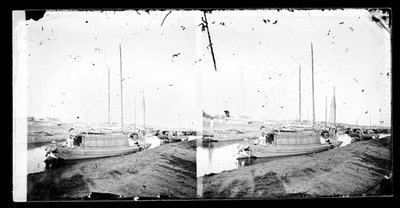
EU: North Saigon on river Mekong. (1867), Ho Chi Minh City, 1867
EU: North Saigon on river Mekong. (1867) 1867 The northern part of Saigon along the Mekong River system, photographed in 1867.
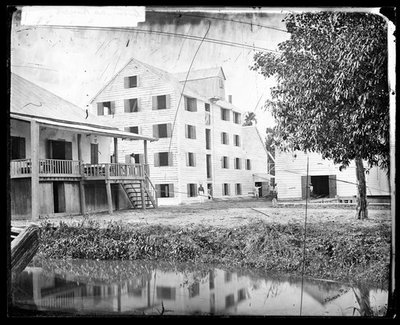
EU: Saigon, rice-mill, Bangkok by John Thomson (1867), Ho Chi Minh City, 1867
EU: Saigon, rice-mill, Bangkok by John Thomson (1867) 1867 A rice mill in Saigon, photographed by John Thomson in 1867, reflecting the rice-processing trade that underpinned the region's colonial economy.
EU: Saigon, Cochin China [Vietnam]. Photograph by John Thomson, (1867), Ho Chi Minh City, 1867
EU: Saigon, Cochin China [Vietnam]. Photograph by John Thomson, (1867) 1867 Saigon in 1867, photographed by John Thomson as part of his broader documentation of French Cochin China.
EU: Saigon, Cochin China [Vietnam] - John Thomson photograph (1867), Ho Chi Minh City, 1867
EU: Saigon, Cochin China [Vietnam] - John Thomson photograph (1867) 1867 An 1867 photograph of Saigon, then part of French Cochin China, taken by the pioneering photographer John Thomson during his travels through Southeast Asia.
EU: Saigon, Cochin China [Vietnam] - John Thomson photograph (1867), Ho Chi Minh City, 1867
EU: Saigon, Cochin China [Vietnam] - John Thomson photograph (1867) 1867 Another view of Saigon from 1867 by the Scottish photographer John Thomson, documenting the city during the early years of French colonial rule in Cochin China.
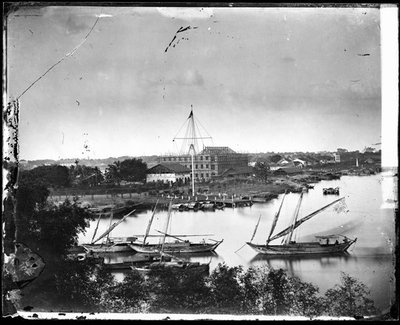
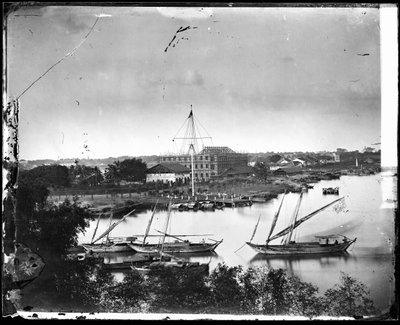
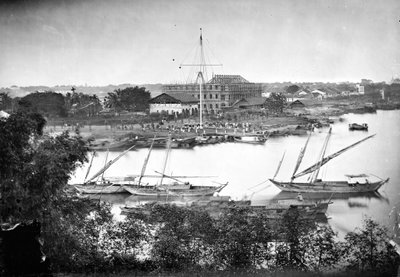
EU: View of building under construction on the waterfront, Saigon, Cochin China [Vietnam] (1867), Ho Chi Minh City, 1867
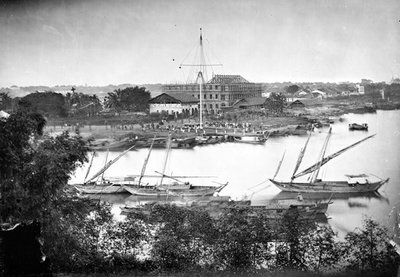
EU: View of building under construction on the waterfront, Saigon, Cochin China [Vietnam] (1867) 1867 A building under construction on the Saigon waterfront in 1867, captured during the early period of French colonial development in Cochin China.
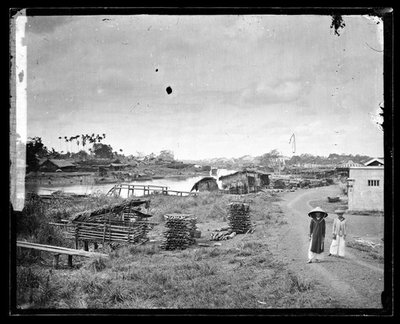
EU: River bridge, Saigon, Cochin China (1867) [V0037272], Ho Chi Minh City, 1867
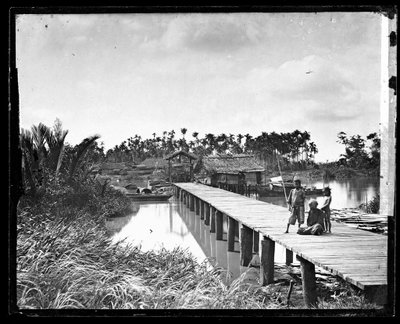
EU: River bridge, Saigon, Cochin China (1867) [V0037272] 1867 A river bridge in Saigon, Cochin China, photographed by John Thomson in 1867, records one of the crossings that linked the colonial city across its waterways.
EU: Saigon, Cochin China. Photograph by John Thomson, 1867 [neg. 1082] (1867), Ho Chi Minh City, 1867
EU: Saigon, Cochin China. Photograph by John Thomson, 1867 [neg. 1082] (1867) 1867 Scottish photographer John Thomson toured Cochinchina in 1867, and this view of Saigon is one of several exposures he made in the city that year, part of an early photographic survey of France's newly established colony in southern Vietnam.
EU: Saigon, Cochin China. Photograph by John Thomson, 1867 [neg. 1083] (1867), Ho Chi Minh City, 1867
EU: Saigon, Cochin China. Photograph by John Thomson, 1867 [neg. 1083] (1867) 1867 Another exposure from John Thomson's 1867 visit to Saigon, made as the photographer documented the city under French colonial administration in Cochinchina, part of a series that today ranks among the earliest surviving photographs of the region.
EU: River-bridge, Saigon (1867), Ho Chi Minh City, 1867
EU: River-bridge, Saigon (1867) 1867 A bridge spanning a river in Saigon, photographed in 1867 by John Thomson during his tour of French Cochinchina, a period when the city's waterways were central to trade, transport, and daily life in the growing colonial port.
EU: North Saigon on river Mekong (1867), Ho Chi Minh City, 1867
EU: North Saigon on river Mekong (1867) 1867 The northern edge of Saigon along its river, recorded by John Thomson in 1867 during his photographic survey of French Cochinchina, in the wider Mekong delta region where waterways shaped the layout of the colonial city.
EU: Saigon, Cochin China [Vietnam]. Photograph by John Thomson, 1867 [neg. 1084] (1867), Ho Chi Minh City, 1867
EU: Saigon, Cochin China [Vietnam]. Photograph by John Thomson, 1867 [neg. 1084] (1867) 1867 John Thomson made this photograph in Saigon in 1867, one of a series capturing the city during the early years of French rule over Cochinchina, when the port was being remade into a colonial administrative center.
EU: Saigon, Vietnam - John Thomson photograph [L0056517] (1867), Ho Chi Minh City, 1867
EU: Saigon, Vietnam - John Thomson photograph [L0056517] (1867) 1867 Saigon, photographed here by John Thomson in 1867, was at the time the capital of French Cochinchina. The image is catalogued in the Wellcome Collection as L0056517.
EU: Saigon, Cochin China - John Thomson photograph [L0056133] (1867), Ho Chi Minh City, 1867
EU: Saigon, Cochin China - John Thomson photograph [L0056133] (1867) 1867 This 1867 image of Saigon, Wellcome Collection reference L0056133, was made by John Thomson as part of his broader photographic survey of French colonial Cochinchina.
EU: Saigon, Cochin China - John Thomson photograph [L0056139] (1867), Ho Chi Minh City, 1867
EU: Saigon, Cochin China - John Thomson photograph [L0056139] (1867) 1867 John Thomson's 1867 Saigon photograph, numbered L0056139 in the Wellcome Collection, dates from early in the French colonial period in southern Vietnam.
EU: Saigon, Vietnam. Photograph by John Thomson (1867), Ho Chi Minh City, 1867
EU: Saigon, Vietnam. Photograph by John Thomson (1867) 1867 By 1867, when John Thomson made this photograph, Saigon had become the capital of French Cochin China, a colony established after France's military campaigns in southern Vietnam during the early 1860s.
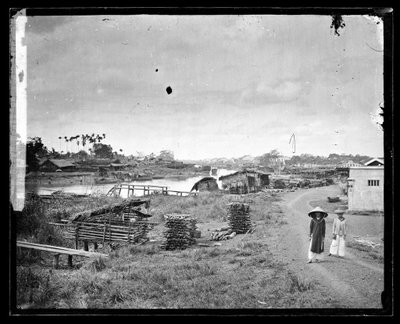
EU: Saigon, Cochin China. Photograph by John Thomson (1867), Ho Chi Minh City, 1867
EU: Saigon, Cochin China. Photograph by John Thomson (1867) 1867 This 1867 image of Saigon is one of many John Thomson produced during his years photographing the Far East; his glass-plate negatives from Cochin China are now preserved in institutional collections such as the Wellcome Library.
EU: Saigon, Cochin China. Photograph by John Thomson (1867), Ho Chi Minh City, 1867
EU: Saigon, Cochin China. Photograph by John Thomson (1867) 1867 Taken in 1867 by John Thomson, this photograph shows Saigon in the first decade of French colonial rule, when the city served as the seat of government for the newly formed colony of Cochin China.
EU: Saigon, Cochin China. Photograph by John Thomson (1867), Ho Chi Minh City, 1867
EU: Saigon, Cochin China. Photograph by John Thomson (1867) 1867 John Thomson's 1867 photograph of Saigon dates from a period when the city, recently annexed by France, was being transformed from a Vietnamese provincial center into the administrative hub of Cochin China.
EU: Saigon, Cochin China [Vietnam]. Photograph by John Thomson, [L0055838], Ho Chi Minh City, 1867
EU: Saigon, Cochin China [Vietnam]. Photograph by John Thomson, [L0055838] 1867 Photographed by John Thomson in 1867, this view of Saigon adds to his broader visual record of Cochinchina, the southern Vietnamese colony France had annexed only a few years earlier.
EU: North Saigon on river Mekong. [L0056689], Ho Chi Minh City, 1867
EU: North Saigon on river Mekong. [L0056689] 1867 John Thomson recorded this 1867 view of north Saigon along the Mekong river system, catalogued as L0056689, during his travels through French Cochin China in the early years of colonial administration.
EU: River-bridge, Saigon. [L0056871], Ho Chi Minh City, 1867
EU: River-bridge, Saigon. [L0056871] 1867 A river bridge in Saigon is the subject of this 1867 photograph by John Thomson, catalogued as L0056871, taken during his documentation of Cochin China under early French colonial rule.
EU: Saigon, Cochin China. Photograph by John Thomson, (1867), Ho Chi Minh City, 1867
EU: Saigon, Cochin China. Photograph by John Thomson, (1867) 1867 This 1867 photograph by John Thomson shows another view of Saigon, taken during his documentation of Cochin China in the early French colonial period.
EU: Saigon, Cochin China [Vietnam]. Photograph by John Thomson, (1867), Ho Chi Minh City, 1867
EU: Saigon, Cochin China [Vietnam]. Photograph by John Thomson, (1867) 1867 Saigon is pictured again in this 1867 photograph by John Thomson, part of his broader survey of the city and its surroundings under early French rule.
EU: Saigon, Cochin China. Photograph by John Thomson, (1867), Ho Chi Minh City, 1867
EU: Saigon, Cochin China. Photograph by John Thomson, (1867) 1867 John Thomson's 1867 photographs of Saigon include this view, recording the city's appearance in the first years of French colonial Cochin China.
EU: Saigon, Cochin China. Photograph by John Thomson, (1867), Ho Chi Minh City, 1867
EU: Saigon, Cochin China. Photograph by John Thomson, (1867) 1867 This 1867 image, photographed by John Thomson in Saigon, adds to his documentation of the city during the early period of French colonization.
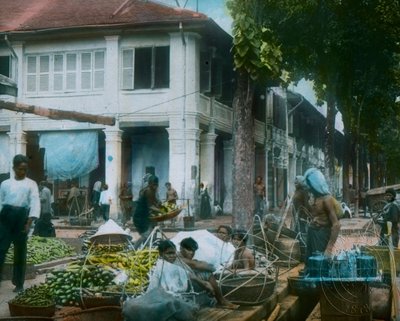
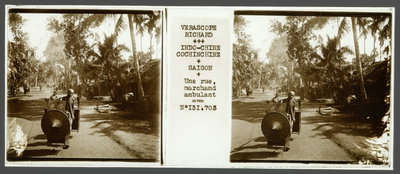
EU: Indo-Chine, Cochinchine - Saigon - Une rue, marchand ambulant (1900), Ho Chi Minh City, 1900
EU: Indo-Chine, Cochinchine - Saigon - Une rue, marchand ambulant (1900) 1900 A street scene in Saigon, the capital of French Cochinchina, photographed around 1900. The image shows an itinerant street vendor, a common sight in the city's daily commerce during the French colonial period in Indochina.
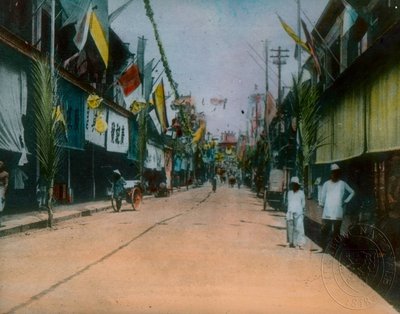
EU: Ulice v čínské čtvrti Saigonu (1901), Ho Chi Minh City, 1901
EU: Ulice v čínské čtvrti Saigonu (1901) 1901 This 1901 photograph shows a street in the Chinese quarter of Saigon, the commercial district known today as Cholon in Ho Chi Minh City, Vietnam.
EU: Stories at street corner (1901), Ho Chi Minh City, 1901
EU: Stories at street corner (1901) 1901 This 1901 photograph, taken in Saigon during the era of French Cochinchina, shows a building at a street corner in the city.
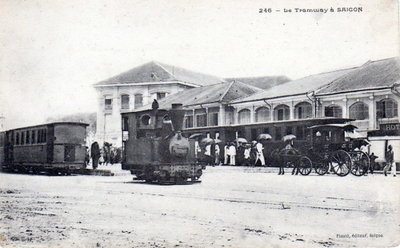
Le Tramway à Saïgon, Ho Chi Minh City, 1905
Le Tramway à Saïgon 1905 A tramway in Saigon, photographed in 1905, part of the public transit system introduced in the city under French colonial rule.
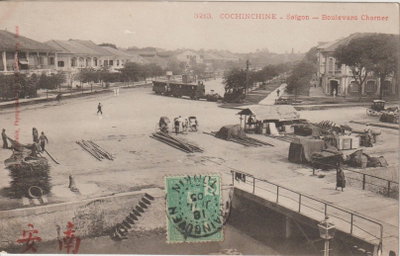
Saïgon - Boulevard Charner, Ho Chi Minh City, 1905
Saïgon - Boulevard Charner 1905 Boulevard Charner in Saigon, one of the city's main colonial-era thoroughfares, photographed in 1905.
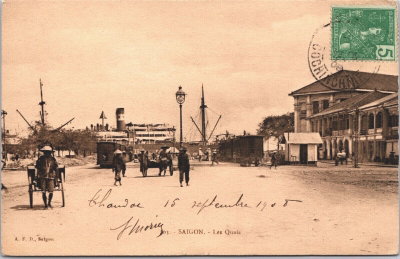
Saigon - Les Quais, Ho Chi Minh City, 1908
Saigon - Les Quais 1908 The quays of Saigon, photographed in 1908, showing the waterfront that handled much of the colony's river trade.
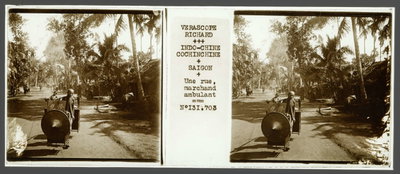
EU: Indo-Chine, Cochinchine + Saigon + Une rue, marchand ambulant (1910), Ho Chi Minh City, 1910
EU: Indo-Chine, Cochinchine + Saigon + Une rue, marchand ambulant (1910) 1910 Another 1910 photograph of a Saigon street scene with a passing vendor, from the French colonial era in Cochinchina. Scenes of local street life were frequently photographed and circulated as postcards documenting the colony for audiences abroad.
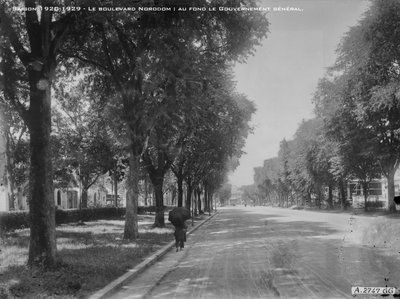
Boulevard Norodom, Saïgon (PV0015188), Ho Chi Minh City, 1925
Boulevard Norodom, Saïgon (PV0015188) 1925 Boulevard Norodom in Saigon, a broad avenue of the French colonial city, photographed in 1925, lined with the administrative and residential buildings typical of the era.
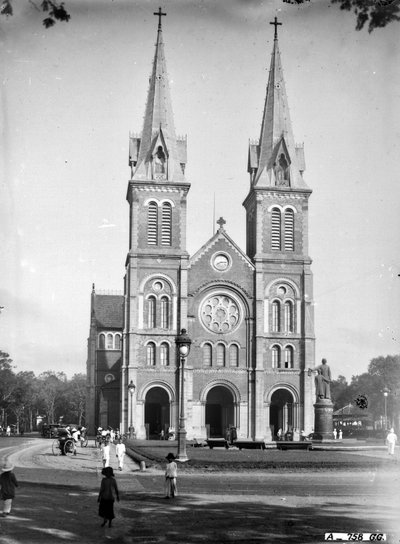
La cathédrale, Saïgon (PV0019643), Ho Chi Minh City, 1925
La cathédrale, Saïgon (PV0019643) 1925 Notre-Dame Cathedral in Saigon, built during the French colonial period with materials imported from France, photographed again in 1925.
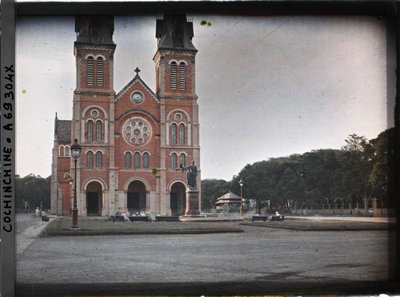
Place de la cathèdrale, Ho Chi Minh City, 1927
Place de la cathèdrale 1927 Cathedral Square in Saigon (present-day Ho Chi Minh City), Vietnam, photographed in 1927, centered on the area around Notre-Dame Cathedral in the heart of the French colonial city.
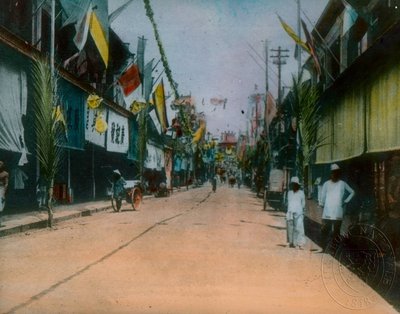
EU: Street in the Chinatown of Saigon (1927), Ho Chi Minh City, 1927
EU: Street in the Chinatown of Saigon (1927) 1927 A street in Saigon's Chinatown district, Cholon, is shown in this 1927 photograph from the French colonial period.
EU: Ulice v čínské čtvrti Saigonu (1927), Ho Chi Minh City, 1927
EU: Ulice v čínské čtvrti Saigonu (1927) 1927 A street scene in Saigon's Chinese quarter, known as Cholon, photographed in 1927 during the French colonial period in Indochina. The district was historically a center of ethnic Chinese commerce and community life in the city now known as Ho Chi Minh City.
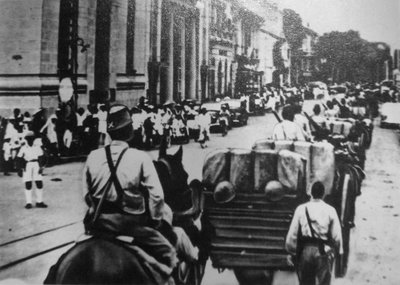
Japanese troops entering Saigon, Ho Chi Minh City, 1941
Japanese troops entering Saigon 1941 Soldiers of the Imperial Japanese Army march into Saigon in 1941, part of Japan's wartime occupation of French Indochina following an agreement with the Vichy French colonial administration that allowed Japanese forces to station troops across the territory.
Place Francis-Garnier (du Théâtre) et rue Catinat de Saïgon, Ho Chi Minh City, 1947
Place Francis-Garnier (du Théâtre) et rue Catinat de Saïgon 1947 Place Francis-Garnier and Rue Catinat in Saigon, now Ho Chi Minh City, Vietnam, photographed in 1947. Rue Catinat was the city's principal commercial street during the French colonial period.
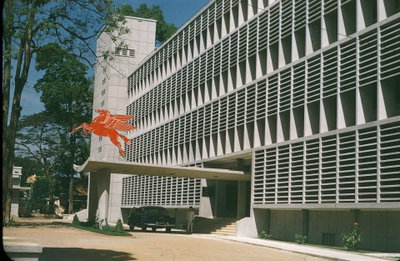
Cropped in 1955, Ho Chi Minh City, 1955
Cropped in 1955 1955 The Stanvac Building in Saigon, headquarters of the Standard-Vacuum Oil Company's Vietnam operations, a joint venture between Standard Oil and Socony-Vacuum active across Asia, photographed in 1955.
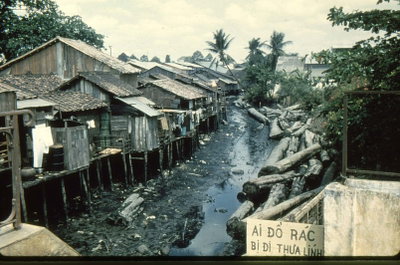
Kenh nuoc den, Sai Gon, Ho Chi Minh City, 1956
Kenh nuoc den, Sai Gon 1956 Kênh Nước Đen, or Black Water Canal, a waterway in Saigon, photographed in 1956 during the early years of the Republic of Vietnam.
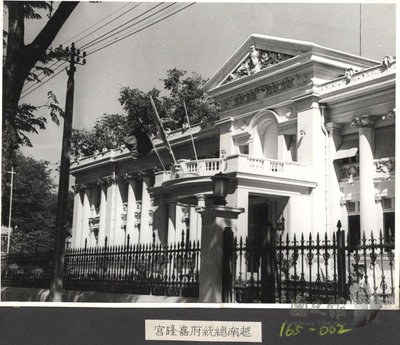
Gia Long Palace, Presidential Palace of the Republic of Vietnam, Ho Chi Minh City, 1963
Gia Long Palace, Presidential Palace of the Republic of Vietnam 1963 Gia Long Palace in Saigon, which served as a presidential palace of the Republic of Vietnam, photographed in 1963, the year that marked the final months of Ngô Đình Diệm's presidency.
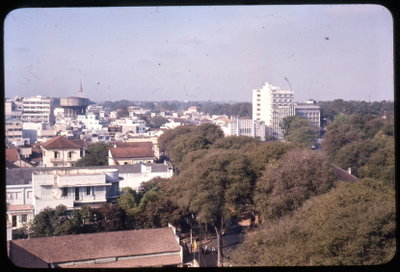
Saigon Skyline, Saigon, Vietnam, March, Ho Chi Minh City, 1966
Saigon Skyline, Saigon, Vietnam, March 1966 The skyline of Saigon, now Ho Chi Minh City, Vietnam, photographed in March 1966, during the height of the Vietnam War, when the city served as the capital of South Vietnam.
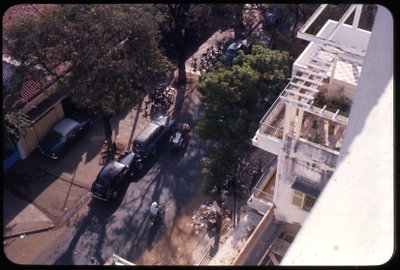
View from Meyerkord Hotel, Saigon, Vietnam, March, Ho Chi Minh City, 1966
View from Meyerkord Hotel, Saigon, Vietnam, March 1966 A view over Saigon, Vietnam, taken from the Meyerkord Hotel in March 1966, during the Vietnam War, when the city served as the capital of South Vietnam and hosted many foreign visitors and journalists.
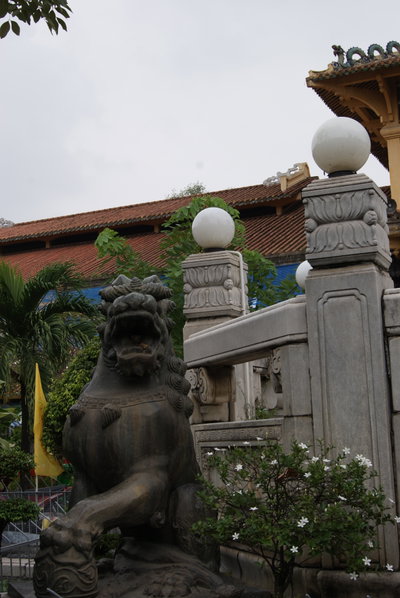
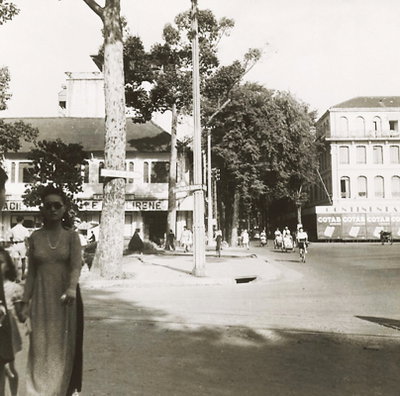
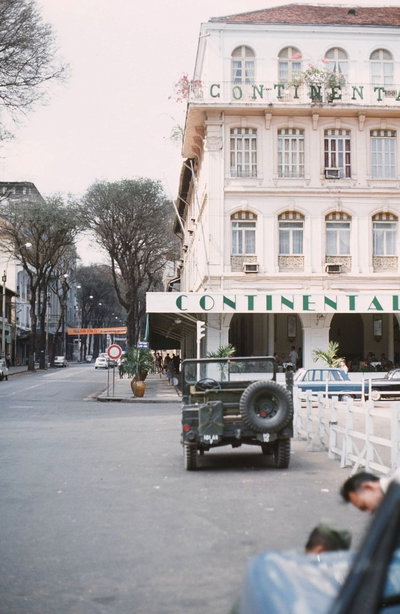
The Continental Palace, Saigon, Ho Chi Minh City, 1968
The Continental Palace, Saigon 1968 The Continental Palace, a hotel in Saigon dating to the French colonial era of the 1880s, photographed in 1968 during the Vietnam War, when the hotel was a well-known gathering place for foreign journalists.
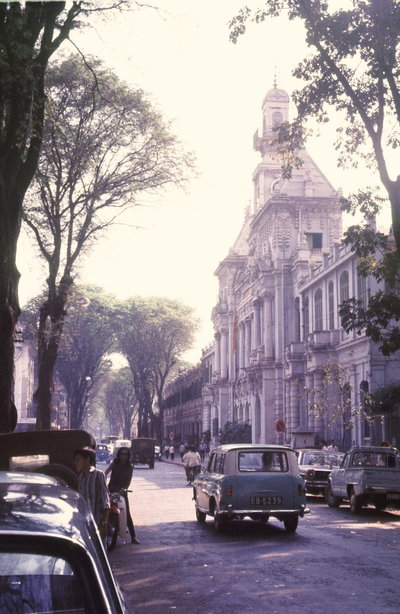
Saigon City Hall, Ho Chi Minh City, 1968
Saigon City Hall 1968 Saigon's City Hall, a Beaux-Arts building completed by French colonial authorities in the early 20th century, photographed in 1968 amid the Vietnam War.
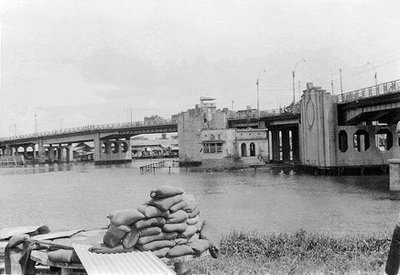
Cầu chữ Y (bridge 1968), Ho Chi Minh City, 1968
Cầu chữ Y (bridge 1968) 1968 Cầu Chữ Y, or Y Bridge, a distinctively shaped span crossing two canals in Saigon, photographed in 1968. Its unusual three-way form gave the bridge its popular name.
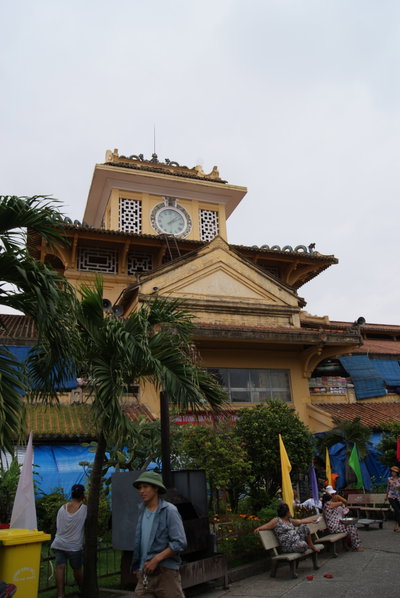
Binh Tay Market, Ho Chi Minh City, Vietnam, Ho Chi Minh City, 2012
Binh Tay Market, Ho Chi Minh City, Vietnam 2012 Binh Tay Market in the Cho Lon district of Ho Chi Minh City has served as a wholesale trading hub for the city's Chinese community since it was built in the 1920s. This photograph dates to October 2012.
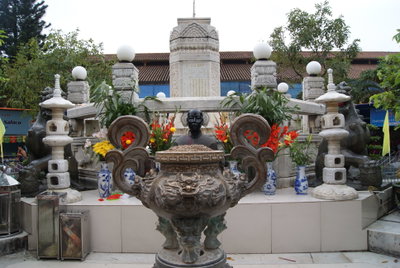
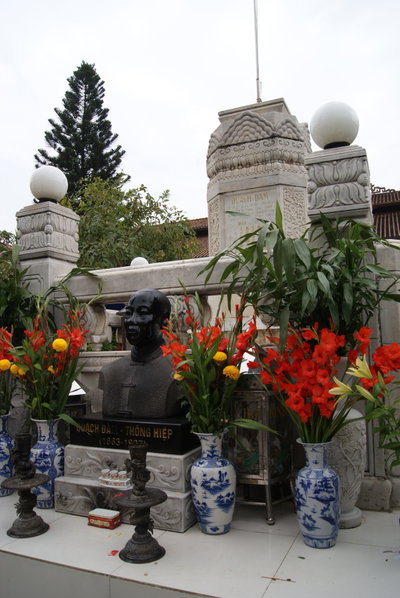
Monument in Binh Tay Market, Ho Chi Minh City, Vietnam, Ho Chi Minh City, 2012
Monument in Binh Tay Market, Ho Chi Minh City, Vietnam 2012 A monument stands at Binh Tay Market in the Cho Lon district of Ho Chi Minh City, photographed in 2012. Built in the 1920s, the market has long served as a wholesale trading hub for the city's ethnic Chinese community.
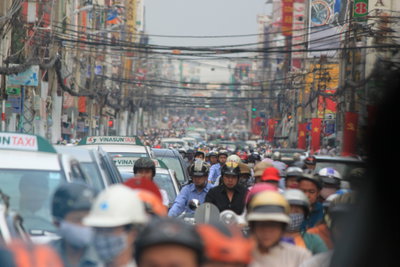
Crowded Ho Chi Minh, Ho Chi Minh City, 2012
Crowded Ho Chi Minh 2012 A busy street scene in Ho Chi Minh City, Vietnam's largest city and economic center, formerly known as Saigon. The city was renamed in 1976 after Vietnam's reunification, though the name Saigon remains in everyday use for its central districts.
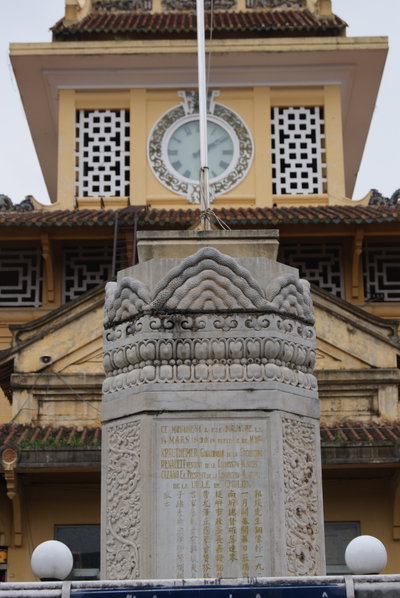
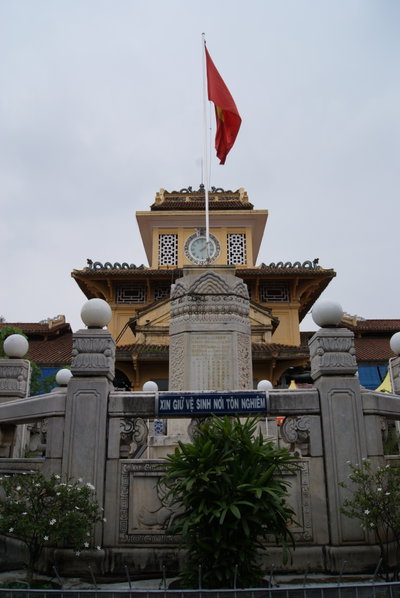
Monument in Binh Tay Market, Ho Chi Minh City, Vietnam, Ho Chi Minh City, 2012
Monument in Binh Tay Market, Ho Chi Minh City, Vietnam 2012 Binh Tay Market, built in 1928 in the Cho Lon district, has long served as the commercial heart of Ho Chi Minh City's ethnic Chinese quarter. Its tiled roofs and central clock tower have made it a landmark of the district since it opened.
Monument in Binh Tay Market, Ho Chi Minh City, Vietnam, Ho Chi Minh City, 2012
Monument in Binh Tay Market, Ho Chi Minh City, Vietnam 2012 Another view of the monument at Binh Tay Market, the 1928 covered market at the center of Ho Chi Minh City's Cho Lon district. The market remains one of the largest wholesale markets in the city's historically Chinese quarter.
Monument in Binh Tay Market, Ho Chi Minh City, Vietnam, Ho Chi Minh City, 2012
Monument in Binh Tay Market, Ho Chi Minh City, Vietnam 2012 Binh Tay Market in Ho Chi Minh City's Cholon district is one of Vietnam's oldest and largest wholesale markets, built in the 1920s with support from the Chinese merchant community. This 2012 photograph shows a monument within the market grounds.
Monument in Binh Tay Market, Ho Chi Minh City, Vietnam, Ho Chi Minh City, 2012
Monument in Binh Tay Market, Ho Chi Minh City, Vietnam 2012 A second 2012 photograph of the monument at Binh Tay Market, in the historically Chinese Cholon quarter of Ho Chi Minh City, Vietnam, a market that has served as a wholesale hub for the surrounding Mekong Delta region since it opened.
Monument in Binh Tay Market, Ho Chi Minh City, Vietnam, Ho Chi Minh City, 2012
Monument in Binh Tay Market, Ho Chi Minh City, Vietnam 2012 A monument at Binh Tay Market in Ho Chi Minh City, Vietnam, photographed in October 2012. Built in the 1920s in Cholon, the city's Chinatown district, Binh Tay remains one of southern Vietnam's largest wholesale markets.
Scooter Power, Ho Chi Minh City, 2012
Scooter Power 2012 Motor scooters fill a street in Ho Chi Minh City in this 2012 photograph, reflecting the two-wheeled traffic that dominates transport in Vietnam's largest city.
Ho Chi Minh City, Vietnam (Unsplash fAYHQEopGPA), Ho Chi Minh City, 2016
Ho Chi Minh City, Vietnam (Unsplash fAYHQEopGPA) 2016 Ho Chi Minh City, Vietnam, photographed in 2016. Formerly known as Saigon, it became Vietnam's largest city and principal commercial hub following reunification in 1975.
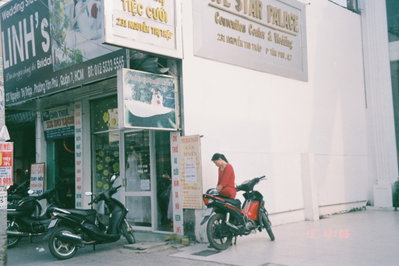
Ho Chi Minh City, Vietnam (Unsplash BYaJlr6-GqY), Ho Chi Minh City, 2016
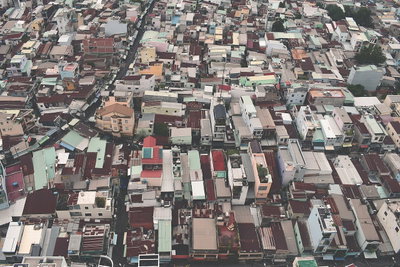
Ho Chi Minh City, Vietnam (Unsplash BYaJlr6-GqY) 2016 A street scene in Ho Chi Minh City, Vietnam, photographed in 2016. Known as Saigon before 1976, it is Vietnam's largest city and its main commercial center.
Ho Chi Minh City, Vietnam (Unsplash E7PK 3ycqJs), Ho Chi Minh City, 2016
Ho Chi Minh City, Vietnam (Unsplash E7PK 3ycqJs) 2016 A view of Ho Chi Minh City, Vietnam, taken in 2016, the country's largest city and a major commercial and cultural center in the south.
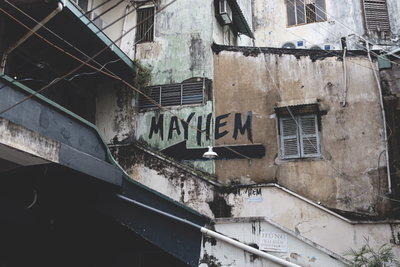
Old vandalised building. (Unsplash), Ho Chi Minh City, 2016
Old vandalised building. (Unsplash) 2016 A weathered, graffiti-marked building in Ho Chi Minh City, photographed in 2016. Formerly known as Saigon, the city is Vietnam's largest and its main commercial and cultural center in the south, where older structures sit alongside rapid redevelopment.
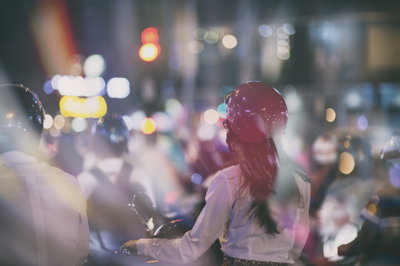
Ho Chi Minh City motorbikers (Unsplash LhENdA-0yCM), Ho Chi Minh City, 2016
Ho Chi Minh City motorbikers (Unsplash LhENdA-0yCM) 2016 Motorbikes are the dominant form of transport in Ho Chi Minh City, Vietnam's largest city, where millions of scooters navigate its streets daily. This 2016 photograph, sourced from Unsplash, captures riders in traffic.
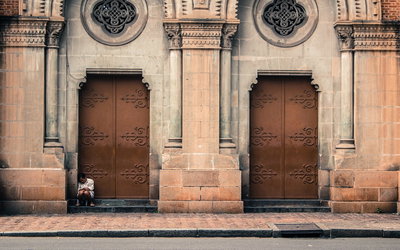
Ho Chi Minh City, Vietnam (Unsplash PX17nFI-qTs), Ho Chi Minh City, 2017
Ho Chi Minh City, Vietnam (Unsplash PX17nFI-qTs) 2017 An ornately framed doorway on a colonial-era building in central Ho Chi Minh City, Vietnam, with a figure seated on the step below. Many such French-built structures from the early twentieth century still line the city's downtown streets.
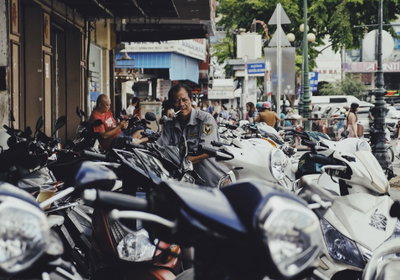
Street Clean, Ho Chi Minh City, 2017
Street Clean 2017 Street cleaning underway in Ho Chi Minh City, Vietnam, formerly known as Saigon and the country's largest city.
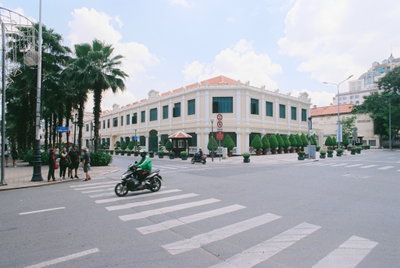
Cropped, Ho Chi Minh City, 2017
Cropped 2017 A street scene in Ho Chi Minh City, Vietnam, the country's largest city, formerly known as Saigon. Photographed in 2017.
Man smoking with scooters (Unsplash), Ho Chi Minh City, 2017
Man smoking with scooters (Unsplash) 2017 A street scene in Ho Chi Minh City is captured in this 2017 photograph. Formerly known as Saigon, the city is Vietnam's largest and remains known for its dense motor-scooter traffic.
Saigon, Ho Chi Minh City, 2018
Saigon 2018 A street scene in Ho Chi Minh City, formerly known as Saigon before the country's reunification in 1975, captures the everyday activity of Vietnam's largest city.