Old photos of Arequipa
361 photographs of Arequipa, from 1868 to 2025 — each pinned to the exact place it was taken.
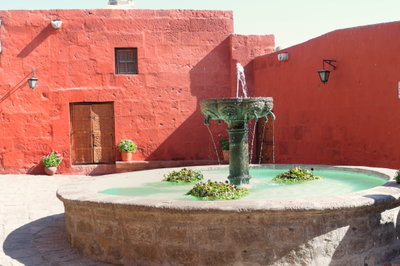
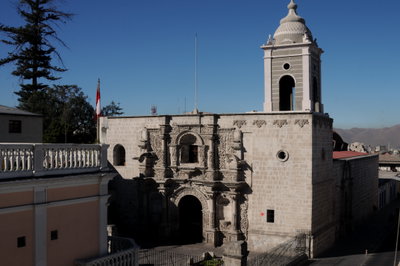
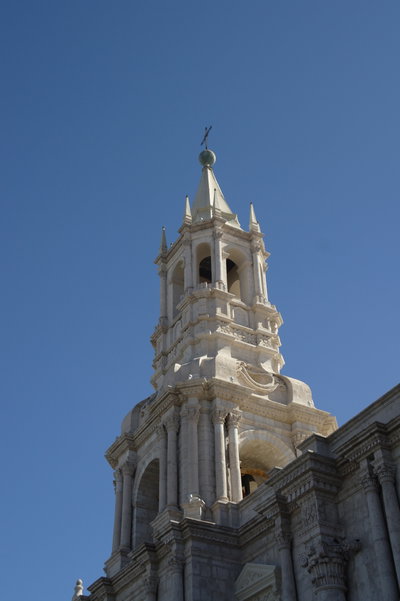
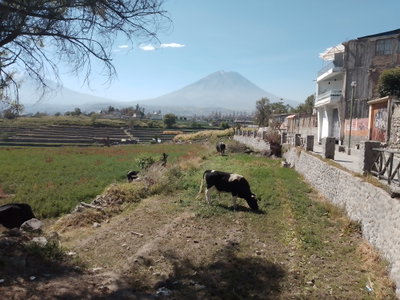
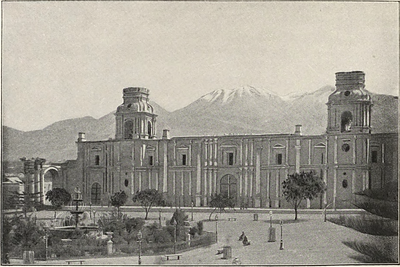
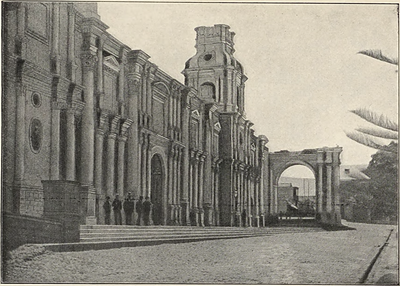
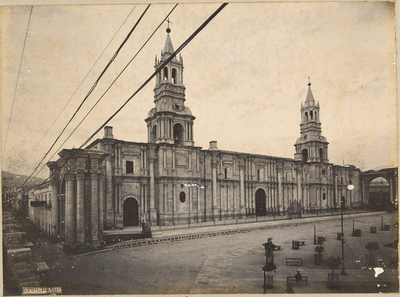
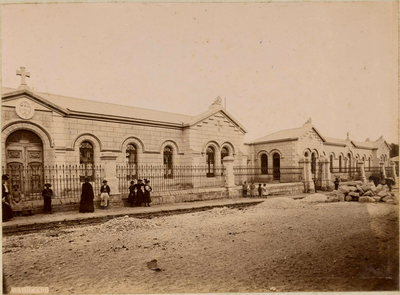
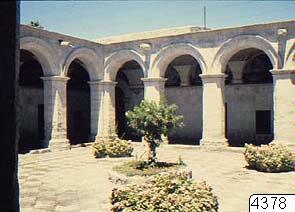
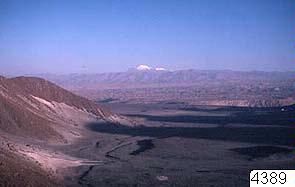
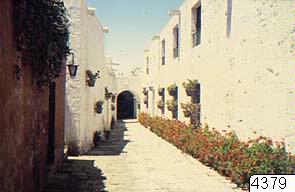
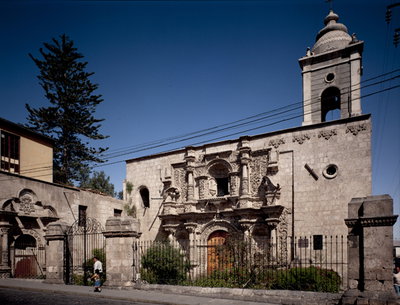
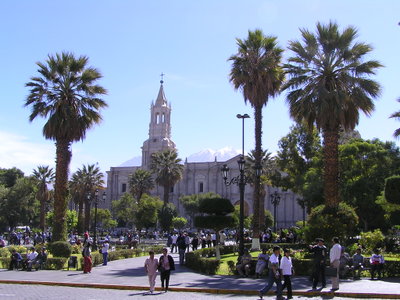
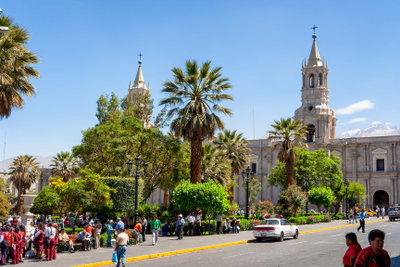
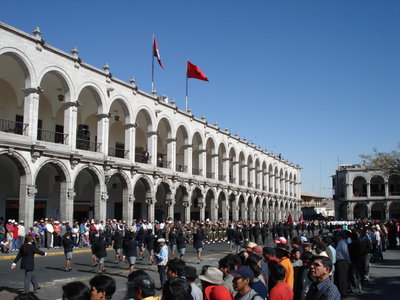
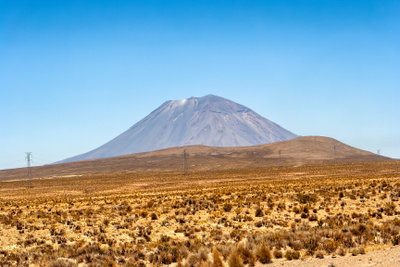
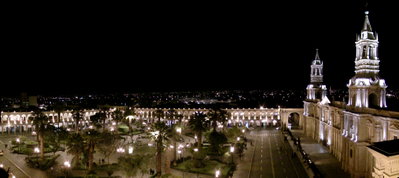
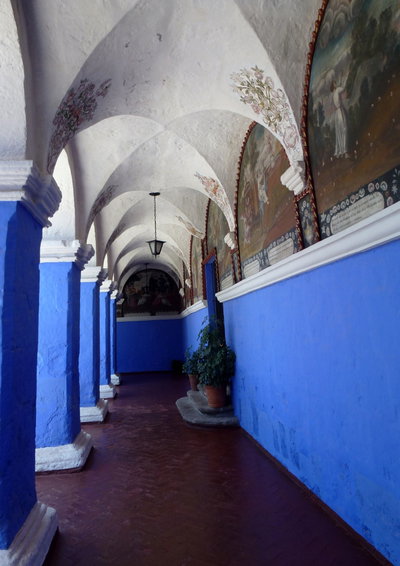
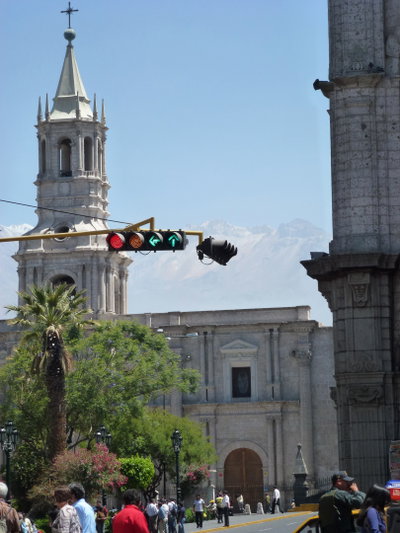
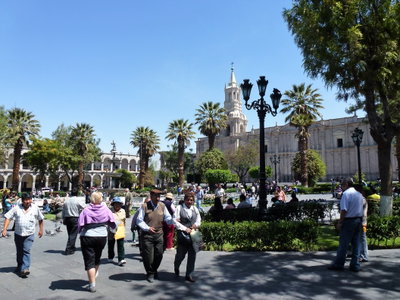
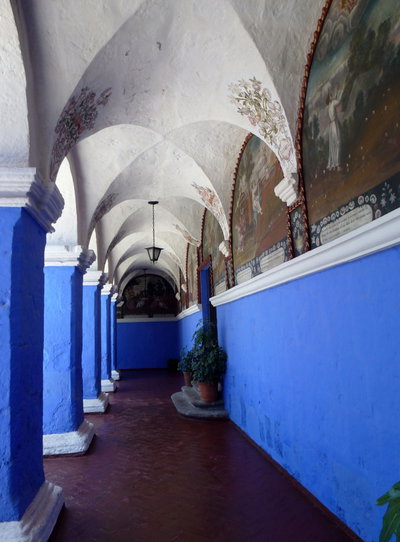
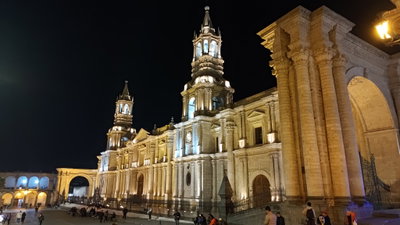
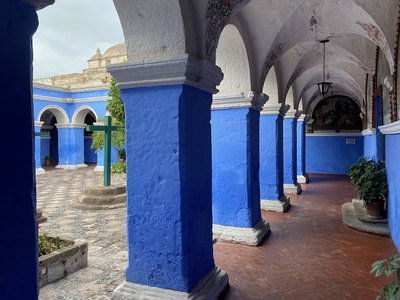
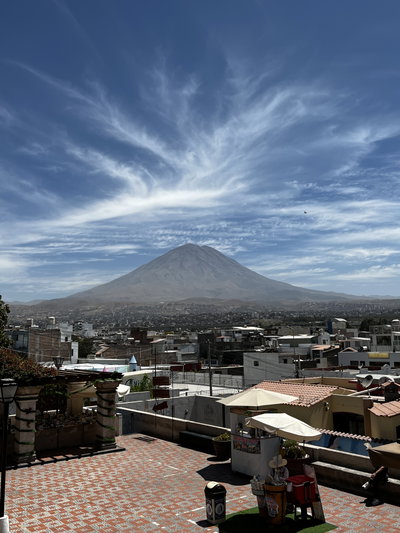
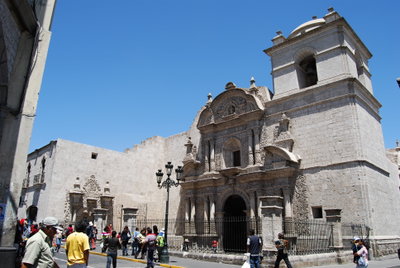
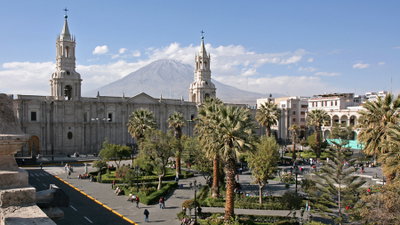
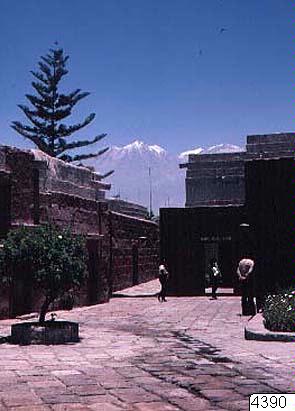
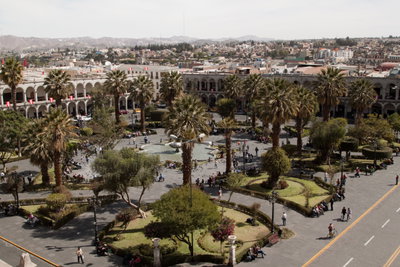
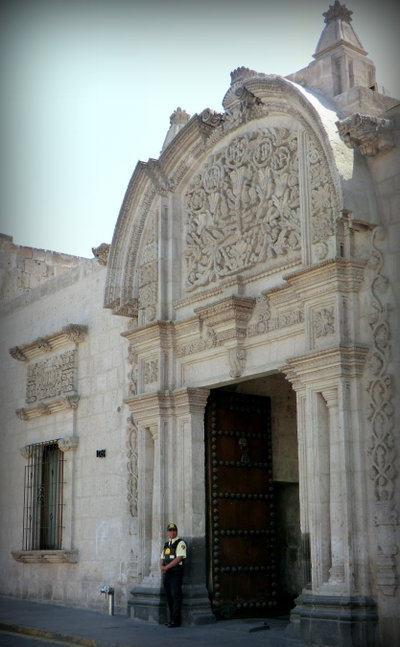
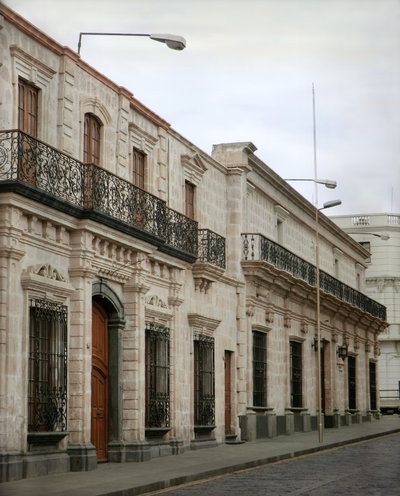
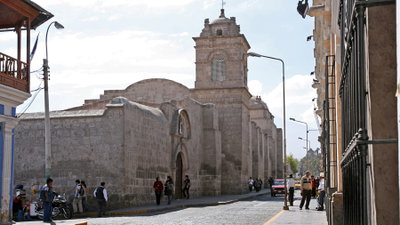
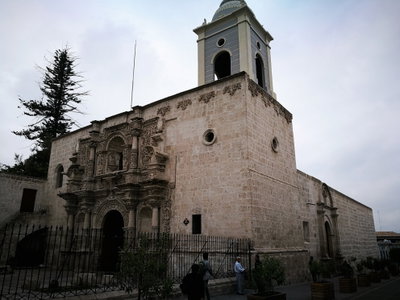
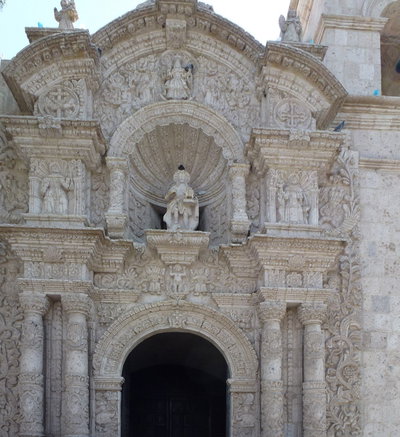
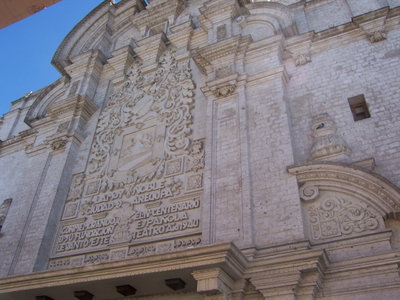
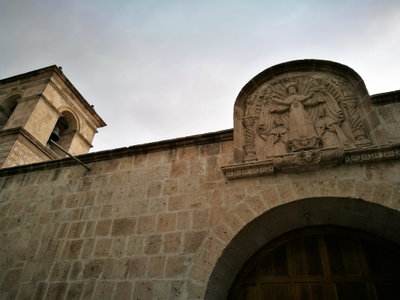
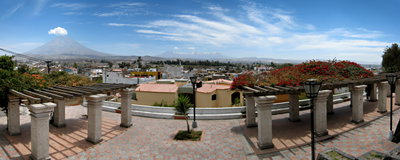
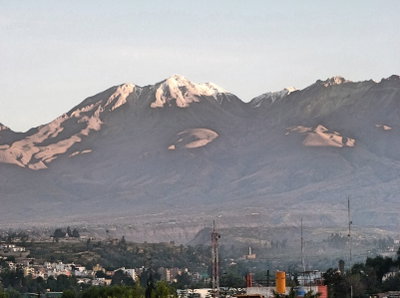
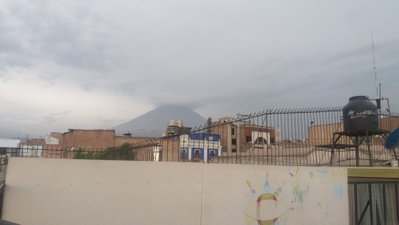
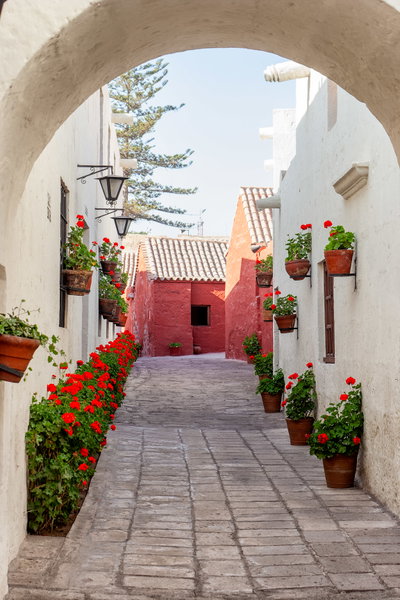
Arequipa, in the southern highlands of Peru, lies at the foot of the Misti volcano. The Spanish city was founded in 1540 on a site that had been inhabited by Andean peoples and formed part of the Inca empire. Its buildings were constructed largely of sillar, a white volcanic stone, which gave it the name the White City. The cathedral on the Plaza de Armas, the Jesuit church of La Compania with its carved facade, and the Santa Catalina convent, a walled city within the city founded in 1579, are its principal colonial monuments.
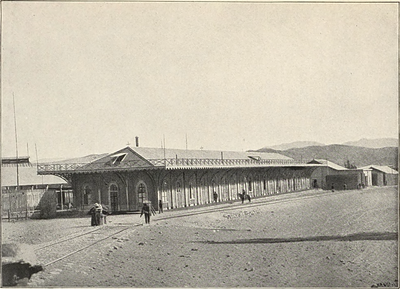
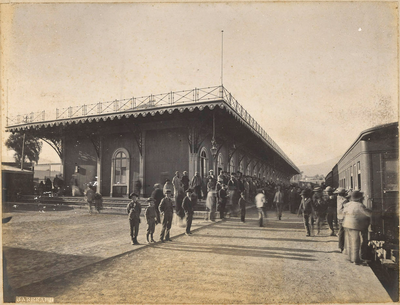
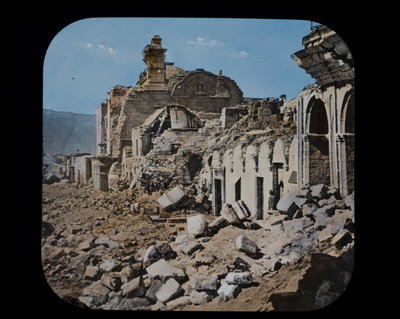
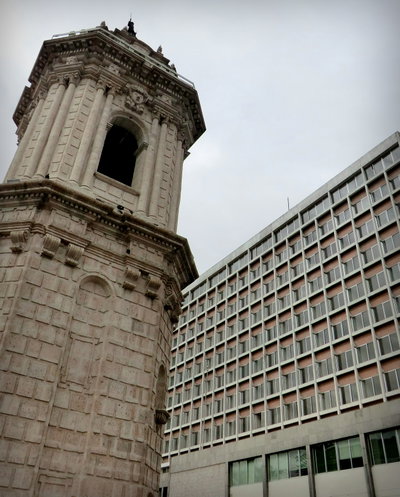
Arequipa has been struck by many earthquakes, notably in 1600, 1687, 1868 and 2001, and its low, thick-walled architecture with vaulted ceilings reflects that history; the cathedral has been rebuilt several times. During the 19th century the city was a centre of political revolts and a rival to Lima, and its trade in wool from the highlands was financed by British merchant houses. The railway to the coast at Mollendo and on to Puno was built in the 1870s. The historic centre was inscribed as a UNESCO World Heritage site in 2000.
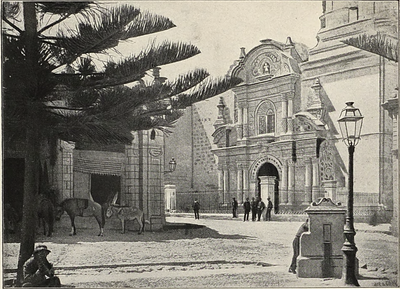
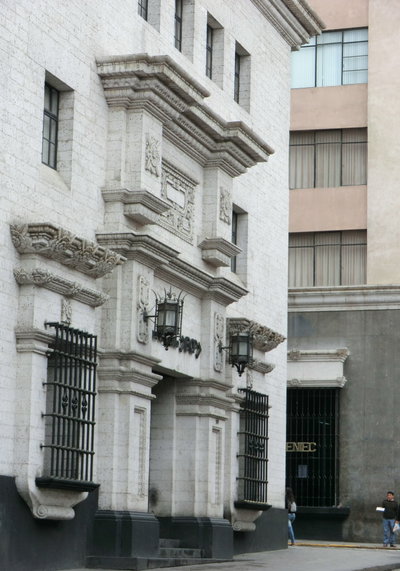
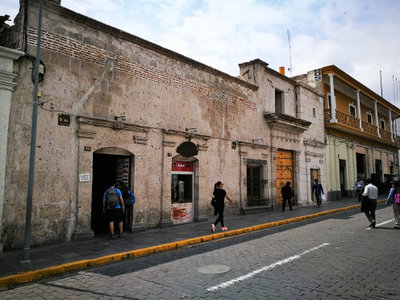
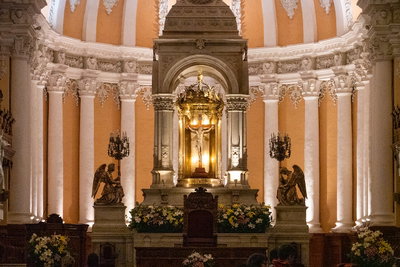
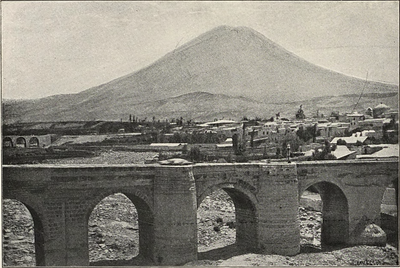
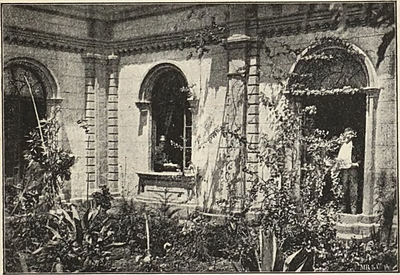
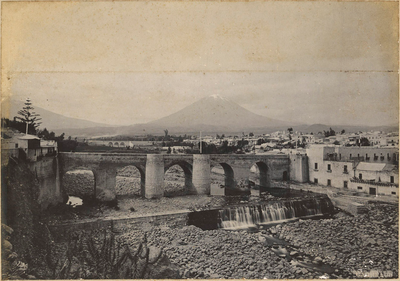
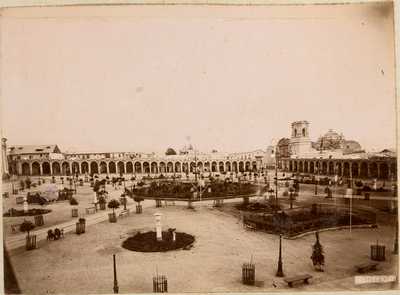
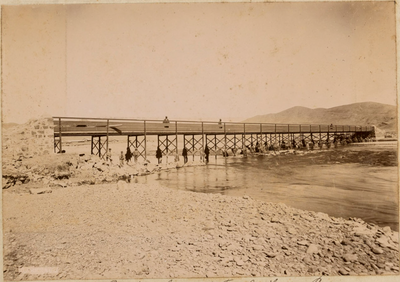
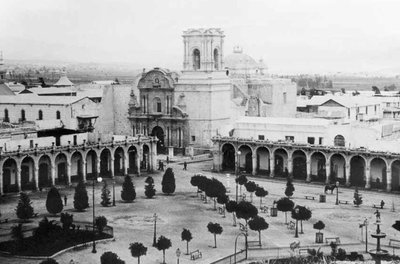
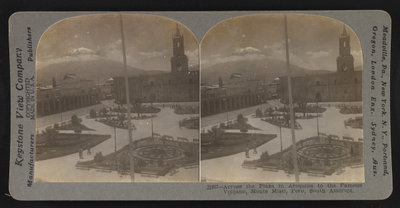
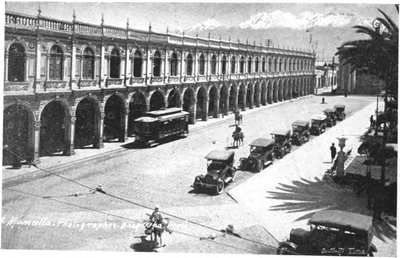
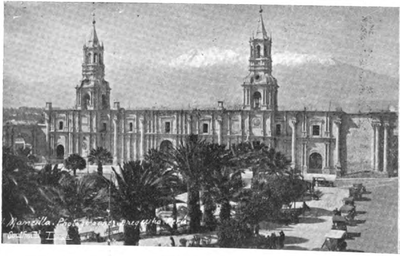
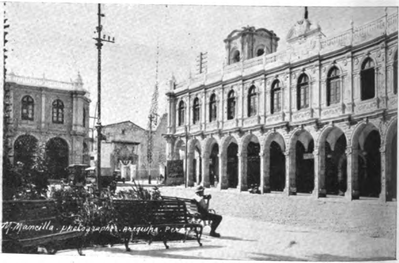
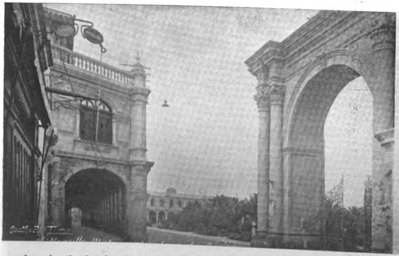
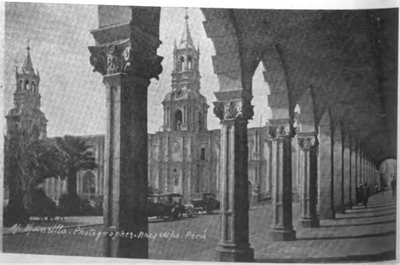
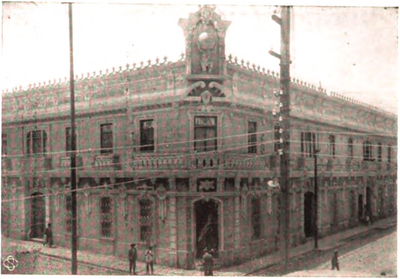
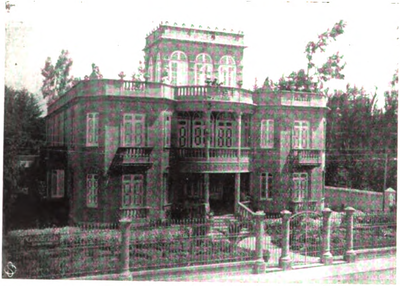
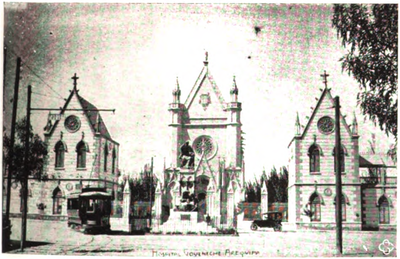
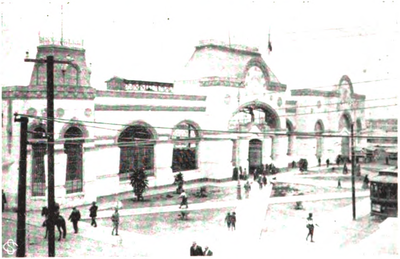
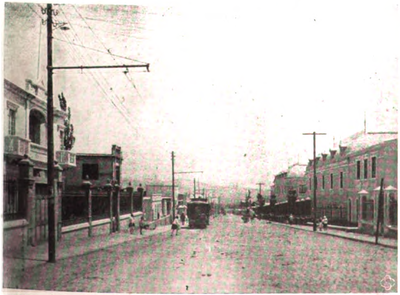
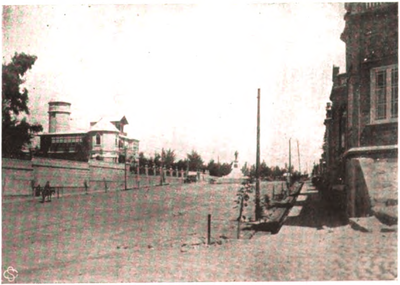
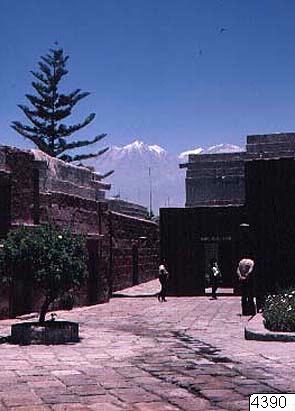
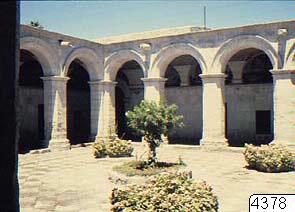
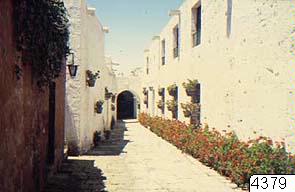
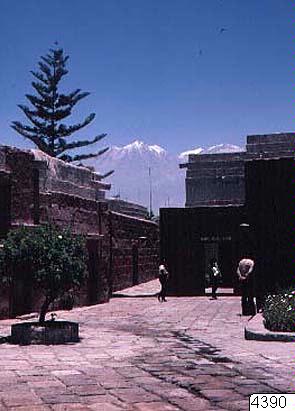
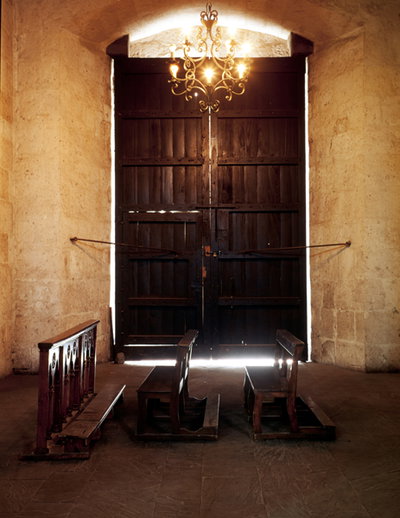
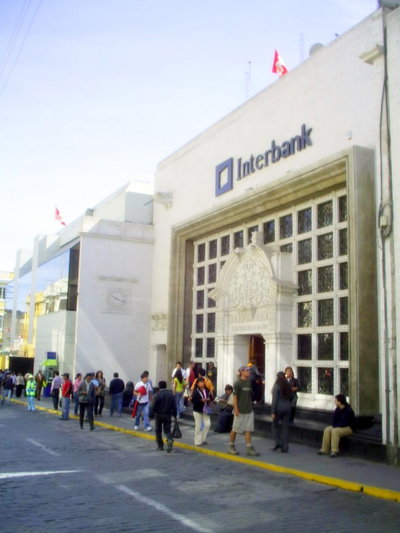
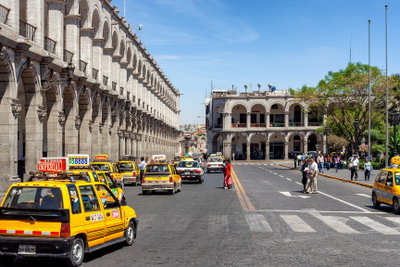
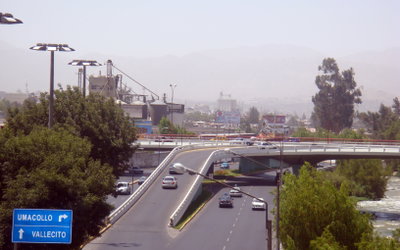
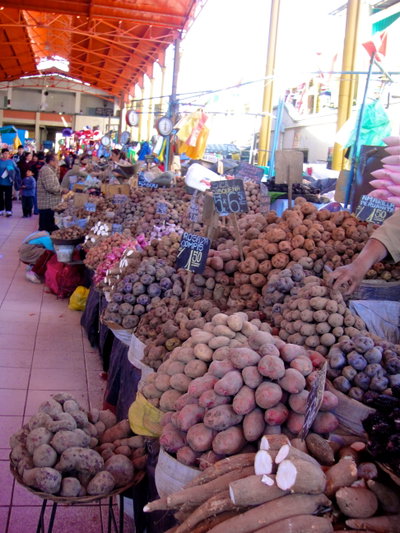
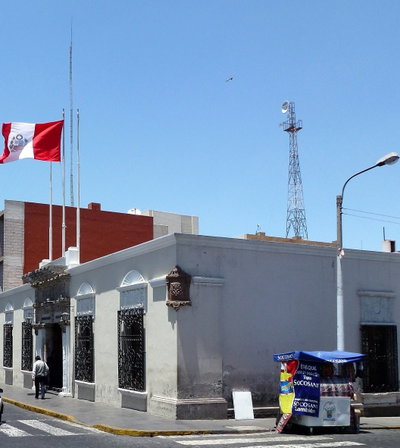
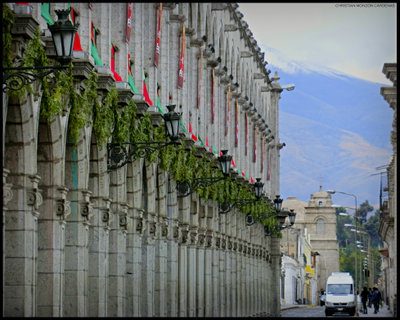
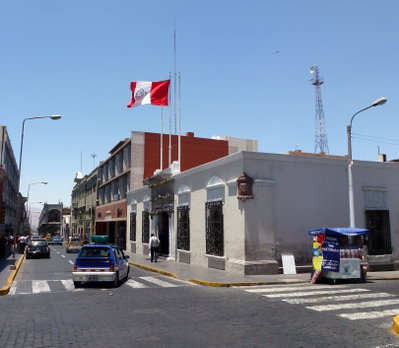
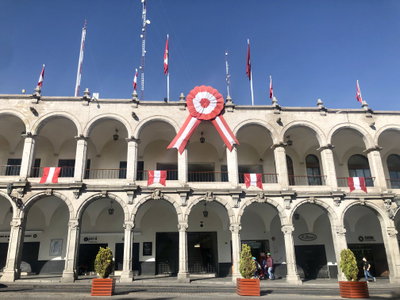
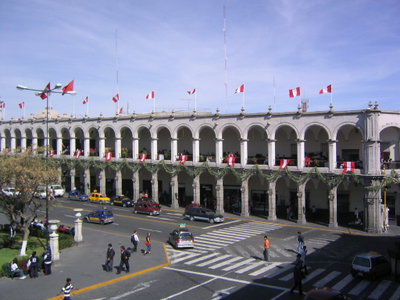
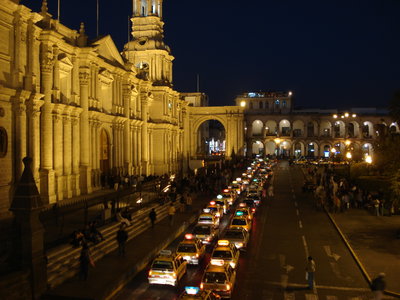
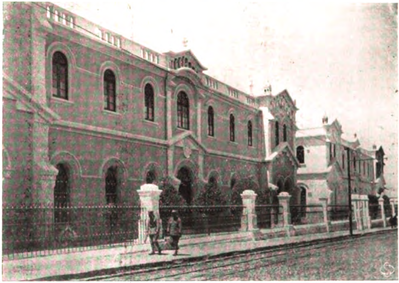
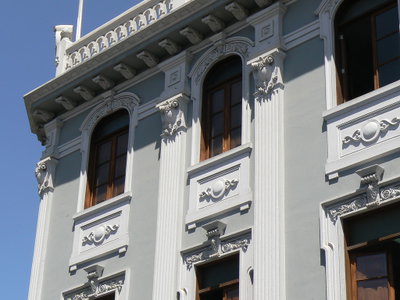
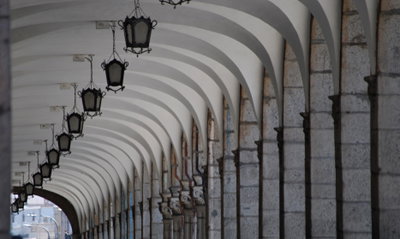
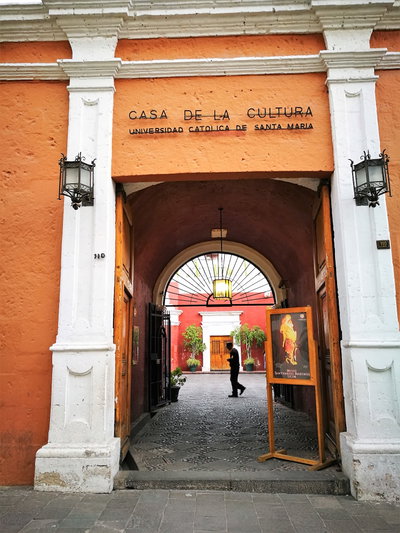
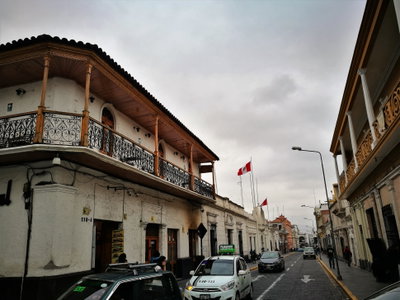
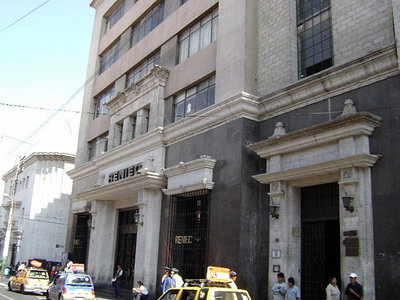
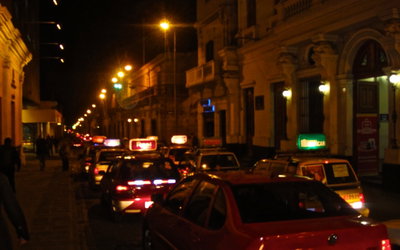
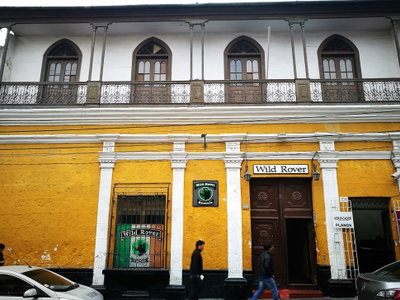
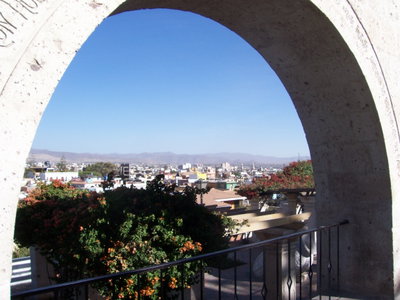
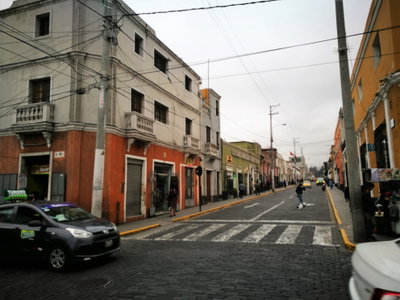
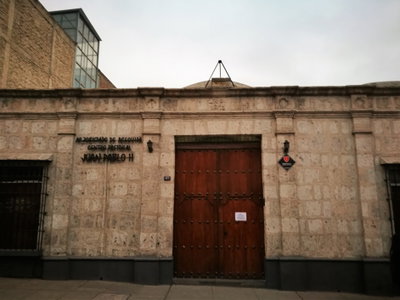
Old photographs of Arequipa typically show the cathedral and plaza with Misti behind them, the arcades and sillar facades, the Santa Catalina convent, the stone bridge over the Chili river and market scenes.
What the photos show
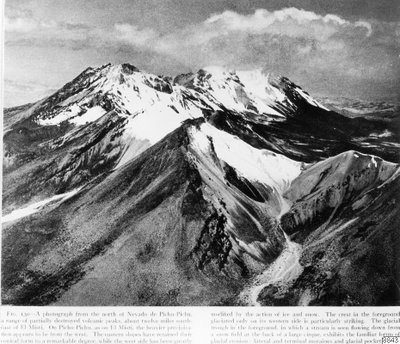
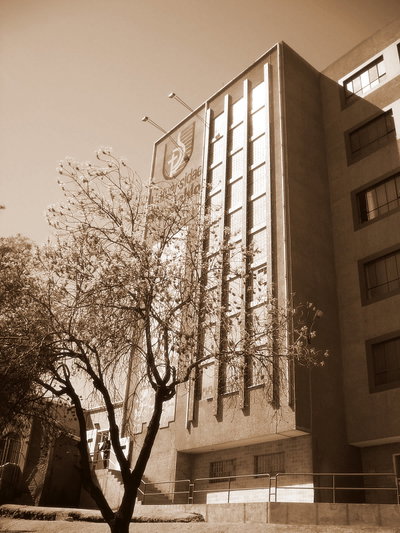
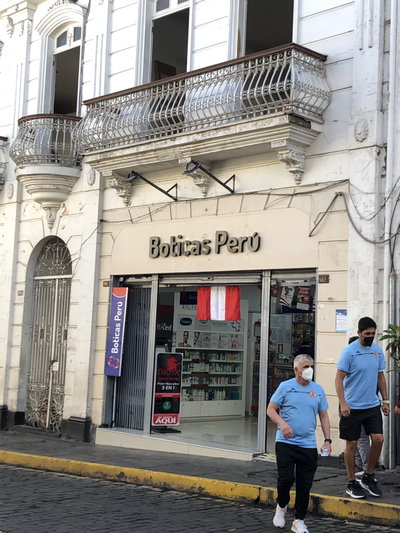
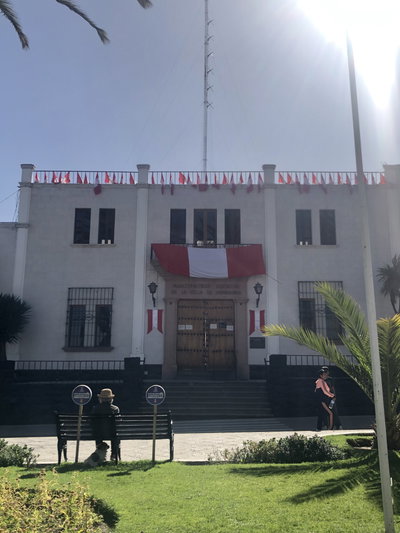
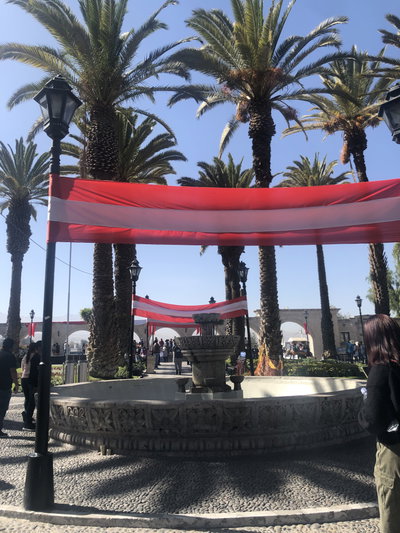
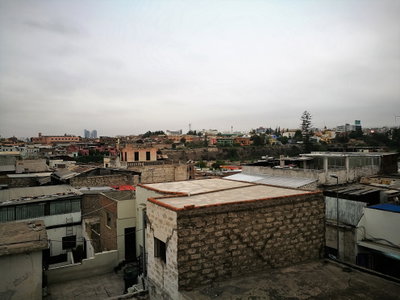
The 361 photographs of Arequipa on PlaceWas span 10 decades, from 1868 to 2025. 31 of them were taken before 1980; the other 330 are recent views of the same streets and landmarks.32 spots were photographed more than once, so you can compare the same street, square or building across the years.361 of the photos carry a written caption explaining what is in the frame. Every picture is pinned to the place it was taken, so the map below shows where the photographers stood.
Places in Arequipa through time
Spots photographed more than once — compare the same place across the years.
Stories from Arequipa
What contributors wrote about these photographs.