Home › Galle › Galle Sunset

Galle Sunset through time

Galle 2008–2014 35 photos of this spot

35 recent photographs taken at the same spot in Galle, spanning 2008–2014. Have an older picture of it? Add it and start this spot's timeline.

Galle Fort's clock tower and the entrance to its bastion, known as the Cavalier, are shown in this 2008 photograph. The fort was built by the Portuguese and substantially expanded by the Dutch in the 17th century, and remains one of the best-preserved colonial forts in South Asia.

See this spot on the map
Have an old photo of Galle Sunset? A family album, a postcard, a print from the attic. Pin it to the map and it becomes part of the record.
Add your photo
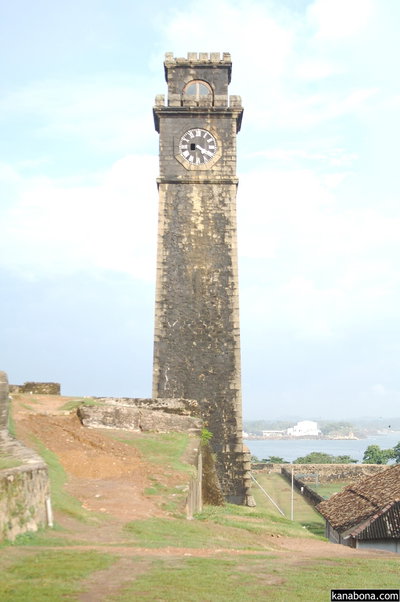
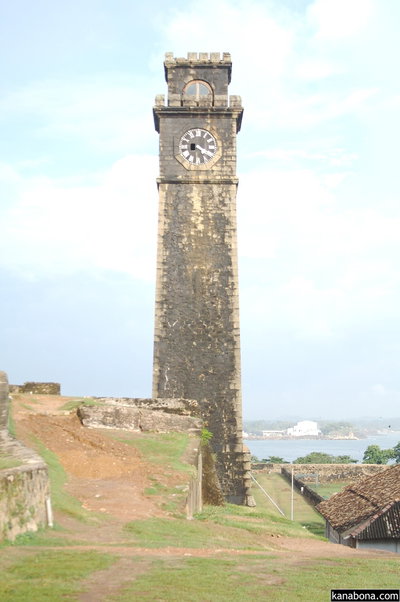
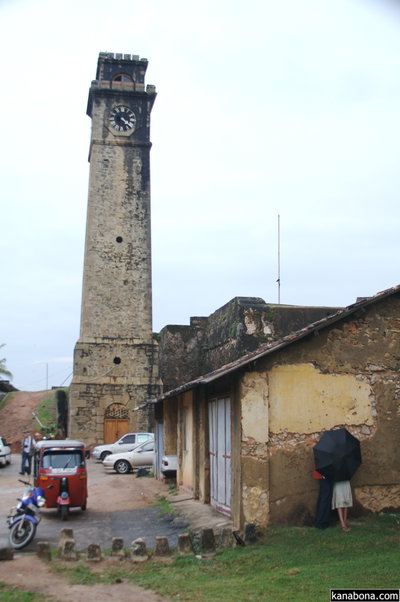
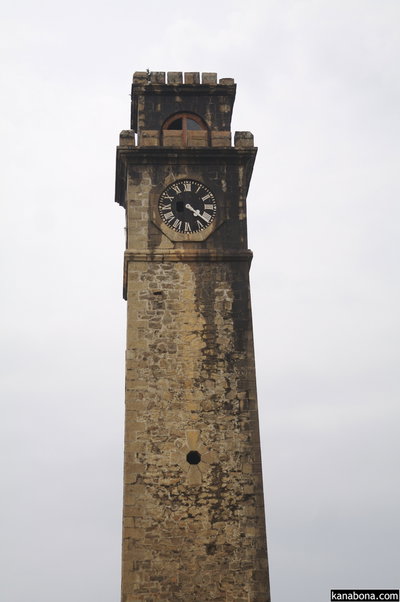
Galle Fort clock tower & the entrance to cavalier, Galle, 2008
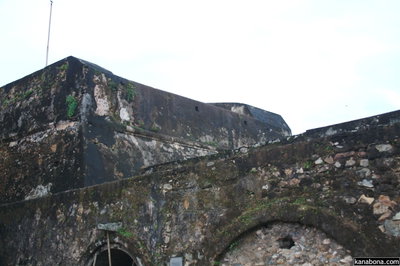
Galle Fort clock tower & the entrance to cavalier 2008 Galle Fort's clock tower and the entrance to its bastion, known as the Cavalier, are shown in this 2008 photograph. The fort was built by the Portuguese and substantially expanded by the Dutch in the 17th century, and remains one of the best-preserved colonial forts in South Asia.
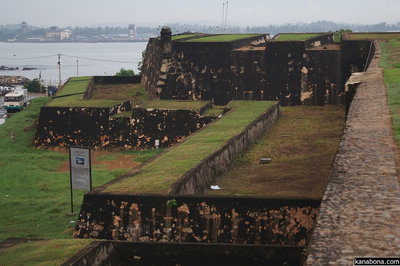
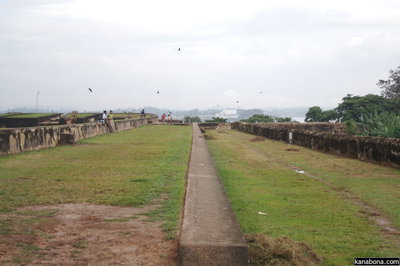
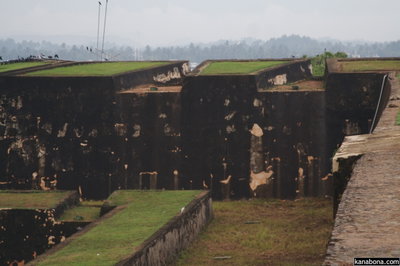
Galle Fort fort walls, Galle, 2008
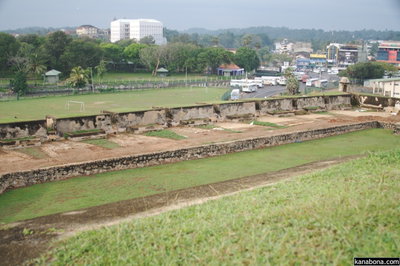
Galle Fort fort walls 2008 A section of the fortification walls of Galle Fort is shown in this 2008 photograph. The ramparts, built up by the Dutch after they took the fort from the Portuguese in 1640, still encircle the old town on Sri Lanka's southwestern coast.
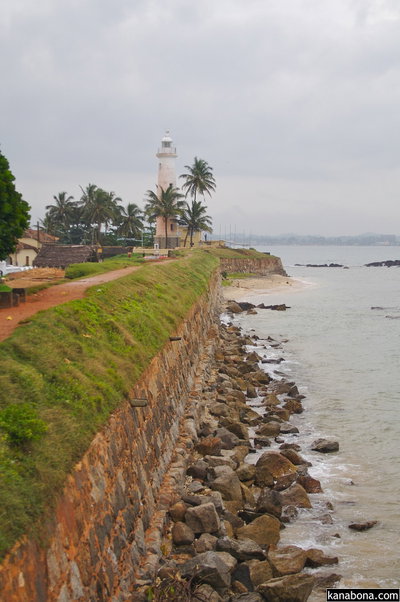
Galle Fort lighthouse, Galle, 2008
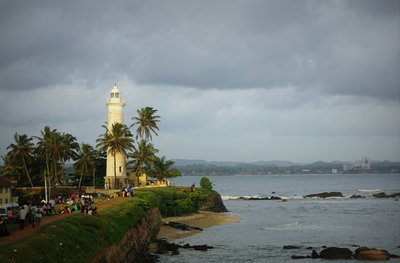
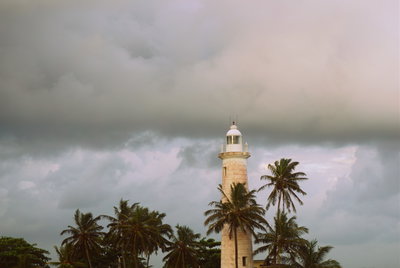
Galle Fort lighthouse 2008 The lighthouse at Galle Fort, built by the British in the late 19th century after an earlier structure was destroyed by fire, marks the fort's seaward point in this 2008 photograph.
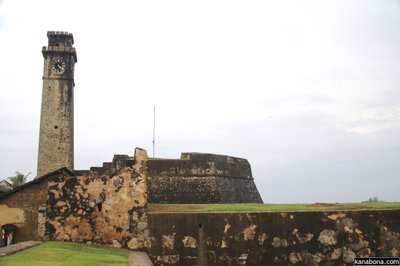
Galle Fort clock tower and the entrance to cavalier, Galle, 2008
Galle Fort clock tower and the entrance to cavalier 2008 A further 2008 photograph of Galle Fort's clock tower and the entrance to its Cavalier bastion, part of the Dutch-era fortifications that still ring the old town.
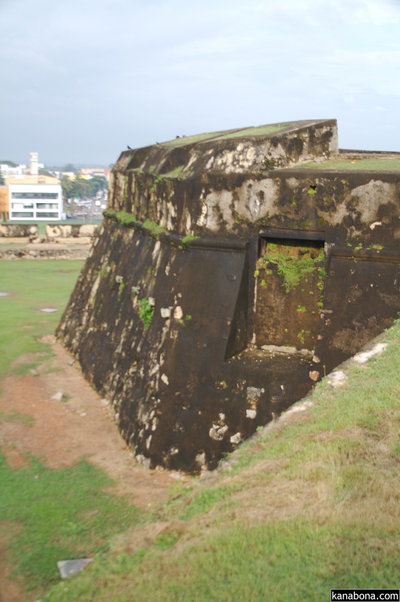
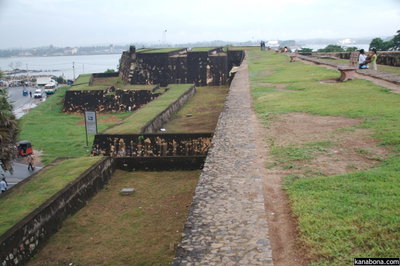
Galle Fort cavalier, Galle, 2008
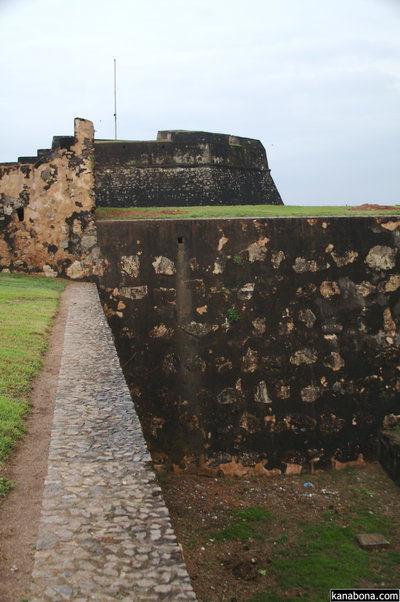
Galle Fort cavalier 2008 The Cavalier, a raised bastion within Galle Fort's Dutch-built ramparts, is shown in this 2008 photograph of the fortified old town on Sri Lanka's south coast.
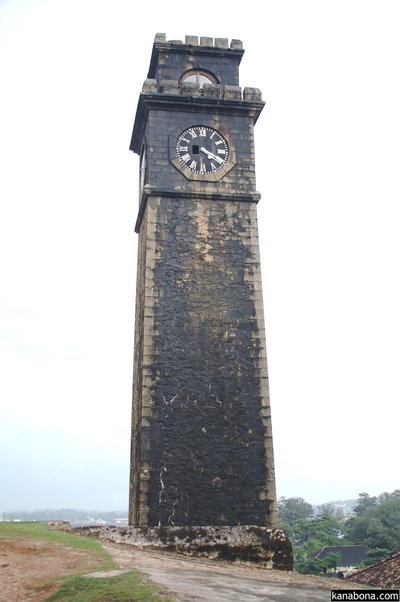
Galle Fort clock tower, Galle, 2008
Galle Fort clock tower 2008 Another 2008 photograph of the clock tower at Galle Fort, a Dutch colonial-era landmark that has stood at the entrance to the fortified old town since the 19th century.
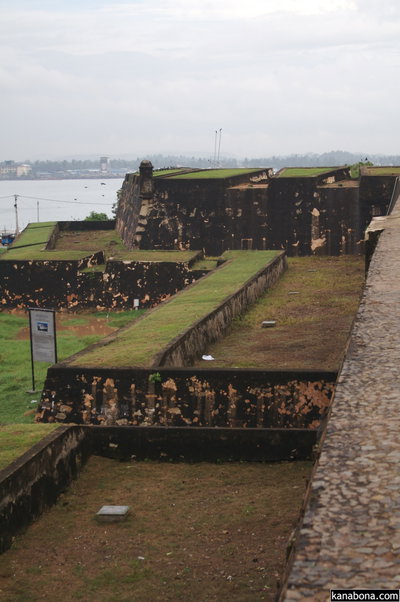
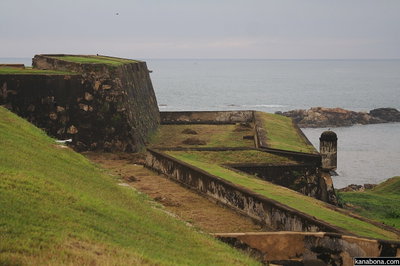
Galle Fort cavalier, Galle, 2008
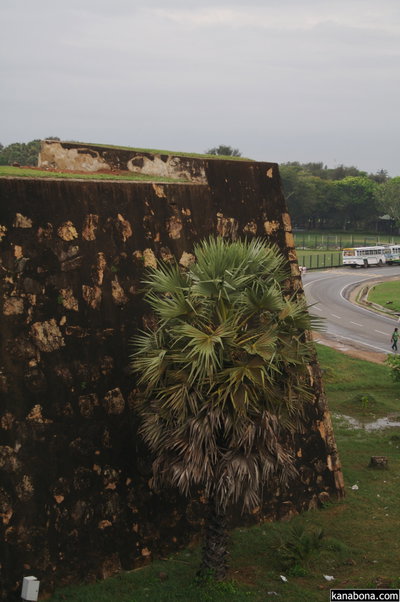
Galle Fort cavalier 2008 A bastion of Galle Fort rises along the Sri Lankan coast; the fortification was built by Dutch colonists in the seventeenth century and is now a UNESCO World Heritage Site.
Galle Fort clock tower & lovers, Galle, 2008
Galle Fort clock tower & lovers 2008 A clock tower added in the late nineteenth century marks one corner of Galle Fort, the Dutch-built fortification on Sri Lanka's southwestern coast.
Galle Fort clock tower & moon bastion, Galle, 2008
Galle Fort clock tower & moon bastion 2008 The clock tower and Moon Bastion of Galle Fort, Sri Lanka, photographed in 2008; the fortifications were begun by the Portuguese and later expanded by the Dutch in the 17th century.
Galle Fort walls of moon bastion, Galle, 2008
Galle Fort walls of moon bastion 2008 The ramparts of the Moon Bastion at Galle Fort, Sri Lanka, photographed in 2008, part of the fortified old town later listed as a UNESCO World Heritage Site.
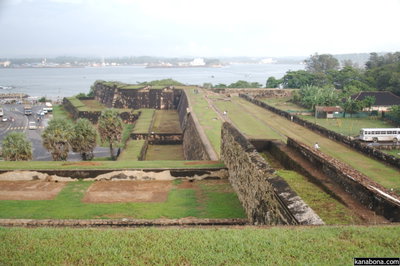
Galle Fort fort cannon positions, Galle, 2008
Galle Fort fort cannon positions 2008 Cannon positions along the ramparts of Galle Fort, the Dutch-built fortification in southern Sri Lanka and a UNESCO World Heritage Site, photographed in 2008.
Galle Fort fort walls, Galle, 2008
Galle Fort fort walls 2008 The walls of Galle Fort in Sri Lanka, built originally by the Portuguese and later expanded by the Dutch in the seventeenth century, photographed in 2008.
Galle Fort walls of moon bastion, Galle, 2008
Galle Fort walls of moon bastion 2008 The Moon Bastion, one of the ramparts of Galle Fort in Sri Lanka, part of the fort's UNESCO-listed seventeenth-century fortifications, photographed in 2008.
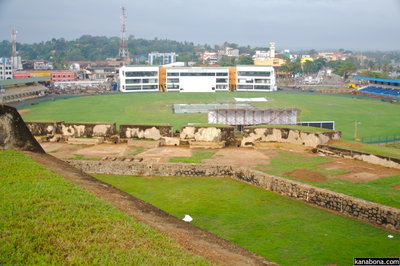
Galle Fort galle international cricket stadium viewed from moon bastion, Galle, 2008
Galle Fort galle international cricket stadium viewed from moon bastion 2008 The Galle International Cricket Stadium, viewed from the Moon Bastion of Galle Fort, Sri Lanka, photographed in 2008. The fort's Dutch-era ramparts overlook the stadium and the Indian Ocean beyond.
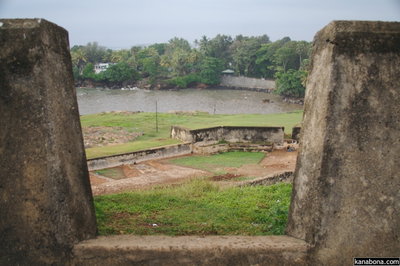
Galle Fort view from one of the moon bastion cannon ports, Galle, 2008
Galle Fort view from one of the moon bastion cannon ports 2008 Cannon ports on the Moon Bastion of Galle Fort, Sri Lanka, photographed in 2008. The fort's fortifications were expanded by the Dutch during the 17th century.
Galle Fort cavalier, Galle, 2008
Galle Fort cavalier 2008 A cavalier bastion of Galle Fort, Sri Lanka, photographed in 2008. Originally built by Portuguese colonizers and substantially fortified by the Dutch in the seventeenth century, the fort is a UNESCO World Heritage Site on Sri Lanka's southern coast.
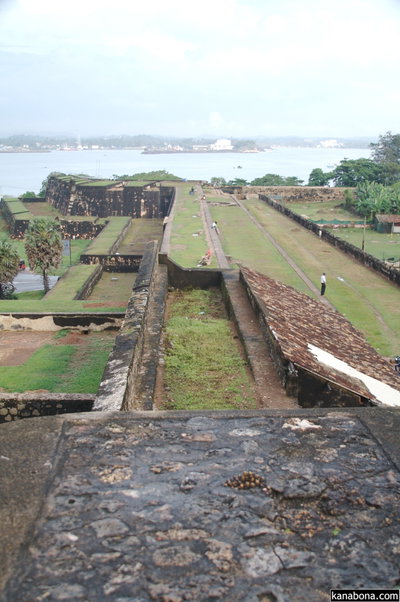
Galle Fort fort walls, Galle, 2008
Galle Fort fort walls 2008 The ramparts of Galle Fort in Sri Lanka, photographed in 2008. Originally fortified by the Portuguese and later rebuilt by the Dutch in the seventeenth century, the fort is a UNESCO World Heritage site.
Galle Fort cavalier, Galle, 2008
Galle Fort cavalier 2008 A bastion within Galle Fort in Sri Lanka, photographed in 2008. The Dutch-era fortifications encircle the old town on the island's southwestern coast and remain in use as a residential and commercial quarter.
Galle Fort i stand alone... and my time... its a few min off!!!, Galle, 2008
Galle Fort i stand alone... and my time... its a few min off!!! 2008 Galle Fort, on Sri Lanka's southern coast, was fortified first by the Portuguese and then extensively rebuilt by the Dutch in the 17th century; it is now a UNESCO World Heritage Site. This photograph was taken within the fort in 2008.
Galle Fort cavalier, Galle, 2008
Galle Fort cavalier 2008 A cavalier, or raised gun platform, at Galle Fort in Galle, Sri Lanka, photographed in 2008. The fort was originally built by the Portuguese and substantially fortified by the Dutch in the 17th century, and it survives as one of the best-preserved colonial forts in South Asia.
Galle Fort cavalier, Galle, 2008
Galle Fort cavalier 2008 The Star Bastion, or cavalier, of Galle Fort in Sri Lanka, photographed in 2008. Built by the Dutch in the seventeenth century atop earlier Portuguese fortifications, the fort overlooks the harbor of Galle.
Galle Fort cavalier, Galle, 2008
Galle Fort cavalier 2008 A bastion of Galle Fort, the fortification built by the Dutch on Sri Lanka's southwest coast during their colonial rule and later expanded by the British. Photographed in 2008.
Galle Fort cavalier, Galle, 2008
Galle Fort cavalier 2008 A cavalier bastion of Galle Fort in Sri Lanka, photographed in 2008. Originally built by the Portuguese in the 16th century and substantially fortified by the Dutch in the 17th, the fort is a UNESCO World Heritage Site.
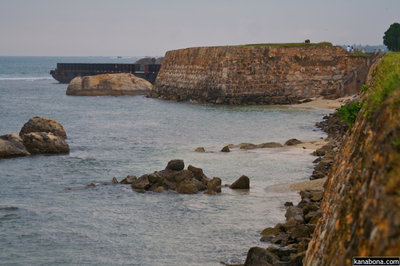
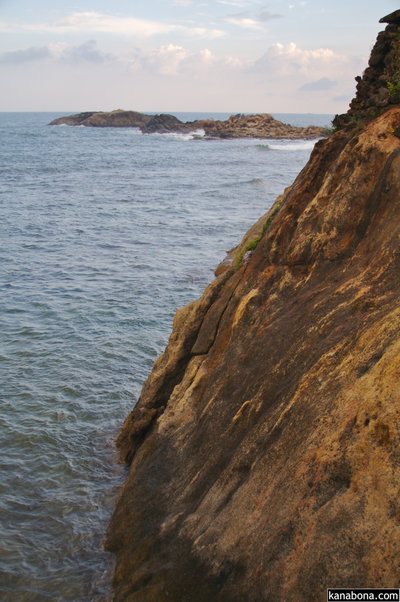
Galle Fort random rocks, Galle, 2008
Galle Fort random rocks 2008 Rocks along the coastline at Galle Fort, Sri Lanka, are pictured in this 2008 photograph. The fort, built by the Portuguese and later expanded by the Dutch in the 17th century, is a UNESCO World Heritage Site on the island's southern coast.
Galle, Sri Lanka, Galle, 2012
Galle, Sri Lanka 2012 A street within Galle, Sri Lanka, photographed in 2012. The town's fortified core, built up under Dutch colonial rule, retains much of its seventeenth-century layout.
By the lighthouse, Galle, 2014
By the lighthouse 2014 A lighthouse in Galle, Sri Lanka, photographed in 2014. The fortified old town of Galle, built up by Portuguese and later Dutch colonizers from the 16th century onward, is a UNESCO World Heritage site.
Galle Sunset, Galle, 2014
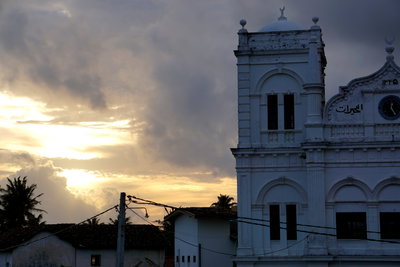
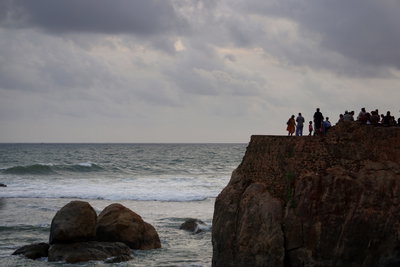
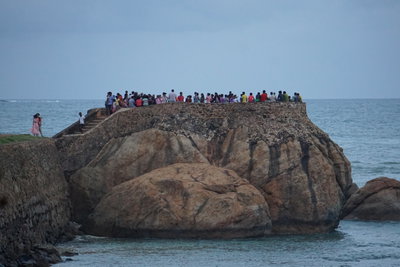
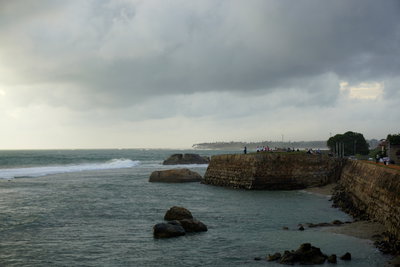
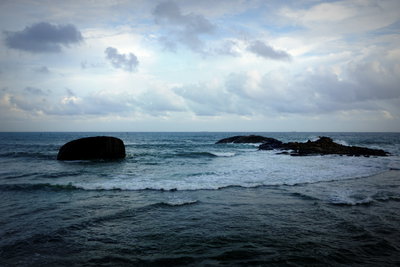
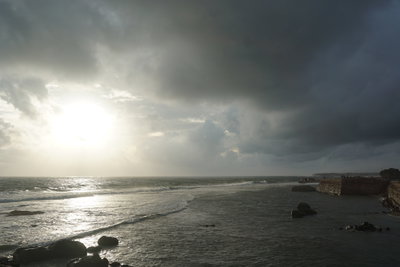
Galle Sunset 2014 Sunset light falls over the ramparts of Galle Fort on Sri Lanka's southwestern coast, a fortified town first built by the Portuguese and later expanded in stone by the Dutch during the 17th century. The fort's colonial-era walls remain a defining feature of the old town today.
Galle Sunset, Galle, 2014
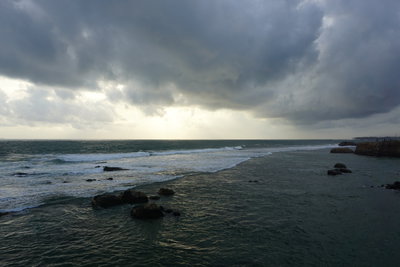
Galle Sunset 2014 This 2014 photograph captures the coastline at Galle, Sri Lanka, a port city whose fortified old town was shaped successively by Portuguese and Dutch colonial rule before passing to the British in 1796.
Light my house, Galle, 2014
Light my house 2014 A residential scene from Galle, on Sri Lanka's southern coast, photographed in 2014. The city grew up around a natural harbor later fortified during the Portuguese and Dutch colonial periods.
Galle Sunset, Galle, 2014
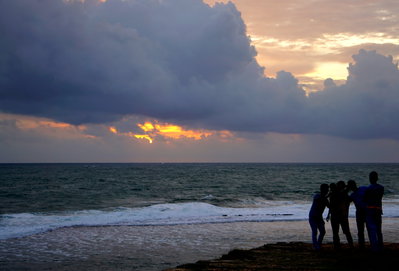
Galle Sunset 2014 A sunset view over Galle, Sri Lanka, photographed in 2014. Galle's fortified old town, built by Dutch colonists in the 17th century, is a UNESCO World Heritage Site.
Galle Sunset, Galle, 2014
Galle Sunset 2014 Another sunset photograph taken at Galle, Sri Lanka in 2014, overlooking the historic Dutch-built fort.
Galle Sunset, Galle, 2014
Galle Sunset 2014 A further sunset photograph of Galle, Sri Lanka, from 2014, near the town's historic Dutch fort.
Galle Sunset, Galle, 2014
Galle Sunset 2014 Sunset over the coastline at Galle, in southern Sri Lanka, photographed in 2014; the town is best known for the fortified old quarter the Dutch and Portuguese built along this shore in the 17th and 18th centuries.
Gallestones, Galle, 2014
Gallestones 2014 The fortified walls of Galle, built by Portuguese and later Dutch colonizers along Sri Lanka's southwestern coast, enclose the old town seen in this 2014 photograph.
Galle Sunset, Galle, 2014
Galle Sunset 2014 Sunset falls over Galle, Sri Lanka in this 2014 photograph, likely taken from the ramparts of Galle Fort, the Dutch-built fortification that forms the city's UNESCO-listed old town.