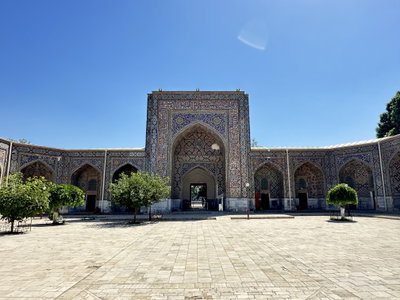
Home › Samarkand › Bibi Honim

Bibi Honim through time

Samarkand 1868–2025 107 photos of this spot

107 photographs taken at the same spot in Samarkand, spanning 1868–2025 — 69 of them from before 1980. Line them up and watch the place change.

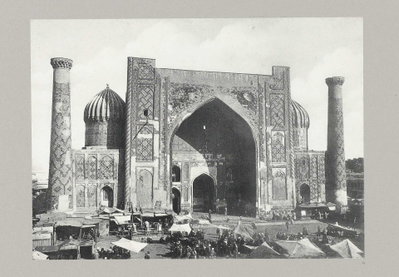
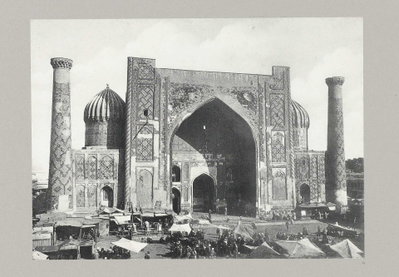
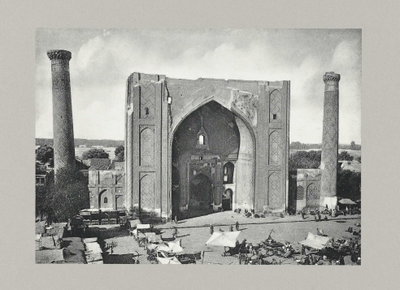
Vendors and market stalls fill the Registan square in Samarkand in this 1868 photograph, a marketplace situated between the city's three historic madrasahs along the old Silk Road trading routes.

See this spot on the map
Have an old photo of Bibi Honim? A family album, a postcard, a print from the attic. Pin it to the map and it becomes part of the record.
Add your photo
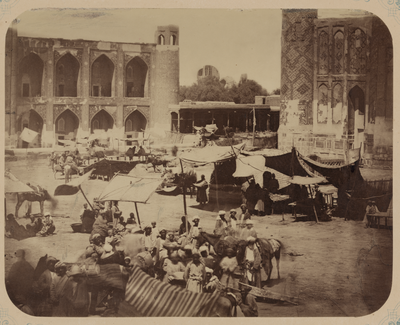
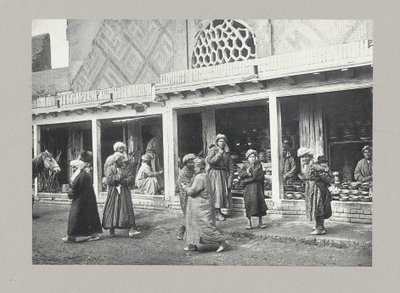
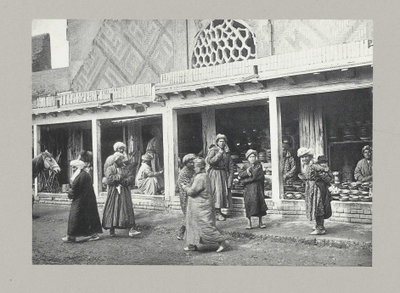
Samarkand Bazaar and Its Types of Vendors. Market Square between Three Madrasahs (Registan), Samarkand, 1868
Samarkand Bazaar and Its Types of Vendors. Market Square between Three Madrasahs (Registan) 1868 Vendors and market stalls fill the Registan square in Samarkand in this 1868 photograph, a marketplace situated between the city's three historic madrasahs along the old Silk Road trading routes.
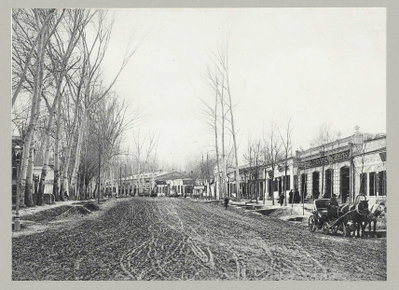
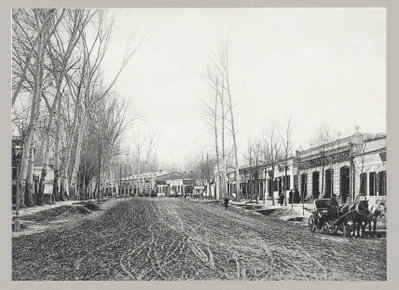
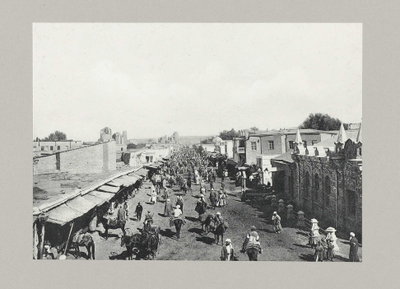
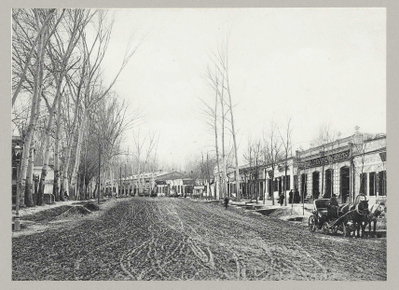
EU: Straat in de Russische wijk te Samarkand (1895), Samarkand, 1895
EU: Straat in de Russische wijk te Samarkand (1895) 1895 A street in the Russian quarter of Samarkand, photographed in 1895 not long after the city became part of the Russian Empire's Turkestan governorate.
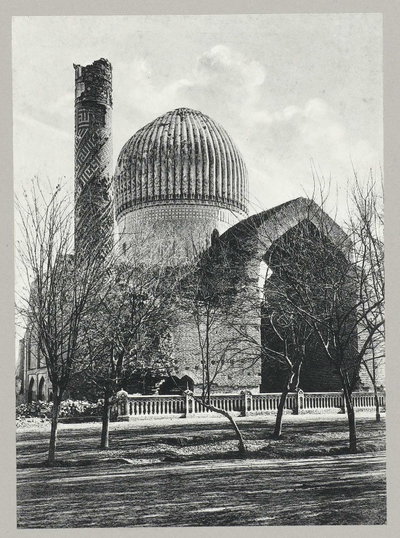
EU: Mausoleum van Timur te Samarkand 2 (1895), Samarkand, 1895
EU: Mausoleum van Timur te Samarkand 2 (1895) 1895 The mausoleum of Timur, known as the Gur-e-Amir, in Samarkand, photographed in 1895. Built in the early 15th century, it became a model for later Timurid and Mughal tomb architecture.
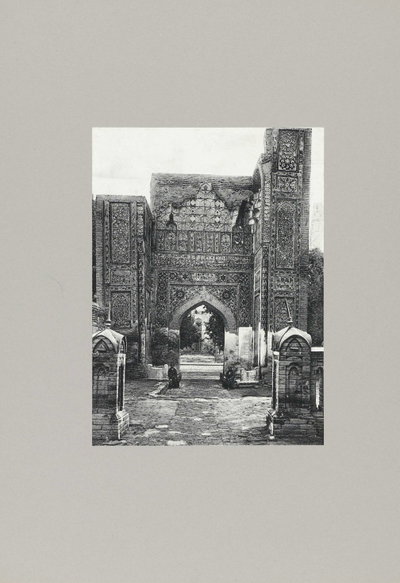
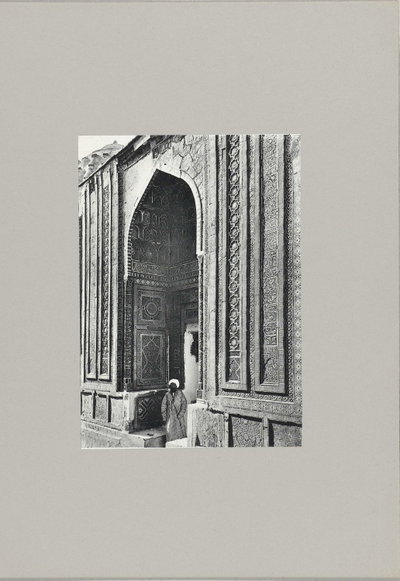
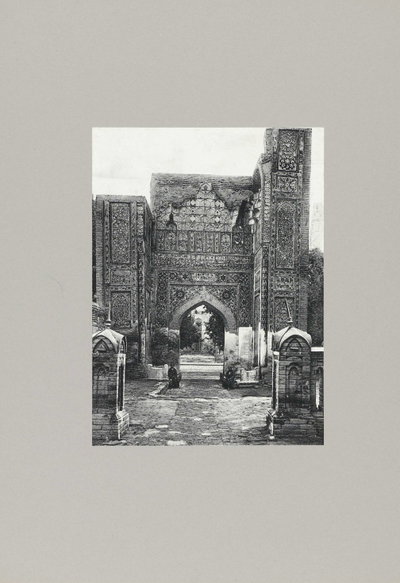
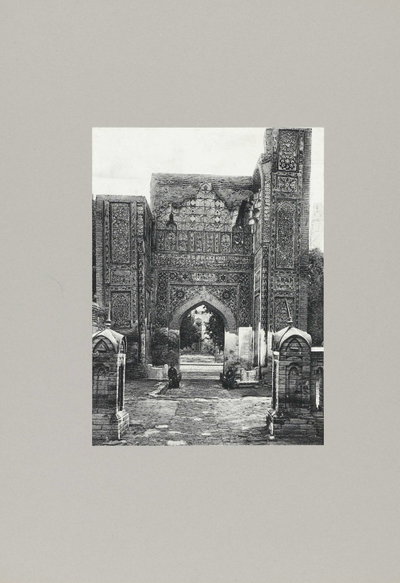
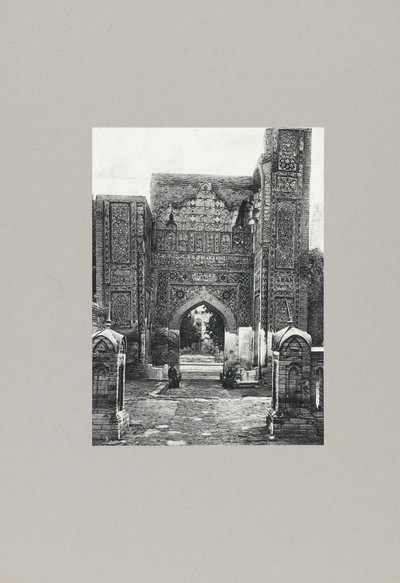
EU: Ingang naar Moskee te Samarkand (1895), Samarkand, 1895
EU: Ingang naar Moskee te Samarkand (1895) 1895 The entrance to a mosque in Samarkand, photographed in 1895, decades after the city's Timurid-era monuments came under Russian imperial administration.
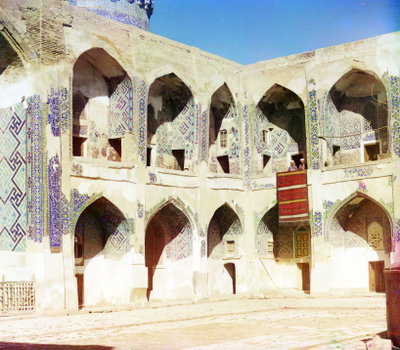
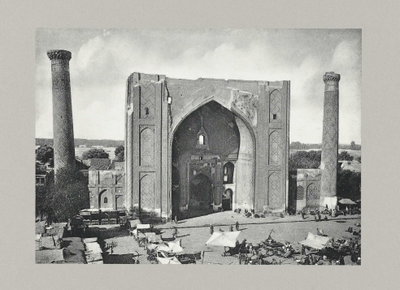
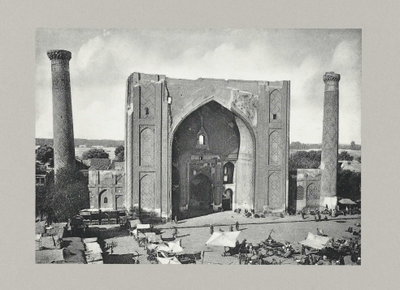
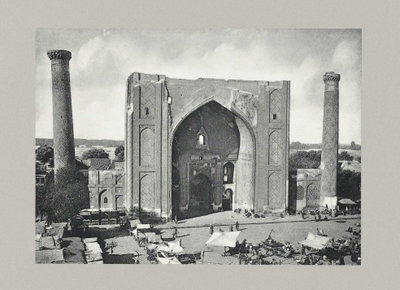
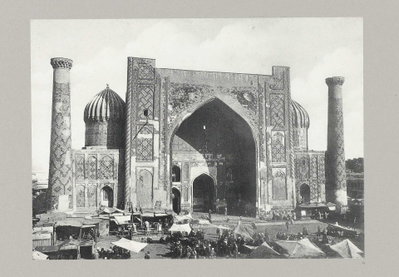
EU: Moskee op de marktplaats te Samarkand (1895), Samarkand, 1895
EU: Moskee op de marktplaats te Samarkand (1895) 1895 A mosque on the marketplace in Samarkand, photographed in 1895. The Registan and its surrounding market square were long the commercial and religious heart of the city.
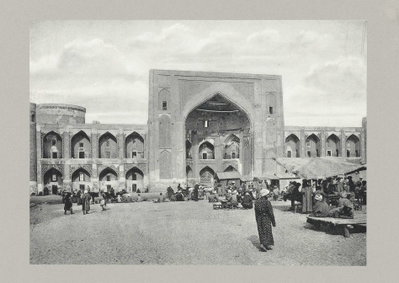
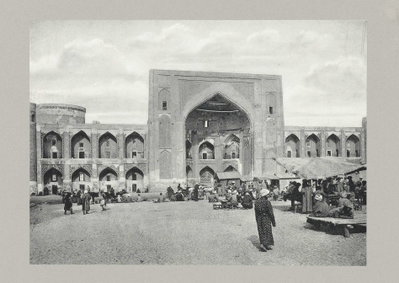
EU: Moskee met cellen voor studenten op de Marktplaats te Samarkand (1895), Samarkand, 1895
EU: Moskee met cellen voor studenten op de Marktplaats te Samarkand (1895) 1895 A madrasa in Samarkand with cells for students, photographed in 1895. Such religious colleges, built around courtyards near the Registan, trained generations of Islamic scholars in the city.
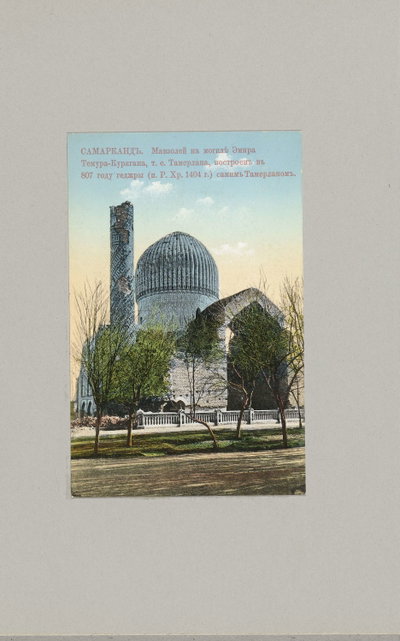
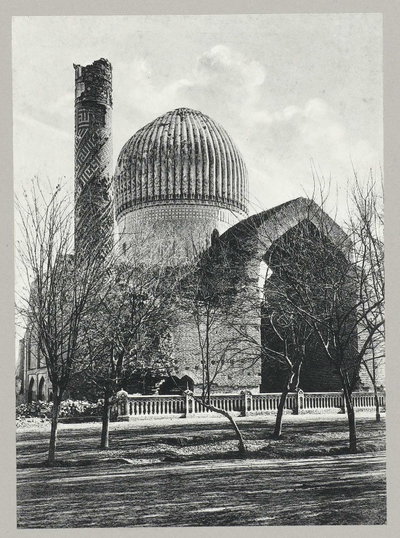
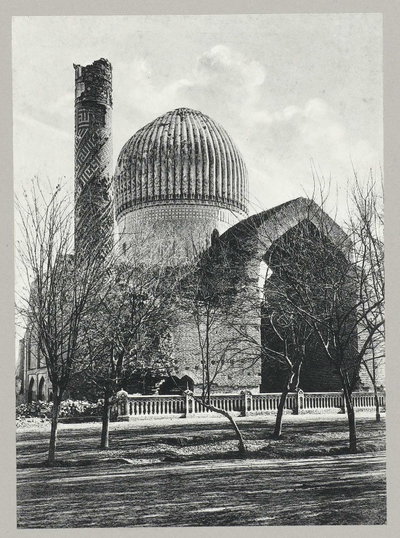
EU: Mausoleum van Timur te Samarkand (1900), Samarkand, 1900
EU: Mausoleum van Timur te Samarkand (1900) 1900 The mausoleum of Timur, known as Gur-e-Amir, stands at the center of this 1900 photograph from Samarkand, burial place of the 14th-century conqueror and ruler.
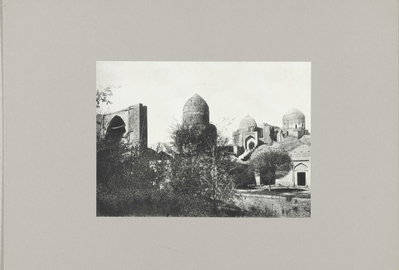
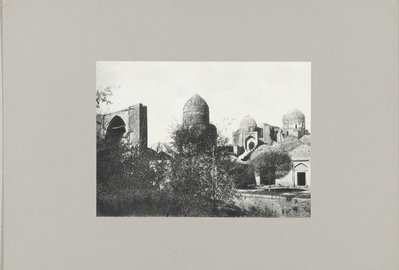
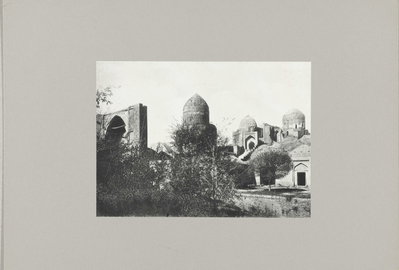
EU: Groep van mausoleums te Samarkand (1900), Samarkand, 1900
EU: Groep van mausoleums te Samarkand (1900) 1900 A cluster of tiled mausoleums in Samarkand appears in this 1900 image, part of the necropolis built around the tombs of the city's rulers and holy figures.
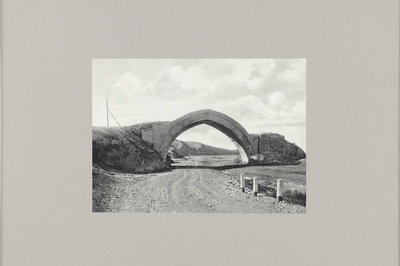
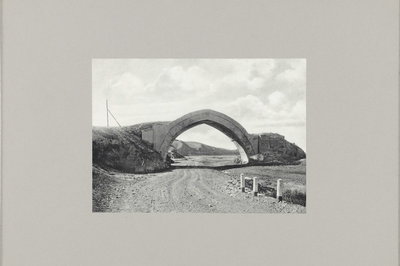
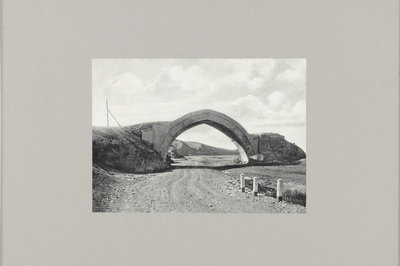
EU: Brug van Tamerlan buiten Samarkand (1900), Samarkand, 1900
EU: Brug van Tamerlan buiten Samarkand (1900) 1900 This 1900 photograph shows a bridge attributed to Tamerlane on the outskirts of Samarkand, once capital of the Timurid Empire.
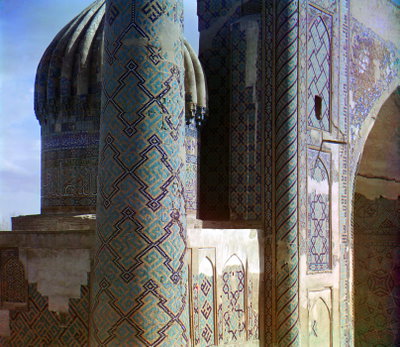
EU: Ingang van moskee te Samarkand (1900), Samarkand, 1900
EU: Ingang van moskee te Samarkand (1900) 1900 The entrance to a mosque in Samarkand is pictured here in 1900, a city long renowned for its Islamic architecture along the historic Silk Road.
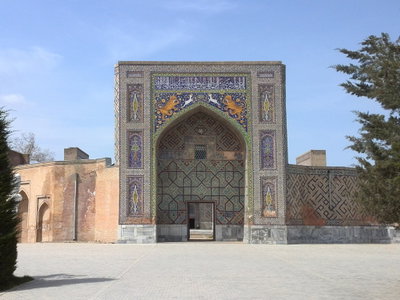
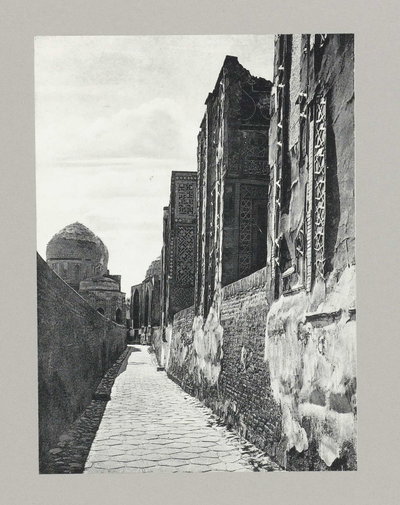
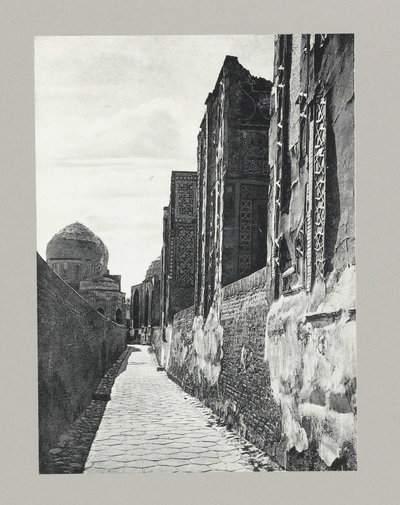
EU: Pad langs groep mausoleums te Samarkand (1900), Samarkand, 1900
EU: Pad langs groep mausoleums te Samarkand (1900) 1900 A path winds past a row of mausoleums in this 1900 photograph of Samarkand, one of many funerary monuments built in the city during the Timurid era.
EU: Straat in de Russische wijk te Samarkand (1900), Samarkand, 1900
EU: Straat in de Russische wijk te Samarkand (1900) 1900 Photographed in 1900, this street runs through the Russian quarter of Samarkand, built up after the Russian Empire annexed the city in 1868.
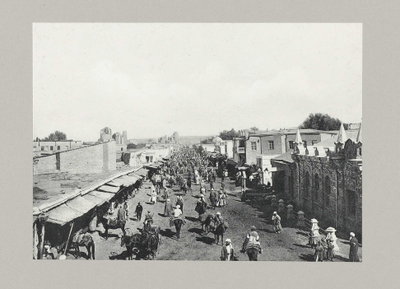
EU: Hoofdstraat van de Inlandse (?) wijk te Samarkand (1900), Samarkand, 1900
EU: Hoofdstraat van de Inlandse (?) wijk te Samarkand (1900) 1900 This 1900 image captures the main street of Samarkand's old town, then referred to as the native quarter under Russian colonial administration.
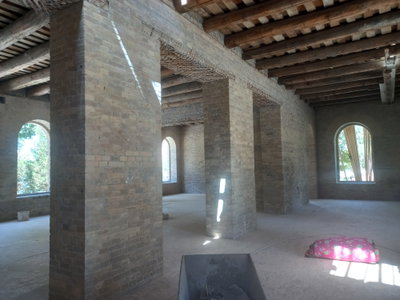
EU: Moskee met scheve minaretten op de marktplaats te Samarkand (1900), Samarkand, 1900
EU: Moskee met scheve minaretten op de marktplaats te Samarkand (1900) 1900 A mosque with visibly tilted minarets overlooks the marketplace in this 1900 photograph of Samarkand, a landmark noted by early travelers for its precarious lean.
EU: Mausoleum van Timur te Samarkand I, Samarkand, 1900
EU: Mausoleum van Timur te Samarkand I 1900 This 1900 photograph shows the mausoleum of Timur, also known as Tamerlane, in Samarkand, the Central Asian city that served as capital of his fourteenth-century empire.
EU: Groep van mausoleums te Samarkand, Samarkand, 1900
EU: Groep van mausoleums te Samarkand 1900 A cluster of mausoleums in Samarkand, part of the city's historic necropolis complexes, is pictured in this 1900 photograph.
EU: Brug van Tamerlan buiten Samarkand, Samarkand, 1900
EU: Brug van Tamerlan buiten Samarkand 1900 This 1900 photograph shows a bridge outside Samarkand traditionally associated with Tamerlane, the fourteenth-century conqueror who made the city his capital.
EU: Ingang naar Moskee te Samarkand, Samarkand, 1900
EU: Ingang naar Moskee te Samarkand 1900 The entrance to a mosque in Samarkand appears in this 1900 photograph of the ancient Central Asian city, once a major stop on the Silk Road trade routes.
EU: Moskee op de marktplaats te Samarkand, Samarkand, 1900
EU: Moskee op de marktplaats te Samarkand 1900 This 1900 photograph shows a mosque standing at Samarkand's marketplace, in the heart of the old Central Asian city.
EU: Straat in de Russische wijk te Samarkand I, Samarkand, 1900
EU: Straat in de Russische wijk te Samarkand I 1900 A street in the Russian quarter of Samarkand, built up after the Russian Empire annexed the city in 1868, is shown in this 1900 photograph.
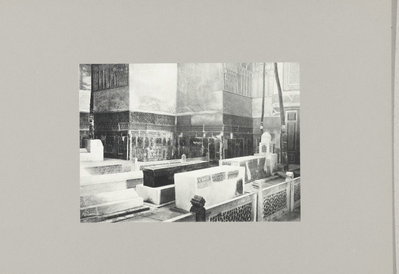
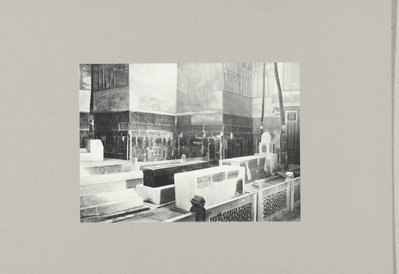
EU: Ruimte in het mausoleum van Timur te Samarkand, Samarkand, 1900
EU: Ruimte in het mausoleum van Timur te Samarkand 1900 This 1900 photograph shows the interior of Timur's mausoleum in Samarkand, the burial place of the Central Asian conqueror also known as Tamerlane.
EU: Moskee met scheve minaretten op de marktplaats te Samarkand I, Samarkand, 1900
EU: Moskee met scheve minaretten op de marktplaats te Samarkand I 1900 This 1900 photograph shows a mosque at Samarkand's marketplace, its minarets visibly leaning after centuries of standing in the city.
EU: Pad langs groep mausoleums te Samarkand, Samarkand, 1900
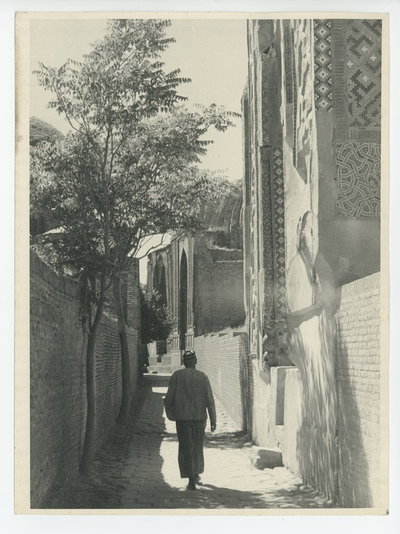
EU: Pad langs groep mausoleums te Samarkand 1900 A path leads past a row of mausoleums in Samarkand in this 1900 photograph, part of the city's cluster of historic funerary monuments.
EU: Ingang naar Moskee te Samarkand (1900), Samarkand, 1900
EU: Ingang naar Moskee te Samarkand (1900) 1900 An entrance to a mosque in Samarkand appears in this 1900 photograph, taken in the Central Asian city long celebrated for its Islamic architecture along the historic Silk Road, where domed gateways such as this marked the approach to places of worship and study.
EU: Moskee op de marktplaats te Samarkand (1900), Samarkand, 1900
EU: Moskee op de marktplaats te Samarkand (1900) 1900 A mosque overlooks a marketplace in Samarkand in this 1900 image. Markets and monumental religious buildings stood side by side in the old city, a center of trade and learning since the era of Timur, whose fourteenth-century empire made Samarkand one of Central Asia's great cities.
EU: Hoofdstraat van de Inlandse wijk te Samarkand (1900), Samarkand, 1900
EU: Hoofdstraat van de Inlandse wijk te Samarkand (1900) 1900 This 1900 photograph shows the main street running through the native quarter of Samarkand, then part of Russian Turkestan, lined with the shops and dwellings of the old city that had grown up around its historic mosques and madrasas.
EU: Ruimte in het mausoleum van Timur te Samarkand (1900), Samarkand, 1900
EU: Ruimte in het mausoleum van Timur te Samarkand (1900) 1900 The interior chamber of Timur's mausoleum in Samarkand is captured in this 1900 photograph. Known as the Gur-e-Amir, the tomb holds the remains of the fourteenth-century conqueror and several of his descendants, and its richly decorated interior was already a noted attraction for travelers by 1900.
EU: Moskee met cellen voor studenten op de Marktplaats te Samarkand (1900), Samarkand, 1900
EU: Moskee met cellen voor studenten op de Marktplaats te Samarkand (1900) 1900 A madrasa on Samarkand's market square, its cells built to house students, appears in this 1900 photograph of the Central Asian city's historic quarter, where religious colleges of this kind trained generations of scholars under Timurid and later rule.
EU: Mausoleum van Timur te Samarkand (1905), Samarkand, 1905
EU: Mausoleum van Timur te Samarkand (1905) 1905 Photographed in 1905, this image shows the mausoleum of Timur (Tamerlane) in Samarkand, one of the most significant monuments of Central Asian Islamic architecture.
EU: Ingang naar Moskee te Samarkand (1905), Samarkand, 1905
EU: Ingang naar Moskee te Samarkand (1905) 1905 This 1905 view captures the entrance to a mosque in Samarkand, a city renowned for its Timurid-era religious architecture along the historic Silk Road.
EU: Groep van mausoleums te Samarkand (1905), Samarkand, 1905
EU: Groep van mausoleums te Samarkand (1905) 1905 Samarkand, one of Central Asia's oldest cities and a major stop on the Silk Road, preserves numerous mausoleum complexes from its Timurid golden age. This 1905 photograph documents a group of such tombs.
EU: Brug van Tamerlan buiten Samarkand (1905), Samarkand, 1905
EU: Brug van Tamerlan buiten Samarkand (1905) 1905 A bridge outside Samarkand traditionally associated with the name of Tamerlane, the fourteenth-century conqueror who made the city his capital, is recorded in this 1905 photograph.
EU: Moskee op de marktplaats te Samarkand (1905), Samarkand, 1905
EU: Moskee op de marktplaats te Samarkand (1905) 1905 A mosque standing at Samarkand's marketplace is pictured in 1905, when the city's historic bazaars remained the commercial heart of its old town.
EU: Straat in de Russische wijk te Samarkand (1905), Samarkand, 1905
EU: Straat in de Russische wijk te Samarkand (1905) 1905 This 1905 photograph shows a street in the Russian quarter of Samarkand, the newer district built by imperial administrators alongside the city's much older Timurid core.
EU: Hoofdstraat van de Inlandse (?) wijk te Samarkand (1905), Samarkand, 1905
EU: Hoofdstraat van de Inlandse (?) wijk te Samarkand (1905) 1905 The main street of Samarkand's older quarter is captured in this 1905 photograph, contrasting with the planned Russian district built elsewhere in the city under imperial rule.
EU: Moskee met scheve minaretten op de marktplaats te Samarkand (1905), Samarkand, 1905
EU: Moskee met scheve minaretten op de marktplaats te Samarkand (1905) 1905 A mosque with visibly leaning minarets stands at Samarkand's marketplace in this 1905 photograph, a reminder of the structural settling that has affected several of the city's centuries-old monuments.
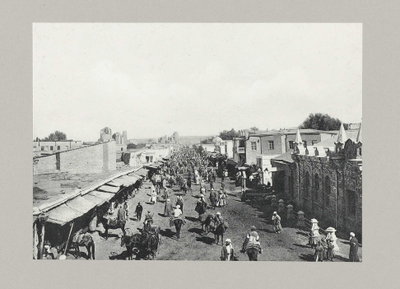
EU: Straat met mensen in Samarkand (1905), Samarkand, 1905
EU: Straat met mensen in Samarkand (1905) 1905 A street filled with people in Samarkand, Uzbekistan, is shown in this 1905 photograph, capturing daily life in the historic Silk Road city.
Gorskii, Samarkand, 1910
Gorskii 1910 A 1910 photograph of Samarkand, Uzbekistan, by Sergei Prokudin-Gorskii, the Russian photographer known for his early color images documenting the Russian Empire.
Gorskii, Samarkand, 1910
Gorskii 1910 Another of Prokudin-Gorskii's 1910 images of Samarkand, part of his extensive photographic survey of the cities of the Russian Empire using an early color process.
Gorskii, Samarkand, 1911
Gorskii 1911 A 1911 photograph of Samarkand by Sergei Prokudin-Gorskii, taken during his documentation of the cities of the Russian Empire with an early color process.
Mihrab in 1960, Samarkand, 1960
Mihrab in 1960 1960 Samarkand, Uzbekistan, seen in 1960, when the ancient Silk Road city was part of the Soviet Union and a stop for early group travel through Central Asia.
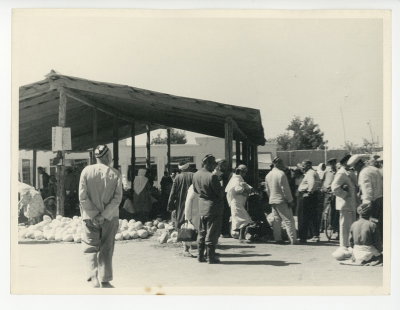
EU: Samarkand 1960, turg (1960), Samarkand, 1960
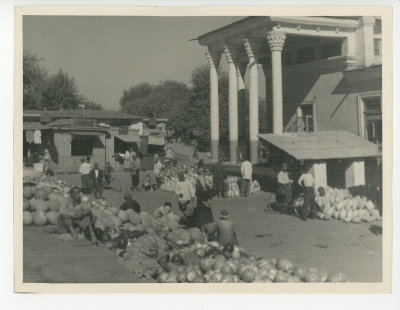
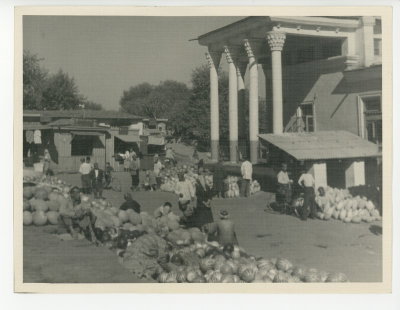
EU: Samarkand 1960, turg (1960) 1960 Vendors and shoppers at a market in Samarkand in 1960, capturing everyday commerce in the Silk Road city under Soviet administration.
EU: Samarkand Market, 1960 (1960), Samarkand, 1960
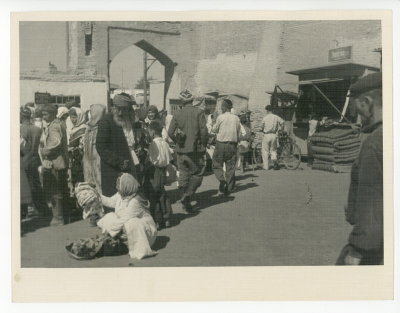
EU: Samarkand Market, 1960 (1960) 1960 A second 1960 view of Samarkand's market district, with stalls and traders typical of the city's long history as a Central Asian trading hub.
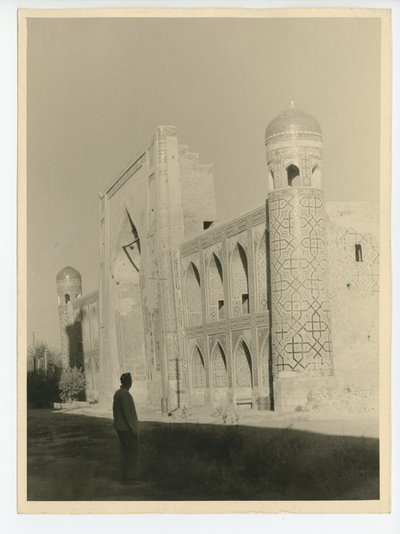
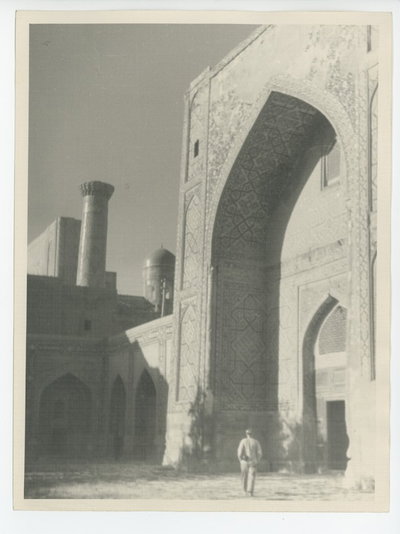
EU: Medres Samarkandis, 1960 (1960), Samarkand, 1960
EU: Medres Samarkandis, 1960 (1960) 1960 A madrasah in Samarkand photographed in 1960; the city's Islamic religious schools date largely from the Timurid era of the 14th and 15th centuries.
EU: Kalmistu Samarkandis, 1960 (1960), Samarkand, 1960
EU: Kalmistu Samarkandis, 1960 (1960) 1960 A cemetery in Samarkand recorded in 1960, part of the historic burial grounds that surround several of the city's medieval shrines and mausoleums.
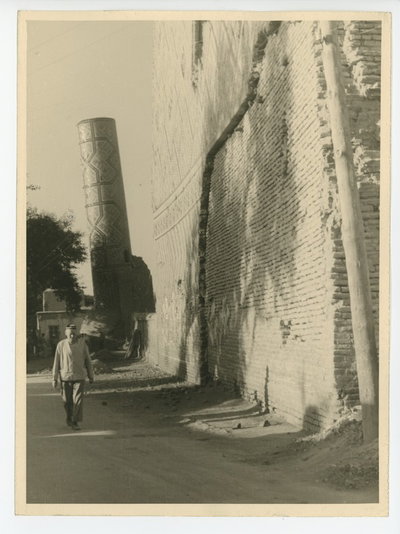
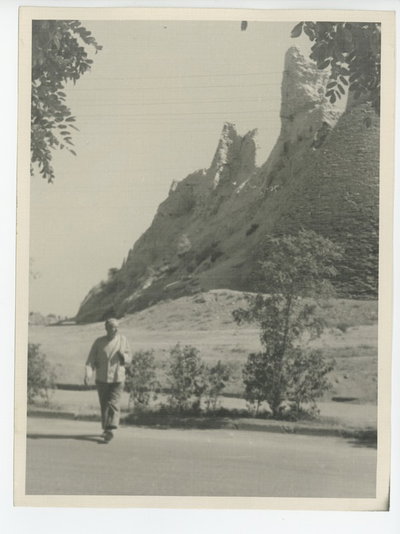
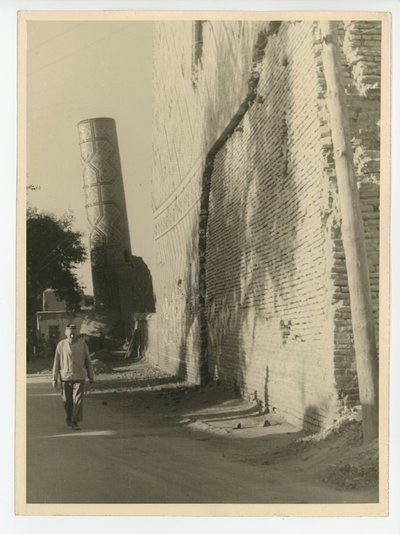
EU: Längus torn Samarkandis, 1960 (1960), Samarkand, 1960
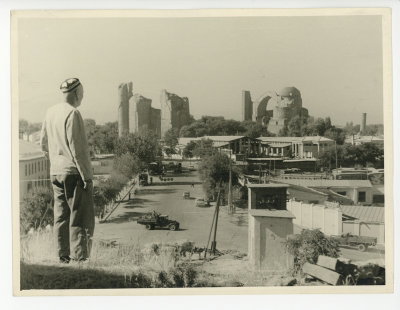
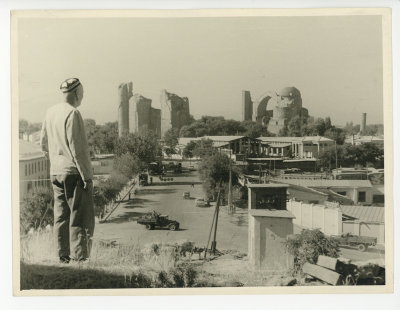
EU: Längus torn Samarkandis, 1960 (1960) 1960 A leaning tower in Samarkand in 1960, one of several aging pre-Soviet structures in the old city that were later stabilized and restored as heritage sites.
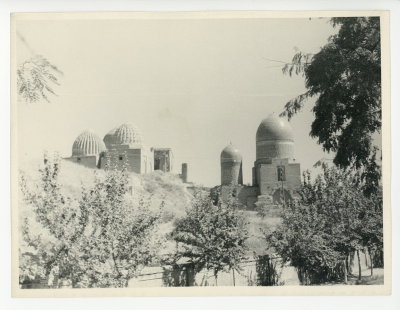
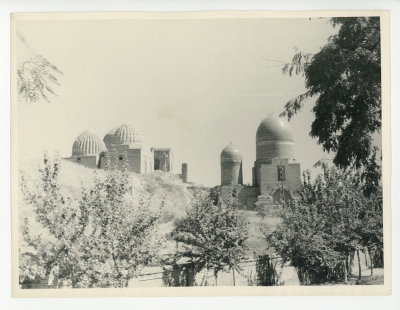
EU: Samarkand 1960, Mausoleum group of the XIV-XV century, ensemble Shahi-Zinda (1960), Samarkand, 1960
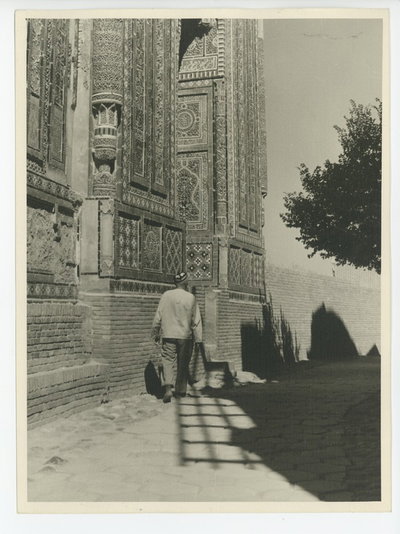
EU: Samarkand 1960, Mausoleum group of the XIV-XV century, ensemble Shahi-Zinda (1960) 1960 The Shah-i-Zinda necropolis in Samarkand, an ensemble of mausoleums built mainly in the 14th and 15th centuries, photographed by visitors in 1960.
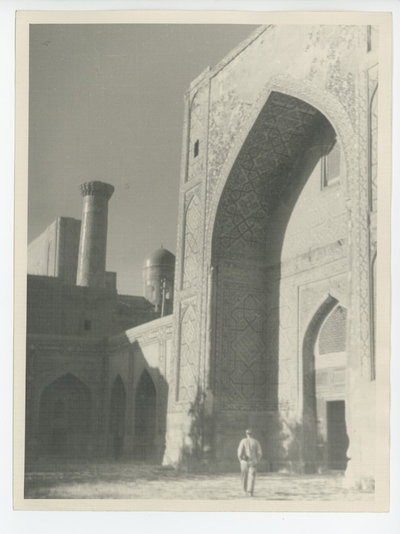
EU: Ulugbeki medresi õuel Samarkandis, 1960 (1960), Samarkand, 1960
EU: Ulugbeki medresi õuel Samarkandis, 1960 (1960) 1960 Visitors in the courtyard of the Ulugh Beg Madrasah in Samarkand in 1960; built in the 1420s by the Timurid astronomer-prince, it forms part of the Registan ensemble.
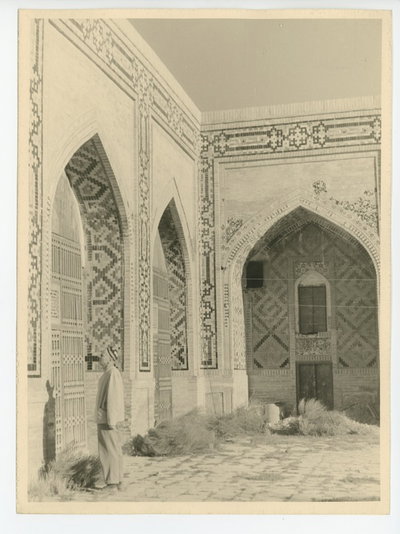
EU: At the yard of Medres, Samarkand, 1960 (1960), Samarkand, 1960
EU: At the yard of Medres, Samarkand, 1960 (1960) 1960 Travelers pause in the courtyard of a Samarkand madrasah in 1960, during a group tour of the city's Timurid-era religious complexes, which date largely from the 14th and 15th centuries.
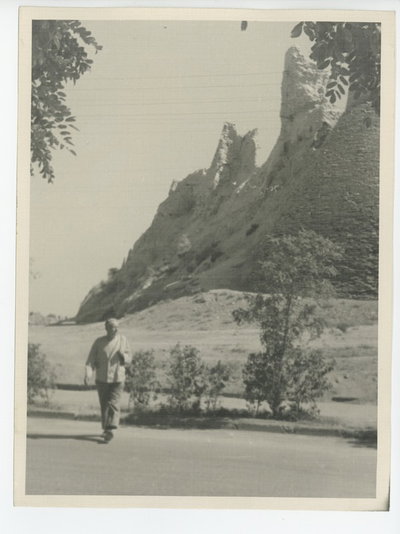
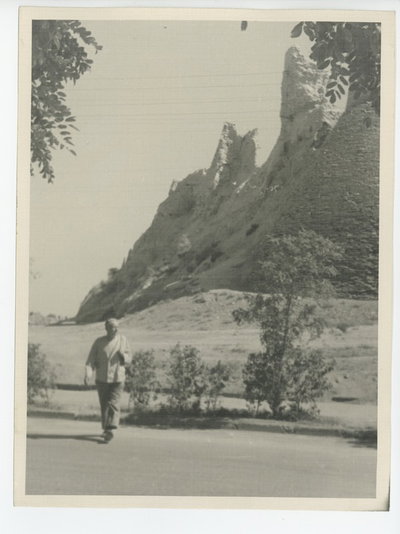
EU: Vanad kindluse müürid Samarkandis, 1960 (1960), Samarkand, 1960
EU: Vanad kindluse müürid Samarkandis, 1960 (1960) 1960 Remnants of old fortress walls in Samarkand, photographed in 1960, tracing the outline of the city's pre-Soviet defensive architecture.
EU: Samarkand 1960, market (1960), Samarkand, 1960
EU: Samarkand 1960, market (1960) 1960 A market in Samarkand, photographed in 1960. One of Central Asia's oldest cities, Samarkand was a major hub along the Silk Road and remained an important trading center for Uzbekistan into the twentieth century.
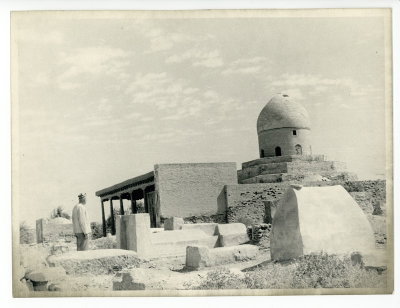
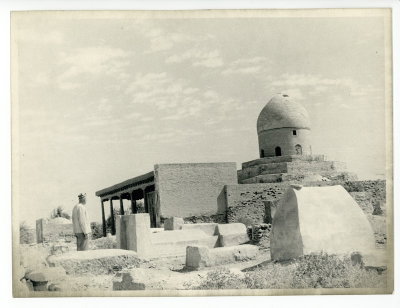
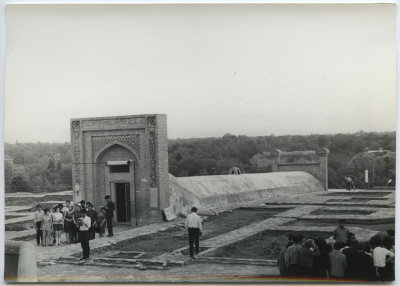
EU: Juttu mausoleumi valvuriga Samarkandis, 1960 (1960), Samarkand, 1960
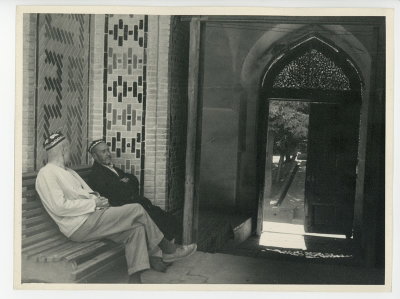
EU: Juttu mausoleumi valvuriga Samarkandis, 1960 (1960) 1960 A caretaker stands beside a mausoleum in Samarkand in this 1960 photograph. The city's historic necropolises, developed over centuries under various Central Asian dynasties, remain among Samarkand's best-known landmarks.
EU: donkey in Samarkand, 1960 (1960), Samarkand, 1960
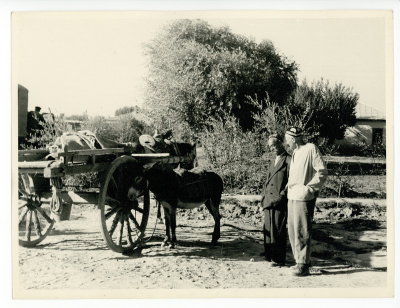
EU: donkey in Samarkand, 1960 (1960) 1960 A donkey stands in a street in Samarkand in 1960. Pack animals remained common in the Uzbek city well into the Soviet period, moving goods through the old quarters that surround Samarkand's Timurid-era monuments.
EU: wall decoration in Samarkand, 1960 (1960), Samarkand, 1960
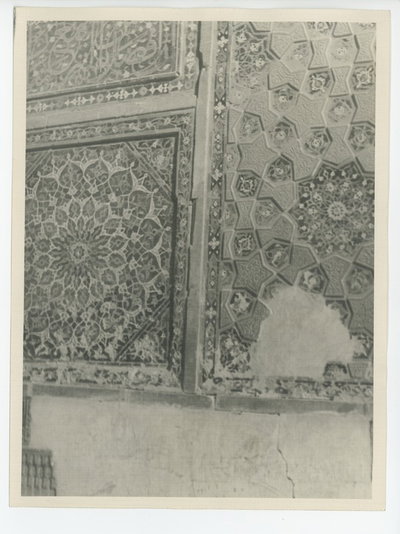
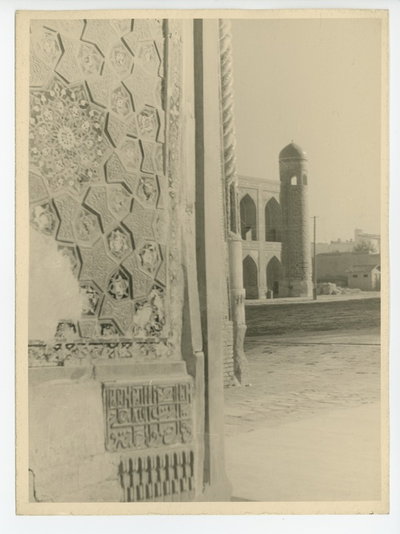
EU: wall decoration in Samarkand, 1960 (1960) 1960 Detail of wall decoration on a building in Samarkand, photographed in 1960. Samarkand's historic quarter is known for its tiled facades, a craft tradition dating back to the city's flourishing as a center of the Timurid Empire in the 14th and 15th centuries.
EU: Medresi seinakaunistus Samarkandis, 1960 (1960), Samarkand, 1960
EU: Medresi seinakaunistus Samarkandis, 1960 (1960) 1960 The decorated wall of a madrasah in Samarkand, captured in 1960. Madrasahs of this kind, faced with glazed tilework, were built across the city during and after the Timurid period and remain central to Samarkand's historic core.
EU: Medresi seinailustusi Samarkandis, 1960 (1960), Samarkand, 1960
EU: Medresi seinailustusi Samarkandis, 1960 (1960) 1960 Ornamental wall tiling inside a madrasah in Samarkand, photographed in 1960. Such geometric and floral tile patterns were a hallmark of religious architecture in the city during the Timurid era and its later Uzbek successors.
EU: Medresi õuel Samarkandis, 1960 (1960), Samarkand, 1960
EU: Medresi õuel Samarkandis, 1960 (1960) 1960 The courtyard of a madrasah in Samarkand, seen in 1960. Madrasah courtyards of this type served as the teaching space for students and are typically ringed by cells and lecture halls beneath tiled arches.
EU: Samarkand, Samarkand, 1960
EU: Samarkand 1960 Samarkand, one of the oldest cities in Central Asia and a major stop on the historic Silk Road, is pictured in this 1960 photograph, taken during the Soviet era when it was part of the Uzbek SSR.
EU: Samarkand 1960, market, Samarkand, 1960
EU: Samarkand 1960, market 1960 A market scene in Samarkand is captured in this 1960 photograph of the ancient Silk Road city, showing the everyday commerce that continued alongside its monumental architecture.
EU: Cemetery in Samarkand, Samarkand, 1960
EU: Cemetery in Samarkand 1960 A cemetery in Samarkand is pictured in this 1960 photograph of the historic Uzbek city, whose long history has left burial grounds spanning many centuries.
EU: Länder tower in Samarkand, Samarkand, 1960
EU: Länder tower in Samarkand 1960 This 1960 photograph shows a tower in Samarkand, among the many minarets and monuments that mark the historic Silk Road city's skyline and draw on centuries of Islamic architectural tradition.
EU: Old fortress walls in Samarkand, Samarkand, 1960
EU: Old fortress walls in Samarkand 1960 Old fortress walls in Samarkand are the subject of this 1960 photograph, remnants of the city's long history as a fortified center along the Silk Road trade routes of Central Asia.
EU: Ulugbek madrasa courtyard, Samarkand (1960), Samarkand, 1960
EU: Ulugbek madrasa courtyard, Samarkand (1960) 1960 The courtyard of the Ulugbek Madrasa in Samarkand, Uzbekistan, appears in this 1960 photograph; built in the 15th century as part of the Registan ensemble, it once served as a center of astronomy and learning.
EU: Shah-i-Zinda mausoleum group, Samarkand (1960), Samarkand, 1960
EU: Shah-i-Zinda mausoleum group, Samarkand (1960) 1960 This 1960 image shows the Shah-i-Zinda necropolis in Samarkand, a cluster of mausoleums and shrines whose tiled facades date mainly from the 14th and 15th centuries.
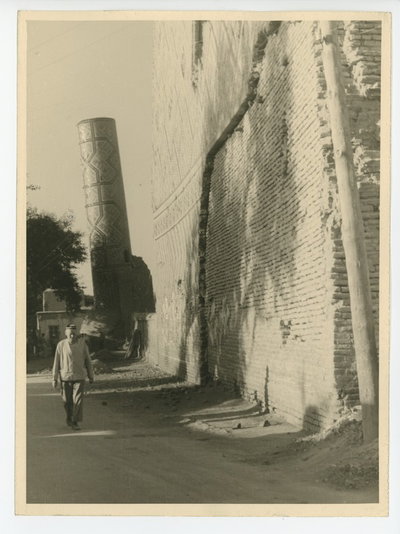
EU: Leaning tower street view, Samarkand (1960), Samarkand, 1960
EU: Leaning tower street view, Samarkand (1960) 1960 A street view from 1960 in Samarkand includes one of the city's historic leaning minarets, a reminder of centuries of seismic activity in the region.
EU: Old fortress walls, Samarkand (1960), Samarkand, 1960
EU: Old fortress walls, Samarkand (1960) 1960 Old fortress walls in Samarkand are documented in this 1960 photograph, remnants of the city's long history as a fortified center along the Silk Road.
EU: V koosseisu ekskursioon Kesk-Aasiasse 28. aprill - 18. mai Samarkand. Ulugbeki observatoorium. (1972), Samarkand, 1972
EU: V koosseisu ekskursioon Kesk-Aasiasse 28. aprill - 18. mai Samarkand. Ulugbeki observatoorium. (1972) 1972 In 1972, members of an Estonian group excursion to Soviet Central Asia visited the ruins of the Ulugh Beg Observatory in Samarkand, built in the 1420s to chart the stars.
EU: Usbekistan. Samarkand. Blick zur Sher-Dor-Madrasa (17. Jahrhundert) auf dem Registan-Platz (1972), Samarkand, 1972
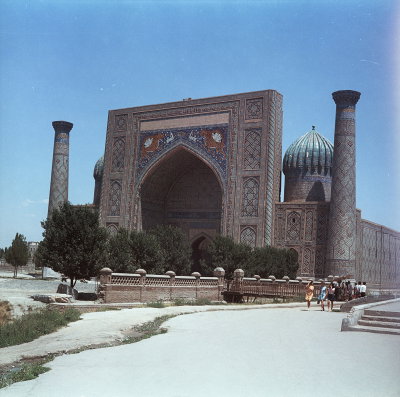
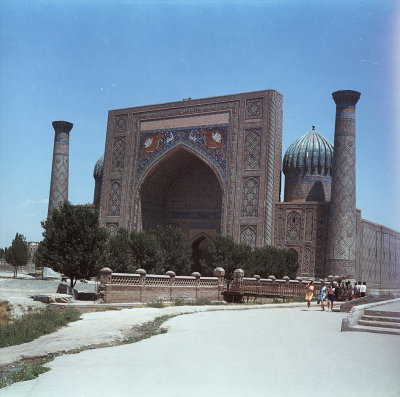
EU: Usbekistan. Samarkand. Blick zur Sher-Dor-Madrasa (17. Jahrhundert) auf dem Registan-Platz (1972) 1972 A 1972 view toward the Sher-Dor Madrasa on Registan Square in Samarkand, Uzbekistan. Completed in the seventeenth century, the madrasa is known for its tiger-and-sun mosaic facade at the heart of this historic Silk Road city.
EU: Sher-Dor Madrasa on Registan Square, Samarkand (1972), Samarkand, 1972
EU: Sher-Dor Madrasa on Registan Square, Samarkand (1972) 1972 A second 1972 photograph of the Sher-Dor Madrasa on Samarkand's Registan Square, the seventeenth-century Islamic school known for the tiger motifs on its portal.
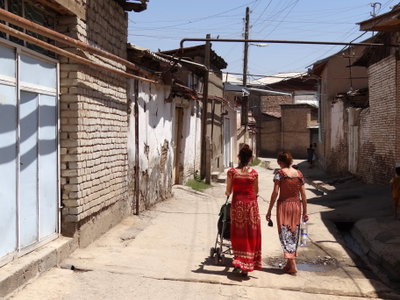
Old City (Jewish Quarter) Street Scene - Samarkand - Uzbekistan, Samarkand, 2012
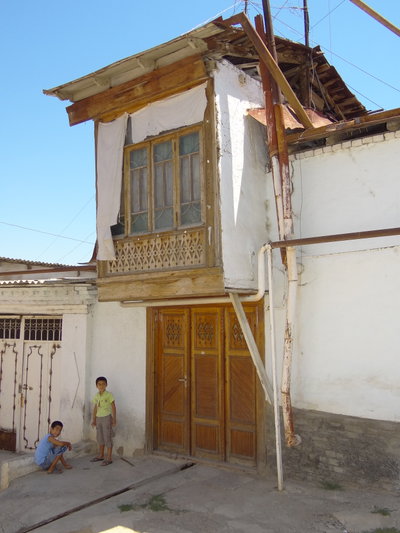
Old City (Jewish Quarter) Street Scene - Samarkand - Uzbekistan 2012 A street in the old Jewish quarter of Samarkand, Uzbekistan, photographed in 2012. Samarkand, one of Central Asia's oldest cities and a major stop on the Silk Road, was home to a Bukharan Jewish community for centuries.
Old City (Jewish Quarter) Street Scene - Samarkand - Uzbekistan, Samarkand, 2012
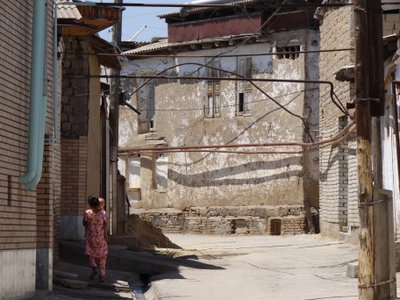
Old City (Jewish Quarter) Street Scene - Samarkand - Uzbekistan 2012 This 2012 photograph shows another view of Samarkand's historic Jewish quarter. The neighborhood's narrow lanes and courtyard houses reflect a community that lived in the Silk Road city for generations before much of it emigrated in the twentieth century.
Old City (Jewish Quarter) Street Scene - Samarkand - Uzbekistan, Samarkand, 2012
Old City (Jewish Quarter) Street Scene - Samarkand - Uzbekistan 2012 A third view of the old Jewish quarter in Samarkand, Uzbekistan, taken in 2012. The quarter sits within a city whose history stretches back more than two millennia as a center of trade and learning along the Silk Road.
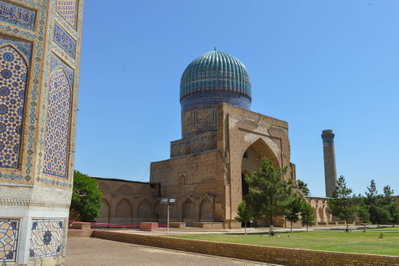
Bibi Honim, Samarkand, 2015
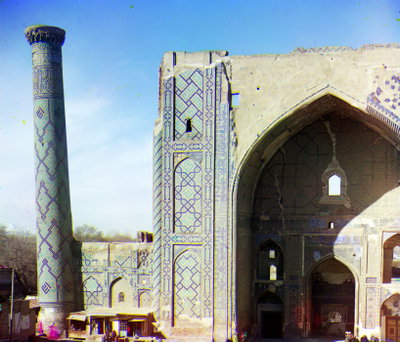
Bibi Honim 2015 The Bibi-Khanym Mosque in Samarkand, Uzbekistan, photographed in 2015. Commissioned by Timur in the late 14th century, it was once among the largest mosques in the Islamic world.
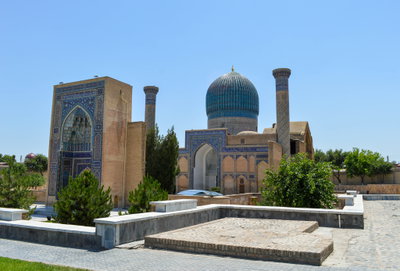
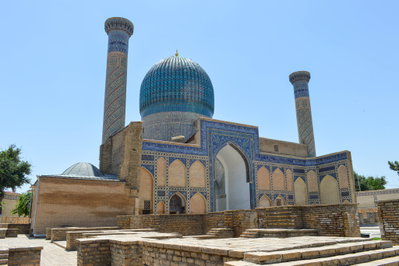
Gur E Amir, Samarkand, 2015
Gur E Amir 2015 Gur-e-Amir, the mausoleum built for the conqueror Timur in Samarkand, is known for its ribbed azure dome and remains one of the city's landmark structures. This photograph dates to 2015.
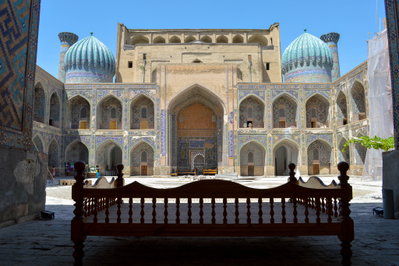
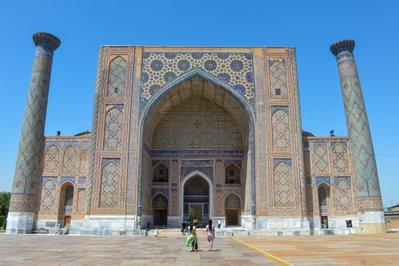
Sher Dor Madrasah, Samarkand, 2015
Sher Dor Madrasah 2015 Sher-Dor Madrasah, one of three monumental madrasas facing Samarkand's Registan square, is distinguished by the tiger-and-sun motifs on its facade. The photograph was taken in 2015.
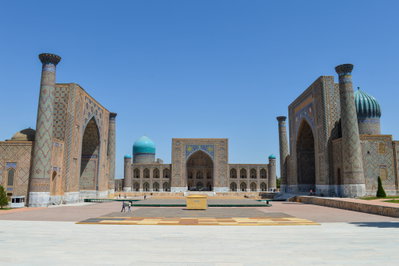
The Registan Ensemble, Samarkand, 2015
The Registan Ensemble 2015 The Registan, the historic public square at the heart of Samarkand, is framed by three grand madrasas dating from the fifteenth to seventeenth centuries. This 2015 image shows the ensemble.
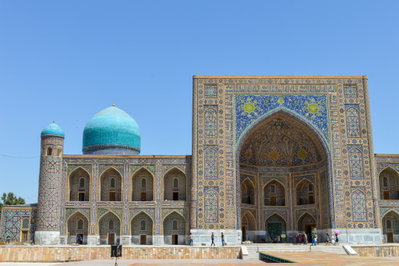
Tilya Kori Madrasah, Samarkand, 2015
Tilya Kori Madrasah 2015 Tilya-Kori Madrasah, the last of the Registan's three madrasas to be built, is known for its gilded mosque interior. It is shown here in a 2015 photograph.
Ulugh Beg Madrasa, Samarkand, 2015
Ulugh Beg Madrasa 2015 Ulugh Beg Madrasa, commissioned in the 1420s by the astronomer-ruler Ulugh Beg, was the first of the three madrasas erected on Samarkand's Registan square. This photograph is from 2015.
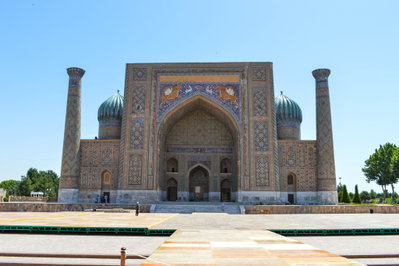
Sher Dor Madrasa, Samarkand, 2015
Sher Dor Madrasa 2015 Sher-Dor Madrasah, built in the seventeenth century opposite the older Ulugh Beg Madrasa on Samarkand's Registan, appears again in this 2015 photograph.
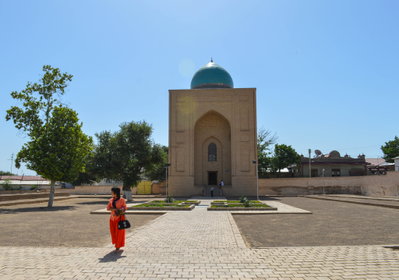
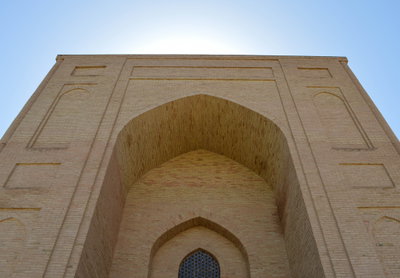
Bibi Honim Mausoleum, Samarkand, 2015
Bibi Honim Mausoleum 2015 The Bibi-Khanym Mausoleum in Samarkand, Uzbekistan, part of the necropolis associated with Timur's dynasty. Samarkand's monuments are among the best-preserved examples of Timurid architecture, dating largely from the 14th and 15th centuries.
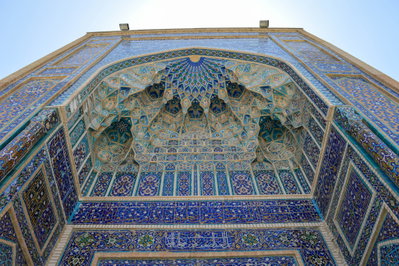
Entrance To Tomb Of Tamerlane, Samarkand, 2015
Entrance To Tomb Of Tamerlane 2015 The entrance portal to the Gur-e-Amir, the mausoleum of Timur (Tamerlane) in Samarkand, Uzbekistan. Built in the early 15th century, it later served as a model for later Mughal tombs, including the Taj Mahal.
Mausoleum Courtyard, Samarkand, 2015
Mausoleum Courtyard 2015 The courtyard of the Gur-e-Amir mausoleum complex in Samarkand, Uzbekistan, burial site of Timur and several of his descendants, including Ulugh Beg. The structure's ribbed azure dome is a landmark of Timurid-era design.
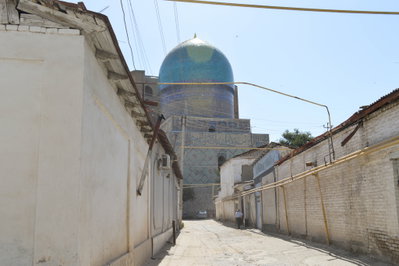
Approaching Bibi Honim, Samarkand, 2015
Approaching Bibi Honim 2015 Approaching the Bibi-Khanym Mosque in Samarkand, Uzbekistan, photographed in 2015. Built in the late fourteenth century under Timur, it was once among the largest mosques in the Islamic world.
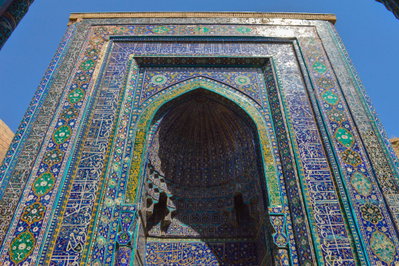
Entrance To A Mausoleum, Samarkand, 2015
Entrance To A Mausoleum 2015 The entrance to a mausoleum in Samarkand, Uzbekistan, photographed in 2015. Samarkand's Timurid-era funerary architecture is renowned worldwide for its elaborate glazed tilework and monumental portals.
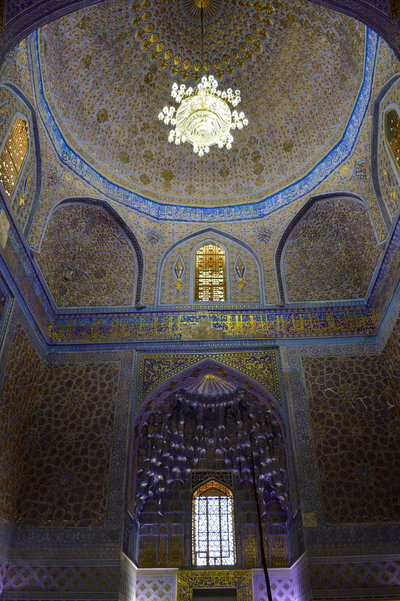
Inside Timurs Mausoleum, Samarkand, 2015
Inside Timurs Mausoleum 2015 The interior of the Gur-e-Amir, the mausoleum of Timur, in Samarkand, Uzbekistan, photographed in 2015. Built in the early fifteenth century, it became the burial place of the Timurid dynasty.
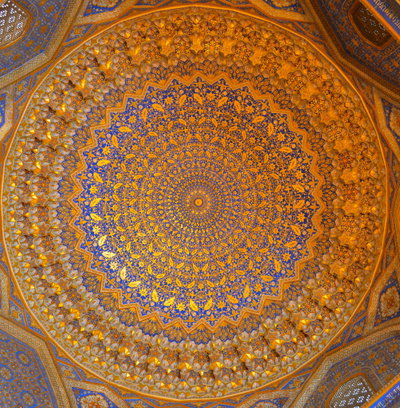
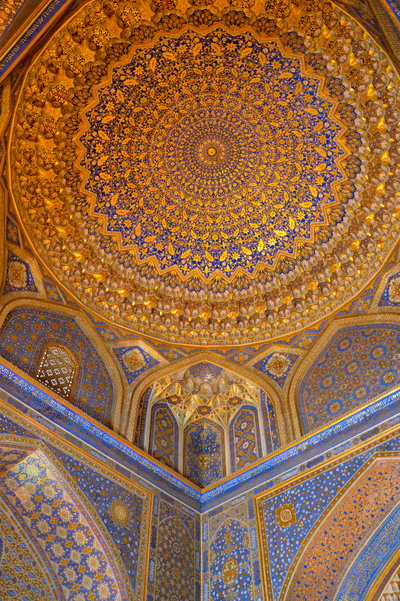
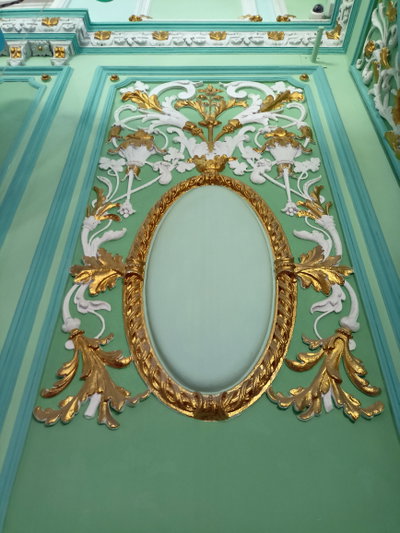
Ornate Ceiling, Samarkand, 2015
Ornate Ceiling 2015 An ornately decorated ceiling in Samarkand, Uzbekistan, photographed in 2015, characteristic of the intricate geometric and floral patterns found in the city's Timurid-era Islamic architecture.
Tilework Inside The Sher Dor Madrasa, Samarkand, 2015
Tilework Inside The Sher Dor Madrasa 2015 Tilework inside the Sher-Dor Madrasa in Samarkand, Uzbekistan, photographed in 2015. The madrasa forms part of the Registan, the historic square at the heart of the city.
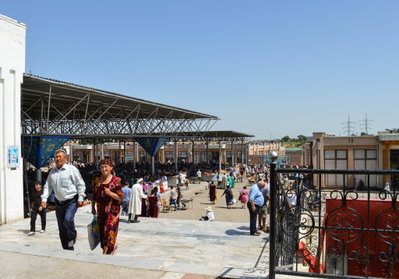
Couple In The Samarkand Market, Samarkand, 2015
Couple In The Samarkand Market 2015 A couple at a market in Samarkand, Uzbekistan, photographed in 2015. Markets have remained central to daily life in Samarkand, a city that has served as a major trading hub along Central Asia's historic Silk Road routes for centuries.
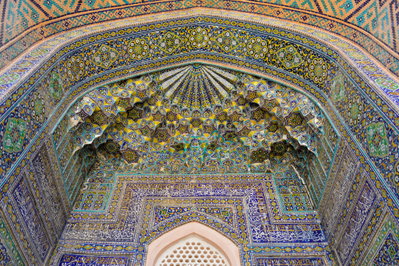
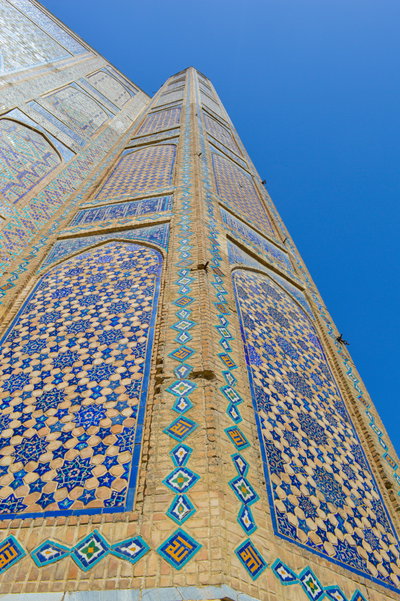
Facade Detail, Samarkand, 2015
Facade Detail 2015 A detail of a building facade in Samarkand, Uzbekistan, photographed in 2015, showing the intricate glazed tilework typical of the city's Timurid-era monuments and mosques.
Mosque Interior, Samarkand, 2015
Mosque Interior 2015 The interior of a mosque in Samarkand, Uzbekistan, photographed in 2015. Samarkand was a major hub along the Silk Road and remains renowned for its Islamic architecture.
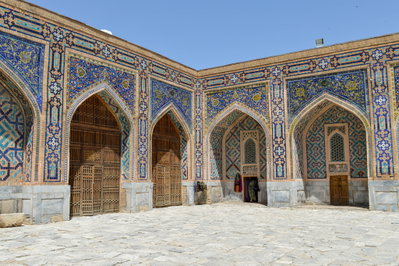
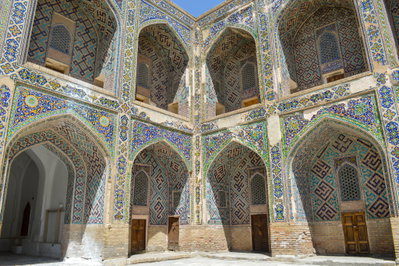
Classroom Entrances Inside The Tilya Kori Madrasah, Samarkand, 2015
Classroom Entrances Inside The Tilya Kori Madrasah 2015 Entrances to student cells inside the Tilya-Kori Madrasah in Samarkand, part of the Registan ensemble completed in the mid-seventeenth century under Yalangtush Bahadur.
Classrooms, Samarkand, 2015
Classrooms 2015 The courtyard cells of the Tilya-Kori Madrasah in Samarkand, once used as living and study quarters for students at the historic religious school.
Gate Detail, Samarkand, 2015
Gate Detail 2015 Decorative tilework on a gateway of the Tilya-Kori Madrasah, one of three grand madrasahs forming the Registan ensemble in the Uzbek city of Samarkand.
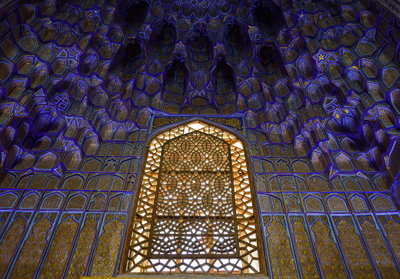
Inside The Mausoleum, Samarkand, 2015
Inside The Mausoleum 2015 The domed interior of a mausoleum in Samarkand, a city celebrated for the turquoise-tiled architecture of its monuments dating from the Timurid era.
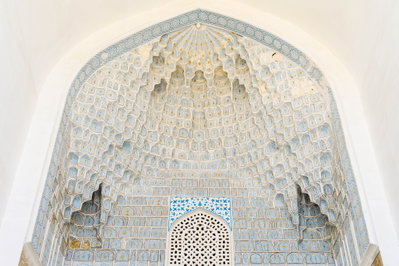
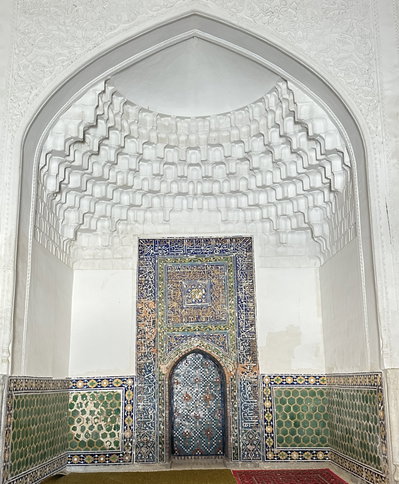
Mihrab, Samarkand, 2015
Mihrab 2015 A mihrab, the niche marking the direction of Mecca, inside a mosque or madrasah in Samarkand, Uzbekistan, a city built up as a centerpiece of the Timurid empire.
Tilework, Samarkand, 2015
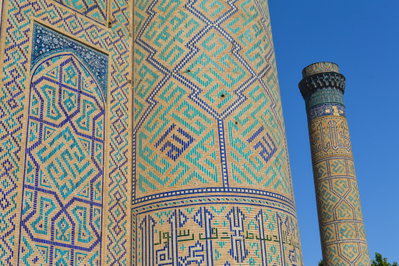
Tilework 2015 Detail of glazed tilework on a Timurid-era building in Samarkand, a city famed for the blue and turquoise ceramic decoration of its historic monuments.
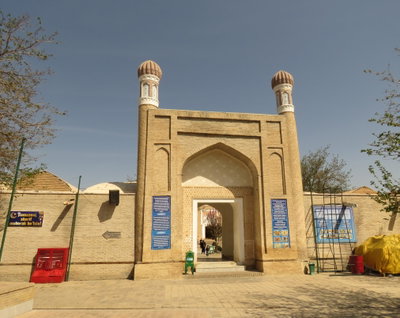
Quran quotes at the entrance to the Abdu Berun Complex (in Samarkand) in Uzbek and Arabic languages, Samarkand, 2018
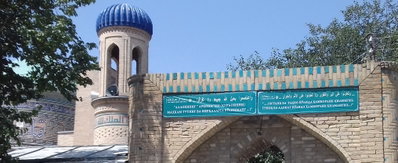
Quran quotes at the entrance to the Abdu Berun Complex (in Samarkand) in Uzbek and Arabic languages 2018 Quranic verses inscribed in Uzbek and Arabic mark the entrance to the Abdu Berun complex in Samarkand, photographed in 2018. Samarkand has been a center of Islamic scholarship and architecture along the Silk Road for centuries.
Khoja Ahrar entrance (cropped), Samarkand, 2022
Khoja Ahrar entrance (cropped) 2022 This 2022 photograph shows the entrance to the Khoja Ahrar complex in Samarkand, a religious site named for the influential 15th-century Naqshbandi Sufi leader Khoja Ahrar, in one of the great cities of the historic Silk Road.
Sobiq Avliyo Aleksey cherkovi 14, Samarkand, 2022
Sobiq Avliyo Aleksey cherkovi 14 2022 The former Church of St. Alexy in Samarkand, built during the era when the city served as an administrative center of Russian Turkestan, seen in 2022.
Ishratxona 01, Samarkand, 2023
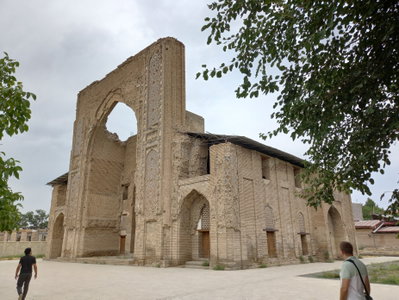
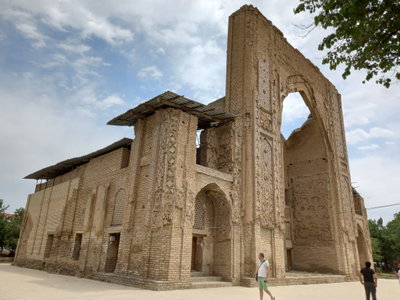
Ishratxona 01 2023 Another view of the Ishrat-Khana mausoleum ruins in Samarkand, Uzbekistan, photographed in 2023, a reminder of the city's role as a Timurid-era capital along the Silk Road.
Ishratxona 04, Samarkand, 2023
Ishratxona 04 2023 A further 2023 photograph of the Ishrat-Khana mausoleum in Samarkand, Uzbekistan, one of the city's Timurid-era funerary monuments.
St. Alexis Cathedral, Samarkand 06, Samarkand, 2023
St. Alexis Cathedral, Samarkand 06 2023 Built in 1912 at the order of Tsar Nicholas II for a regiment stationed in Samarkand, St. Alexis Cathedral was among the last Orthodox churches raised in the city under Russian imperial rule. Converted into a dance hall after the 1917 revolution, it was returned to worshippers and reconsecrated in 1996.
Rukhabad Madrasah 90, Samarkand, 2024
Rukhabad Madrasah 90 2024 The Rukhabad madrasah complex in Samarkand, Uzbekistan, part of the dense concentration of historic Islamic architecture that made this ancient Silk Road city famous across Central Asia. Photographed in 2024.
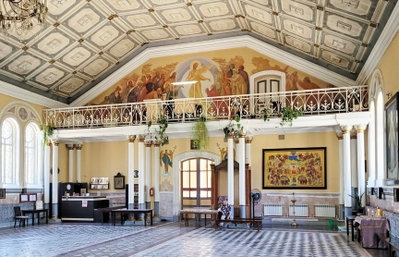
Самарканд. Русско-Китайский банк, большой зал 07, Samarkand, 2024
Самарканд. Русско-Китайский банк, большой зал 07 2024 Erected in 1896, this Samarkand building once housed the local branch of the Russo-Chinese Bank, a St. Petersburg-based institution with outposts stretching from Paris to Harbin. Reorganized as the Russo-Asiatic Bank in 1910, it remains one of the city's most distinctive examples of Tsarist-era classical architecture.
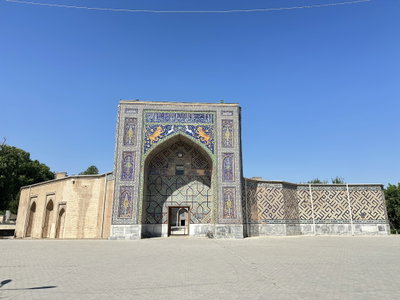
Nodir devonbegi madrasasi (Samarqand) 02, Samarkand, 2025
Nodir devonbegi madrasasi (Samarqand) 02 2025 The Nodir Devonbegi madrasah building in Samarkand, Uzbekistan, an example of the city's Islamic religious architecture, photographed in 2025. Samarkand, one of the oldest continuously inhabited cities in Central Asia, was a major stop on the historic Silk Road.
Nodir devonbegi madrasasi (Samarqand) 04, Samarkand, 2025
Nodir devonbegi madrasasi (Samarqand) 04 2025 Another view of the Nodir Devonbegi madrasah in Samarkand, Uzbekistan, taken in 2025. Samarkand's monumental religious architecture, built up over centuries as a Silk Road trading center, remains a defining feature of the city today.
Nodir devonbegi madrasasi (Samarqand) 09, Samarkand, 2025
Nodir devonbegi madrasasi (Samarqand) 09 2025 A madrasa identified as Nodir Devonbegi in Samarkand, Uzbekistan, photographed in 2025.