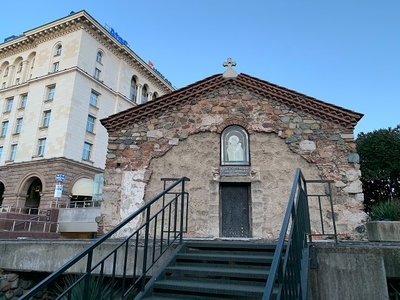
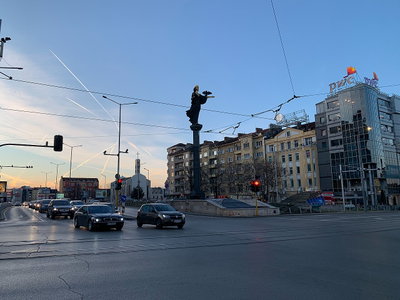
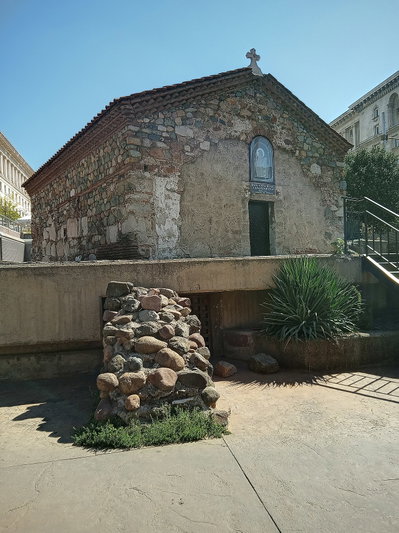
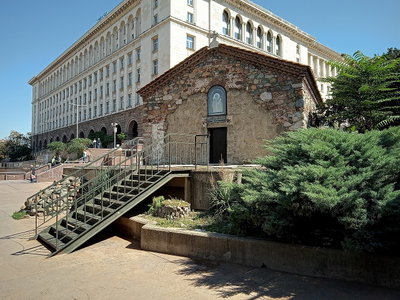
Old photos of Sofia
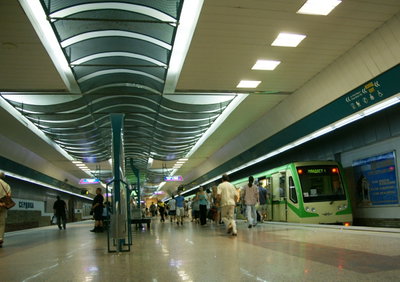
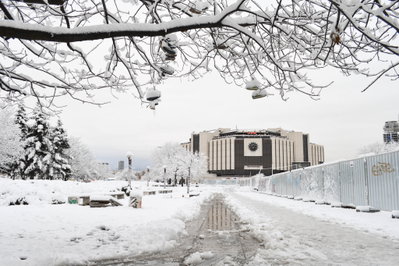
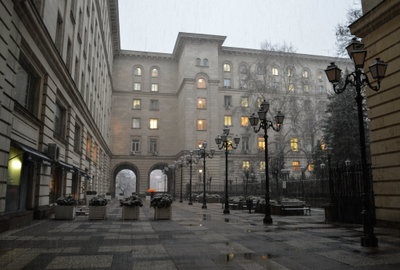
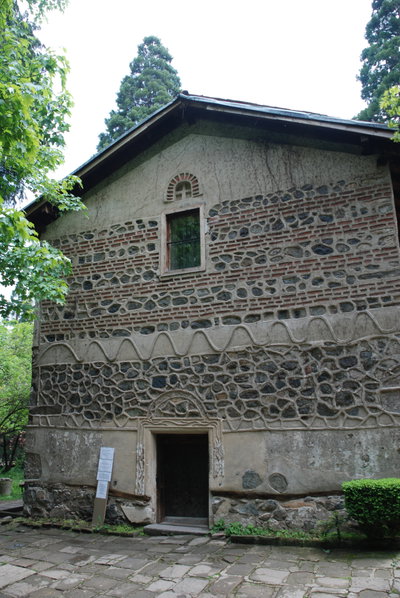
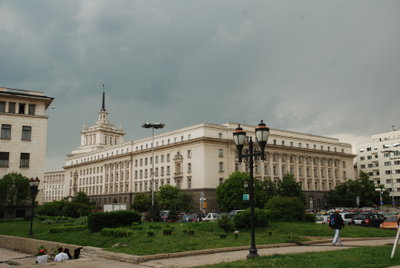
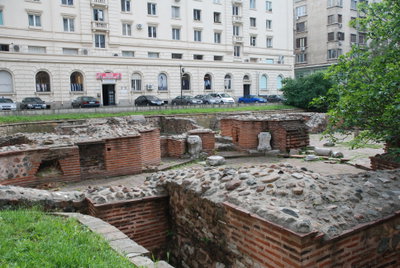
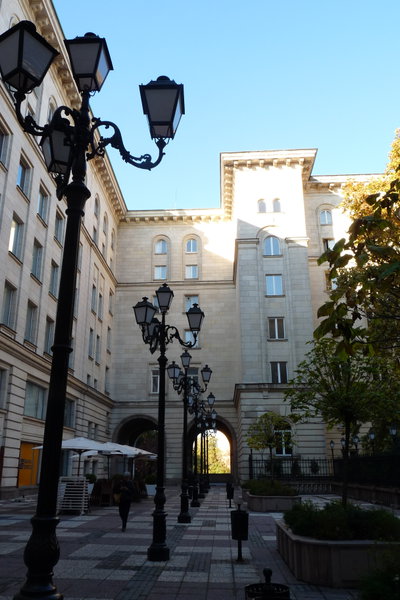
93 photographs of Sofia, from 1900 to 2025 — each pinned to the exact place it was taken.
 1900
1900
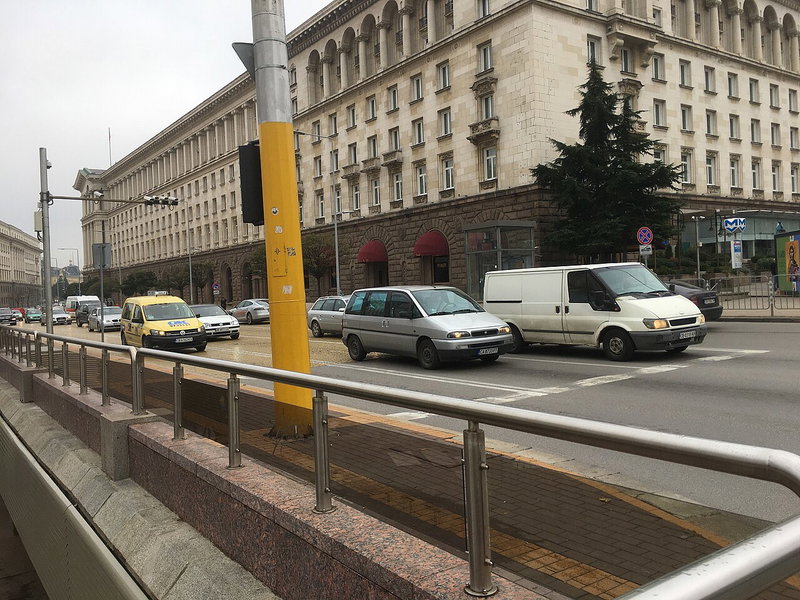 2019
2019
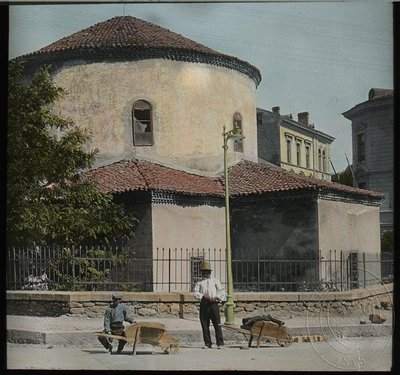
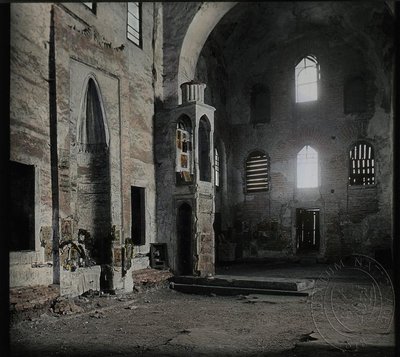
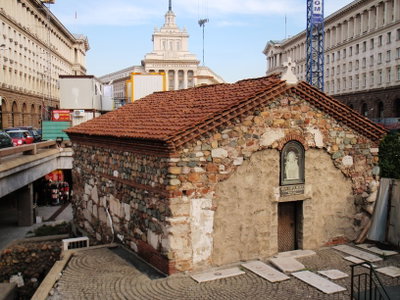
Sofia, the capital of Bulgaria, lies in a broad basin at the foot of Vitosha mountain. The Thracian settlement of Serdica became a Roman city, and the emperor Constantine is recorded as having been fond of it. The rotunda of St George and remains of the Roman walls survive in the modern centre. The city passed to the Byzantines and to the medieval Bulgarian empire, when it acquired the name Sredets, and from the late 14th century it was an Ottoman provincial town for nearly five centuries.
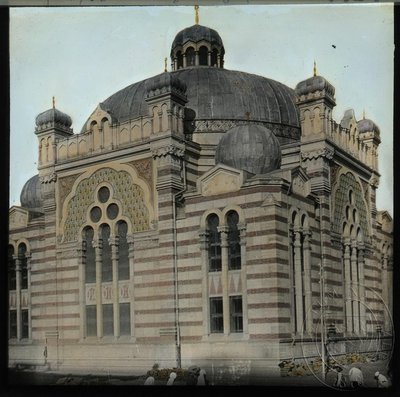
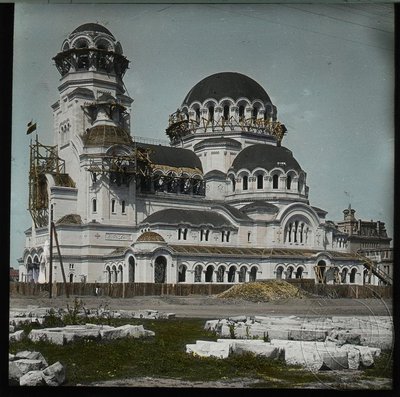
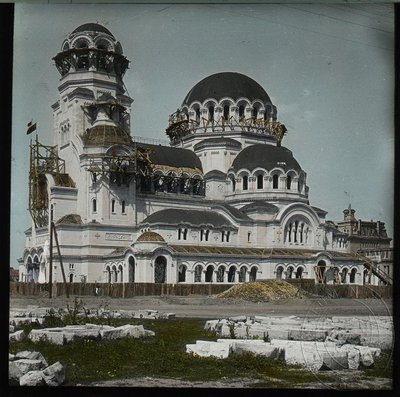
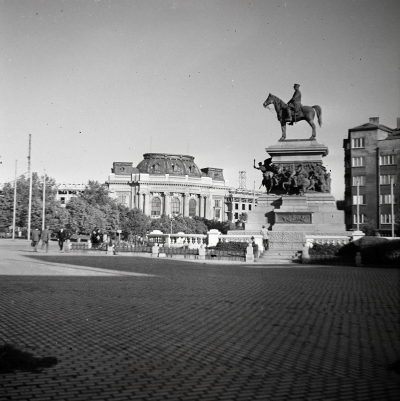
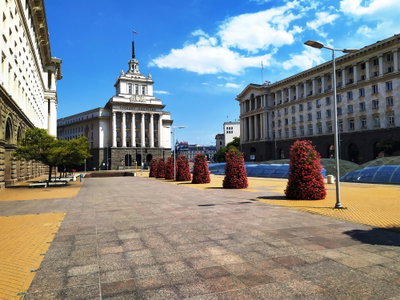
Bulgaria emerged as an autonomous principality after the Russo-Turkish War of 1877-78, and Sofia was chosen as its capital in 1879. It was then a modest Ottoman town of mosques, baths and low houses. Over the following decades it was rebuilt on European lines, gaining the Alexander Nevsky cathedral, the royal palace, the National Theatre, yellow-paved boulevards and public gardens. The city was heavily bombed by Allied aircraft in 1943-44, and much of the centre was rebuilt in monumental style after the communist takeover in 1944.
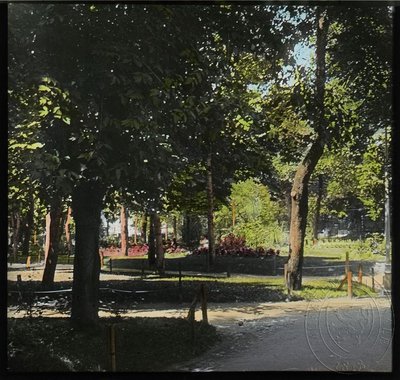
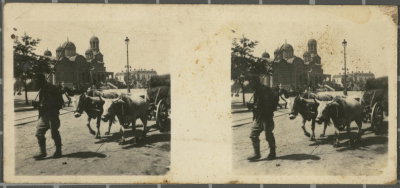
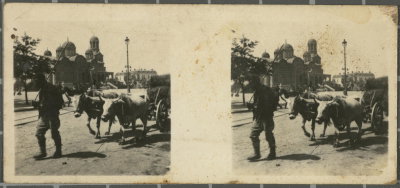
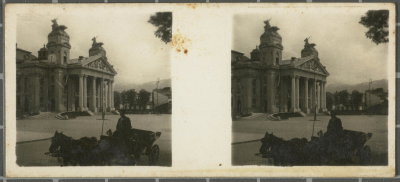
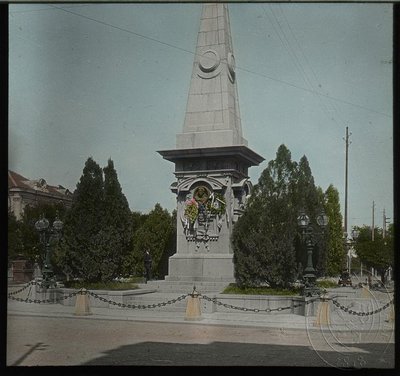
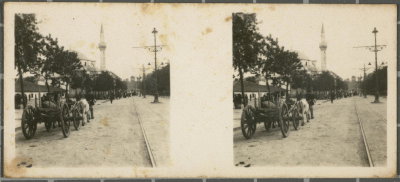
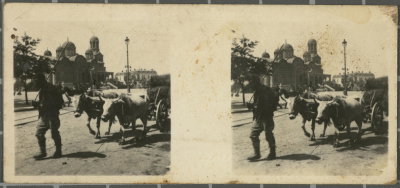
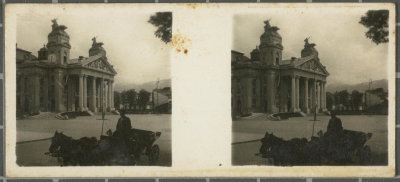
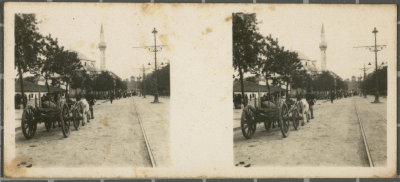
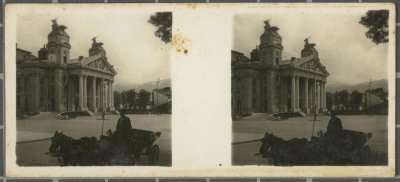
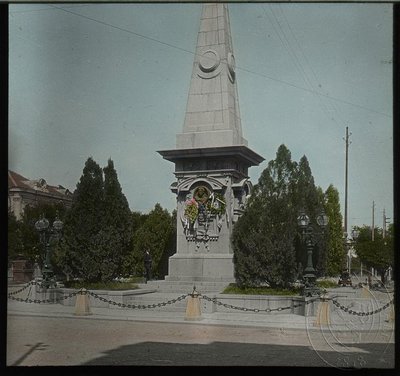
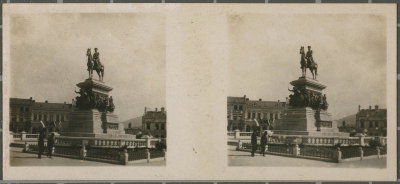
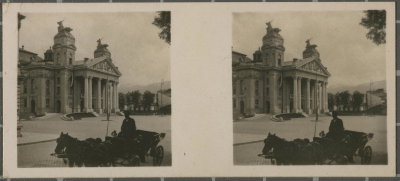
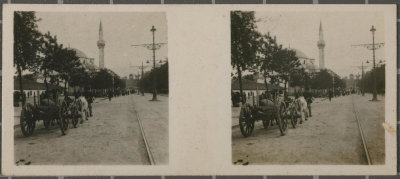
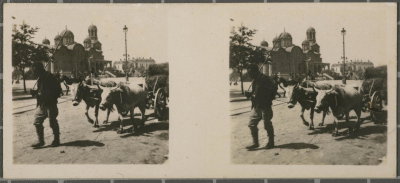
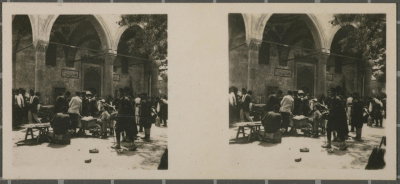
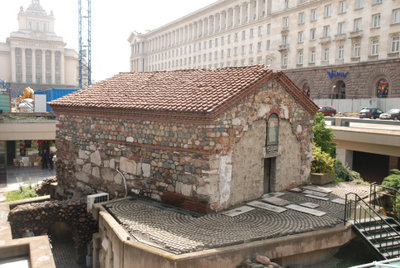
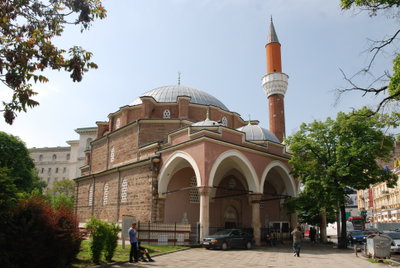
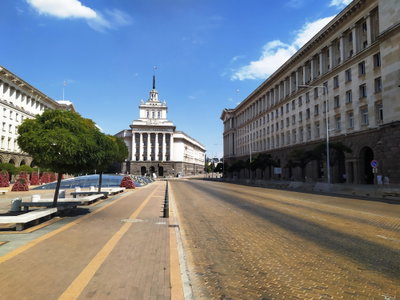
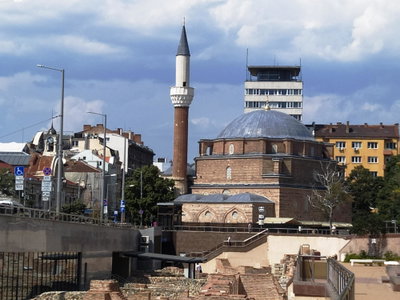
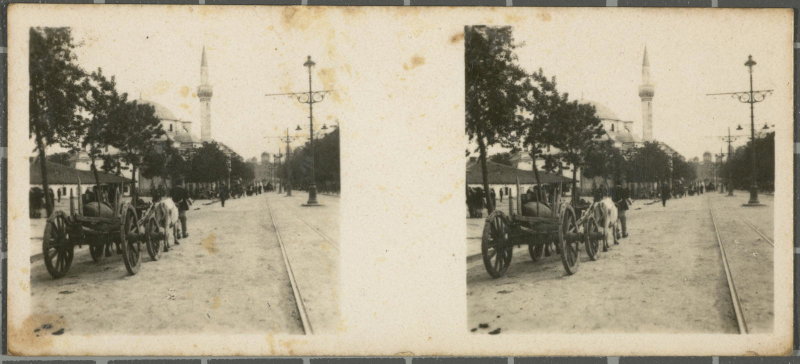
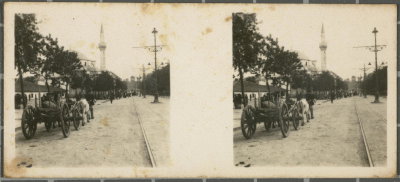
Old photographs of Sofia typically show the Banya Bashi mosque and the mineral baths, the cathedral, horse-drawn and electric trams on the boulevards, market scenes and the Vitosha skyline behind the city.
What the photos show
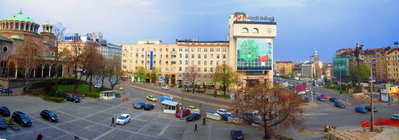
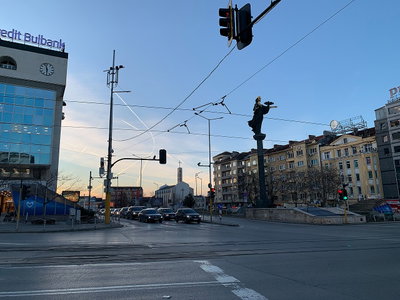
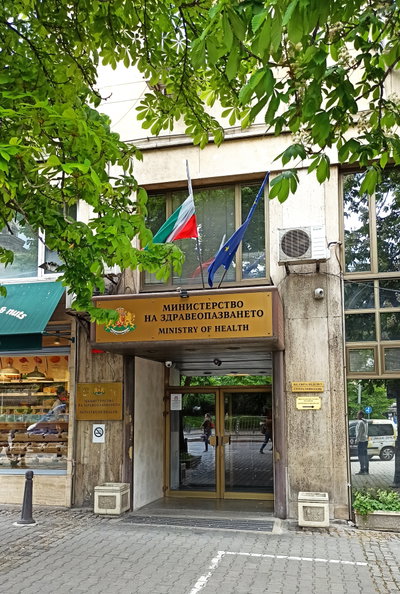
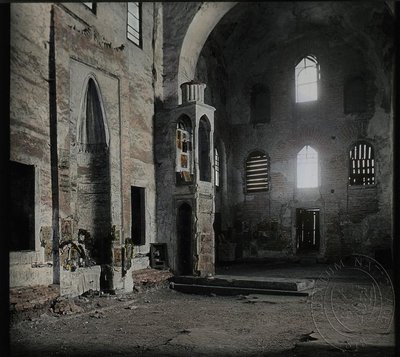
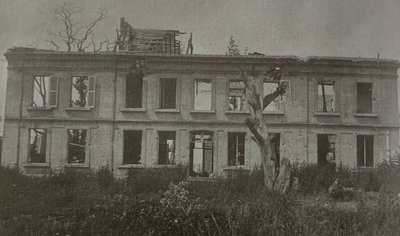
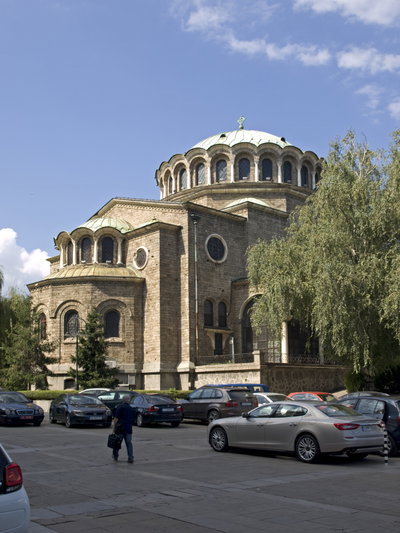
The 93 photographs of Sofia on PlaceWas span 8 decades, from 1900 to 2025. 26 of them were taken before 1980; the other 67 are recent views of the same streets and landmarks.6 spots were photographed more than once, so you can compare the same street, square or building across the years.89 of the photos carry a written caption explaining what is in the frame. Every picture is pinned to the place it was taken, so the map below shows where the photographers stood.
Places in Sofia through time
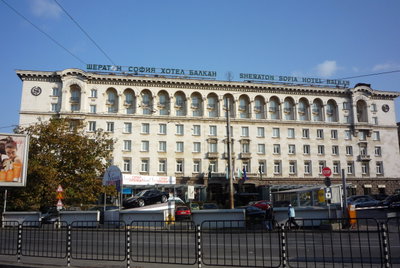
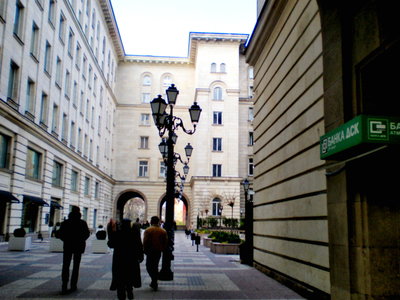
Spots photographed more than once — compare the same place across the years.
Stories from Sofia
What contributors wrote about these photographs.